

World Reproductive Health Day: Knowing Your Fertility Before You Need It
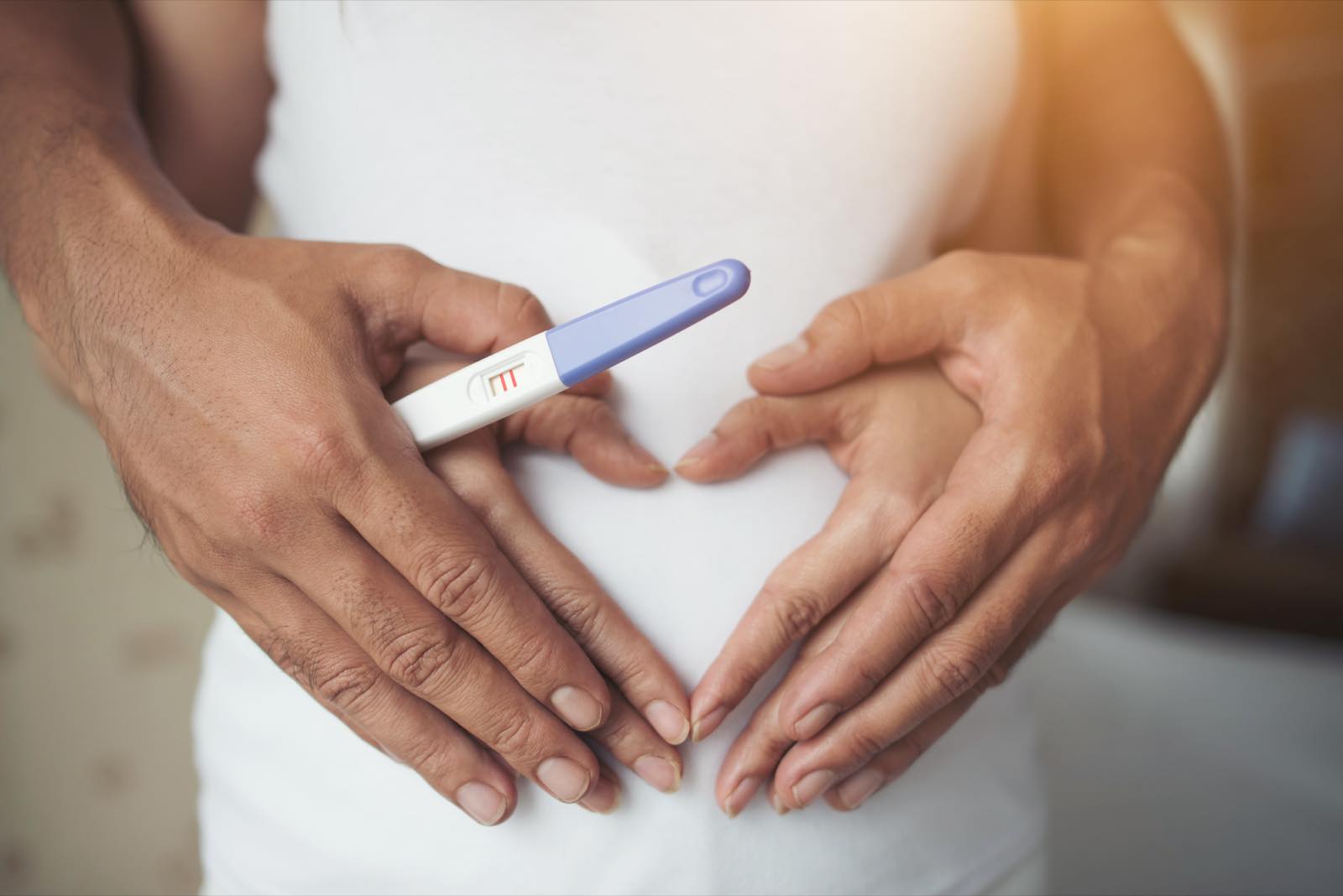
Every September 4, World Reproductive Health Day works toward a goal: that everyone has access to reliable information, prevention, timely diagnosis, and quality care throughout life.
Reproductive health is almost always associated with pregnancy. It covers considerably more: physical, mental, and social well-being related to the reproductive system, and the ability to make informed decisions about your own future.
There is a point that comes up again and again in consultation and is worth stating early: many conditions that affect fertility progress without symptoms. Plenty of people find out something is wrong only after months or years of trying.
What reproductive health includes
It is the state of physical, emotional, and social well-being related to the reproductive system, at every stage of life. It is not limited to the absence of disease. It means being able to:
- Understand how your reproductive system works
- Access evidence-based information
- Prevent conditions that affect fertility
- Make informed decisions about your reproductive plans
- Receive medical care when you need it
- Have access to timely diagnosis and treatment
Even if you do not want children, knowing where your fertility stands gives you information to decide with. And if you want them later, that information changes the size of your options.
What your fertility depends on
On several factors that interact with each other:
- Age
- Hormonal balance
- Ovarian reserve
- Sperm quality
- Uterine health
- Metabolic health
- Lifestyle
- Certain gynecological or urological conditions
Caring for reproductive health means paying attention to these factors before difficulties appear, not after.
Checkups exist precisely because of what you cannot feel
Many conditions develop silently. That is why regular checkups are the most useful tool available today.
Prevention can include:
- Gynecological and urological appointments
- Hormone testing when the specialist considers it necessary
- Metabolic health assessments
- Gynecological ultrasounds
- Fertility testing when there is relevant history or risk factors
Catching something early allows for more personalized treatment and, above all, leaves more paths open.

A diagnosis commits you to nothing: it exists to give you information
What changes at each stage of life
Adolescence. What matters is understanding how the menstrual cycle works, hormonal changes, and preventing sexually transmitted infections.
Reproductive years. Family planning, hormonal health, fertility, and sexual well-being take on greater weight.
As the years pass. Changes appear tied to the natural decline in ovarian reserve, egg quality, and the hormonal shifts of aging.
In men, reproductive health also evolves, influenced by hormonal, metabolic, and environmental factors.
Age: the best-documented factor
It is among the most studied topics in reproductive medicine. In women, the quantity and quality of eggs decline over time, and the drop becomes more pronounced after 35. In men, although sperm production continues through much of life, sperm quality also changes with age.
This does not mean everyone will have difficulties. It means timely information allows for better planning.
If parenthood is not on your calendar right now, Fertility Preservation exists precisely for that: freezing eggs or sperm while they are at their best, and deciding later.
Metabolic health enters the equation
Fertility does not depend on the reproductive system alone. Conditions such as insulin resistance, obesity, diabetes, thyroid disorders, and polyendocrine metabolic ovarian syndrome (PMOS, formerly polycystic ovary syndrome or PCOS) influence hormonal balance and affect various aspects of reproductive function.
That is why fertility assessment today considers reproductive and metabolic health together. We wrote about PMOS this week: why polycystic ovary syndrome changed its name.
It concerns men too
For years the conversation about fertility centered on women. Today we know male factors are involved in roughly half of all cases.
Sperm quality is influenced by hormonal changes, varicocele, infections, metabolic conditions, exposure to high temperatures, smoking, excessive alcohol consumption, and environmental factors.
That is why comprehensive assessment considers both partners where applicable. We cover it here: Male Fertility in 2026.
What is within your reach
Daily habits weigh on reproductive health: balanced nutrition, regular physical activity, enough rest, avoiding tobacco, moderating alcohol, and managing metabolic conditions if you have them.
How those habits reach the cellular level is something we explain here: Epigenetics and Fertility.
Frequently asked questions
When should I have my fertility checked?
If you are trying to conceive, the World Health Organization’s reference is to seek evaluation after 12 months without success, and after 6 months if you are over 35. If you simply want to know where you stand, any time works.
Which tests give a real picture?
For women, a hormone panel, ultrasound, and ovarian reserve assessment. For men, semen analysis. That is what the Diagnostic Consultation brings together.
Does getting tested commit me to starting treatment?
No. Diagnosis exists to give you information. Many patients do it to know where they stand and decide months or years later.
I don’t want children now. Is it still worth getting checked?
Yes, and that is when it helps most. Knowing your ovarian reserve at 30 opens options that at 38 may be more limited. Early information is what widens the range.
At Ingenes, prevention is part of the path too
We promote prevention, timely diagnosis, and personalized evaluation, with precision diagnostics, highly specialized technology, and a multidisciplinary team that works from scientific evidence.
Caring for your reproductive health today influences your quality of life now and the options you will have tomorrow. If you want to know where you stand, a First Consultation gives you that picture.
Sources
- World Health Organization. Infertility. Fact sheet, May 2024. who.int
- World Health Organization. Sexual health. Health topic. who.int
- American Society for Reproductive Medicine. Optimizing Natural Fertility. Patient fact sheet, revised 2023. reproductivefacts.org
- U.S. National Library of Medicine. Polycystic Ovary Syndrome. MedlinePlus. medlineplus.gov