
Causes of Endometriosis: New Findings and What They Mean for You
If you live with endometriosis, you have probably heard more than once that “nobody really knows why it happens.” That uncertainty can be frustrating, especially when pain or the search for a baby is part of your daily life. The good news is that research on endometriosis is moving forward, and a more complete picture is starting to take shape.
In this article we share what is being discovered about its causes, how diagnosis could change, and what all of this means for your fertility.
Endometriosis: what science is starting to untangle
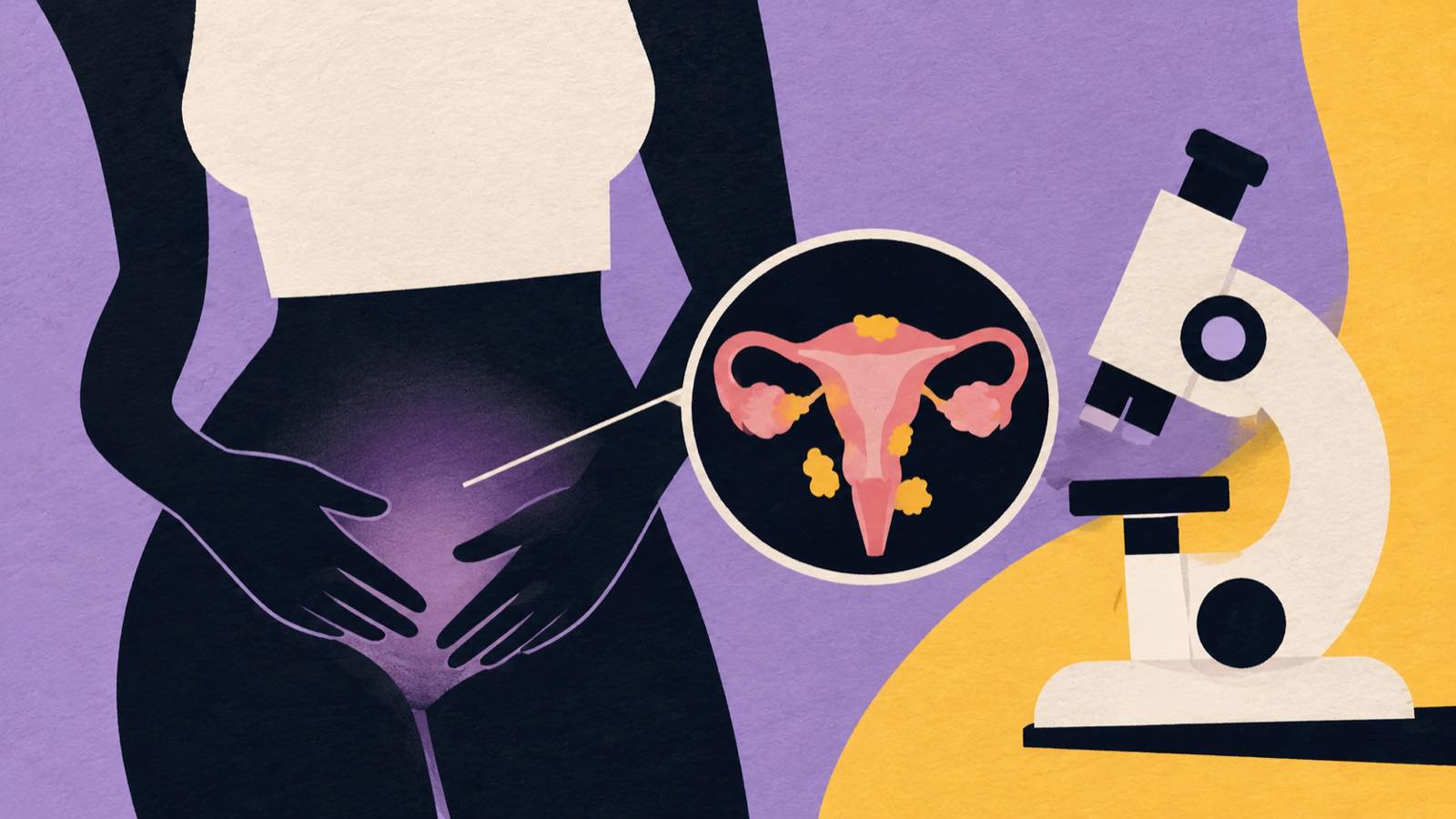
Endometriosis happens when tissue similar to the lining of the uterus grows outside it, for example on the ovaries, the fallopian tubes, the peritoneum or, in some cases, the bowel and the bladder. This tissue responds to the hormonal changes of the cycle and causes inflammation, which can lead to pain and, in some women, difficulty getting pregnant.
It is estimated to affect about 10% of women of reproductive age, around 190 million worldwide, according to the World Health Organization. Even so, for decades it received little attention in medical research, and many women were told that their pain was “normal” or exaggerated. That delay shows up in diagnosis, which often arrives several years after the first symptoms.
Part of the difficulty is that endometriosis shows up in very different ways. Some women have extensive lesions and little pain, while others have small lesions and very intense pain. Some discover it while being evaluated for difficulty conceiving, without ever having had clear symptoms. If you want to learn about those signs, we recommend our article on the silent signs of endometriosis.
Today, science tends to look at it more broadly. Beyond the lesions in the pelvis, endometriosis is increasingly understood as an inflammatory condition that can involve the immune system, the nervous system and metabolism.
Understanding this has an important consequence: if you live with endometriosis, your symptoms have a real biological basis, and they do not come from anything you did wrong. Knowing more about its origin is the first step toward earlier diagnosis and options that fit each woman better.
Causes of endometriosis: from retrograde menstruation to genetics and the immune system
For almost a century, the most widely accepted explanation was retrograde menstruation. According to this theory, proposed in the 1920s, part of the menstrual blood flows backward through the fallopian tubes and carries endometrial cells into the pelvic cavity, where they implant. The problem is that this happens in most women, and only some of them develop endometriosis. That is why researchers began looking for the other factors that make the difference.
One of them is genetics. Endometriosis tends to run in some families, and it is estimated that about half of the risk could be explained by hereditary factors. A large genetic study published in Nature Genetics in 2023 identified dozens of DNA regions associated with the disease, and found that some of them are shared with chronic pain conditions, such as migraine, and with certain inflammatory diseases. This helps explain why endometriosis pain can be so intense and persistent.
Another factor is the immune system. Under normal conditions, the body would clear away cells that end up somewhere they do not belong. In endometriosis, that response does not seem to work as expected, and the result is an inflammatory environment that helps the lesions survive. These lesions can also grow their own blood vessels and nerve fibers, which is one reason the pain does not always match their size.
There are also more recent lines of research. Some studies explore the role of bacteria in the reproductive tract and the gut, and others look at whether certain stem cells or remnants of embryonic development could give rise to lesions in unusual locations. These hypotheses are still under study and do not yet change medical care, although they open promising paths.
What is becoming clear is that endometriosis most likely arises from a combination of several factors (genetic, immune, hormonal and environmental) that present differently in each woman.
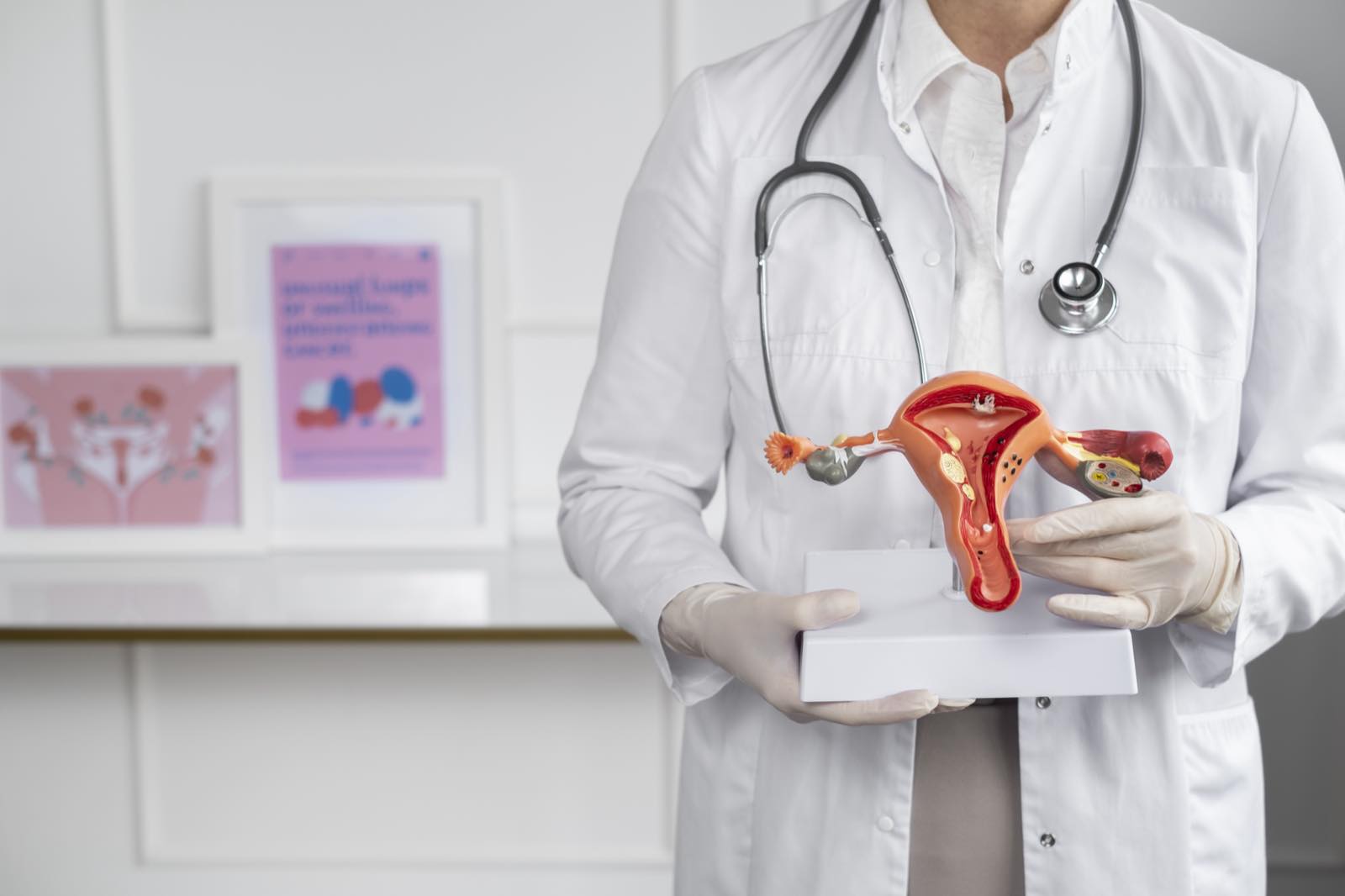
An ultrasound performed by staff experienced in endometriosis can identify many lesions without surgery
New ways to diagnose it: what is being researched
One of the biggest challenges with endometriosis is how long it takes to confirm. For years, the only way to diagnose it with certainty was surgery. Today, thanks to advances in imaging and new lines of research, that picture is starting to change.
Specialized ultrasound and MRI. When performed by staff experienced in endometriosis, transvaginal ultrasound and magnetic resonance imaging can identify endometriomas in the ovaries and many deep lesions. That is why recent international guidelines, such as the one from the European Society of Human Reproduction and Embryology (ESHRE), recognize that in many cases management can begin based on symptoms and these studies, without waiting for surgery.
Laparoscopy. It remains useful when imaging is inconclusive, when small lesions that do not show on ultrasound are suspected, or when there is another reason to operate. During the same procedure, the specialist can confirm the diagnosis and, if appropriate, remove lesions. The decision to operate is weighed carefully, especially if you are trying for a baby, because some ovarian surgeries can reduce ovarian reserve.
Biomarkers under research. Several groups are studying saliva, blood or endometrial tissue tests that can detect signals associated with endometriosis, such as certain fragments of genetic material. Some of these tests are already being evaluated in certain countries, although they are not yet part of routine practice and their accuracy is still under study.
These advances point toward earlier, less invasive diagnosis. Until they reach everyday practice, the combination of a thorough medical history, a careful examination and imaging performed by specialists remains the foundation for identifying endometriosis in time.
What these advances mean for your fertility
Understanding the origin of endometriosis better also helps explain why it can affect fertility. It is estimated that 30% to 50% of women with endometriosis may have difficulty getting pregnant, although many do conceive, either naturally or with the help of assisted reproduction.
The new view of the disease shows that its effect can go beyond anatomy. Adhesions can alter the relationship between the tubes and the ovaries, but the inflammatory environment can also influence egg quality and the receptivity of the endometrium, a key factor for embryo implantation. That is why each case needs an evaluation that considers all of these aspects.
This information can help you make timely decisions. It is worth seeking a reproductive medicine evaluation if:
- You have a diagnosis or suspicion of endometriosis and want to try for a baby, now or in the coming years.
- You have been advised to have ovarian surgery and want to know how it could affect your ovarian reserve before deciding.
- You have been trying to conceive for a while and have intense period pain or pain during intercourse.
- You want to learn about options to preserve your fertility while you treat the disease.
The alternatives depend on your age, the extent of the endometriosis, your ovarian reserve and your plans. They can range from trying to conceive naturally for a defined period to IVF, with or without prior surgery. If you want to explore these options further, we recommend our article on having a baby with endometriosis.
At Ingenes, our reproductive medicine specialists evaluate endometriosis within your complete history, with the reproductive, genetic and metabolic perspective each case requires, to build a plan tailored to you. Your first consultation is the starting point, and you can schedule it here whenever you decide.
Frequently asked questions
What causes endometriosis?
There is no single cause. Retrograde menstruation explains how endometrial cells reach the pelvis, but it happens in most women and only some develop the disease. Today it is considered that genetic, immune, hormonal and environmental factors combine differently in each person.
Is endometriosis hereditary?
It tends to run in some families, and about half of the risk is thought to come from hereditary factors. Having a mother or sister with endometriosis increases the likelihood, although it does not mean you will develop it.
Do you need surgery to diagnose endometriosis?
Not always anymore. Recent international guidelines recognize that, with symptoms and an ultrasound or MRI performed by experienced staff, management can begin in many cases without laparoscopy. Surgery is reserved for when imaging is inconclusive or there is another reason to operate.
Can I have a baby if I have endometriosis?
Yes, many women do, either naturally or with assisted reproduction. The options depend on your age, the extent of the disease and your ovarian reserve, and it is worth reviewing them with a specialist before deciding on any ovarian surgery.
A complex condition that deserves answers
For a long time, endometriosis was explained with a single theory and diagnosed late. Today, science is starting to recognize it as what many women already felt: a complex, real condition that deserves answers.
Every discovery about its origin brings earlier diagnosis and more personalized options closer. While research moves forward, the most valuable thing you can do is listen to your body, take your pain seriously and seek information when you need it.
If you live with endometriosis and dream of your baby, at Ingenes we want to help you understand your case calmly and with all the science available, so that every step brings you closer to your baby at home.
Sources
- World Health Organization. Endometriosis (fact sheet). who.int
- European Society of Human Reproduction and Embryology. Endometriosis guideline, 2022. eshre.eu
- Rahmioglu N., et al. The genetic basis of endometriosis and comorbidity with other pain and inflammatory conditions. Nature Genetics, 2023. pubmed.ncbi.nlm.nih.gov
- Zondervan K. T., Becker C. M., Missmer S. A. Endometriosis. New England Journal of Medicine, 2020. pubmed.ncbi.nlm.nih.gov