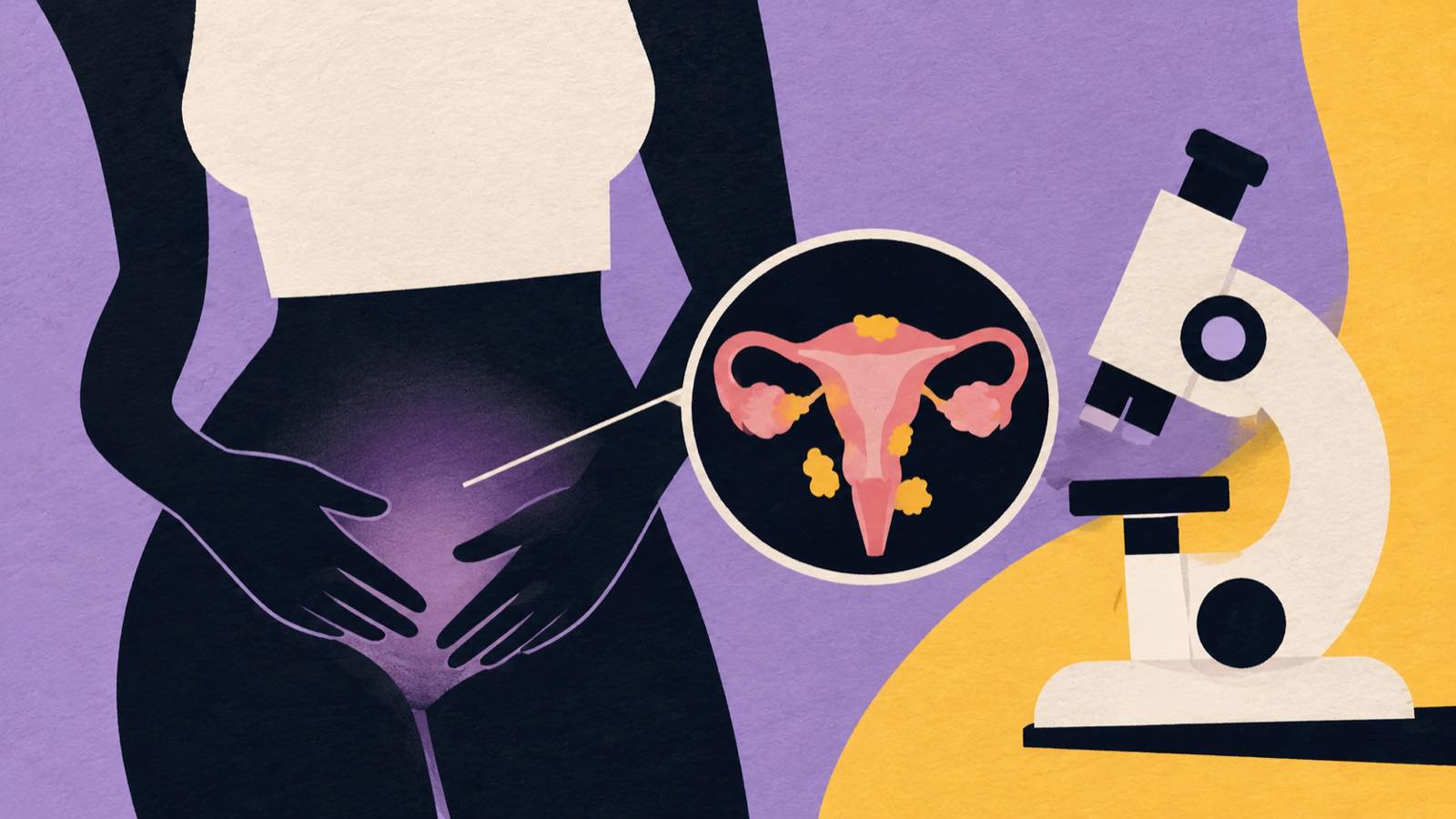

Freezing Your Eggs at 30, 35 or 40: A Guide by Age to Decide When to Preserve Your Fertility
Have you wondered whether it is time to freeze your eggs or whether you can still wait? You are not alone. More and more women consider fertility preservation as a way to give themselves time, and age is one of the pieces that weighs most in that decision.
In this post we explain what changes at 30, 35 and 40, and how advances in embryo selection influence your chances of achieving a pregnancy in the future.
What your biological clock says about your fertility
Unlike other cells in the body, eggs don’t renew themselves. You are born with a set reserve that, over the years, declines in both quantity and quality.
And that change isn’t always noticeable. You can have regular cycles, feel energetic and lead a healthy life while your ovarian reserve follows its own pace. That is why many women are surprised when they discover that their fertility doesn’t depend only on how they feel.
Egg freezing makes it possible to “pause” the age of those cells. An egg vitrified at 32 keeps the characteristics it had at 32, even if it is used years later.
This doesn’t mean freezing is a guarantee of pregnancy. It means you can preserve an opportunity with the quality your eggs have today, while you decide when and how you want to become a mother.
Within reproductive medicine, the age at which eggs are frozen is one of the factors that most influences the results. And understanding what happens at each stage can help you make a clearer decision.
30, 35 or 40: what changes at each stage
There is no “magic” age, but there are important differences between one decade and the next. This guide helps you see where you stand.
At 30: the moment of greatest advantage. Around age 30, most women keep a good ovarian reserve and a high proportion of eggs with a normal chromosomal makeup. This usually translates into a better response to stimulation and more good-quality eggs per cycle. Freezing at this stage can be an option if you want to postpone motherhood or if you have a history that could affect your fertility, such as endometriosis or a low ovarian reserve.
At 35: the turning point. From 35 on, the decline in the number and quality of eggs becomes more pronounced. It is still a good age to preserve, but each year starts to count a little more. At this stage it may be necessary to retrieve more eggs to keep chances similar to those of a younger woman.
At 40: still possible, with clear expectations. After 40, ovarian reserve is usually lower and the proportion of eggs with chromosomal abnormalities increases. That is why, at this age, an individual evaluation is especially important. Sometimes the best option is to preserve eggs; in other cases, it may be better to consider other alternatives within an assisted reproduction treatment. In Ideal Age to Freeze Your Eggs we take a closer look at what really matters in that decision.
Remember that age is a reference and not a verdict. Two women aged 35 can have very different ovarian reserves, and only a test can tell where yours stands.

The younger the egg, the higher the likelihood of obtaining chromosomally normal embryos
From egg to embryo: selection is evolving too
Freezing eggs is only the first step. When you decide to use them, they are warmed, fertilized in the laboratory and, if everything goes well, they become embryos. And that is where another key moment comes in: choosing which one has the best chance of implanting.
For years, this selection was based mostly on morphology, meaning how the embryo looked under the microscope at certain points in time. Today, the way embryos are evaluated has become more complete.
In certain cases, genetic tests such as PGT-A, which analyzes their chromosomal makeup before transfer, can also be used.
What does this mean for you? That better selection can help prioritize the embryos with the most potential.
It is also important to say it clearly: no selection technique can improve the quality an egg already had. Selection helps choose better among the embryos available, but it doesn’t create embryos that don’t exist.
That is why the age at which you freeze remains so relevant. The younger the egg, the higher the likelihood of obtaining chromosomally normal embryos, and the more options the specialists will have when it is time to choose.
There is no perfect age, there is an informed decision
Freezing your eggs is a decision built with information, without pressure or fear.
Some women arrive with a clear plan: they know they want to be mothers, but not now. Others arrive with questions, after listening to a friend or reading something on social media. And some arrive because a medical diagnosis forces them to think about their fertility sooner than expected.
In every case, the first step is the same: knowing your starting point. Tests such as anti-Müllerian hormone and the antral follicle count help estimate your ovarian reserve and calculate how many eggs could be retrieved in a cycle.
With that information, your specialist can help you answer very concrete questions: should I freeze now or can I wait? How many eggs would it be advisable to preserve? What are my realistic chances at my age?
At Ingenes we believe every woman deserves to make this decision with clarity, without rushing and with support. That is why a first consultation can be the starting point for understanding your fertility today and planning the one you want tomorrow.
Frequently asked questions
What is the best age to freeze eggs?
Before 35, when ovarian reserve and the proportion of eggs with a normal chromosomal makeup are usually higher. After 35 it is still possible, but each year counts more and more eggs may need to be retrieved.
How many eggs should I freeze?
It depends on your age and your plans. The older you are, the more eggs it is recommended to preserve to keep chances similar to those of a younger woman. Your specialist calculates it from your ovarian reserve and how many eggs each cycle could yield.
Does freezing eggs guarantee a pregnancy?
No. It preserves eggs with the quality they have today, which improves future chances, but the outcome depends on how many are retrieved, their quality and other factors at the time they are used.
What tests do I need before deciding?
An anti-Müllerian hormone (AMH) measurement and an ultrasound to count antral follicles. Together they estimate your ovarian reserve and how many eggs could be retrieved in a cycle.
Does embryo selection make up for the egg’s age?
No. Techniques such as PGT-A help choose better among the embryos available, but they don’t improve the quality the egg already had or create embryos that don’t exist.
Giving yourself time without giving up your plans
At 30, 35 or 40, freezing your eggs can mean something very valuable: giving yourself time without giving up your plans. The sooner you know your ovarian reserve, the more options you will have to decide.
And although science advances, and embryo selection becomes more precise all the time, one thing doesn’t change: the quality of your eggs today is one of the best investments in your reproductive future.
Deciding with information is worth more than racing against the clock. We know that behind every decision there are dreams, doubts and a personal story.
Sources
- American Society for Reproductive Medicine. Can I freeze my eggs to use later if I'm not sick? (fact sheet). reproductivefacts.org
- Ethics Committee of the American Society for Reproductive Medicine. Planned oocyte cryopreservation for women seeking to preserve future reproductive potential. Fertility and Sterility, 2018. pubmed.ncbi.nlm.nih.gov
- European Society of Human Reproduction and Embryology. Female fertility preservation guideline. eshre.eu