

Egg donation: the most generous act to help another woman become a mom
Every year, thousands of women come to Ingenes looking to become moms and need donated eggs to do it. Your generosity can be the beginning of that story. We walk with you through a safe, ethical, and completely anonymous process.
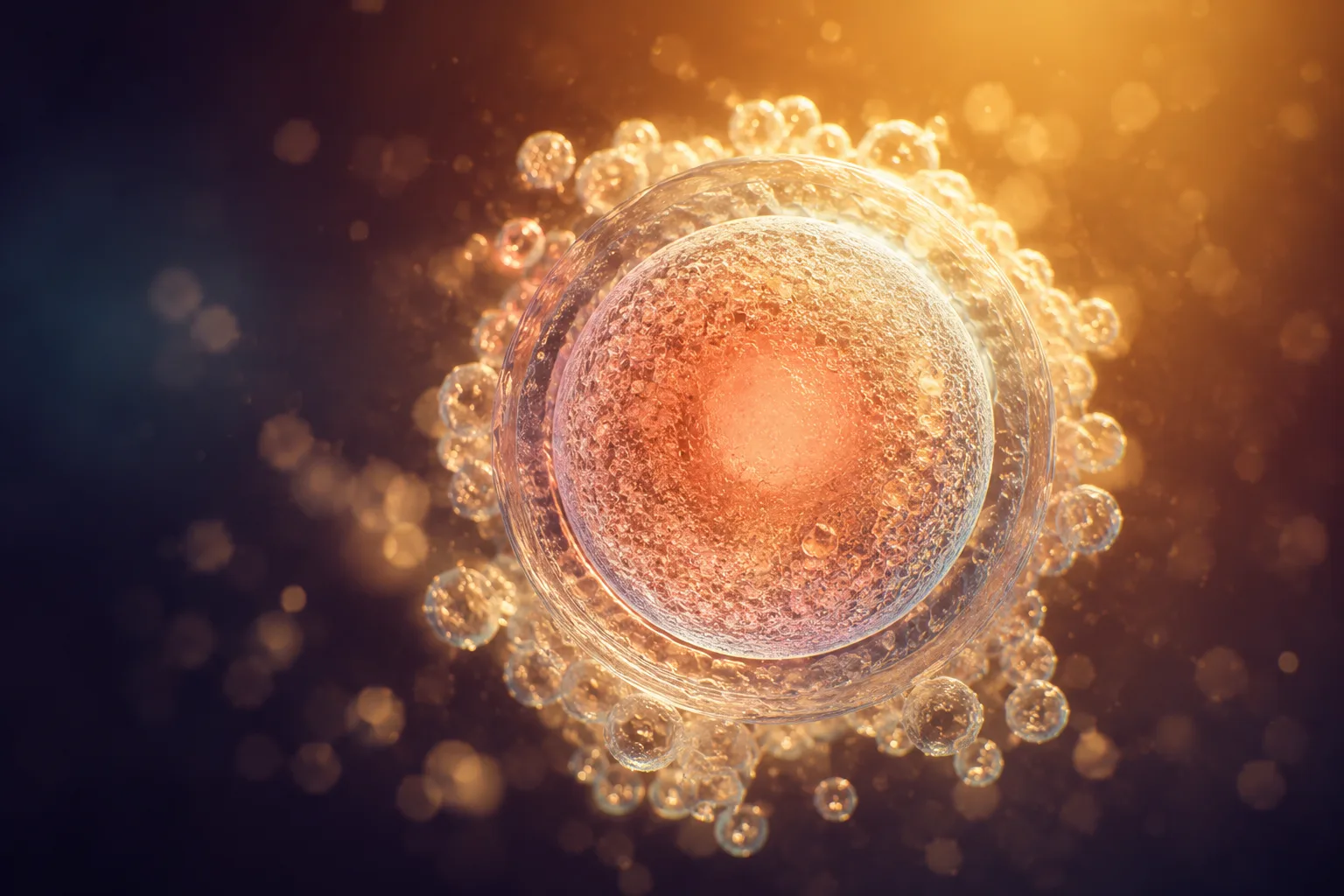
Egg donation or oocyte donation is an altruistic act in which young, healthy women decide to donate their eggs to help other women who cannot conceive with their own. It's an Assisted Reproduction alternative that changes lives.
At Ingenes, through the DonaVida program, we welcome donors with a rigorous, anonymous, and voluntary medical process. Every donated egg represents the real possibility of a baby, a family, a fulfilled dream.
- ~0 million eggs every woman is born with; the rest are lost over time
- 0-32 years ideal age to donate with the best egg quality
- 0% anonymous, voluntary, and altruistic
- +0 years of Ingenes experience supporting donors
What is egg donation and what is it for?
Oocyte donation is a procedure in which a young, healthy woman donates her eggs to another woman or couple who cannot conceive with their own. Donated eggs are used in In Vitro Fertilization (IVF) treatments to create embryos that are then transferred to the recipient's uterus.
It's an essential option for women with low ovarian reserve, early menopause, premature ovarian failure, poor egg quality, history of cancer treatment, heritable genetic alterations, or multiple unsuccessful IVF attempts with their own eggs.
Women are born with approximately 1 million eggs. By puberty, around 375,000 remain. After age 35, quantity and quality drop sharply. That's why egg donation becomes, for many, the safest path to motherhood.

Two stories that meet at DonaVida
Behind every donated egg there are two women: the one who gives with generosity and the one who receives with hope. Both are protagonists.
- Recipient
Who needs donated eggs?
Women who face conditions that prevent them from conceiving with their own eggs and for whom egg donation is the safest path to motherhood.
- Ovary removal
- Early menopause or premature ovarian failure
- Low reserve or poor egg quality
- History of chemotherapy or radiotherapy
- Heritable genetic alterations
- Multiple failed IVF cycles with own eggs
- Donor
Who can donate eggs?
Young, healthy, and voluntary women who meet the medical criteria of the DonaVida program and decide to help others fulfill their dream.
- Between 18 and 32 years old
- Good physical and mental health
- BMI between 20 and 24
- No family history of hereditary diseases
- Non-smoker, no problematic substance use
- Free, informed, and voluntary decision
Your path is unique. So is your plan.
We design a protocol tailored to you after understanding your story and your previous tests. No generic diagnoses or protocols.
A program with medical safety, ethics, and purpose
As Latin America's leading fertility institute, we combine scientific rigor with human support that cares for the donor at every step.
-
Your fertility is not affected
The process uses eggs your body would naturally discard in that menstrual cycle. Your ovarian reserve stays intact and your future ability to become a mom is not compromised.
-
Comprehensive medical support
Complete medical, psychological, and genetic evaluation. Permanent monitoring during ovarian stimulation to prevent Hyperstimulation Syndrome. We care for you before, during, and after the process.
-
Total anonymity
Your identity is kept in strict confidentiality under current legislation. Neither the recipient nor third parties can access your personal information. Your generosity stays protected.
What the donor path looks like at Ingenes
Once accepted into the DonaVida program, the donation process lasts between 4 and 6 weeks. Every stage is supervised by a medical team specialized in assisted reproduction.
- Ovarian stimulation: with supervised hormonal medication we encourage the maturation of multiple eggs in a single cycle (10-14 days).
- Medical monitoring: frequent ultrasounds and hormonal tests to track egg growth and adjust medication.
- Follicular puncture: extraction of mature eggs through an outpatient procedure under sedation, without significant pain (20-30 minutes).
- Recovery: you can return to your activities within a few hours. Some mild discomfort (bloating, cramps similar to menstruation) is normal and passes quickly.
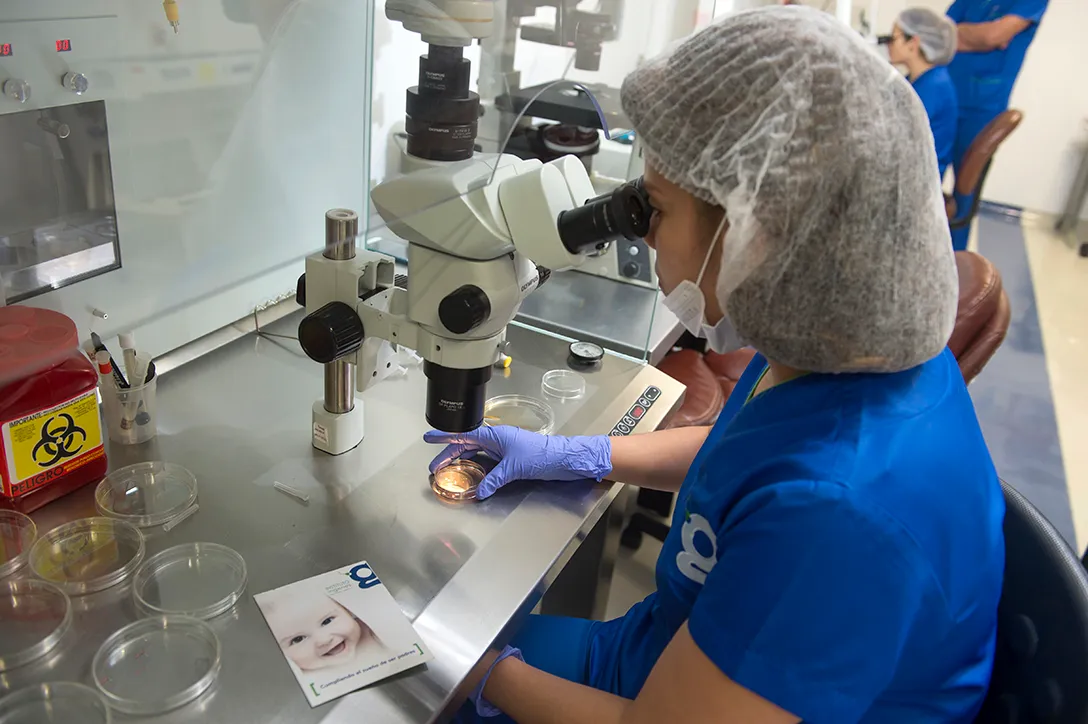
- Vitrification: donated eggs are preserved through cryopreservation, ensuring viability for future use by recipients.
How they are used in the recipient's treatment
Your donation becomes a real pregnancy possibility for another woman. These are the three steps your eggs follow after donation.
-
1. Cryopreservation
Donated eggs are vitrified at -196°C to preserve their cellular quality. They can be stored for years without losing reproductive viability.
-
2. In Vitro Fertilization
When a recipient woman is ready, the eggs are thawed and fertilized in the laboratory with sperm from her partner or donor, generating embryos.
-
3. Transfer to the uterus
The highest-quality embryos are transferred to the recipient's uterus, where the pregnancy that will bring her the long-awaited baby begins (hopefully).
Frequently asked questions about donating eggs
Does donating eggs affect my future fertility?
No. The process uses eggs your body would naturally discard in that menstrual cycle. Each month, your body selects multiple follicles but only one fully matures; the rest are lost. Ovarian stimulation takes advantage of those follicles without touching your background ovarian reserve. Your future ability to become a mom is not compromised.
Is being an egg donor painful?
The process may cause mild discomfort: bloating or cramps similar to menstrual ones, especially during ovarian stimulation. Egg retrieval is done under sedation, without pain during the procedure. Most donors return to normal activities within a few hours.
What's the best age to donate eggs?
Between 21 and 32 years old. In that range, egg quality and quantity is optimal, which increases the chances of success for the recipient. Younger donors also have lower risks of complications during the process.
What disqualifies me from donating eggs?
Family history of serious genetic diseases, infectious diseases (HIV, hepatitis, syphilis), psychiatric disorders, BMI outside the healthy range (20-24), use of drugs or tobacco, piercings or tattoos in the last 12 months, and age over 32. Each case is evaluated individually.
Will the baby have my DNA if I donate my eggs?
Yes, the baby will carry your genetic material because eggs contain DNA. However, you have no legal rights over that baby or legal bond with the recipient family. The process is completely anonymous and confidential under Mexican legislation.
How many eggs do I lose by donating?
None that you wouldn't lose anyway. During a natural cycle, your body selects multiple follicles but only one fully matures; the rest are reabsorbed. Ovarian stimulation allows those follicles that would naturally be lost to mature, we extract them, and your background ovarian reserve stays intact.
Is donation really anonymous?
Yes, completely. Your identity is kept in strict confidentiality under current Mexican legislation. Neither the recipient nor third parties can access your personal information. Compatibility is evaluated by physical and health characteristics, never by identity.
Do I receive any compensation for donating?
Yes, there is compensation that recognizes the time, transfers, care, and possible discomfort of the process. It's not a payment for donated eggs (donation is governed by principles of altruism), but a recognition of the effort and commitment involved.
Do you want to help another woman become a mom?
Apply to the DonaVida program and be part of the thousands of women who every year make someone else's motherhood possible. We walk with you every step with medical safety and complete transparency.
Contact us