

Maternal-Fetal Medicine Unit: your pregnancy in the best hands
Achieving your pregnancy is just the first step. We walk with you through the nine months with a specialized team, advanced imaging technology, and protocols that care for you and your baby at every stage.
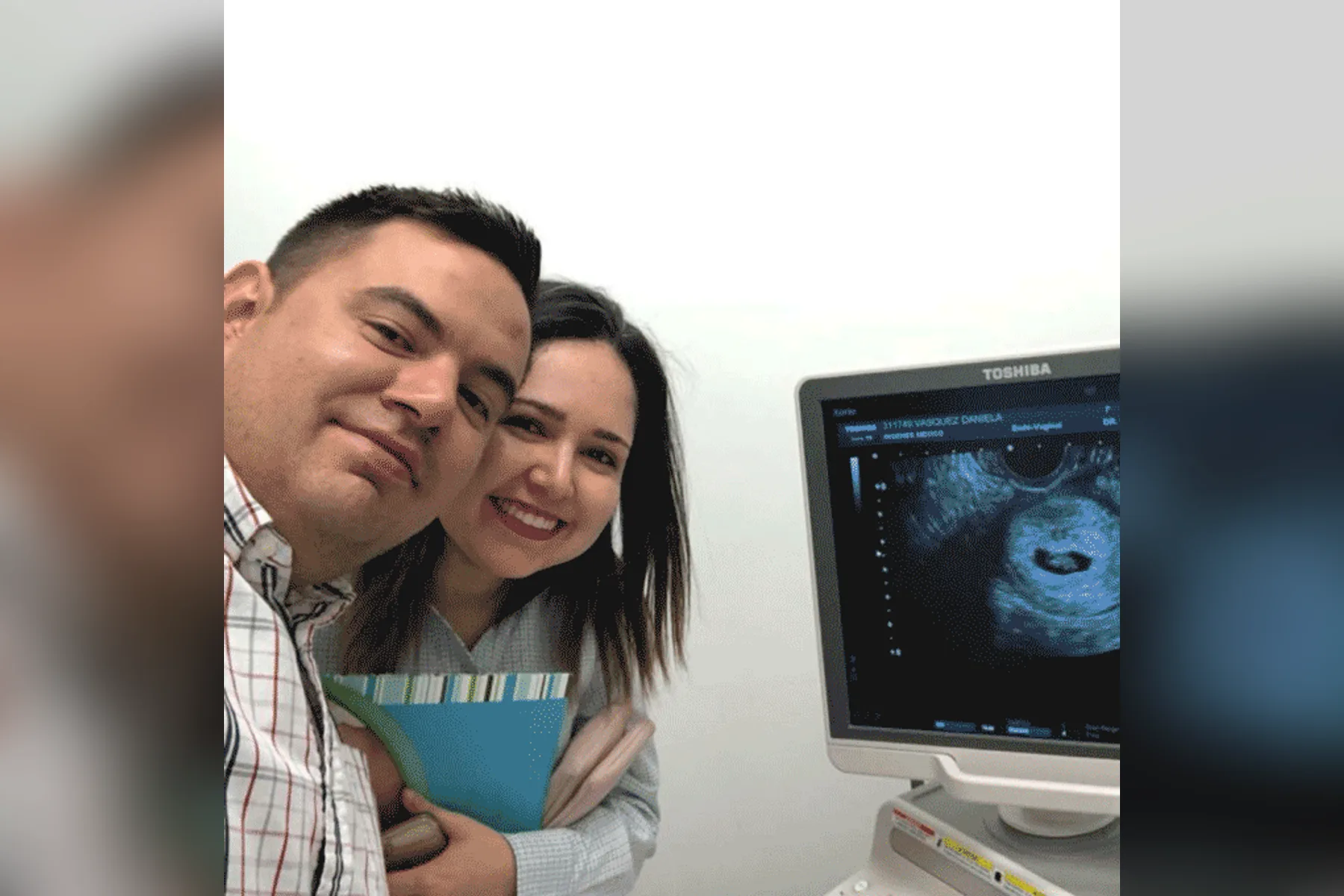
Maternal-Fetal Medicine is the obstetrics-gynecology subspecialty dedicated to caring for pregnancies that require specialized attention: high risk, advanced maternal age, medical history, multiple pregnancies, or complications detected during gestation.
At Ingenes we have our own unit staffed by specialists who completed between 2 and 3 years of subspecialty in maternal-fetal medicine. We use advanced imaging technology and international protocols so you and your baby receive the best care at every stage.
- 0-3 years of maternal-fetal medicine subspecialty training for our specialists
- 0 months of personalized follow-up, from pregnancy confirmation
- +0 babies delivered at Ingenes with comprehensive support
- Mexico only service available exclusively in our Mexican branches
What is Maternal-Fetal Medicine and why it matters?
Maternal-Fetal Medicine (also known as Perinatology) is a specialized branch of gynecology focused on diagnosing, monitoring, and managing complications that may arise during pregnancy, both in the mother and the baby.
A maternal-fetal physician is an obstetrician-gynecologist with additional subspecialty training that prepares them to detect complex conditions such as Down syndrome, placental problems, fetal growth restriction, preeclampsia, or gestational diabetes.
This specialist plays a key role throughout the pregnancy: performs advanced ultrasounds, coordinates genetic tests, monitors fetal development, and manages any complication that appears. Their early intervention is what makes the difference.

Your path is unique. So is your plan.
We design a protocol tailored to you after understanding your story and your previous tests. No generic diagnoses or protocols.
Three reasons to be accompanied by an MFM specialist
Whatever your situation, having a maternal-fetal team significantly increases the chances of a healthy pregnancy and birth.
-
Early detection
Complications detected early can be treated or managed successfully in the vast majority of cases. Advanced imaging technology and specialized protocols allow identifying signs that general gynecology doesn't always catch.
-
High-risk management
If your pregnancy is considered high risk (advanced maternal age, medical history, multiple gestation, previous medical conditions), maternal-fetal care is essential. A specialized team can prevent and manage critical complications like preeclampsia.
-
Peace of mind and confidence
Knowing you have an expert team, cutting-edge technology, and a personalized plan for your pregnancy lets you live this stage with less anxiety and more enjoyment. For you, your partner, and your whole environment.
Is a pregnancy achieved with fertility treatment riskier?
Not necessarily. Having achieved your pregnancy through Assisted Reproduction treatment doesn't mean it's high risk per se. The factors that make a pregnancy risky depend on other variables: maternal age, medical history, genetics, and lifestyle habits of both.
It is true that many patients who come to Ingenes for fertility treatments have profiles that warrant maternal-fetal follow-up: age over 35, multiple pregnancies (more frequent in IVF), history of previous losses, or conditions that caused infertility. That's why we integrate the MFM Unit into the program: so your pregnancy, no matter how you achieved it, is in the best hands.
- If you're over 35: more frequent follow-up from the first trimester
- Multiple pregnancy (twins or more): mandatory specialized protocol
- History of miscarriages: continuous monitoring throughout the pregnancy
- Previous conditions (diabetes, hypertension, autoimmune): coordinated management with your treating physician
- Preimplantation Genetic Diagnosis: provides valuable information for prenatal follow-up

Perinatal Center with advanced technology
We combine specialists with MFM subspecialty training, latest-generation fetal imaging technology, and protocols designed for each patient profile.
- Technology
Advanced fetal imaging
High-resolution ultrasounds and specialized imaging tools that allow evaluating fetal health and anatomy in detail.
- High-precision 3D and 4D ultrasound
- Doppler to evaluate placental blood flow
- Early detection of chromosomal alterations
- Fetal growth tracking each trimester
- Specialized team
Regional Perinatal Center
Reference in specialized care for high-risk pregnancies, with a multidisciplinary team dedicated to your case.
- Specialists with accredited MFM subspecialty
- Coordination with geneticists and neonatologists
- Comprehensive management from diagnosis to birth
- Emotional support throughout the process
Visit frequency during your pregnancy
The schedule varies depending on the pregnancy stage and the risk factors of each patient. Your specialist defines a personalized plan for your case.
-
Month 1 to 6
One monthly consultation. The first three months are crucial for fetal development, so we recommend booking your first appointment as soon as you confirm the pregnancy.
-
Month 7 and 8
One consultation every two weeks. In this period the follow-up intensifies to detect signs of preterm labor, fetal position, and maternal wellbeing.
-
Month 9
Weekly consultations. The last month requires close monitoring to evaluate fetal maturity, position, amniotic fluid, and plan the birth safely.
Frequently asked questions about Maternal-Fetal Medicine
What does a maternal-fetal specialist do that a regular OB/GYN doesn't?
The maternal-fetal specialist is an obstetrician-gynecologist who completed an additional 2 to 3 years of subspecialty focused on complex pregnancies. They have specific training to detect and manage conditions like Down syndrome, placental problems, fetal growth restriction, preeclampsia, and gestational diabetes. They are also trained to perform and interpret advanced ultrasounds and coordinate prenatal genetic testing.
When should I start maternal-fetal follow-up?
We recommend booking your first appointment as soon as you confirm the pregnancy, ideally in the first trimester. This period is critical for fetal development and for establishing a personalized prenatal care plan. If your pregnancy was achieved with Assisted Reproduction treatment, follow-up naturally starts at the same moment of beta hCG confirmation.
Is my pregnancy high risk because of IVF?
Not necessarily. IVF itself doesn't make your pregnancy high risk. Other factors that often coexist in fertility patients can: age over 35, history of previous losses, multiple pregnancy, previous medical conditions. Your specialist evaluates your individual case to determine the level of follow-up you need.
Do you handle twin or multiple pregnancies?
Yes. Multiple pregnancies are a clear indication for maternal-fetal follow-up, since they imply higher risk of preterm labor, preeclampsia, growth restriction, and other complications. We have specific protocols and experience with twin gestation, common in IVF patients.
What happens if a complication is detected during pregnancy?
One of the great advantages of MFM follow-up is precisely early detection. Most complications, identified early, can be treated or managed successfully. The team coordinates with other specialists (geneticists, neonatologists, others) and designs a plan adapted to your case to protect your health and the baby's.
Do you do 3D and 4D ultrasounds?
Yes. Our unit has advanced fetal imaging technology, including high-resolution 3D and 4D ultrasounds, Doppler to evaluate placental flow, and tools for early detection of anatomical or chromosomal alterations. These images not only provide medical precision: they're also a precious experience to meet your baby before birth.
How is delivery coordinated with my gynecologist or hospital?
Our maternal-fetal team accompanies the entire pregnancy and coordinates birth planning with your primary gynecologist and the hospital of your choice. The transition from prenatal care to delivery room is done with all clinical information organized so the team receiving your baby has the complete context.
Is the service available in all branches?
The Maternal-Fetal Medicine Unit is a service exclusive to our Mexican branches. If you live outside Mexico and your pregnancy was achieved with an Ingenes treatment, your specialist will guide you on how to coordinate maternal-fetal follow-up with professionals in your city.
Your pregnancy deserves the best follow-up
Book your first consultation with our Maternal-Fetal Medicine Unit. We walk with you from the first trimester to birth, with advanced technology and a dedicated team.
Contact us