

In Vitro Fertilization with
PICSI
PICSI (Physiological Intracytoplasmic Sperm Injection) biologically selects the sperm that the egg would naturally choose. An extra layer of precision when ICSI needs to be refined.
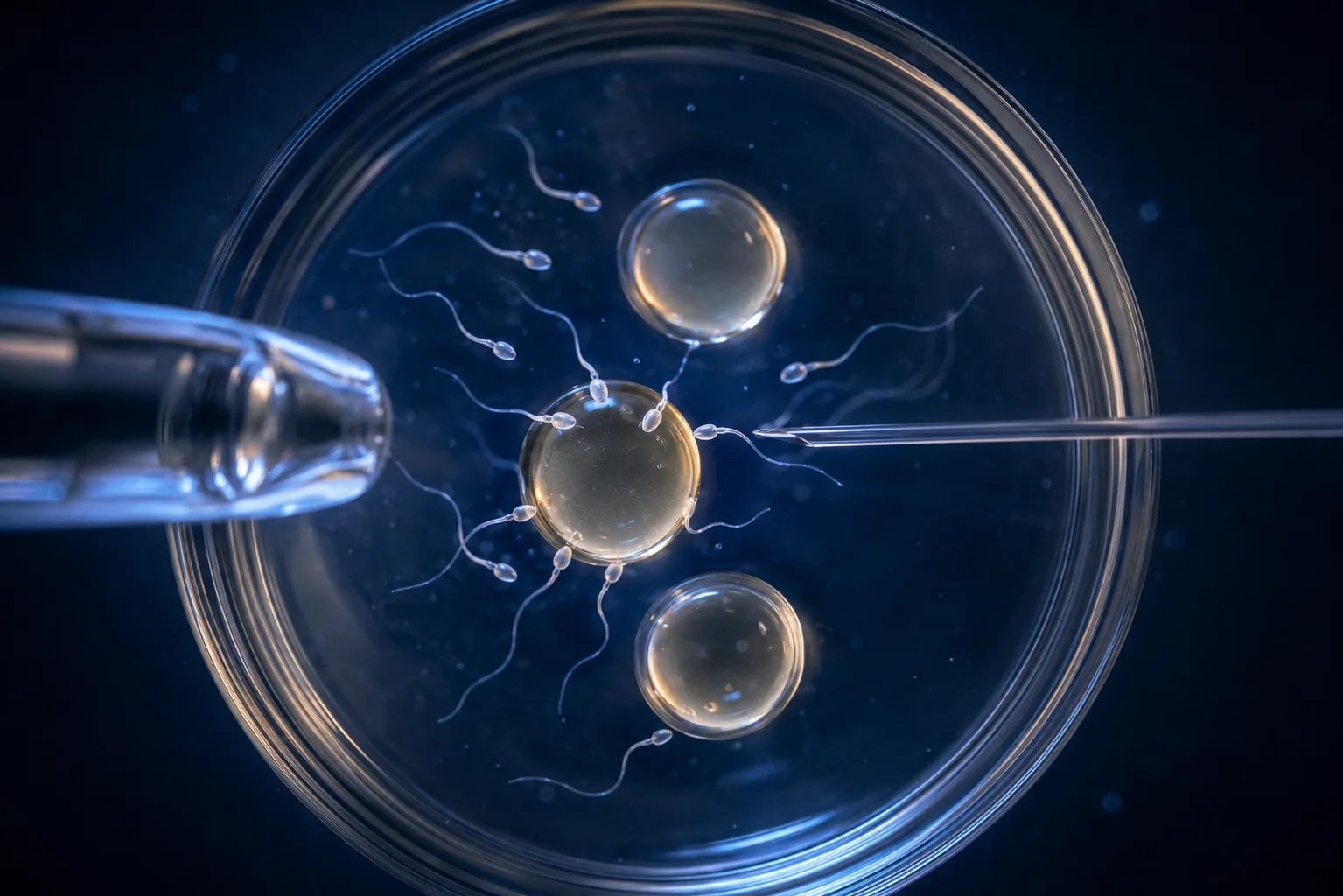
PICSI (Physiological Intracytoplasmic Sperm Injection) is an ICSI variant that takes sperm selection one step further. Instead of choosing the sperm visually under a microscope, the egg chooses it through hyaluronic acid in a culture dish, the same way it would in natural conditions.
This means the sperm being injected does not just look good: it is biologically mature and has the right receptors. The difference is between visual selection and functional selection.
At Ingenes we apply PICSI inside the comprehensive IVF plan when the case requires it, with embryologists specialized in male factor and precision microinjection technology.
- 0% Biological sperm selection
- +0 Years refining microinjection
- Up to 0% Multi-cycle success rate
Three differences that change the outcome
-
Selection by biological criteria
In classic ICSI the embryologist picks the sperm by its shape and motility. In PICSI, hyaluronic acid does the picking, the same substance that surrounds the egg in nature. Only mature sperm bind to it.
-
Hyaluronic acid microdroplets
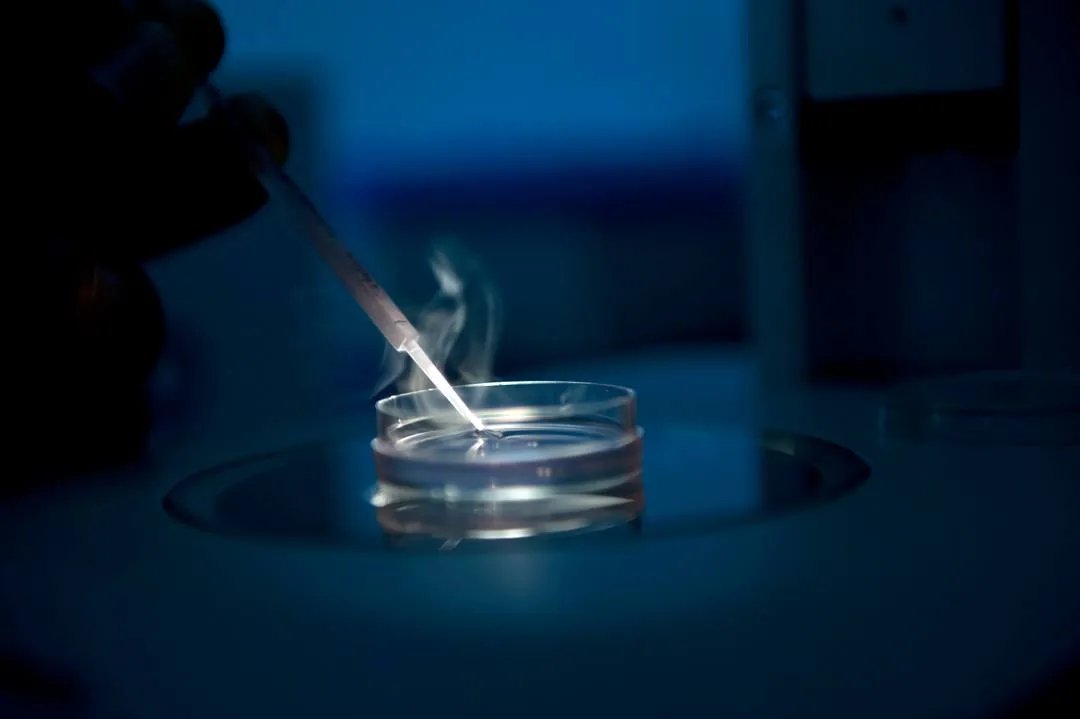
The sterile dish holds three hydrogel microdroplets. Sperm with functional receptors stick to them. That filters those with intact DNA and discards the immature ones.
-
Embryos with higher potential
Starting from a biologically fit sperm, the resulting embryos have better genetic quality. That reduces miscarriage risk and increases the chances of healthy implantation.
PICSI: when nature chooses for you
In natural fertilization, sperm must cross the cumulus oophorus, the cell layer surrounding the egg. That layer is mostly made of hyaluronic acid. Only mature sperm, with intact membranes, manage to bind and move forward.
PICSI replicates that biological filter in the lab. It places hyaluronic acid microdroplets in a dish, lets the processed sperm sample in, and observes which sperm bind. Those are the candidates for microinjection. The embryologist picks the best one and injects it into the egg, just like in ICSI.
PICSI adds value when there is complex male factor or previous failures
-
High sperm DNA fragmentation
When sperm DNA is damaged, PICSI biologically selects the few sperm with intact membranes, the ones most likely to carry healthy DNA.
-
Repeated ICSI failures
If you have already tried ICSI without fertilization or with poor-quality embryos, PICSI adds an extra filter that often unblocks previously stuck cases.
-
Previous miscarriages
By selecting mature sperm with intact DNA, PICSI helps reduce the miscarriage risk linked to male factor in couples with previous losses.
-
Teratozoospermia (abnormal morphology)
When most sperm have irregular shape, PICSI allows finding the few competent ones through biological criteria, not just appearance.
-
Advanced paternal age
With age, sperm DNA fragmentation rises. PICSI helps filter sperm with better preserved genetic integrity.
-
Previous poor embryo quality
When embryos in past cycles showed slow development or arrested, PICSI improves the male input and that directly affects embryo quality.
Your path is unique. So is your plan.
We design a protocol tailored to you after understanding your story and your previous tests. No generic diagnoses or protocols.
One extra step, within the same IVF cycle
PICSI is applied inside the conventional In Vitro Fertilization process. Ovarian stimulation, egg retrieval, and embryo transfer are the same. What changes is the moment of selecting the sperm to inject.
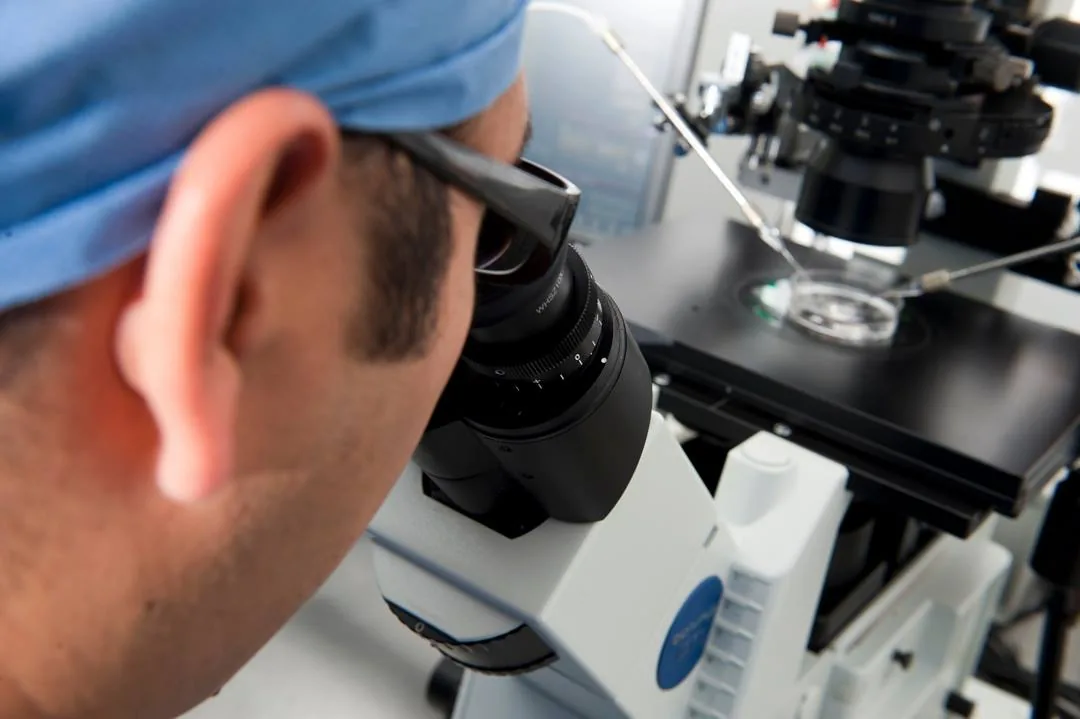
The embryologist prepares the dish with three hydrogel microdroplets of hyaluronic acid. The processed sperm sample is placed near each droplet, and the embryologist observes which sperm bind biologically. Only those move forward to the next step: microinjection into the egg, exactly as in ICSI.
The rest of the cycle continues: embryo culture, transfer, and two weeks of waiting until pregnancy is confirmed. PICSI adds precision without significantly extending the treatment.

Up to 96% cumulative success
The Multi-Cycle Programs include between 2 and 4 IVF cycles with the technique your case requires, ICSI or PICSI. Between attempts the team reviews the result and adjusts protocols for the next.
That persistence with data raises cumulative success up to 96%. The difference is between trying and resolving, especially in complex male factor where a single attempt is rarely enough.
See Multi-Cycle Programs
Frequently asked questions about PICSI
What is the difference between ICSI and PICSI?
ICSI selects the sperm visually, based on its shape and motility under a microscope. PICSI adds a biological filter: only the sperm that successfully bind to the hyaluronic acid in the dish are chosen, the same way they would do facing a real egg. That functional selection improves the quality of the injected sperm.
When is PICSI preferred over ICSI?
PICSI adds value when there is high sperm DNA fragmentation, repeated ICSI failures, previous miscarriages linked to male factor, severe teratozoospermia, or advanced paternal age. In those cases, biological selection reduces the chance of injecting a sperm with hidden problems not visible under a microscope.
How does the hyaluronic acid work?
Hyaluronic acid is the main component of the layer surrounding the egg in nature. Only mature sperm, with functional receptors on their membrane, manage to bind to it. PICSI uses the same principle in the dish: sperm that stick to the hydrogel are the biologically competent ones.
Does PICSI make the treatment longer?
Not significantly. PICSI is done on the same day as the ICSI procedure, it only adds a few minutes of biological selection at the lab. The stages of ovarian stimulation, egg retrieval, embryo culture and transfer are identical to a conventional IVF with ICSI.
What success rates does PICSI have?
Rates depend on the clinical case, the woman's age, and the specific male factor. In general, PICSI improves classic ICSI results in cases with high DNA fragmentation, previous miscarriages, or fertilization failures. In an Ingenes Multi-Cycle Program, cumulative success reaches up to 96%.
Are there additional risks?
No additional risks compared to conventional ICSI. The procedure on the egg is the same (the microinjection). What changes is only the way of choosing the sperm before injecting it. Medication, retrieval, and transfer do not change either.
Looking for more precision than traditional ICSI?
PICSI biologically selects the best sperm, not just by appearance. We will tell you whether this is the right technique for your case at the First Consultation.
Contact us