

Sperm Selection with
ZyMōt™
ZyMōt™ selects sperm by mimicking the natural journey toward the egg. No centrifugation, less DNA damage. At Ingenes we use it to bring the best possible sample into the lab.
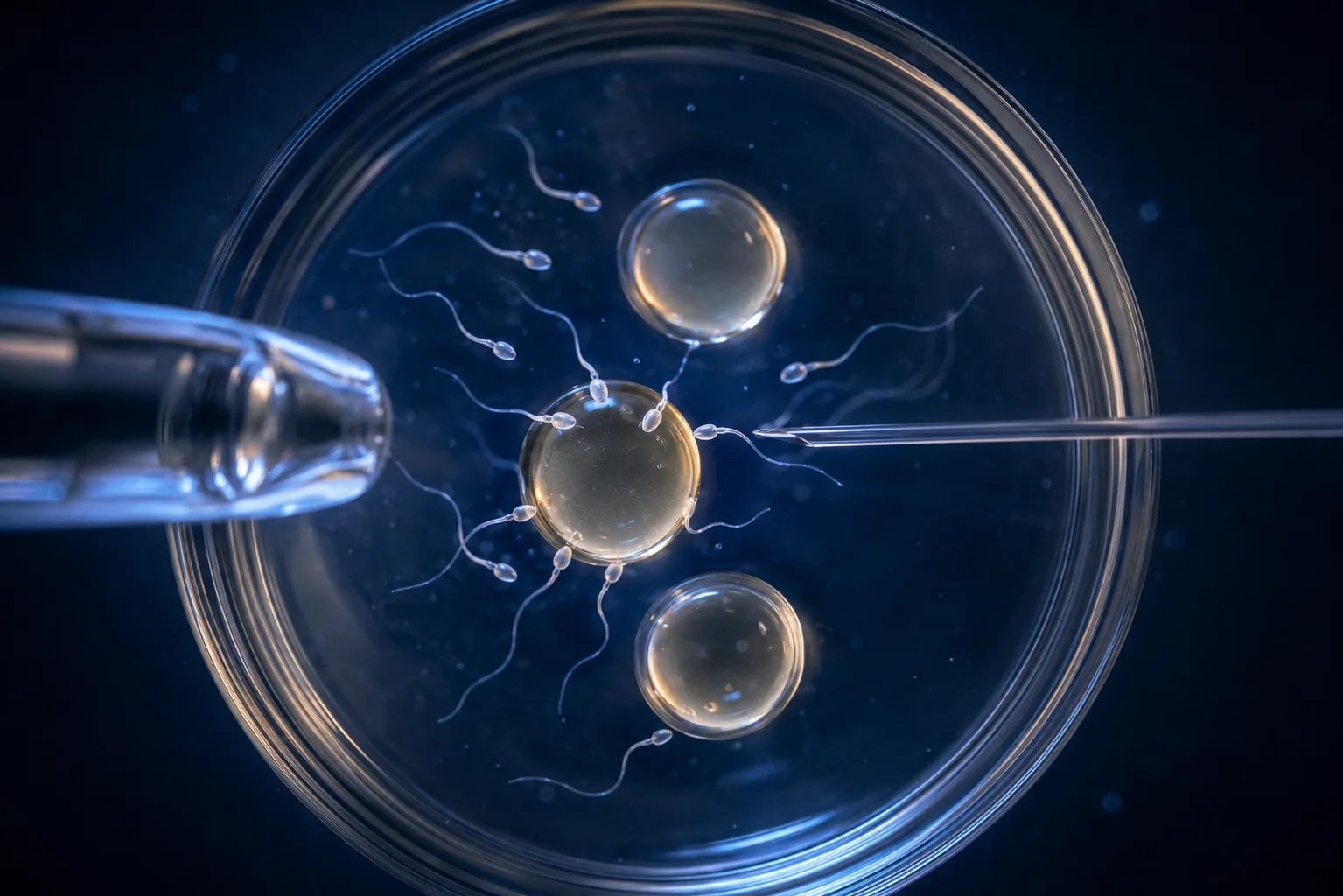
ZyMōt™ is a microfluidic device that selects sperm without centrifuging the sample. Instead of separating cells by weight, it lets the best ones swim through a membrane with 8 micron pores on their own, the same way they cross cervical mucus on the way to the egg.
The sperm that reach the other side are the ones that move well and keep their DNA intact. The ones left behind are precisely the ones you would not have wanted to use.
At Ingenes we apply it in cases where sperm DNA quality may be limiting the outcome, within the comprehensive plan your physician defines.
- 0 microns Selective membrane pore size
- 0 min Incubation, no centrifugation
- 0 FDA cleared
The best ones swim through
The standard way to prepare a semen sample is density gradient centrifugation: the sample is spun at high speed and sperm separate by weight. It works, but it subjects the cells to mechanical force and oxidative stress that can damage their genetic material right before they are used.
ZyMōt™ skips that step entirely. The sample enters a lower chamber, clean culture medium sits above it, and a microporous membrane separates the two. Over thirty minutes, progressively motile sperm swim upward and cross. The embryologist collects only those that made it.
It is the same principle nature applies: the sperm that reaches the egg is the one that could make the journey.
Your path is unique. So is your plan.
We design a protocol tailored to you after understanding your story and your previous tests. No generic diagnoses or protocols.
Three differences from the conventional method
-
No centrifugation
It removes the mechanical force and oxidative stress that come with spinning the sample at high speed, which is where much of the DNA damage during preparation occurs.
-
Selection by actual capability
What crosses the membrane is the sperm that genuinely swims well, the closest available signal of its biological competence. Density and appearance stay out of the equation.
-
Less handling
The process is closed and takes about five minutes of embryologist time plus half an hour of incubation. Fewer steps means fewer chances to degrade the sample.
Lower sperm DNA fragmentation
A systematic review published in Biology in 2025, pooling 39 studies, found that microfluidic techniques reduce sperm DNA fragmentation by roughly 10 percentage points compared with conventional methods. It also measured higher clinical pregnancy and live birth rates.
That figure deserves a precise reading: the authors themselves note variability across studies and recommend reserving microfluidics for specific cases rather than applying it routinely to every patient. That is exactly the position we follow.
So ZyMōt™ does not replace density gradient in every treatment. Your physician indicates it when there is a clinical reason to.
When ZyMōt™ makes sense
-
Elevated DNA fragmentation
When fragmentation testing shows high values, selecting sperm with intact DNA stops being a detail and becomes decisive.
-
Previous implantation failure
Embryos that looked good and did not implant. Male factor at the genetic level is one of the causes worth ruling out.
-
Recurrent pregnancy loss
Sperm DNA damage is associated with recurrent miscarriage, so better selection can change the outlook for the next attempt.
-
Fertilization failure in IVF
Previous cycles where eggs did not fertilize, or fertilized below what was expected.
-
Compromised semen quality
Reduced motility or altered morphology, where the margin for selection is narrow and every sperm counts.
-
Advanced paternal age
Sperm DNA integrity declines with the years, even when the semen analysis stays within normal ranges.
Where it fits within your treatment
ZyMōt™ works as a sample preparation step within a broader treatment. It happens on retrieval day, before In Vitro Fertilization or ICSI.
Your physician indicates it based on the semen analysis and, where appropriate, DNA fragmentation testing. If it adds value in your case, it fits in without altering the rest of the cycle calendar.
It works well alongside other laboratory decisions, such as preimplantation genetic testing, which evaluates the embryo once formed. One protects the starting point and the other confirms the result.

Frequently asked questions about ZyMōt™
What exactly is ZyMōt™?
It is a single-use device that separates sperm through microfluidics. The semen sample is placed in a chamber and sperm with good motility cross a membrane with 8 micron pores into clean culture medium. Only those that crossed are collected. It received FDA clearance in 2018 and CE certification in 2024.
How is it different from the standard method?
Density gradient separates sperm by centrifuging the sample, which applies mechanical force and generates oxidative stress. With ZyMōt™ the sperm swim across on their own. That difference translates into less DNA fragmentation in the sample that ends up being used.
Does it hurt or involve an extra procedure for me?
No. Nothing changes for you. It is a step that happens entirely in the laboratory, with the sample already collected. It adds no tests, no appointments and no time to your treatment calendar.
Does it guarantee pregnancy?
No, and be wary of anyone who promises that. It improves the quality of the sample entering the procedure, which is one factor among several. Egg age, endometrial receptivity and embryo quality still carry weight in the outcome.
Is it suitable for every patient?
The evidence supports its use in specific cases: elevated DNA fragmentation, previous failures, recurrent miscarriage or compromised semen quality. Studies recommend reserving it for those indications rather than applying it routinely, and that is how we indicate it.
Can it be used with a frozen sample?
Yes. It works with both fresh samples and cryopreserved sperm, whether your own or from a donor. In thawed samples, where motility usually drops, careful selection matters even more.
How do I know if I need it?
From the semen analysis and, if your physician considers it, sperm DNA fragmentation testing. Both are reviewed in your First Consultation, and that is where it is decided whether it adds value in your case.
Where the figures on this page come from
The figures on DNA fragmentation and clinical outcomes come from peer-reviewed literature, not from manufacturer materials. You can read them directly:
Gisbert Iranzo A. et al. Sperm Selection Using Microfluidic Techniques Significantly Decreases Sperm DNA Fragmentation: A Systematic Review and Meta-Analysis. Biology, 2025. A review of 39 studies. Read the study on PubMed Central
Clinical validation and experiences of the microfluidics sperm selection device ZyMōt for standard IVF. PubMed Central. Read the clinical validation
CooperSurgical. Device datasheet, with specifications and regulatory clearances. See the manufacturer datasheet
Have you had cycles that did not progress?
If sperm DNA is behind those results, there are techniques that change the starting point. We will walk you through it in your First Consultation.
Contact us