

Epigenetics and Fertility: How Your Lifestyle Influences Egg and Sperm Quality
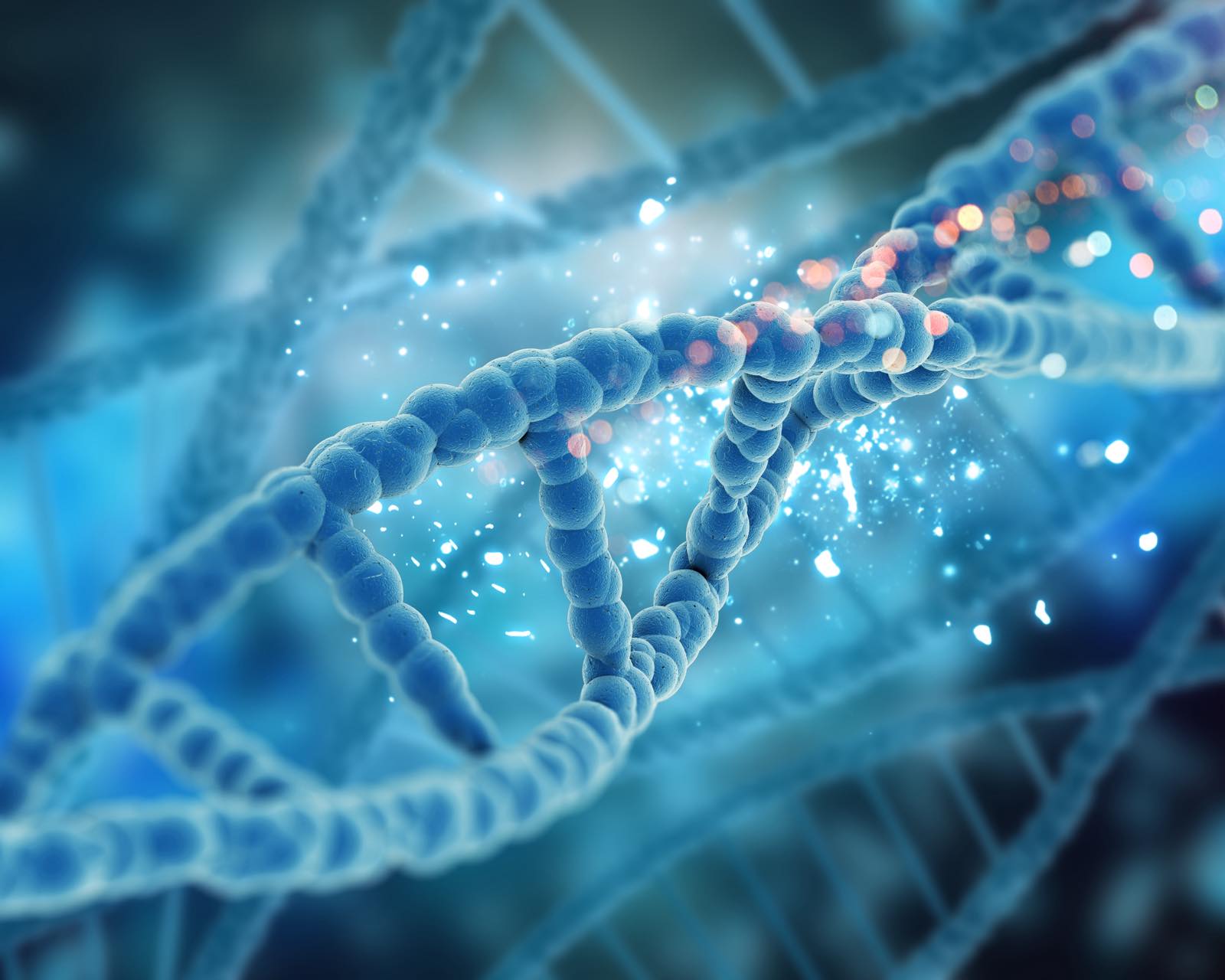
For years, fertility was believed to depend only on age, genetics, or an underlying medical condition. Science from the past decade added a piece that changes the picture considerably: epigenetics.
The term sounds complicated, but the idea is simple. Epigenetics studies how your environment and your habits modify the way your genes are expressed, without touching the DNA itself. Your genes carry the information you inherited from your parents. What you do every day influences how that information gets used.
Applied to fertility, this opened a new way of understanding why some people show changes in egg or sperm quality with no genetic condition behind it. And it brought good news: many of those factors can be modified.
What epigenetics is, without the jargon
Genetics defines the information you inherited. Epigenetics studies the mechanisms that decide when a gene switches on and when it stays off.
Picture a panel of switches. All the genes are there. What changes is which ones are on, how strongly, and at what moment, depending on the conditions your body lives in.
These are the signals that most influence that panel:
- Nutrition
- Sleep quality
- Physical activity
- Sustained stress
- Tobacco
- Excessive alcohol consumption
- Environmental pollution
- Metabolic health
Hence the conclusion that matters most: your reproductive health does not depend solely on what you were born with, but also on the decisions you make along the way.
What this has to do with your eggs and sperm
Eggs and sperm are highly specialized cells. Their development requires precise biological processes that depend on both genetic information and several epigenetic mechanisms.
When one of those mechanisms is altered, changes can appear that affect cell quality. This does not mean you cannot have a baby. It can, however, influence:
- Egg quality
- Sperm quality
- Embryo development
- Implantation
- How the first weeks of pregnancy progress
A 2025 review published in Clinical Epigenetics gathered the available evidence on sperm and found that diet, obesity, tobacco, stress, and exposure to endocrine disruptors leave measurable epigenetic marks, and that those marks are associated with fertilizing ability and early embryo development.
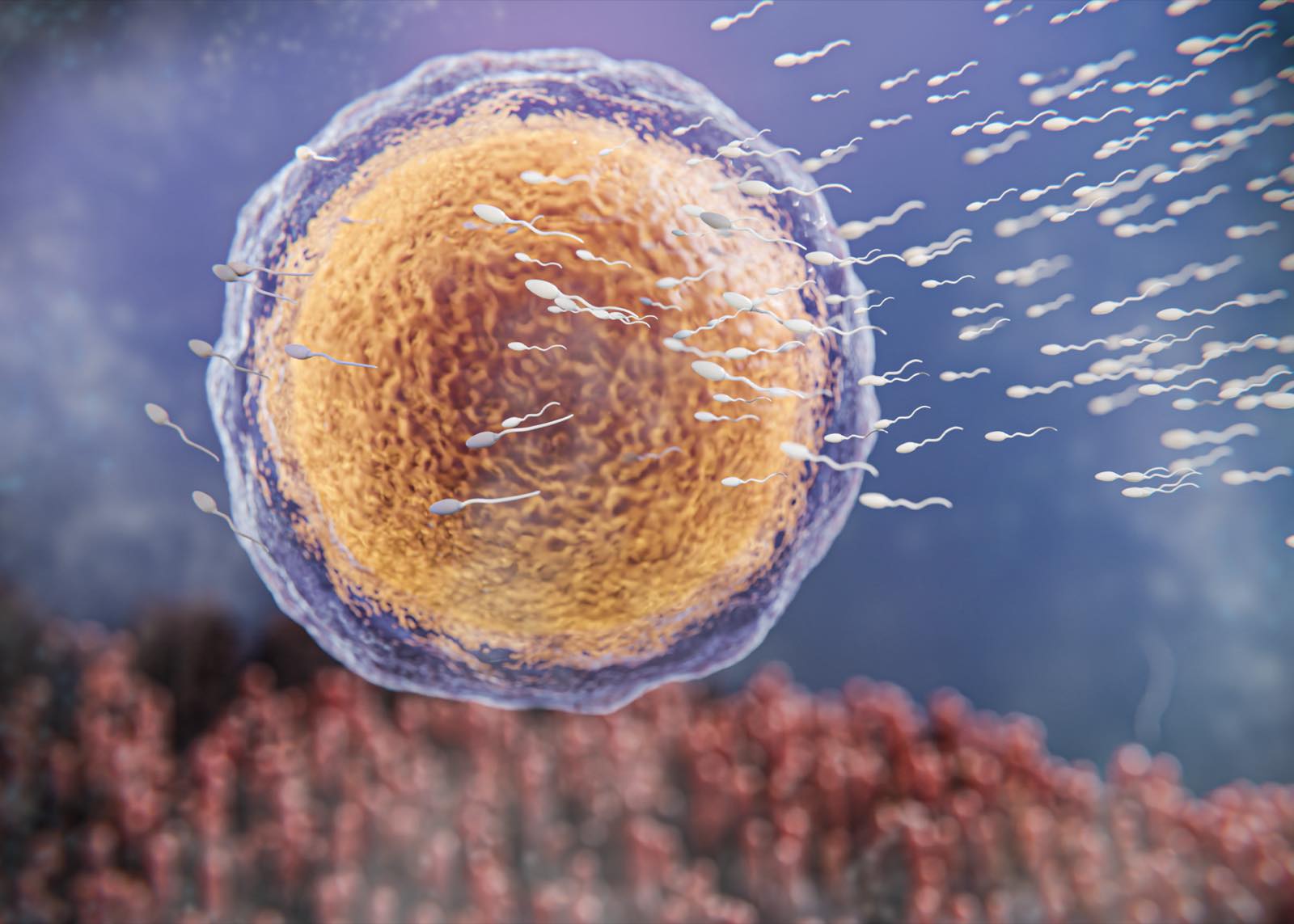
The quality of both cells responds to the environment in which they formed
Nutrition sends information to your cells
Nutrition is among the factors with the greatest weight on epigenetics. Your cells need vitamins, minerals, antioxidants, proteins, and healthy fats to function properly.
When nutrition stays unbalanced for long periods, metabolic changes appear that end up affecting cellular function. The reverse holds too: eating well supports a healthier environment for the production of eggs and sperm.
A word on what this does not mean. There is no diet that guarantees a pregnancy. What does exist is evidence that nutrition is part of the comprehensive care of your reproductive health.
If you want to separate what genuinely matters from what is just a myth, we cover it here: Nutrition and Fertility: What Really Matters and What’s Just a Myth.
Sustained stress also leaves a mark
Stress is part of life. The problem shows up when it lingers for months, because it generates hormonal and metabolic changes that reach several systems in the body.
Various studies have observed that chronic stress is associated with epigenetic changes that alter cellular processes. In fertility, that sparked growing interest in understanding how emotional well-being indirectly influences reproductive health.
That is why fertility today is approached from a comprehensive perspective that also accounts for mental and emotional health. We wrote a piece that helps you recognize the signs: Fatigue, Stress, and Difficulty Getting Pregnant: When the Body Enters Survival Mode.
Sleeping well is taking care of your fertility
Sleep is one of the most important processes for cellular repair. While you sleep, your body regulates hormones, controls inflammatory processes, and takes part in metabolism.
Consistently getting too few hours disrupts all of that and encourages hormonal imbalance. Rest alone does not determine your fertility, but it is part of the habits that sustain your body’s proper functioning.
Movement helps more than it seems
Regular exercise has well-known benefits for the heart and metabolism. It also contributes to hormonal balance, improves insulin sensitivity, and lowers inflammation. All of that builds a more favorable biological environment.
Sustaining an active lifestyle consistently is what actually moves the needle, far more than a few weeks of extreme training.
Metabolic health and fertility go hand in hand
In recent years, reproductive medicine has paid far closer attention to metabolism. Insulin resistance, obesity, and metabolic syndrome modify cellular processes, including epigenetic mechanisms. And they affect both women and men.
That is why metabolic evaluation is now part of the assessment for many patients trying to have a baby: understanding overall health makes it possible to design far more personalized strategies.
We explain this link in depth in Insulin Resistance and Fertility: The Metabolic Link Many Couples Don’t Know About.
Sperm quality responds to lifestyle
For a long time, fertility was treated as the woman’s concern. Today we know male factors are involved in roughly half of all infertility cases.
Here is a detail worth its weight in gold: sperm production takes about three months. Within that window, nutrition, tobacco, alcohol, stress, pollution, and overall lifestyle influence how they develop. In other words, there is a concrete timeframe in which changes in habits can show up.
Epigenetics made it possible to better understand how those factors modify sperm quality without directly altering genetic information. That is why more specialists now recommend that both partners prepare their health before trying to conceive, not just her.
If the topic interests you, we expand on it here: Male Fertility in 2026: Why Sperm Alterations Are on the Rise.
Eggs also respond to their environment
Women are born with a set ovarian reserve. That does not mean every egg keeps exactly the same quality throughout life.
Age remains the factor with the greatest weight, and no habit reverses it. But the metabolic and hormonal environment in which those eggs mature also influences how they function. Maintaining healthy habits becomes an ally in protecting reproductive health.
The ground you can act on is a different one: giving your body the best possible conditions within what actually depends on you.
Can epigenetics be modified?
This is the most hopeful part: many epigenetic mechanisms are dynamic. Some lifestyle-related changes can be reversed over time.
Adopting healthier habits does not change your DNA. What can change is the way certain genes are expressed.
With honesty up front: this guarantees no results and does not replace specialized medical care. What it does show is that caring for your health can begin long before starting fertility treatment, and that every daily decision adds up toward a more favorable environment.
Frequently asked questions
How long does it take to see the effect of changing habits?
For men there is a clear reference point: the sperm production cycle lasts about three months, so that is the window in which changes can begin to show. For women there is no single timeframe, because it depends on what is being modified (weight, metabolic control, rest).
Can I improve my egg quality through habits?
Habits do not increase your ovarian reserve or reverse age. What they can do is improve the metabolic and hormonal environment in which those eggs mature. It is a real contribution, with real limits.
Does this replace fertility treatment?
No. It complements it. Taking care of your lifestyle improves general conditions, but if there is an underlying medical cause, it needs diagnosis and treatment.
How do I find out where I stand today?
With an assessment that looks at your reproductive, hormonal, and metabolic health together. A diagnosis does not commit you to starting anything: it exists to give you information so you can decide calmly.
At Ingenes, fertility begins long before treatment
Every patient arrives with a different story, and fertility never depends on a single factor. That is why we promote a comprehensive evaluation that considers reproductive, hormonal, metabolic, and overall health.
Reproductive medicine today makes it possible to build personalized strategies, backed by highly specialized technology, precision diagnostics, and a multidisciplinary team that works from scientific evidence.
If you are planning to have a baby or want to understand your reproductive health better, a First Consultation can help you understand which factors are at play in your case and decide with information in hand.
Because understanding fertility also means understanding everything that influences it. And today we know your lifestyle is part of that story.
Sources
- World Health Organization. Infertility. Fact sheet, May 2024. who.int
- Clinical Epigenetics. How do lifestyle and environmental factors influence the sperm epigenome? Effects on sperm fertilising ability, embryo development, and offspring health, 2025. pubmed.ncbi.nlm.nih.gov
- American Society for Reproductive Medicine. Optimizing Natural Fertility. Patient fact sheet, revised 2023. reproductivefacts.org
- U.S. National Library of Medicine. What is epigenetics? MedlinePlus Genetics. medlineplus.gov