

Nutrition and Fertility: What Really Matters and What's Just a Myth
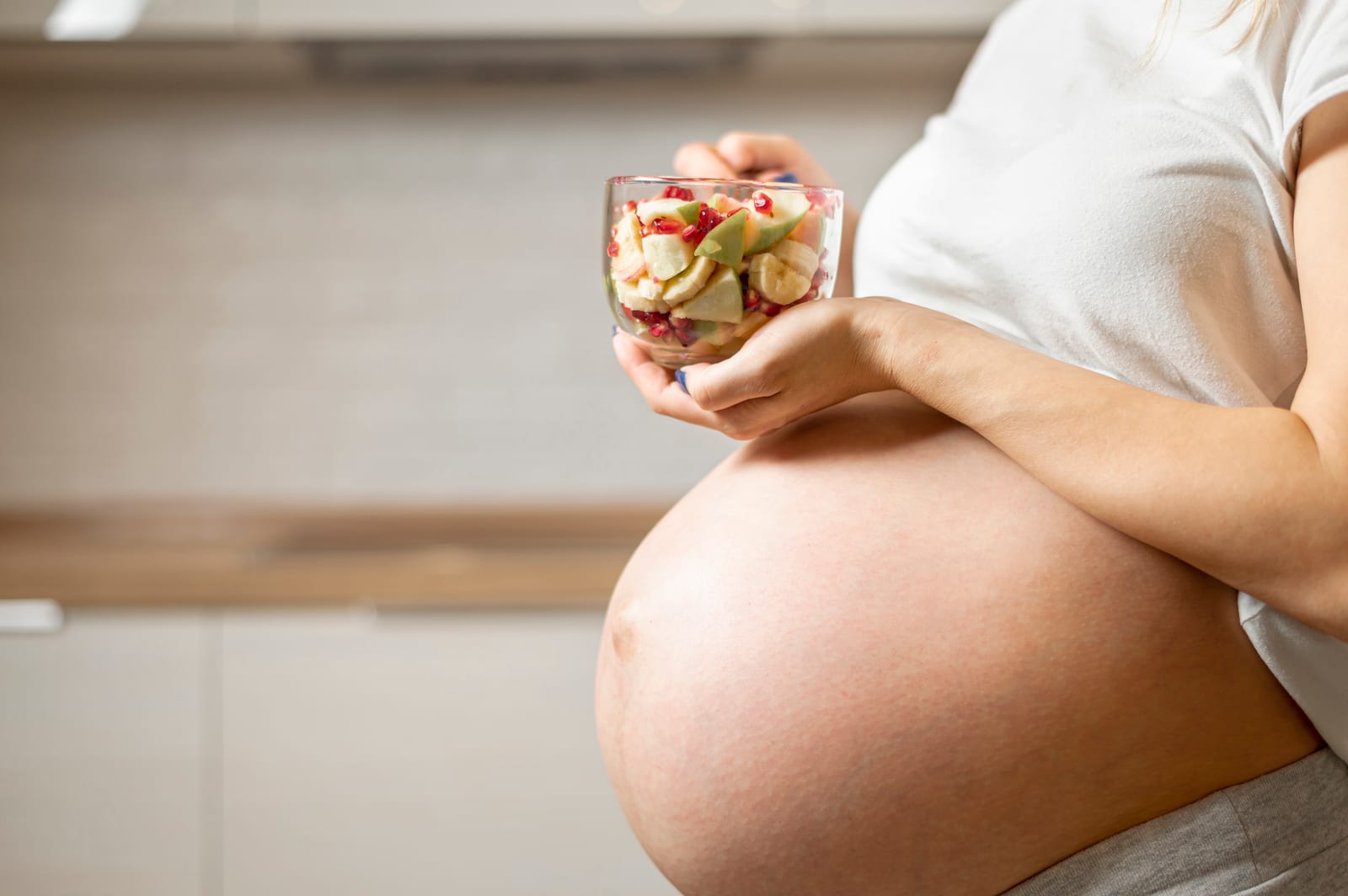
When people begin trying to have a baby, one of the first questions that often comes up is whether nutrition can influence fertility.
It is common to find advice on social media, recommendations from friends, miracle diets, supplements that promise to improve fertility, and endless lists of foods that supposedly increase the chances of pregnancy.
Faced with so much information, it can be difficult to know what is actually supported by science and what is simply a myth.
The reality is that nutrition can play an important role in reproductive health. However, it is not because there is a single “fertility food” or a magical diet capable of guaranteeing pregnancy.
Fertility depends on multiple factors, including age, egg quality, sperm quality, hormonal balance, metabolic health, genetics, and reproductive health conditions.
What nutrition can do is help create a healthier environment for the body to function properly.
That is why understanding what truly influences fertility and what does not can help people make more informed decisions and avoid unnecessary frustration.
Why nutrition can influence fertility
The reproductive system requires energy, nutrients, hormones, and proper metabolic balance to function optimally.
Ovulation, sperm production, embryo development, implantation, and pregnancy maintenance all depend on complex biological processes that require the body to function properly.
When nutritional deficiencies, metabolic disorders, obesity, insulin resistance, or significant dietary imbalances are present, fertility may be affected.
This does not mean that every person with an unbalanced diet will experience infertility.
Nor does it mean that improving nutrition alone will solve every fertility challenge.
However, numerous studies have shown that maintaining a healthy lifestyle can support reproductive health and improve overall well-being.
That is why fertility specialists often evaluate nutrition as part of a broader approach to reproductive health.

A balanced eating pattern supports reproductive health more than any superfood.
Myth: There are foods that guarantee pregnancy
One of the most common myths is the belief that certain foods can directly cause pregnancy.
People often hear claims about:
- Pineapple
- Royal jelly
- Maca
- Sweet potatoes
- Bee pollen
- Specific herbs
- Certain seeds
While many of these foods can be part of a healthy diet, there is no scientific evidence showing that any single food guarantees pregnancy.
Fertility is much more complex than adding one ingredient to a daily routine.
The body does not respond to a single food but rather to overall health patterns developed over time.
The goal should not be finding a miracle food but building a balanced lifestyle that supports reproductive health.
Reality: Maintaining a healthy weight can influence fertility
One of the nutritional factors most consistently associated with fertility is body weight.
Both obesity and being significantly underweight can affect reproductive function.
Excess body fat may alter hormone production and affect ovulation.
In some cases, obesity is associated with:
- Irregular menstrual cycles
- Anovulation
- Insulin resistance
- Polycystic Ovary Syndrome (PCOS)
- Changes in endometrial receptivity
On the other hand, being significantly underweight may also interfere with reproductive hormones and menstrual cycles.
The goal is not achieving a specific number on the scale.
Rather, it is supporting overall metabolic health and hormonal balance.
The relationship between metabolism and fertility
In recent years, reproductive medicine has increasingly focused on the connection between metabolic health and fertility.
Hormones involved in blood sugar regulation, insulin sensitivity, inflammation, and energy balance can also influence reproductive function.
For example, insulin resistance may affect ovulation and is commonly associated with PCOS.
Chronic inflammation may also impact reproductive processes.
This is one reason why fertility evaluations increasingly consider factors beyond the reproductive organs alone.
Fertility is closely connected to the health of the entire body.
Myth: Carbohydrates are bad for fertility
Carbohydrates often receive negative attention in nutrition discussions.
However, carbohydrates themselves are not the problem.
The type and quantity of carbohydrates consumed are what matter most.
Highly processed foods and products rich in added sugars may contribute to blood sugar fluctuations and metabolic imbalances.
In contrast, complex carbohydrates can be valuable components of a healthy diet.
Examples include:
- Vegetables
- Legumes
- Whole grains
- Fruit
- Fiber-rich foods
These foods provide nutrients, support energy balance, and may contribute to better overall health.
Eliminating entire food groups without medical guidance is generally not recommended.
Reality: Protein is important for reproductive health
Protein plays an essential role in numerous biological functions.
It contributes to:
- Cell development
- Hormone production
- Tissue repair
- General metabolic health
A balanced diet that includes adequate protein can support overall well-being.
Sources may include:
- Fish
- Chicken
- Eggs
- Legumes
- Dairy products
- Nuts and seeds
The ideal nutritional approach varies from person to person.
For this reason, individualized recommendations are often more useful than generalized dietary trends.
Myth: Supplements can replace a healthy lifestyle
Another common misconception is that supplements alone can compensate for poor nutrition or unhealthy habits.
While certain supplements may be recommended in specific situations, they should not be viewed as substitutes for a balanced lifestyle.
Nutritional supplements are intended to complement health strategies, not replace them.
The decision to use supplements should always be discussed with a healthcare professional, especially during fertility treatments or while trying to conceive.
The role of vitamins and micronutrients
Several vitamins and minerals are involved in reproductive health.
Among the most commonly discussed are:
- Folic acid
- Vitamin D
- Iron
- Zinc
- Selenium
- Vitamin B12
- Omega-3 fatty acids
These nutrients participate in numerous biological processes throughout the body.
However, individual needs vary.
For this reason, supplementation should ideally be based on medical evaluation rather than trends or social media recommendations.
Nutrition and male fertility
When fertility is discussed, attention is often focused primarily on women.
However, male fertility is also strongly connected to overall health and lifestyle factors.
Sperm production depends on multiple biological processes that can be influenced by:
- Nutrition
- Body weight
- Smoking
- Alcohol consumption
- Physical activity
- Sleep quality
- Metabolic health
Research suggests that healthy lifestyle habits may support sperm quality and overall reproductive health.
This is one reason why fertility evaluations should consider both partners whenever possible.
Myth: Drinking more water increases fertility
Hydration is important for general health.
However, drinking excessive amounts of water does not directly increase fertility.
Adequate hydration supports many physiological functions, but there is no evidence that consuming unusually large quantities of water improves the chances of pregnancy.
The goal should be maintaining healthy hydration habits as part of an overall balanced lifestyle.
Reality: Nutrition is only one piece of the puzzle
One of the most important concepts to understand is that fertility cannot be explained by nutrition alone.
Many people maintain healthy diets and still face fertility challenges.
Others may become pregnant despite less-than-perfect eating habits.
Factors that may influence fertility include:
- Age
- Egg quality
- Sperm quality
- Genetics
- Hormonal balance
- Tubal health
- Uterine factors
- Endometriosis
- Metabolic health
- Lifestyle habits
For this reason, fertility should always be evaluated comprehensively.
Focusing exclusively on nutrition can sometimes lead people to overlook other important factors.
What does a fertility-friendly lifestyle look like?
Although there is no universal fertility diet, certain habits are consistently associated with better overall health.
These include:
- Eating a balanced and varied diet
- Maintaining a healthy weight
- Engaging in regular physical activity
- Getting adequate sleep
- Managing stress
- Avoiding smoking
- Limiting excessive alcohol consumption
- Following medical recommendations
These habits support overall well-being and may contribute to reproductive health.
The goal is not perfection.
The goal is creating sustainable habits that support long-term health.
When should you seek specialized help?
Nutrition can support reproductive health, but it cannot replace a medical fertility evaluation when difficulties arise.
It may be time to consult a fertility specialist if:
- You have been trying to conceive for more than 12 months
- You are over age 35 and have been trying for more than 6 months
- Your menstrual cycles are irregular
- You suspect ovulation problems
- You have known reproductive health conditions
- You have experienced recurrent pregnancy loss
A fertility evaluation can help identify the factors that may be affecting your ability to conceive and provide guidance tailored to your situation.
Beyond myths: making decisions based on science
One of the biggest challenges for people trying to conceive is navigating the overwhelming amount of information available online.
Unfortunately, myths often spread faster than science.
That is why it is important to rely on evidence-based information and seek guidance from qualified healthcare professionals.
Nutrition matters.
Metabolic health matters.
Lifestyle habits matter.
But fertility is rarely determined by a single food, supplement, or dietary trend.
The most effective approach is usually a comprehensive one that considers the many factors involved in reproductive health.
At Ingenes, fertility is approached from a comprehensive perspective
At Ingenes, we understand that fertility is influenced by multiple factors that often extend beyond the reproductive system itself.
That is why our approach includes a comprehensive evaluation of each patient’s health, considering hormonal, metabolic, reproductive, and lifestyle factors that may influence fertility.
Our multidisciplinary teams work to identify the factors that may be affecting reproductive potential and develop personalized strategies based on each patient’s needs.
Because fertility is not about finding miracle foods or following myths.
It is about understanding what is really happening, making informed decisions, and using science, technology, and personalized care to help more people discover that having a baby may be possible.
If you want a complete fertility evaluation, schedule your First Consultation and take the first step with reliable information.