

Male Fertility in 2026: Why Sperm Alterations Are on the Rise
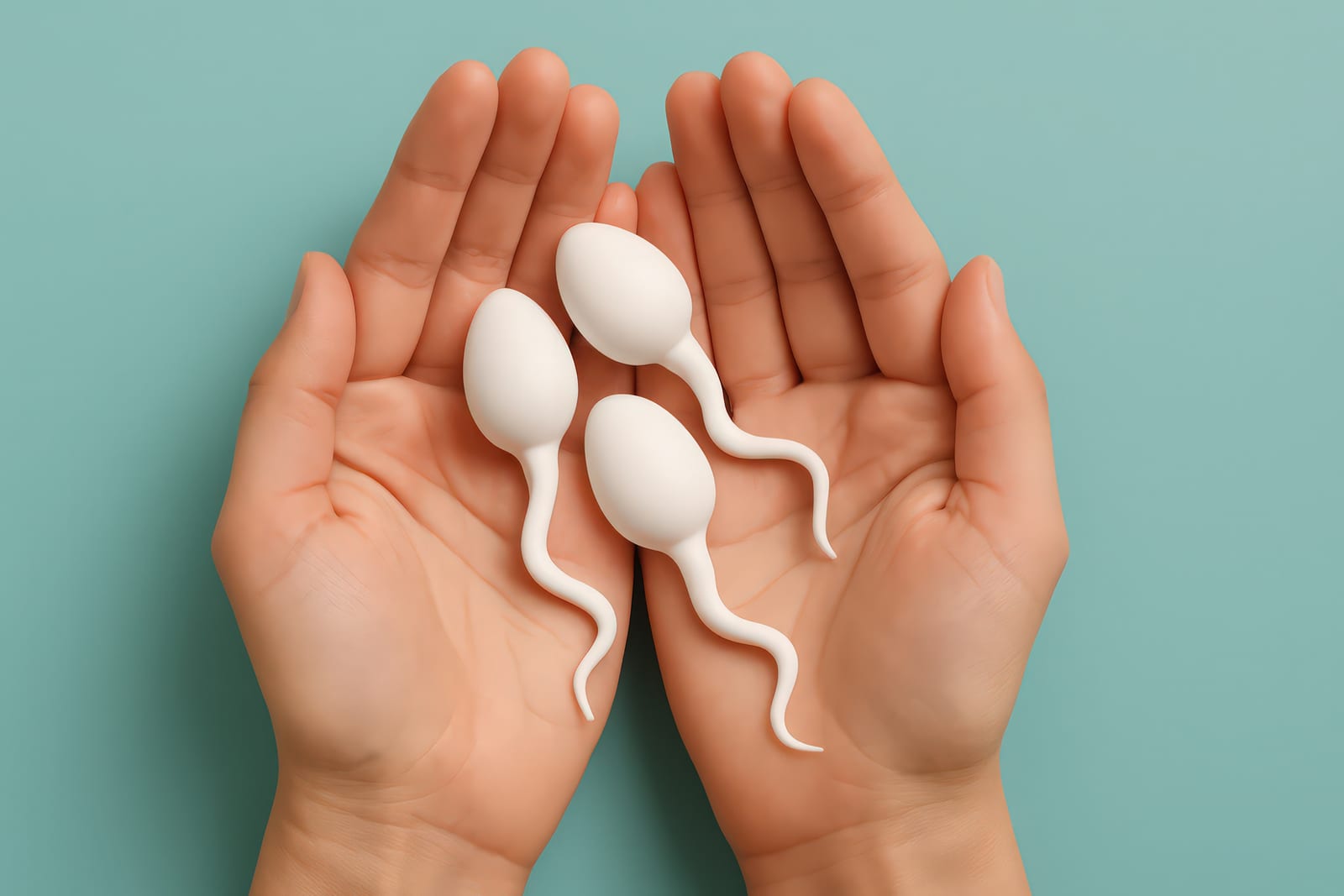
For decades, the conversation around fertility focused primarily on female reproductive health. However, current scientific evidence shows a much broader reality: male fertility is also changing, and significantly so.
In recent years, specialists around the world have observed a trend that has generated considerable interest within reproductive medicine. More and more men are presenting alterations in semen parameters such as concentration, motility, morphology, or the genetic quality of sperm.
This does not mean that all men have fertility problems or that achieving a pregnancy is impossible. What it does indicate is that male reproductive health deserves far more attention than it has traditionally received.
In 2026, male fertility can no longer be understood solely from the perspective of the reproductive organs. Today, we know that metabolic, hormonal, environmental, and lifestyle factors can directly influence sperm production and quality.
The good news is that many of these factors can be identified early and, in some cases, modified through personalized strategies.
Male fertility has changed more than we imagine
Sperm cells are highly specialized cells whose production requires a delicate biological balance.
For sperm to be produced properly, the body needs:
- Proper hormonal balance
- Good metabolic health
- Adequate testosterone production
- Proper testicular function
- A healthy cellular environment
When any of these elements become disrupted, semen quality can be affected.
Today, specialists are more frequently observing situations such as:
- Decreased sperm concentration
- Reduced motility
- Morphological alterations
- Increased sperm DNA damage
- Hormonal changes associated with fertility
These findings have led the medical community to examine which aspects of modern life may be contributing to this trend.
Modern lifestyle and its impact on reproductive health
Life in 2026 is very different from that of previous generations.
Workdays tend to be longer, screen time is greater, and stress levels have become a constant for many people.
In addition, factors such as:
- Sedentary lifestyle
- Ultra-processed foods
- Sleep deprivation
- Chronic stress
- Excess weight
- Frequent alcohol or tobacco use
Can influence overall health as well as male reproductive capacity.
Fertility is, in many ways, a reflection of the body’s overall state of health.
For this reason, more and more specialists consider sperm quality to be a type of biological indicator of male well-being.
Metabolic health has become an unexpected key player
One of the most important developments in modern reproductive medicine has been understanding the close relationship between metabolism and fertility.
Today we know that conditions such as:
- Insulin resistance
- Overweight
- Obesity
- Metabolic syndrome
- Chronic inflammation
Can alter hormonal processes involved in sperm production.
When metabolism becomes unbalanced, the body may experience changes that affect testosterone, testicular function, and various cellular mechanisms involved in reproduction.
For this reason, fertility evaluations today often include a much broader assessment than those performed just a few years ago.
Testosterone and changes in men’s health
Testosterone plays a fundamental role in male fertility.
In addition to influencing sperm production, it is involved in functions related to:
- Energy
- Muscle mass
- Bone health
- Sexual function
- Overall well-being
Various modern factors can influence testosterone levels:
- Prolonged stress
- Poor sleep
- Excess body fat
- Metabolic alterations
- Aging
When these factors accumulate, they can generate hormonal changes that indirectly affect semen quality.
This is why male fertility should be evaluated from a comprehensive perspective and not solely through a semen analysis.
The role of stress in male fertility
Although the emotional impact of infertility is often discussed in relation to women, men can also experience significant levels of stress related to trying to achieve a pregnancy.
In addition, work-related, financial, or personal stress can produce real biological effects.
When the body remains in a prolonged state of alert, it increases cortisol production, commonly known as the stress hormone.
High cortisol levels can interfere with various hormonal processes, including those involved in testosterone production and spermatogenesis.
Emotional health and reproductive health are much more connected than previously believed.
Can environmental pollution affect sperm?
This is one of the topics that has generated the most interest in recent scientific research.
Researchers are currently studying how constant exposure to certain environmental pollutants may influence male reproductive health.
Among the factors being analyzed are:
- Air pollution
- Microplastics
- Industrial chemicals
- Endocrine disruptors
Some of these compounds have the ability to interact with the human hormonal system.
Although research continues to evolve, there is growing interest in understanding how the environment may influence fertility over the long term.
Sleep: a frequently underestimated factor
Getting good sleep is far more important for male fertility than many people realize.
During sleep, essential hormonal regulatory processes take place.
Testosterone production, for example, is closely linked to both the quality and duration of nighttime rest.
Chronic sleep deprivation may be associated with:
- Hormonal alterations
- Metabolic changes
- Persistent fatigue
- Reduced overall well-being
For this reason, maintaining healthy sleep habits is part of current recommendations for protecting reproductive health.
Male age also deserves attention
For a long time, it was believed that age was only relevant to female fertility.
Today we know that male age can also influence certain reproductive factors.
As the years pass, gradual changes may occur in:
- Sperm motility
- Sperm genetic quality
- Hormone levels
- Overall reproductive function
This does not mean that a man cannot become a father at an older age.
However, it does highlight the importance of understanding that male fertility also evolves over time.
The importance of early diagnosis
One of the greatest challenges of male infertility is that many alterations do not produce obvious symptoms.
A man may feel completely healthy and still experience significant changes in semen quality.
For this reason, when a couple is having difficulty achieving a pregnancy, it is essential that both partners be evaluated from the beginning.
Today, there are tools that can analyze:
- Sperm concentration
- Motility
- Morphology
- Sperm DNA fragmentation
- Hormonal profile
- Associated metabolic factors
The earlier potential alterations are identified, the greater the opportunities to design appropriate strategies for each case.

With timely diagnosis and the right treatment, many couples facing male factor infertility welcome their baby.
Assisted reproduction has expanded possibilities
Reproductive medicine has evolved enormously over the past few decades.
Today, there are options that can help patients facing different types of male fertility challenges.
Among them are:
- In Vitro Fertilization (IVF)
- ICSI (Intracytoplasmic Sperm Injection)
- Fertility preservation
- Advanced sperm quality testing
- Personalized treatment protocols
These tools make it possible to address situations that previously limited the chances of pregnancy considerably.
The future of male fertility will be more preventive
One of the biggest changes we are seeing in 2026 is a growing awareness of the importance of protecting fertility before problems appear.
Just as people undergo cardiovascular or metabolic checkups, more men are becoming interested in understanding their reproductive health.
Prevention makes it possible to:
- Detect alterations early
- Identify risk factors
- Make informed decisions
- Preserve future reproductive options
Fertility is no longer viewed solely as an issue related to trying to conceive but as an important part of overall male health.
At Ingenes, male fertility is also a priority
Male fertility is an essential part of the reproductive process and deserves the same attention as any other aspect of health.
At Ingenes, we understand that every patient is unique. That is why we perform comprehensive evaluations that consider semen quality along with hormonal, metabolic, and lifestyle factors that may influence reproductive capacity.
Thanks to the combination of advanced technology, precision diagnostics, and personalized treatments, it is now possible to better understand the causes behind sperm alterations and develop strategies tailored to each individual’s needs.
Because understanding what is happening is the first step toward finding answers.
And because even when reproductive challenges exist, modern reproductive medicine has shown that having a baby can be possible.
If you want to understand your reproductive health, schedule your First Consultation and receive a complete evaluation from our specialists.