
World Sexual Health Day: Caring for It Also Means Caring for Your Fertility

Every September 4, World Sexual Health Day is observed, an initiative of the World Association for Sexual Health (WAS) that promotes sexual well-being as an essential part of overall health.
When the topic comes up, the conversation almost always narrows to two things: preventing infections and using contraception. Sexual health covers considerably more, and there is one aspect rarely discussed: its direct relationship with fertility.
Several conditions that affect sexual health also influence reproductive capacity. And many of them progress without symptoms, which is exactly what makes them dangerous.
What sexual health is, according to the WHO
The World Health Organization defines it as a state of physical, emotional, mental, and social well-being in relation to sexuality. The definition matters because it goes beyond the absence of disease: it means experiencing sexuality in a healthy, safe, and respectful way.
That definition includes:
- Knowing your own body
- Preventing sexually transmitted infections
- Access to evidence-based information
- Regular medical checkups
- Reproductive planning
- Emotional well-being tied to sexuality
- Respect for each person’s reproductive decisions and rights
The link to fertility few people mention
Sexual health and fertility are usually treated as separate topics. They share more than it seems.
- Some sexually transmitted infections, when not diagnosed and treated in time, cause complications that damage the reproductive tract
- Hormonal changes affect both sexual and reproductive function
- Several metabolic conditions have an impact on both areas
- Emotional well-being influences sexual health and quality of life
Understanding this relationship makes a preventive approach possible, which is where the real gains are.
The infections that can affect your fertility
Worth clarifying: not every sexually transmitted infection affects fertility. Some do, especially when they go undiagnosed for long periods.
Complications may involve:
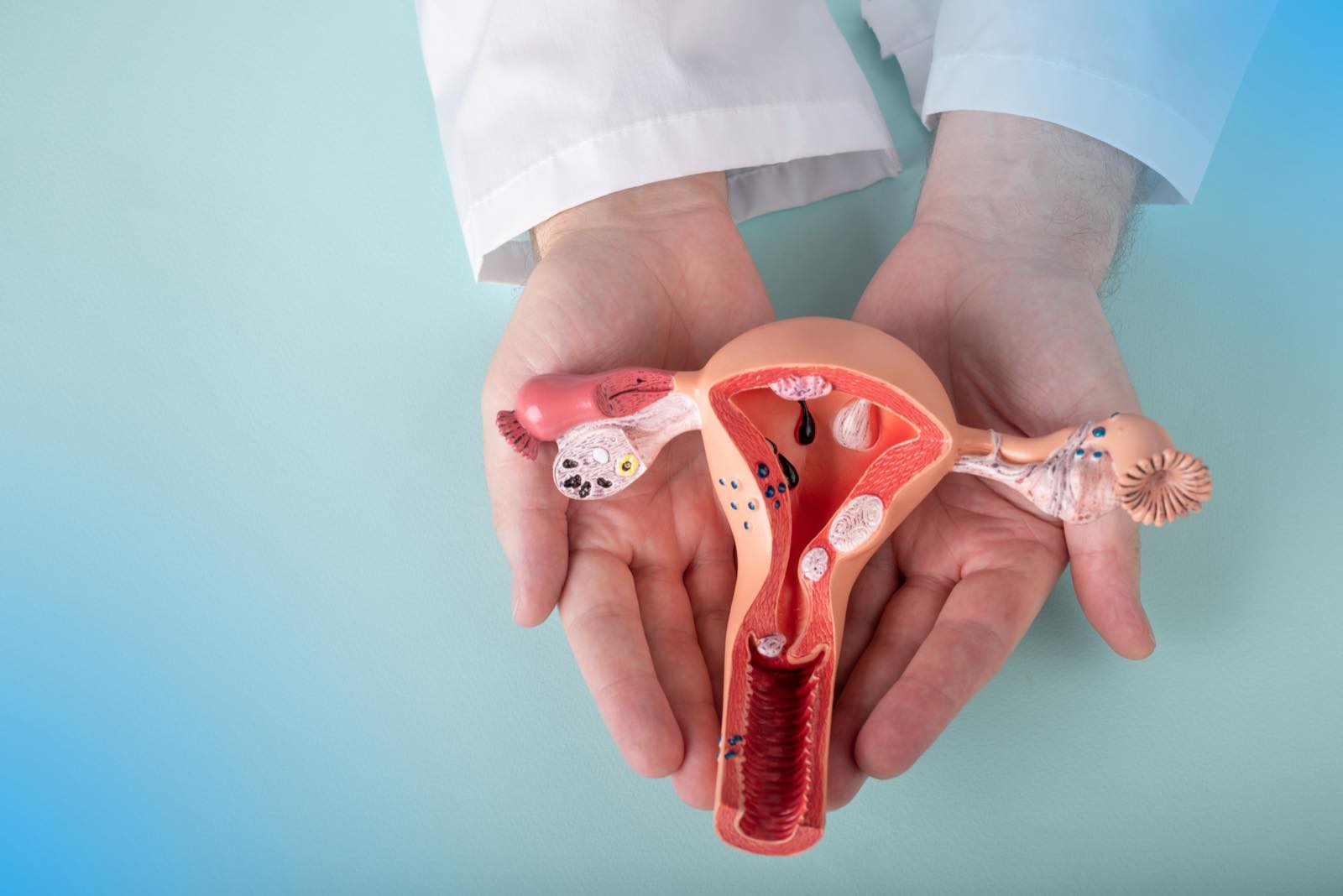
- The fallopian tubes
- The uterus
- The cervix
- The epididymis
- The vas deferens
The World Health Organization estimates that more than a million new curable sexually transmitted infections occur worldwide every day, and that most present without symptoms. That is the point: early diagnosis protects future fertility, even when you feel nothing today.

Sexual health involves both partners
Male sexual health counts too
Sexual health campaigns tend to target women. Men have an equal need for checkups.
These conditions influence male fertility:
- Hormonal changes
- Varicocele
- Infections
- Metabolic conditions
- Lifestyle factors
Getting checked when symptoms appear, or when a couple has been trying to conceive without success, is part of caring for male sexual health. We cover it here: Male Fertility in 2026: Why Sperm Alterations Are on the Rise.
Talking about sexuality means talking about the emotional side
Sexuality does not depend only on how the reproductive system functions. Stress, anxiety, self-esteem, and the relationship itself are all part of the equation.
When someone is struggling to achieve a pregnancy, those emotional shifts tend to intensify and affect their sex life. It is a familiar cycle and there is a way out: professional support helps, which is why our Emotional Support area exists.
Four myths worth dismantling
Despite medical advances, some damaging ideas still circulate:
“Infertility is a woman’s issue.” Male factors are involved in roughly half of all cases.
“If I’m young, I can’t have fertility problems.” Age is a significant factor, but not the only one. Some conditions appear at any age.
“As long as I have no symptoms, I don’t need to see a doctor.” Several of the conditions that most affect fertility progress silently.
“Sexual health only matters when you want a baby.” It always matters, and that is precisely how it protects your future plans.
What is within your reach
Daily habits weigh on general well-being and on sexual and reproductive health:
- Balanced nutrition
- Regular physical activity
- Enough sleep
- Avoiding tobacco
- Moderating alcohol
- Managing metabolic conditions if you have them
- Regular medical checkups
We recently wrote about how these habits work at the cellular level: Epigenetics and Fertility.
Sexual health changes across a lifetime
Needs are not the same in adolescence, during the reproductive years, in pregnancy, postpartum, or at menopause. Men also experience hormonal and metabolic changes over the years.
That is why medical follow-up adapts to each stage instead of applying one scheme for life.
Frequently asked questions
How often should I get checked if I have no symptoms?
An annual gynecological or urological checkup is a reasonable reference point for most people of reproductive age. If you are trying to conceive or have a relevant history, your physician may suggest a different schedule.
I had a sexually transmitted infection years ago. Should I be worried?
Worried, no. Checked, yes. If you received timely treatment, there most likely are no lasting effects. If the diagnosis came late or went untreated, it is worth raising during an evaluation.
Do problems in your sex life affect the chances of pregnancy?
They can, especially when they reduce the frequency of intercourse or create tension in the relationship. They can also signal an underlying hormonal condition, so it is worth mentioning them to a specialist.
Which tests evaluate reproductive health?
For women they usually include a hormone panel, ultrasound, and ovarian reserve assessment. For men, semen analysis is the baseline test. All are part of the Diagnostic Consultation.
At Ingenes, prevention is part of the treatment
We understand sexual health and fertility as part of the same approach to well-being. That is why we promote prevention, timely diagnosis, and personalized evaluation, with precision diagnostics, highly specialized technology, and a multidisciplinary team that works from evidence.
Caring for your health today also protects the plans you have for later. If you want to know where you stand, a First Consultation gives you that picture.
Sources
- World Health Organization. Sexual health. Health topic. who.int
- World Health Organization. Sexually transmitted infections. Fact sheet. who.int
- World Association for Sexual Health. World Sexual Health Day. worldsexualhealth.net
- Centers for Disease Control and Prevention. About Sexually Transmitted Infections. cdc.gov