

Doctor's Day: science, experience and listening in reproductive medicine
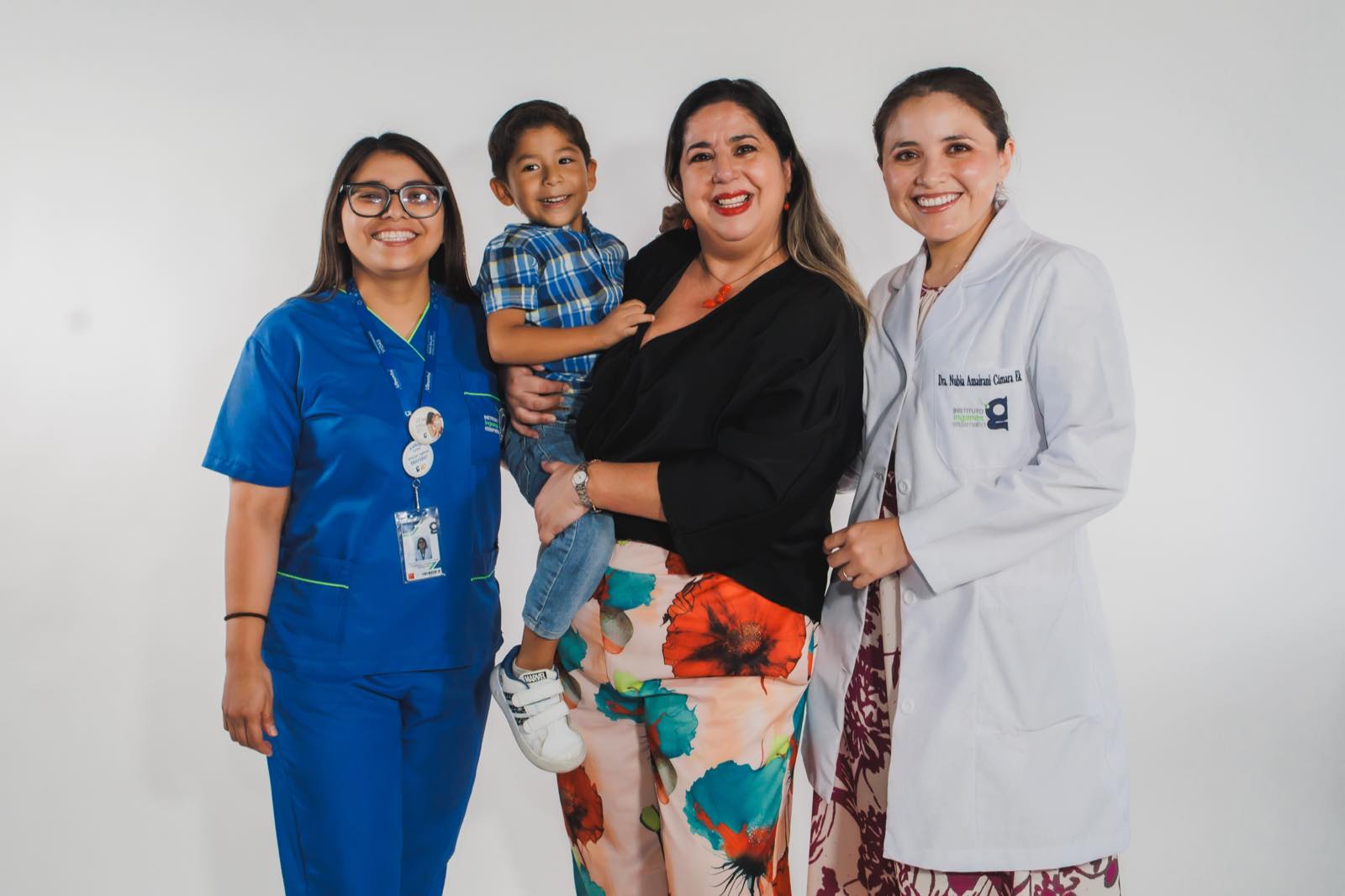
Every October 23, Mexico celebrates Doctor’s Day (Día del Médico), and we want to take the occasion to share how we work as reproductive medicine specialists.
When you have questions about your fertility, it is natural to want a clear answer. A good medical evaluation starts by listening to your story, long before any result or prescription. At Ingenes, every person arrives with a different history, test results, experiences and expectations, and our job is to bring all of that together to understand what is happening and which options may be right for you.
A single result tells only part of the story
When you get a lab result, it can feel as if the whole answer is right there: a hormone comes back high or low, an ultrasound shows something you did not expect, a semen analysis reports an abnormality. In reproductive medicine, we need to understand what that result means within your situation.
For example, a diminished ovarian reserve gives information about the number of eggs available, yet on its own it does not determine whether you can have a baby. In the same way, an abnormal semen analysis does not automatically mean there is no chance of conceiving.
That is why our work as doctors goes beyond reading numbers: it is about bringing information together. We want to know your age, your medical history, how long you have been trying to conceive, whether you have been pregnant before, which treatments you have had, which medications you take and which tests you already have. We also want to hear your questions.
The doctor-patient relationship is a core part of care. When you come to Ingenes, we want you to have room to explain your story and understand what we are seeing.
How we build a medical evaluation
First, we listen to your story. Your history can completely change how a test is interpreted. A woman with irregular cycles, for example, may need a different evaluation than a woman with regular cycles, and a man with a history of testicular surgery may need different tests than someone without that history. That is why we do not work with generic diagnoses.
Then, we review your tests. If you already have hormone tests, ultrasounds, semen analyses or other previous studies, we review them within your story; starting from scratch is not always necessary. In our Initial Program, we look at what information we have, what is missing and which tests may be relevant to your case.
Finally, we bring the information together. The goal is to understand which factors may be affecting your fertility and what options exist. This matters most when more than one factor is involved: there may be one component related to age, another to ovulation and another to male factor. Fertility does not always have a single explanation, which is why our model looks at the whole story.
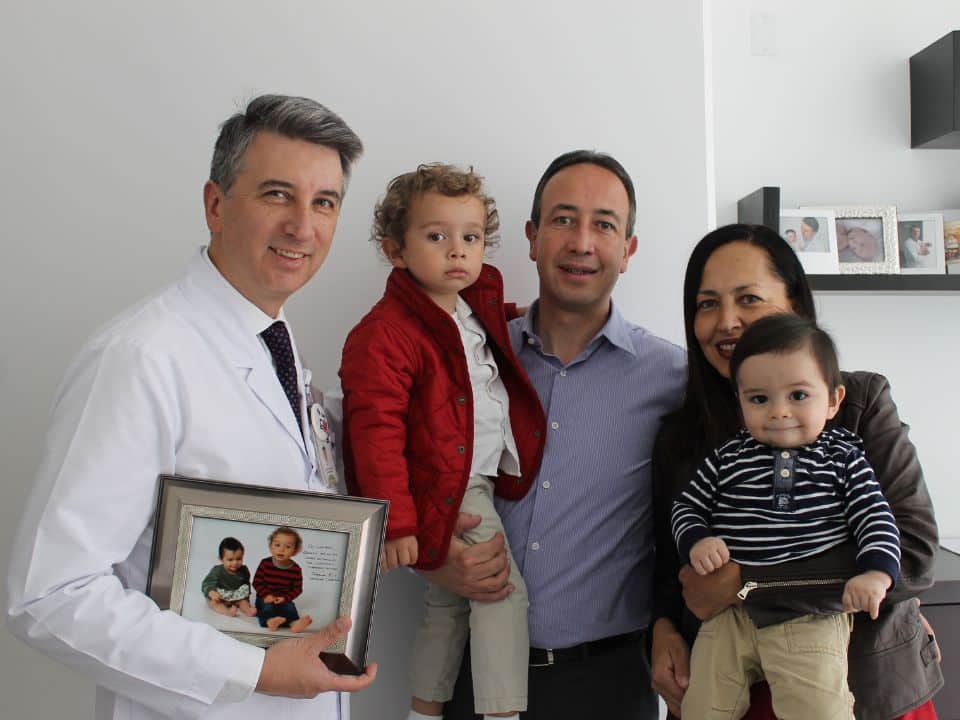
Behind every evaluation there is a story that deserves to be heard
What we need to know about you
You can help us a great deal by bringing your previous test results and sharing relevant information during the appointment. We want to know how long you have been trying to have a baby and whether you have had previous pregnancies, pregnancy losses or assisted reproduction treatments.
- For men, it is important to know about any history related to sperm production, surgeries, infections, medications or previous treatments.
- For women, it may be relevant to know what your cycles are like and whether you have had surgeries, endometriosis, fibroids, hormonal disorders or previous treatments.
- For everyone, it helps to talk about general health conditions and the medications you take.
No piece of information is “too small” if it can help us understand your story. And if you do not remember something, that is fine: the appointment is exactly the place to organize it.
We also want you to ask questions. For example:
- What does this result mean?
- Do I need another test?
- What options are there?
- Does this diagnosis affect my chances?
- What can we do now?
Understanding your medical care is part of the process. That is why we aim to explain things in plain language and without unnecessary jargon.
When to see a reproductive medicine specialist
You do not have to wait until you feel “something is wrong” to ask for an evaluation. You can come in if you have been trying to conceive for a while, if you have a history that may affect your fertility or simply if you want to know how your reproductive health is doing.
It is also worth considering an evaluation if you have irregular cycles, a history of endometriosis, fibroids, pelvic surgery, abnormal semen analysis results, cancer treatment or previous assisted reproduction treatments.
Our comprehensive diagnosis is designed to get to know your story and determine which tests may be needed before setting a plan. Our multidisciplinary team includes specialists from different fields related to assisted reproduction, genetics and regenerative medicine, which allows us to approach stories that need more than one perspective. Every person arrives with a different story, and that story deserves to be heard before any treatment is defined.
Frequently asked questions
Do I have to repeat the tests I already had?
Not always. We review your previous tests within your story and only order the ones that are missing or worth updating for your case.
Does an abnormal result mean I will not be able to have a baby?
A single result provides information, yet on its own it does not define your chances. A diminished ovarian reserve or an abnormal semen analysis is interpreted together with your age, your history and the rest of your tests.
What should I bring to my first consultation?
Your previous test results (hormone tests, ultrasounds, semen analyses), a list of the medications you take and any questions you have. If you do not remember a detail, the appointment is the place to sort it out.
Do I need an infertility diagnosis to ask for an evaluation?
No. You can come in if you have been trying to conceive for a while, if you have a history that may affect your fertility or if you want to know how your reproductive health is doing.
Behind every result there is a person
For us, being a doctor means understanding that behind every result there is a person who wants to know what it means for their future. That is why at Ingenes we combine science, experience and human support. Technology helps us gather information and tests help us identify factors; the conversation between doctor and patient is what puts it all in context.
When you have questions about your fertility, our job is to help you turn them into useful information for making decisions about your path.
Sources
- World Health Organization. Infertility. who.int
- MedlinePlus. Infertility. medlineplus.gov
- American College of Obstetricians and Gynecologists. Evaluating Infertility. acog.org