
Anesthesiologist's Day: what this specialist does and why they matter in surgery
Every October 16 marks World Anaesthesia Day, on the anniversary of the first public surgery using ether, performed in 1846.
When we think about surgery, attention usually goes to the procedure: which technique will be used, how long it will take, what recovery will look like. There is another aspect that runs through the whole process and gets discussed considerably less.
Why they are a key part of it
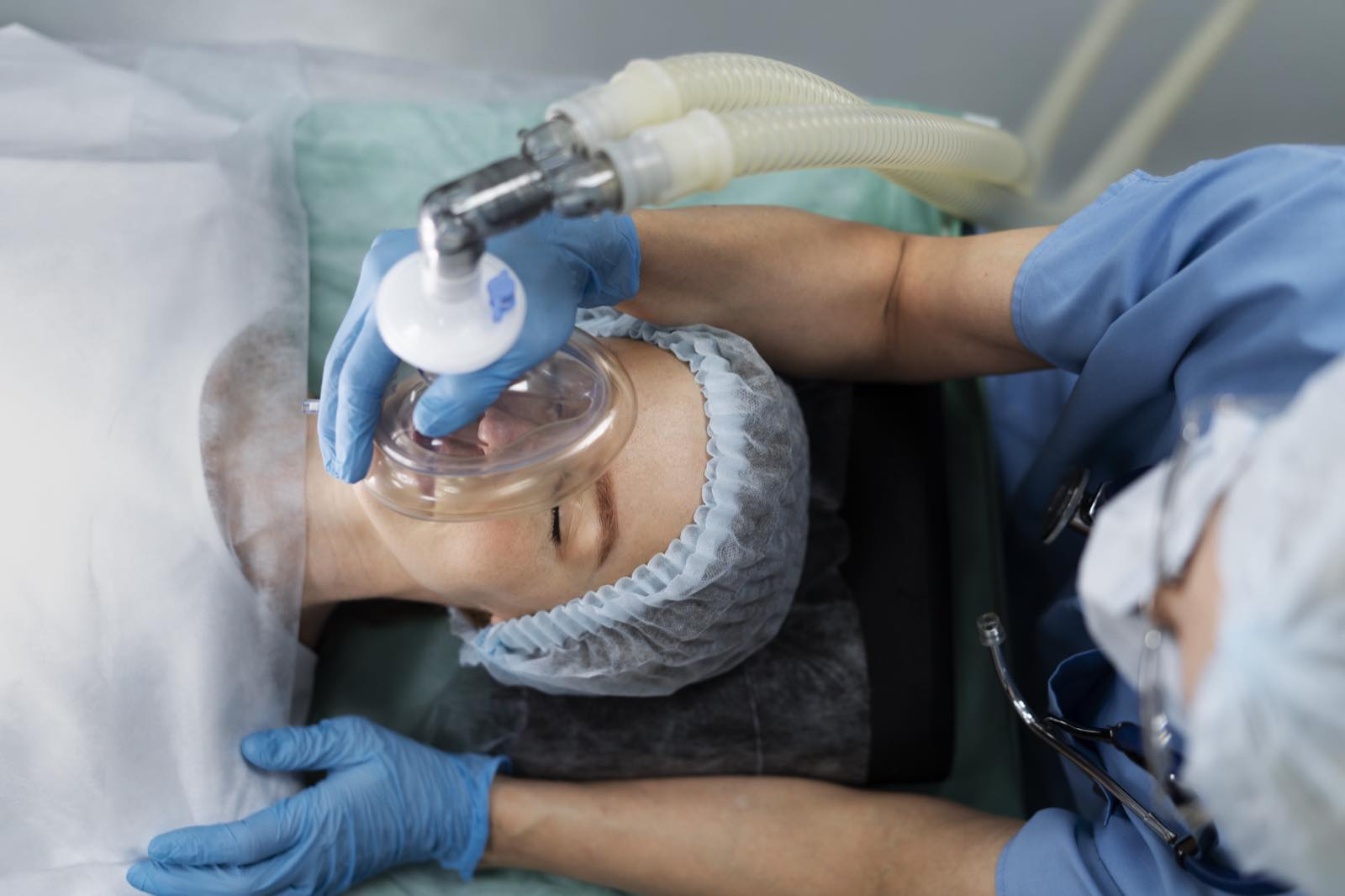
An anesthesiologist’s work goes well beyond administering medication to prevent pain. It involves assessing each patient’s overall condition, choosing the right anesthetic strategy, continuously monitoring vital functions, and responding to any change.
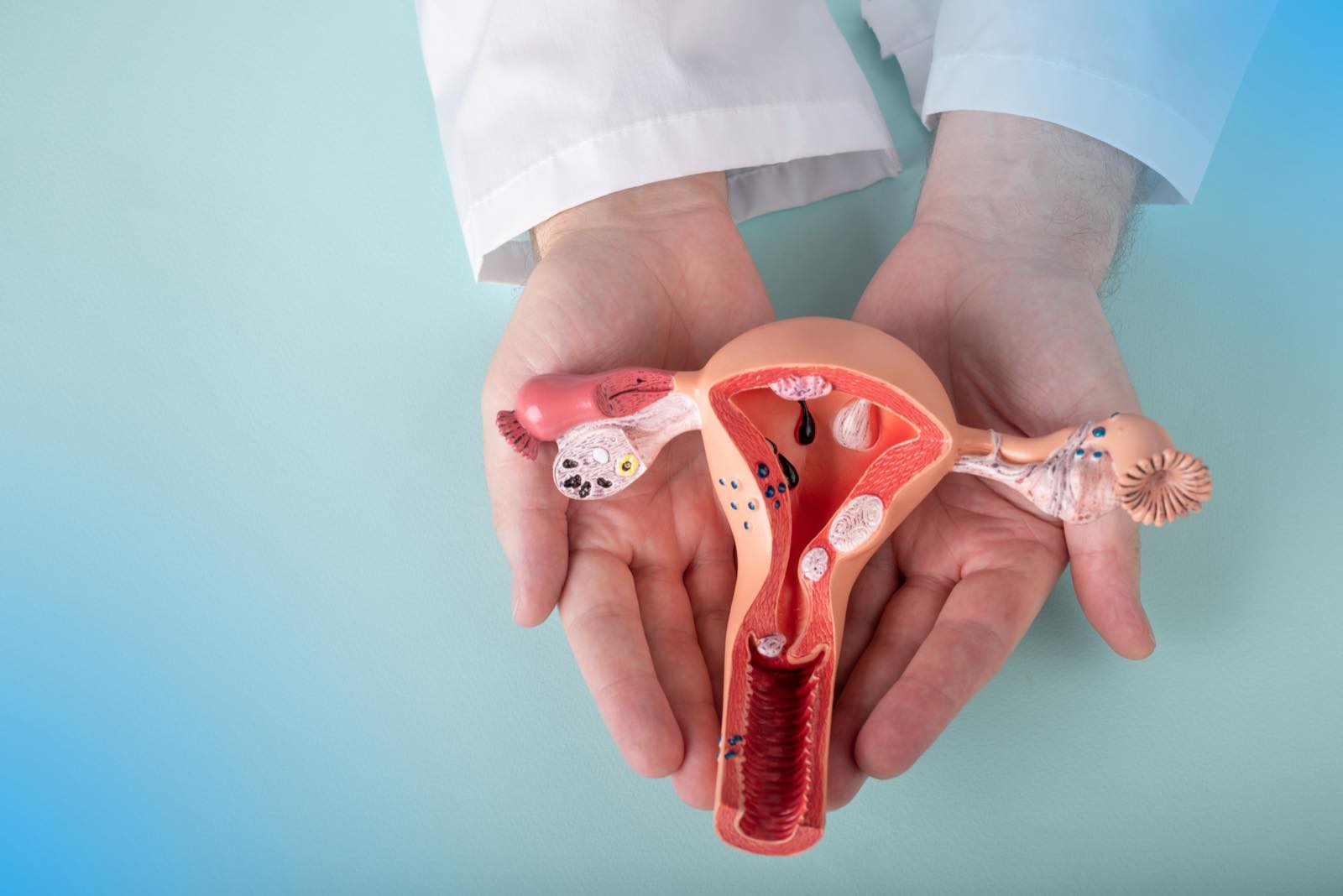
That carries particular weight in reproductive health procedures. Some gynecological surgeries are performed to diagnose or treat fibroids, polyps, alterations in the uterine cavity, or endometriosis, conditions that can relate to fertility.
If you are considering surgery, choosing where to have it goes beyond the surgeon’s experience. Preparation, anesthetic support, available technology, and follow-up care are all part of a safe surgical experience.
Five functions that usually go unnoticed
1. They assess your health before the operating room. In the pre-anesthetic evaluation they review medical history, medications you take, allergies, previous surgeries, and your cardiovascular, respiratory, and metabolic status. Safety begins well before the surgery.
2. They choose the technique for each procedure. There is no single way to administer anesthesia. Depending on the type of surgery, its duration, the surgical technique, and each patient’s characteristics, general, regional, or local anesthesia or sedation may be used. In gynecological procedures, the choice depends on whether the intervention is diagnostic or surgical, and on its complexity.
3. They monitor your vital functions throughout. While the surgeon focuses on the procedure, the anesthesiologist tracks heart rate, blood pressure, breathing, and oxygenation, to detect any change and act in time.
4. They handle pain control afterward. They take part in planning pain management during recovery, selecting medications and strategies according to the intervention performed. That makes recovery more comfortable and makes it easier to follow post-surgical instructions.
5. They are prepared for the unexpected. No procedure is entirely free of surprises. Recognizing a change in a patient’s condition quickly and responding to it is among their most important functions. Their training covers airway management, emergency medication, and critical care situations.
The American Society of Anesthesiologists sums it up this way: anesthesiologist care covers evaluation and supervision of the patient before, during, and after surgery.

In reproductive surgery, the anesthetic strategy is planned alongside the goal of the procedure
What has changed in recent years
Anesthesia has evolved with new technologies, medications, and monitoring tools that allow more precise and personalized care.
Regional anesthesia techniques have advanced too. Ultrasound, for instance, allows specialists to visualize anatomical structures and locate nerves with greater precision when performing certain blocks.
Care does not end when the surgery does. Recovery is part of the care: post-operative monitoring, pain control, and a gradual return to normal activity.
In reproductive medicine, this evolution shows up in minimally invasive techniques. Hysteroscopy allows alterations within the uterine cavity to be evaluated and treated; laparoscopy addresses other conditions depending on the diagnosis. In this context, any procedure must consider both the condition being treated and the patient’s reproductive goals.
When surgery relates to your fertility
Before recommending an intervention, the first consultation reviews your diagnosis, your history, and your goals. From there, it becomes clear which tests are needed, whether an alternative to the procedure exists, and which approach fits best.
When surgery is tied to fertility, the goal is not limited to treating a condition. How that procedure fits within each person’s reproductive plan matters too.
Some conditions, such as Polyendocrine Metabolic Ovarian Syndrome or advanced endometriosis, may call for a specialized approach. Even so, not everyone with those conditions needs surgery, and not every procedure pursues the same goal.
Frequently asked questions
Will I be asleep during the procedure?
It depends on the intervention. Egg retrieval is done under sedation and takes a few minutes. A diagnostic hysteroscopy can be performed without general anesthesia. The decision is made at the pre-anesthetic evaluation.
Can I speak with the anesthesiologist beforehand?
Yes, and it is worth doing. The pre-anesthetic evaluation exists precisely for that: reviewing your history, answering questions, and explaining what will be used and why.
Does anesthesia affect my egg quality?
The protocols used in egg retrieval are designed to be brief and to use agents with the least impact. It is one of the questions you can ask directly at your evaluation.
What should I disclose beforehand?
Every medication you take, including supplements and herbal remedies, allergies, previous surgeries, past reactions to anesthesia, and any cardiovascular, respiratory, or metabolic condition.
Work you notice when it goes unnoticed
Talking about surgery raises questions and sometimes a degree of fear. Having clear information and specialists who explain each stage helps you go through the process with more calm.
An anesthesiologist’s work usually goes unnoticed precisely when it goes well. That, in large part, is the point.
Sources consulted
- American Society of Anesthesiologists. asahq.org
- American Society of Anesthesiologists. Types of Anesthesia. asahq.org
- World Federation of Societies of Anaesthesiologists. wfsahq.org