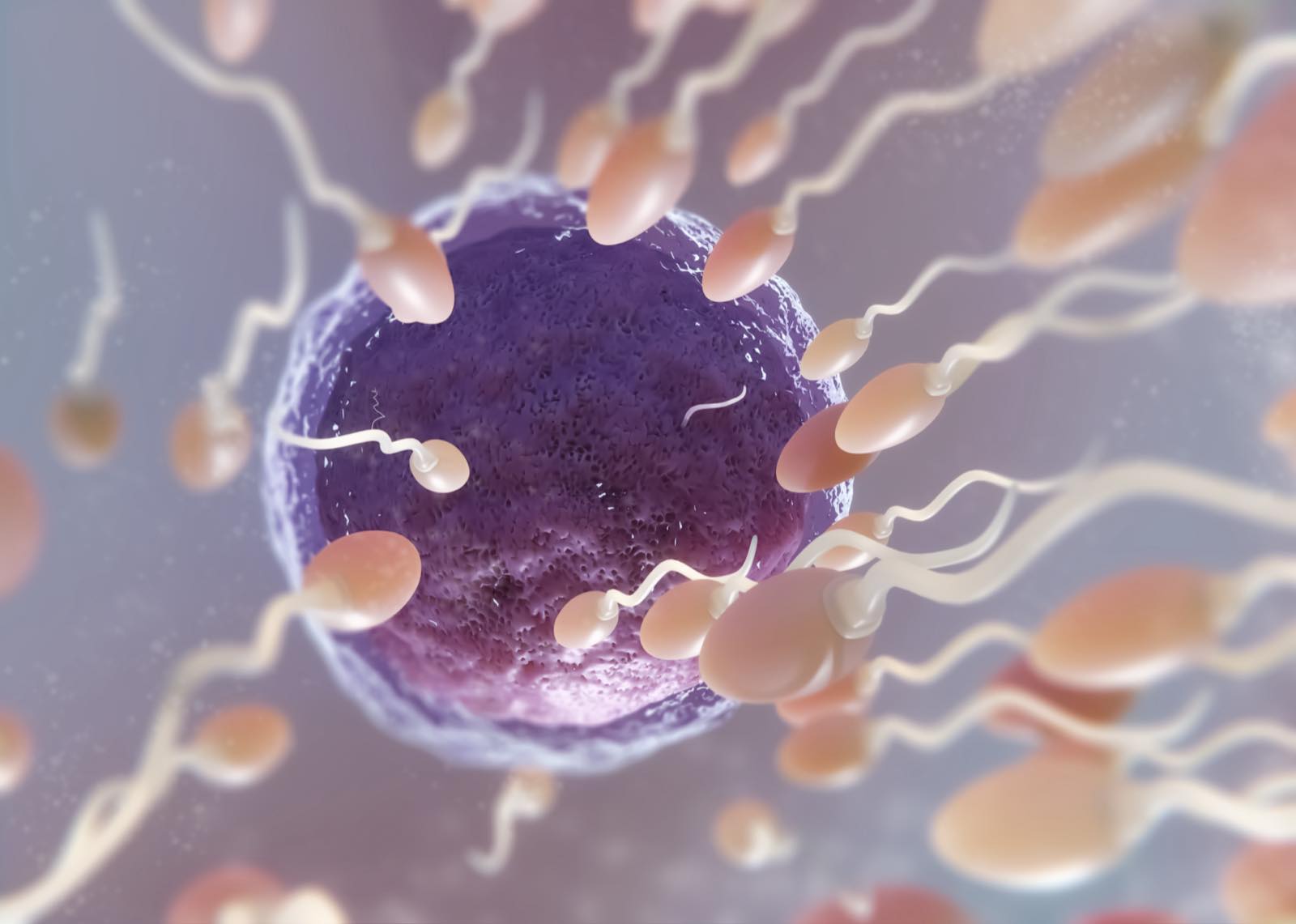

Embryo implantation: what does an embryo need to attach to the uterus?

Embryo implantation is one of the most important moments in the reproductive process. Behind it lies a complex interaction between the embryo and the uterus, where timing, embryo development, and the condition of the endometrium all play a central role.
It happens on a microscopic scale, yet for anyone trying to have a baby it can mean a great deal. Here is what happens during those days and which factors come into play.
From embryo to possible implantation: what happens during these days
After fertilization, the embryo begins to divide and develop through several stages. When it reaches the blastocyst stage, a key moment arrives: it has to interact with the endometrium, the tissue that lines the inside of the uterus.
Implantation doesn’t happen simply because the embryo reaches the uterus. For it to take place, there has to be communication between the embryo and the endometrial tissue, as well as synchrony between the two. That is why the uterine environment matters too.
The endometrium changes throughout the menstrual cycle in response to hormones. Little by little, it acquires features that allow it, for a limited period, to receive the embryo and make contact with it. That period is known as the window of implantation: during those days the endometrium goes through structural and molecular changes, while the embryo continues its own development. When both processes line up, the interaction that leads to implantation can begin.
Talking about embryo implantation is, to a large extent, talking about synchrony. That complexity helps explain why an embryo transfer may not have the expected result even when everything seemed to be in order. Implantation is a delicate, multifactorial process, and every stage can offer information about a person’s reproductive history.
Embryo quality, the endometrium, and other factors at play
When people talk about implantation, one of the first concepts that comes up is embryo quality. That makes sense: to keep developing after the transfer, the embryo needs certain biological characteristics.
During an assisted reproduction treatment such as IVF, specialists can assess the embryo’s development and morphology. In some cases, genetic testing such as PGT-A can also provide additional information about its chromosomal makeup.
Embryo quality is only part of the story. The endometrium plays an equally important role: it changes throughout the cycle and responds to different hormonal signals to prepare for a possible implantation. Thickness counts in that process, and so do its structure, blood supply, hormonal response, and the molecular mechanisms involved in receptivity.
Endometrial preparation depends on the timing of the cycle and on adequate hormone exposure. In assisted reproduction treatments, specialists can use different protocols to coordinate the preparation of the uterus with the moment the embryo will be transferred. When that synchrony is achieved, the embryo meets an endometrium at the right stage to make contact.

Implantation depends on the embryo and the endometrium meeting at the right moment
Some conditions can also change the uterine environment. Certain changes in the uterine cavity, such as polyps, some fibroids, or adhesions, may need a specific evaluation before a transfer.
Having an embryo available and a uterus that seems suitable is the starting point. What makes implantation possible is several biological conditions coming together at a specific moment.
Implantation failure can have more than one explanation
When a transferred embryo doesn’t implant, it is normal to have questions and to want an explanation quickly. Implantation failure doesn’t necessarily have a single cause. In some cases it may be related to characteristics of the embryo; in others, it is worth reviewing the endometrium, the uterine cavity, hormonal preparation, or other factors in your reproductive history.
In some situations, even after an evaluation, no specific cause can be identified. That can be very frustrating: after everything an assisted reproduction treatment involves, it is understandable to want a clear answer when the result isn’t what you hoped for.
A transfer without implantation doesn’t mean your body has “failed,” and it doesn’t mean the next attempt will have the same result. Each cycle can provide different information, and when there is a history of repeated failures, that information is especially valuable for deciding whether something needs a closer look before another transfer.
Rather than assuming more is always needed, a medical evaluation helps determine what is worth investigating and which information is truly relevant. That avoids decisions driven only by the worry of the moment and builds a strategy based on your medical history, the tests available, and your individual characteristics. That is where your First Consultation begins.
Every fertility story needs different answers
No two fertility stories are the same. Some people come in with no previous treatments; others have spent months or years looking for an answer. Some have gone through several procedures, and others have had more than one embryo transfer without the result they hoped for.
Each starting point is different. That is why personalized reproductive medicine begins long before choosing a treatment: it begins by listening. Knowing your history, reviewing the tests you have had, understanding previous treatments, and analyzing how your body has responded all help build a fuller picture.
This matters even more when previous transfers didn’t result in implantation. Before repeating exactly the same process, it may be worth reviewing the information available and whether anything still needs to be studied.
At Ingenes, we know that behind every treatment there is a story that deserves to be heard. Our goal is to support you with a comprehensive view, working to understand the different pieces of your reproductive journey. If you have already been through an unsuccessful transfer, it is valid to want to understand what may have happened before thinking about the next step. And if you are just starting, it is also valid to want to know every option before making a decision.
Frequently asked questions
What is the window of implantation?
It is the period of the cycle when the endometrium has the features needed to receive the embryo and make contact with it. During those days, the tissue goes through structural and molecular changes that make it receptive.
Is a good endometrial thickness enough?
Thickness is one of the things evaluated, along with the structure of the endometrium, its blood supply, its hormonal response, and the molecular mechanisms involved in receptivity.
If an embryo didn’t implant, will the next attempt have the same result?
Not necessarily. Each cycle can provide different information. After repeated failures, it is worth reviewing with your specialist whether anything should be investigated before another transfer.
Can you tell whether an embryo has a better chance of implanting?
Specialists can assess its development and morphology and, in some cases, use genetic testing that provides information about its chromosomal makeup. Even so, implantation also depends on the endometrium and on the synchrony between the two.
Pausing to understand better
Embryo implantation is a far more complex process than it seems, and no single formula explains every case. Sometimes the best next step is to pause and understand more before doing more.
We know that behind every treatment there are expectations, emotions, and a personal story. Trying to have a baby can also mean learning to listen to what your body is trying to say, and when there are more answers, there can also be a new way of looking ahead.
Sources
- European Society of Human Reproduction and Embryology (ESHRE). Good practice recommendations on recurrent implantation failure. eshre.eu
- Cleveland Clinic. Conception: Fertilization, Timeline and How To Get Pregnant. clevelandclinic.org
- MedlinePlus. In vitro fertilization (IVF). medlineplus.gov
- NHS. IVF. nhs.uk