
From a 3.6 mm endometrium to a healthy baby: the TripleMed™ case study published in Clinical Case Reports
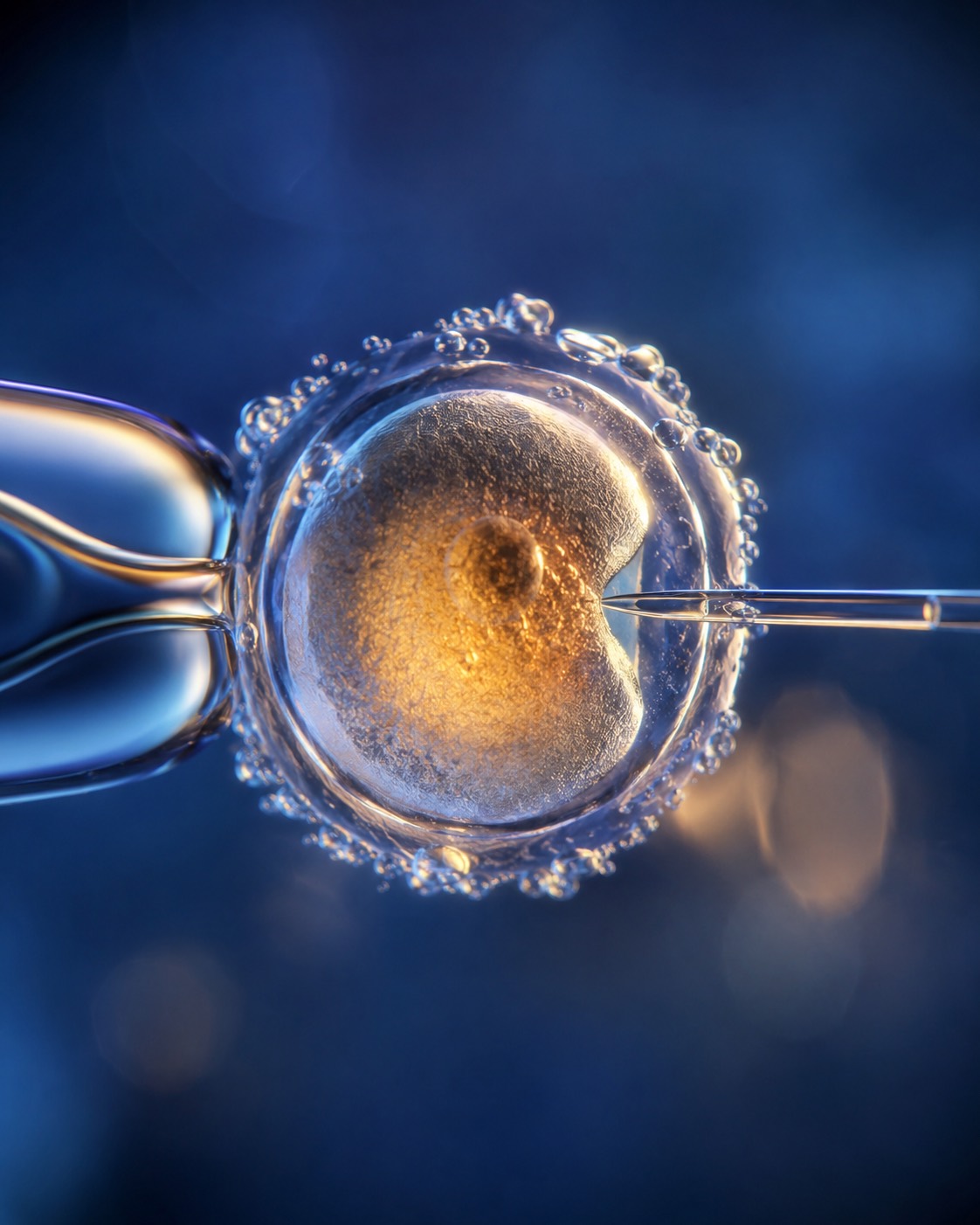
In 2019, a couple had their first baby at Ingenes through In Vitro Fertilization. Four years later, in 2023, they came back with the same wish: a second child. This time the path was more complex, and a single procedure would not be enough.
She was 36, slightly overweight, and had Polyendocrine Metabolic Ovarian Syndrome (PMOS, formerly Polycystic Ovary Syndrome or PCOS), together with insulin resistance. He had a male factor (teratozoospermia, abnormalities in sperm shape). The case, documented by the Ingenes research team together with Cinvestav-IPN and accepted for publication in Clinical Case Reports, shows how combining four techniques across the three fronts of TripleMed™ achieved a pregnancy after a failed attempt.[1]
The first attempt of this new journey
In the first cycle of this new stage, the team followed the standard protocol. A hysteroscopy ruled out structural abnormalities but confirmed the underlying problem: a thin endometrium, only 3.6 mm, far below the 7 mm considered the ideal minimum for an embryo to implant.
To improve it, Endogen™ was applied, the Ingenes endometrial regeneration that uses the patient’s own platelet-rich plasma (PRP): its growth factors stimulate new tissue and improve blood supply to the endometrium. The tissue responded, and a chromosomally healthy embryo, confirmed with PGT-A, was transferred. Even so, the embryo did not implant.
The missing piece: metabolism
The patient decided to pause the next cycle to lose weight. She succeeded and reduced her body mass index, but the tests showed something key: metabolic syndrome and insulin resistance were still present. Losing weight, on its own, had not corrected the underlying problem.
The analysis of her diet revealed about 2000 calories a day with roughly 55% carbohydrates. The Metabolic Medicine team moved her to a ketosis-based nutritional intervention: around 1800 calories a day with a maximum of 50 g of carbohydrates, and close follow-up to ensure adherence.

Results came quickly. In two weeks, her fasting glucose and triglycerides dropped, and her HOMA-IR index fell below 2.0, the threshold that marks insulin resistance. For the first time in the process, her body was handling energy in a healthy way.
Choosing the best embryo
With the metabolism corrected, the team started a second stimulation cycle. This time it added the Implantation Score, a non-invasive molecular study developed at Ingenes that analyzes the cells surrounding each egg (the cumulus cells) to predict its real implantation potential.
Of the eggs retrieved, three stood out for their quality. After fertilization by ICSI (indicated by the male factor), two embryos turned out to be chromosomally healthy according to PGT-A and, in addition, had the best Implantation Score values. Those two embryos were the ones chosen for transfer.
An endometrium finally receptive
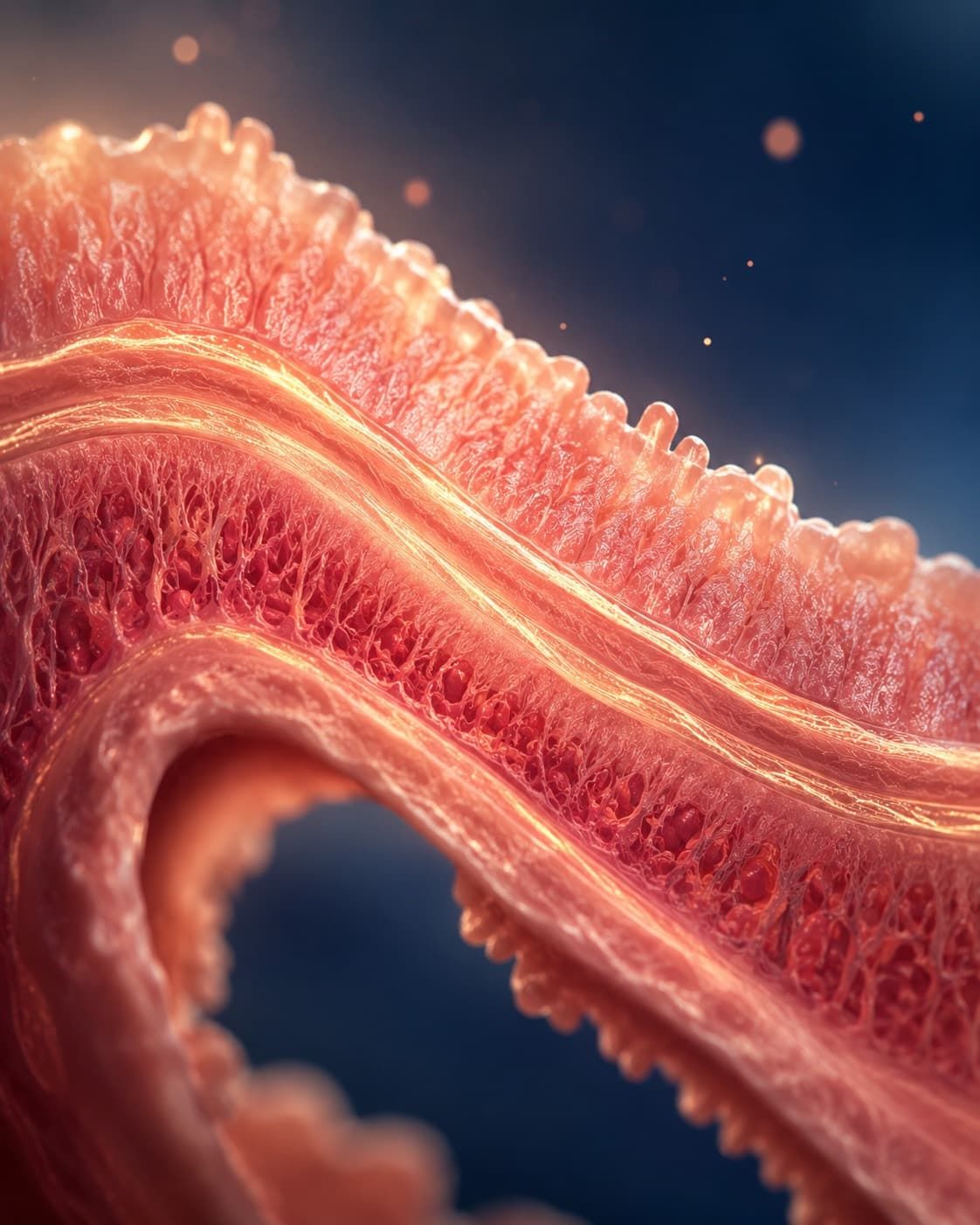
Keeping the ketogenic diet and with a new application of Endogen™ (PRP), the endometrium finally reached an ideal trilaminar structure of 11.8 mm, the triple-line pattern associated with the best receptivity. The same uterus that had started at 3.6 mm was ready.
The result
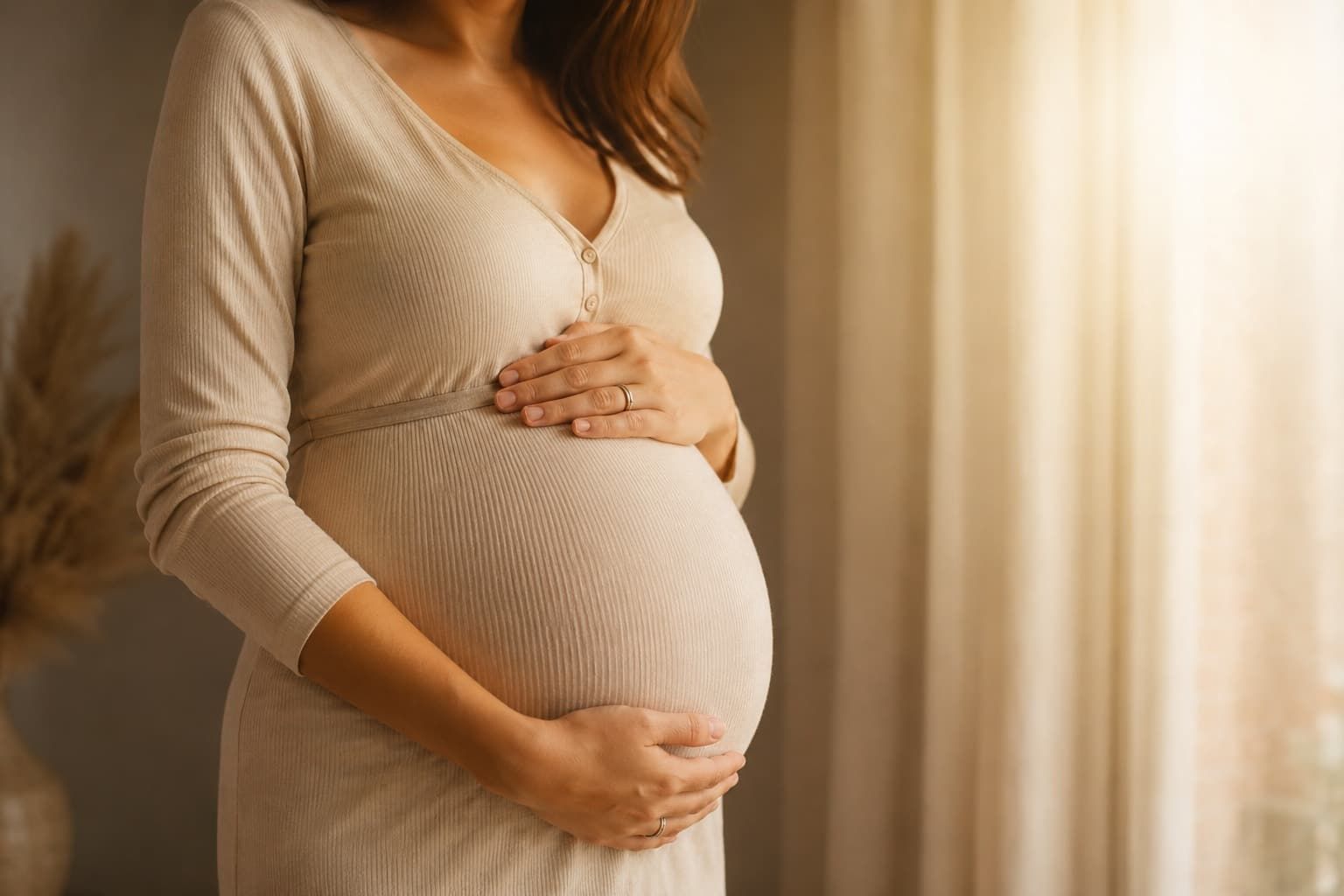
The two embryos were transferred. This time, implantation occurred: the pregnancy test (beta-hCG) read 362 mIU/mL and, at six weeks, an ultrasound confirmed the fetal heartbeat. In week 39, a healthy baby was born, a boy of 3465 g and 53 cm, with an Apgar of 8/9.
Each technique had solved a different variable. Together, they built a continuous chain of quality: from metabolism to egg, from embryo to endometrium.[1]
What this case teaches us
This case brings together, in a single story, the three fronts of TripleMed™: the Metabolic Medicine that corrected insulin resistance, the Regenerative and Genetic Medicine that contributed the Implantation Score, PGT-A, and endometrial regeneration with Endogen™, and the Reproductive Medicine that integrated everything into an IVF cycle with ICSI.
When a transfer fails, repeating the same protocol rarely changes the outcome. What changed here was looking at the whole couple: her metabolism, the selection of eggs and embryos, and the preparation of the endometrium, working on each front with the right technology. We do not talk about curing here: we intervene, correct, and build the conditions for pregnancy to become possible.
If you have had transfers that did not implant, or were told there was nothing left to do, it is worth having your case evaluated with this integrated view. Schedule your First Consultation and learn about all the tools that can work in your favor.
Scientific source
- Rojas-Pérez TG, Reyes-Albarracín Y, Ortiz G, Suárez JJ, Cordero J, Vilchis D, Hernández-Melchor D, López-Bayghen E. Addition of multi-level technologies to evaluate eggs and embryos and improve endometrial quality applied for in vitro fertilization to achieve pregnancy: a case study. Clinical Case Reports (accepted 2026). Instituto de Infertilidad y Genética (Ingenes), Instituto Regenera, and Cinvestav-IPN.