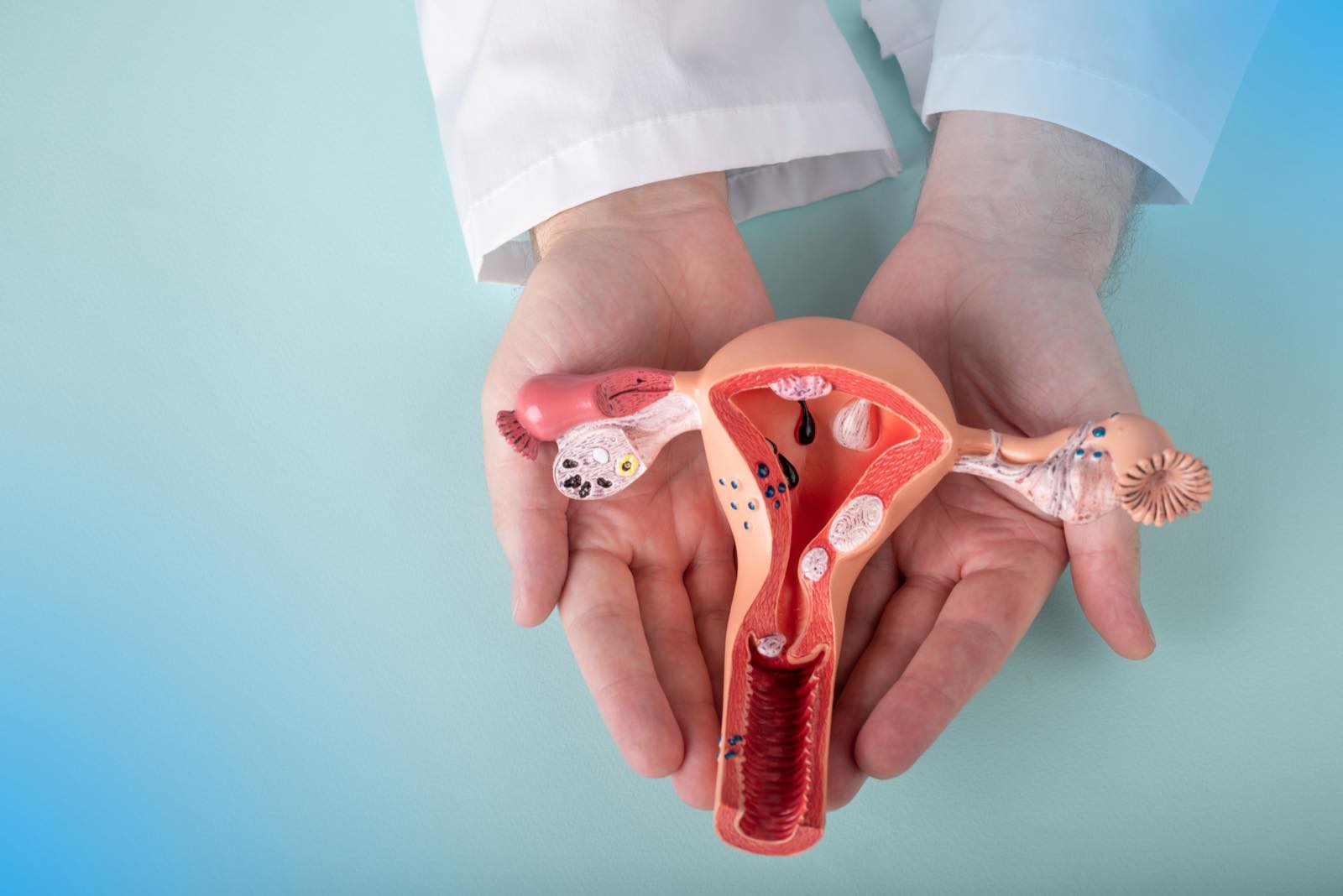

Your egg quality also depends on your metabolism

When female fertility comes up, age takes over almost the entire conversation. With good reason: over time, both the quantity and quality of eggs decline.
There is another aspect that deserves attention and usually gets left out: metabolic health.
The environment where your eggs mature
The body works as a system in which processes are connected. Metabolism takes part in how the body uses energy, regulates glucose, and responds to different hormones. When one of those processes is disrupted, the effects reach several organs, including those tied to reproductive health.
Eggs develop inside the ovaries and need a suitable environment to mature. Hormones, nutrients, cellular energy, and several biological mechanisms all take part. Glucose and insulin are part of that balance.
Insulin helps cells use glucose as an energy source. When the body has to produce increasing amounts to keep glucose within range, insulin resistance appears. That condition is linked to hormonal alterations which, in some women, also affect ovarian function.
That is why talking about egg quality does not end with age. It means looking at the whole context.
Insulin resistance and ovarian function
Insulin resistance is linked to various hormonal alterations and, in certain cases, to ovulation difficulties.
One of the settings where it is most often seen is Polyendocrine Metabolic Ovarian Syndrome (PMOS, formerly Polycystic Ovary Syndrome), a common hormonal condition frequently accompanied by insulin resistance. Generalizing is a mistake here: not every woman with PMOS has the same characteristics, and not all of them have difficulty conceiving.
When insulin resistance is present, elevated levels of the hormone interact with other signals involved in ovarian function. That can drive imbalances interfering with ovulation or with follicular development.
And there is more. Egg quality does not depend only on whether ovulation occurs. The literature describes two mechanisms by which insulin resistance affects oocyte maturation: increased oxidative stress and impaired mitochondrial function, which reduce glucose uptake and use by granulosa cells, the cells that surround and nourish the egg.

Metabolic testing fills in what hormone tests alone do not show
What can be evaluated
When you want to understand your fertility, looking only at the ovaries leaves information out. A reproductive assessment can include, depending on your history:
- Hormone testing
- Ovarian reserve assessment with anti-Müllerian hormone (AMH)
- Ultrasound for the antral follicle count
- Metabolic profile, when your history justifies it
If you have a history of metabolic or hormonal alterations or irregular cycles, your specialist combines that information to understand your case better.
When to seek guidance
If you have irregular cycles, a history of PMOS, insulin resistance, metabolic changes, or you simply want to know your ovarian reserve, there is no need to wait for a difficulty to appear.
A consultation helps answer concrete questions:
- Where does my ovarian reserve stand today?
- Is my ovulation regular?
- Which tests apply to my case?
- What options do I have given my age and circumstances?
The first consultation is the space to review your history and define which tests you actually need, without piling up the ones that change no decision.
Frequently asked questions
Can I improve my egg quality?
No treatment reverses the effect of age. What can be worked on is the environment in which eggs mature, and metabolic control has a role there.
How do I know if I have insulin resistance?
It is assessed with fasting glucose and insulin tests, and with indices derived from both. Your specialist decides which apply based on your history and symptoms.
Does having PMOS mean I will have trouble conceiving?
Not necessarily. Many women with PMOS achieve pregnancy, with or without treatment. The diagnosis describes a set of characteristics, not an individual prognosis.
Is it worth caring for my metabolism if I am already over 38?
The effect of age on egg quality does not reverse. Even so, metabolic control influences ovulation and the follicular environment, so it remains part of the plan.
Knowing today to decide tomorrow
Fertility is shaped by several factors, and each one deserves to be looked at in context. Age matters, and so do ovarian function, hormones, metabolic health, and other aspects of your wellbeing.
This is not about anticipating problems. It is about understanding your options with reliable information.
Sources consulted
- Advances in the study of the correlation between insulin resistance and infertility. PMC. ncbi.nlm.nih.gov
- Insulin Resistance Adversely Affects IVF Outcomes in Lean Women Without PCOS. PMC. ncbi.nlm.nih.gov
- American College of Obstetricians and Gynecologists. Polycystic Ovary Syndrome (PCOS). acog.org