
Uterine fibroids and fertility: when they can affect your chances of having a baby
Being told you have a uterine fibroid can raise an immediate question if you are trying to have a baby: could this keep me from getting pregnant? The answer depends on several characteristics, because fibroids don’t all behave the same way and they don’t all affect fertility.
At Ingenes, we have been part of many stories in which fibroids were part of the diagnosis. Knowing they are there is only the starting point: what matters is their size, their location, and how they relate to the uterine cavity. From there, we can work out how much weight they carry in your reproductive history.
What it means to have uterine fibroids
Fibroids, also known as myomas or leiomyomas, are benign growths that develop in the uterus. They are fairly common and may cause no symptoms at all.
That is why finding a fibroid on an ultrasound doesn’t automatically mean there is infertility. This matters, because when you are diagnosed with fibroids it is easy to assume you have found the cause of any difficulty getting pregnant. That isn’t always the case: the link between fibroids and fertility depends on their location, size, number, and how they relate to the uterine cavity.
At Ingenes, we don’t read a fibroid diagnosis as just “you have a fibroid.” We want to know where it is, how big it is, and what other factors may be affecting your fertility. Some fibroids sit in areas where they have little or no effect on reproductive capacity; others can change the shape of the uterine cavity and matter more.
Having a fibroid doesn’t necessarily mean you need surgery or that you have to put your plans for a baby on hold. First, we need to understand your case at a First Consultation.
When a fibroid can affect your chances of having a baby
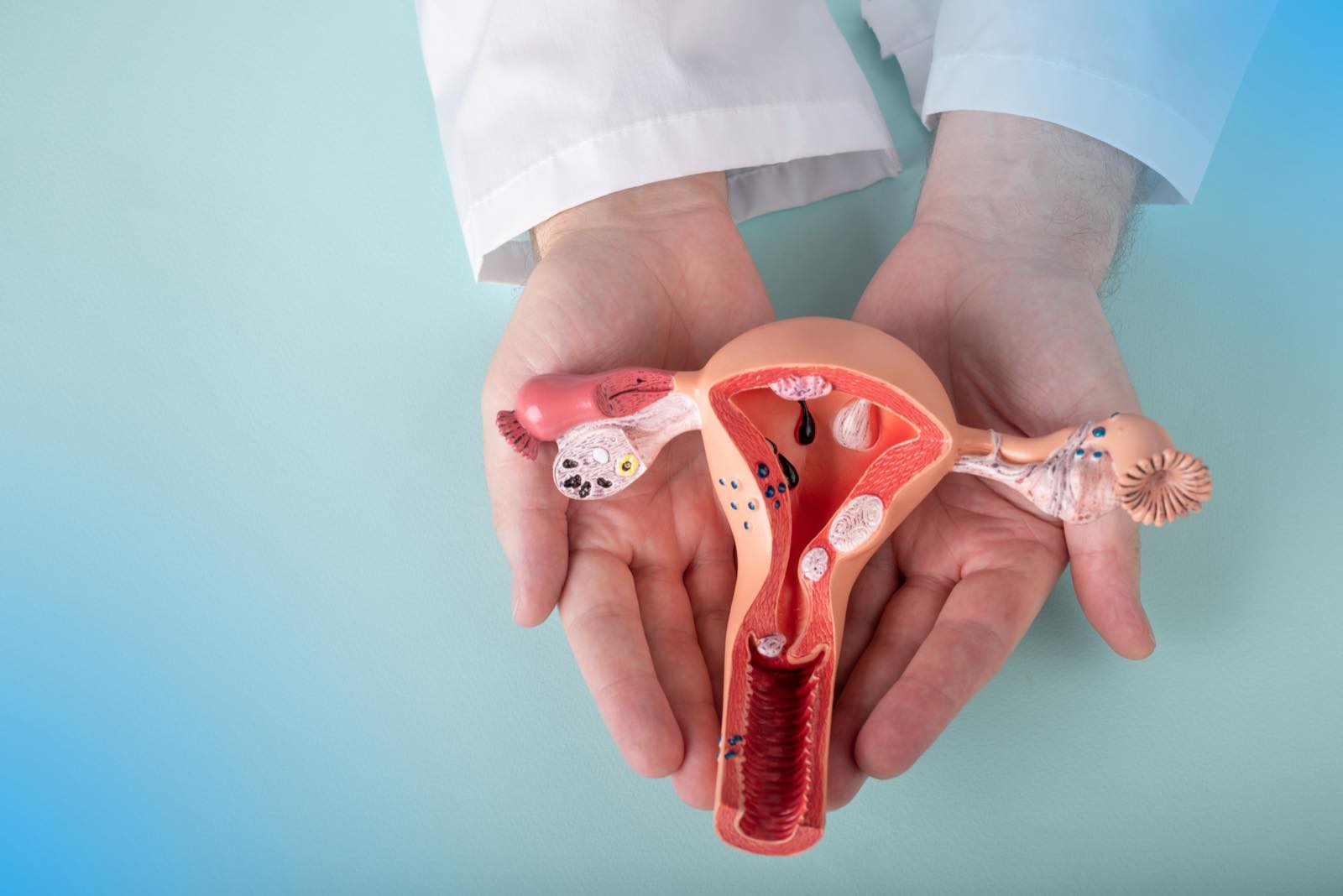
Location is one of the things we most want to know, because fibroids don’t all have the same impact on fertility:
- Submucosal: they are closely related to the uterine cavity and can affect the space where the embryo needs to implant.
- Intramural: they sit within the muscular wall of the uterus; their impact may depend on their size and on whether they change the shape of the cavity.
- Subserosal: they grow toward the outside of the uterus and, in general, have less to do with fertility.
More than memorizing these names, the key is understanding that location matters as much as the fibroid’s presence. If you want to dig deeper into how they influence the moment the embryo attaches to the uterus, read when fibroids, polyps, and adenomyosis do affect implantation, and when they don’t.
We also look at symptoms. Some women have very heavy periods, pelvic pain, pressure, or urinary discomfort; others have none of these. Having no symptoms doesn’t make a fibroid irrelevant, and it doesn’t on its own show that the fibroid is affecting fertility either.
That is why each evaluation has to be individual. At Ingenes, we have seen cases in which fibroids were part of a broader diagnosis. In some, the evaluation showed that this factor needed to be addressed before continuing with fertility treatment; in others, the fibroid was not what explained the difficulty getting pregnant. That difference is essential: we want to understand the real role the fibroid plays in each story, instead of turning a common finding into an infertility diagnosis.

Where a fibroid sits tells you as much as the fact that it is there
How we evaluate fibroids and their relationship to fertility
The first step is understanding the anatomy of your uterus. These are the pieces of the evaluation:
Ultrasound. It lets us identify fibroids, see their size and location, and assess other reproductive structures.
Relationship to the uterine cavity. Knowing that a fibroid exists isn’t enough: specialists need to know whether it changes the uterine cavity and how. Depending on the case, we may recommend additional tests, such as a hysteroscopy, which allows a closer look inside the uterus. You can learn more about the uterine factor in fertility.
Other fertility factors. Even if we find a fibroid, we keep evaluating everything else. Fertility depends on ovulation, ovarian reserve, the fallopian tubes, the uterus, and the male factor, among other things. If a couple has been trying for a while, studying only the fibroid can leave out important information.
This evaluation helps us answer a very specific question: is your fibroid actually affecting your path to a baby, or is it a finding that can be managed another way? The answer depends on your tests and your history.
When to see a reproductive medicine specialist
If you have fibroids and want to have a baby, our advice is to avoid assuming you need treatment just because they are there, and also to avoid ignoring them. An evaluation with a reproductive medicine specialist helps determine how much they matter and whether it makes sense to intervene before trying to conceive or starting treatment.
We especially recommend an evaluation if you have:
- Fibroids that change the shape of the uterine cavity.
- Large fibroids.
- Heavy menstrual bleeding.
- Pelvic pain or pressure.
- A history of infertility.
- Previous pregnancy losses.
- Previous assisted reproduction treatments that didn’t work.
- A fibroid diagnosis and plans to start IVF.
Whether to treat a fibroid depends on several factors. In some cases, monitoring is enough; in others, an intervention may be worth considering before moving forward with fertility treatment. One surgical option in certain situations is a myomectomy, which removes the fibroids while preserving the uterus. Not everyone needs surgery, and the decision should take your plans to have a baby into account.
At your First Consultation, we review your tests, assess your situation, and define which path may be right for you. You can also read more in our post on how uterine myomatosis affects fertility.
Frequently asked questions
Are fibroids and myomas the same thing?
Yes. Fibroid, myoma, and leiomyoma are names for the same benign growth of the uterine muscle.
Do all fibroids affect fertility?
No. Their impact depends mainly on location, size, and their relationship to the uterine cavity. Those that distort the cavity tend to matter most; those that grow toward the outside of the uterus generally have less to do with fertility.
Do I need surgery before trying to get pregnant?
Not necessarily. In some cases, monitoring is enough. Surgery, such as a myomectomy, is considered when the fibroid may be interfering with pregnancy, and the decision is made together with your specialist.
If I have no symptoms, can I ignore the fibroid?
It is still worth having it evaluated. A fibroid without symptoms may be irrelevant to your fertility or may be changing the uterine cavity; only an evaluation can tell.
Understanding what your fibroid means
Having a fibroid doesn’t mean giving up on having a baby. It is worth understanding exactly what type of fibroid you have and what role it may be playing in your story, because the same diagnosis can mean different things for different people.
Beyond “do I have fibroids?”, the question we want to answer with you is: what does this fibroid mean for my fertility, and what do we need to do to understand my options? With that information, we can build a clearer, more personalized path.
Sources
- American College of Obstetricians and Gynecologists (ACOG). Uterine Fibroids. acog.org
- American Society for Reproductive Medicine (ASRM). Fibroids and Fertility. reproductivefacts.org
- American Society for Reproductive Medicine (ASRM). Treatment of uterine fibroids. reproductivefacts.org
- MedlinePlus. Uterine Fibroids. medlineplus.gov