

You had your tubes tied and today you want a baby
Tubal ligation is not the end of your path to motherhood. In Vitro Fertilization lets you fulfill your dream without reversing the surgery, in less time and with higher chances of success.
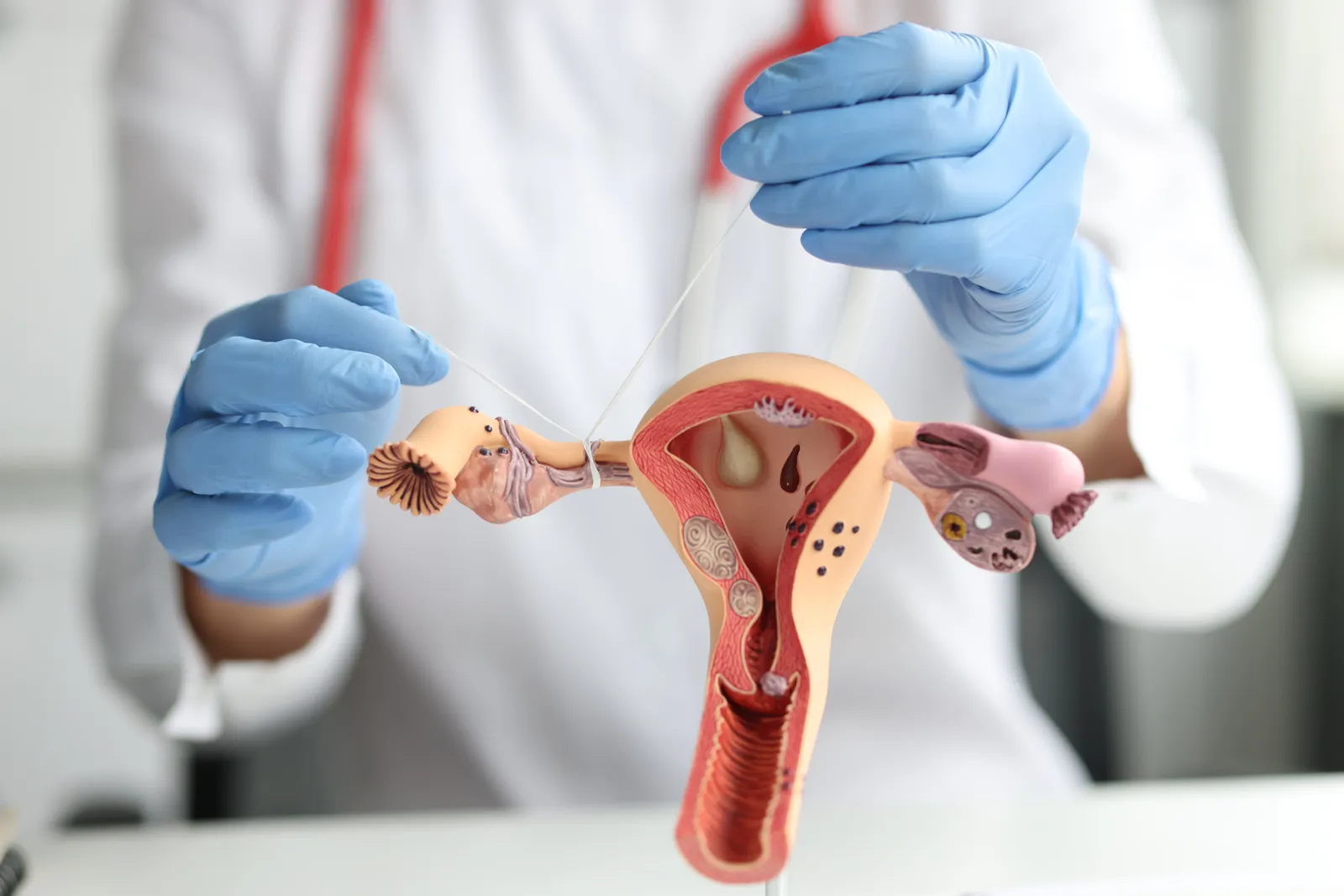
Tubal ligation, also known as tubal occlusion or Bilateral Tubal Obstruction (BTO), was for a long time considered a definitive decision. Today, thanks to In Vitro Fertilization (IVF), thousands of women who had their tubes tied have been able to fulfill their dream of becoming moms.
At Ingenes we walk with you with a specialized medical team, high-complexity technology, and the Multicycle Programs, designed to give you the highest chances of success in the shortest possible time.
- up to 0% success rate with Multicycle IVF Solutions
- 0% ectopic pregnancy risk with IVF
- weeks to start treatment, without waiting 1 year like with recanalization
- +0 babies delivered at Ingenes
What is tubal ligation?
Tubal ligation or salpingoclasia is one of the main surgical procedures for female sterilization. It consists of cutting, clamping, blocking, tying, or cauterizing the fallopian tubes.
With this procedure, the egg cannot travel from the ovary to the uterus, and in turn, sperm cannot meet the egg and fertilize it.
Although it is traditionally considered a permanent method, today reproductive medicine offers a safe and highly effective alternative: In Vitro Fertilization.

Your path is unique. So is your plan.
We design a protocol tailored to you after understanding your story and your previous tests. No generic diagnoses or protocols.
In Vitro Fertilization is the best option after a ligation
Assisted Reproduction specialists worldwide recommend IVF over any other alternative. We explain why.
-
No new surgery
IVF takes place in the lab; you don't need to reverse the ligation or undergo another operation. Your tubal ligation stays intact and we only activate your fertility for this treatment.
-
Results in a few weeks
IVF can start in the same menstrual cycle once your diagnosis is complete. Tubal recanalization, in contrast, may require waiting up to a year to try conceiving.
-
Greater safety and precision
The risk of ectopic pregnancy is eliminated (one of the main complications after reversing a ligation) and genetic anomalies can be detected with Preimplantation Genetic Diagnosis.
IVF vs Tubal recanalization
The two options to have a baby after a tubal ligation. The difference in safety, time, and results is significant.
- Recommended
In Vitro Fertilization (IVF)
Outpatient laboratory procedure that avoids any new surgery and maximizes your pregnancy probabilities.
- No additional surgery
- Results in a few weeks
- No ectopic pregnancy risk
- Up to 96% success with Multicycle
- Allows Preimplantation Genetic Diagnosis
- Alternative
Tubal recanalization
Major surgery to reconnect the fallopian tubes. Less recommended option due to its long-term complications.
- Requires new surgical intervention
- Prolonged recovery time
- Up to 1 year wait to try conceiving
- Higher ectopic pregnancy risk
- Less predictable results
Multicycle Programs: up to 4 IVF attempts with maximum peace of mind
Our In Vitro Fertilization Multicycle Programs are the best option to fulfill your dream of becoming a mom. They offer up to 4 IVF attempts within a single plan, optimized cycle by cycle based on your body's response.
Throughout the entire process, a specialized medical team monitors your ovarian stimulation to prevent Ovarian Hyperstimulation Syndrome or multiple pregnancies. These are possible risks, but they can be ruled out and easily avoided when you turn to top-tier specialists.
- Up to 4 IVF attempts in a single plan
- Permanent medical monitoring during stimulation
- Plan adjusted in real time based on your response
- Emotional support included
- Up to 96% cumulative success rate

Frequently asked questions about pregnancy after tubal ligation
Can I have a baby if I had my tubes tied?
Yes. Although tubal ligation is considered a permanent sterilization method, today there are treatments like In Vitro Fertilization (IVF) that let you conceive without reversing the surgery. IVF is the safest, fastest path with the highest chances of success.
What is the difference between IVF and tubal recanalization?
IVF is an outpatient laboratory procedure that requires no surgery and lets you start treatment in a few weeks. Tubal recanalization is major surgery to reconnect the tubes, with prolonged recovery time, higher risk of ectopic pregnancy, and a wait of up to one year to try conceiving naturally.
Do I have to reverse my ligation to do IVF?
No. One of the great advantages of IVF is that your tubal ligation stays intact. Fertilization takes place in the lab, so the tubes don't participate in the process. After pregnancy you can continue to have control over your fertility without needing contraceptives.
What are the risks of IVF after a tubal ligation?
The main risks are Ovarian Hyperstimulation Syndrome and the possibility of multiple pregnancy. Both are avoidable with proper medical monitoring, which at Ingenes we do throughout the entire ovarian stimulation. Important: IVF eliminates the risk of ectopic pregnancy, which is common after a recanalization.
How successful is IVF in women with a tubal ligation?
Success rates depend on age, ovarian reserve, and other factors specific to your case. With our Multicycle Programs (up to 4 IVF cycles in a single plan) we reach up to 96% cumulative success rate. Your specialist explains the real probabilities of your case after the initial diagnosis.
How soon can I start treatment?
Once your fertility diagnosis is complete, IVF treatment can start in the next menstrual cycle, usually within 2 to 4 weeks. This contrasts with the wait of up to a year after a tubal recanalization.
Does age influence treatment success?
Yes. Age is a decisive factor in egg quality and quantity. If you had your tubes tied and today decide to become a mom, don't let more time pass. An early evaluation lets you know your real options and design the plan that best fits your case.
Your dream of becoming a mom can come true
Book your first consultation to learn about your case, evaluate your reproductive health, and design the plan that gives you the best chances of having your baby.
Contact us