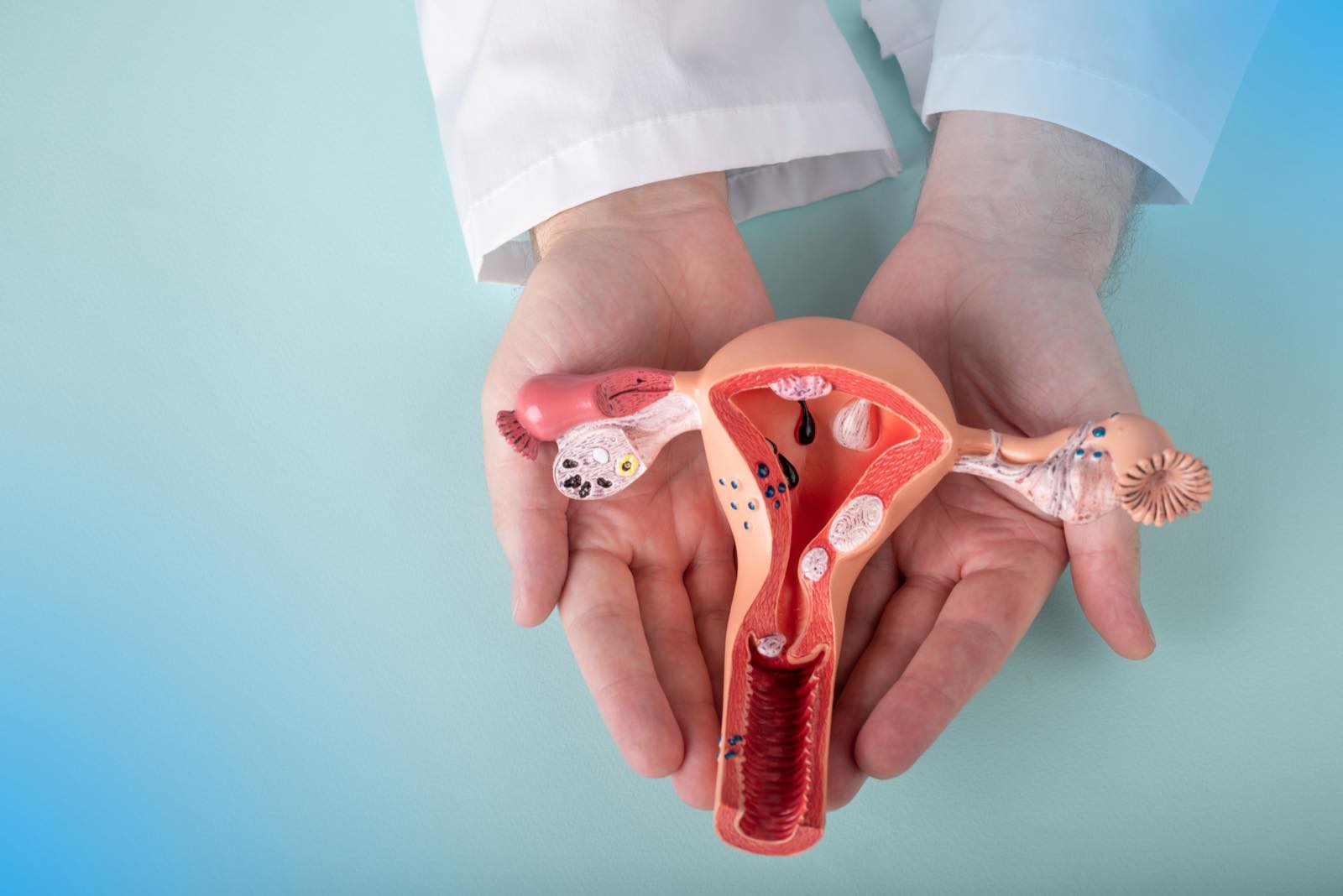

World Fertility Day: time to talk about the new ways to build a family

Every year, World Fertility Day becomes an opportunity to highlight a reality lived by millions of people around the world: the wish to have a baby and the challenges that can appear along the way.
For a long time, fertility was a topic few people talked about openly. Many couples and patients went through reproductive difficulties in silence, with doubts, uncertainty, and often without knowing there were medical alternatives that could help them.
Today, the conversation has changed.
Modern reproductive medicine has completely transformed how we understand fertility, biological time, and the possibilities of building a family. Thanks to scientific advances, there are now tools to study different reproductive factors with precision and design personalized treatments for patients with very different needs.
World Fertility Day is not only about raising awareness of infertility. It is also a moment to talk about hope, innovation, and all the possibilities available today for people who want to have a baby.
Fertility is also part of your health
Many people believe fertility should only be addressed when an obvious problem in achieving pregnancy appears. Yet reproductive health is an integral part of overall well-being and can be influenced by multiple factors.
Fertility does not depend on a single element. It involves complex processes related to:
- Egg quality
- Sperm quality
- Reproductive age
- Hormonal balance
- Metabolic health
- Genetic factors
- Uterine and endometrial health
- Lifestyle
- Stress and emotional well-being
That is why modern reproductive medicine increasingly focuses on comprehensive evaluations that allow understanding the full picture of every patient.
The goal is no longer simply to “keep trying.” Today the focus is on understanding what is happening and how each stage of the reproductive process can be optimized.
Reproductive reality has changed around the world
World Fertility Day also arrives in a context where decisions about motherhood and fatherhood have changed enormously.
Today, many people decide to have a baby later in life for different reasons:
- Professional development
- Financial stability
- Personal growth
- Social changes
- New family structures
- Waiting for the right moment
This has led more women and couples to seek pregnancy after age 35, a stage when natural fertility begins to decline progressively.
And while this shift reflects much more conscious and planned motherhood and fatherhood, it also brings new biological challenges.
Egg quality and ovarian reserve change over time, even in completely healthy women. That is why many people discover that achieving pregnancy can take longer than expected or require specialized medical support.
Talking about infertility is also talking about millions of stories
Infertility is far more common than many people imagine.
Millions of couples and patients around the world face difficulties achieving pregnancy, but they often live through this process in silence due to fear, social pressure, or misinformation.
Furthermore, infertility does not always have a single cause.
In some cases it may be related to female factors. In others, to male factors. And often there are multiple elements involved at the same time.
That is why one of the most important advances in reproductive medicine has been moving beyond general approaches toward much more precise and personalized diagnostics.
Today, specialists can study factors such as:
- Embryo development
- Chromosomal health
- Implantation
- Endometriosis
- Polycystic ovary syndrome (PCOS, now PMOS)
- Ovarian reserve
- Hormonal alterations
- Advanced male factors
- Genetic compatibility
This level of precision has allowed many people to find answers that previously seemed impossible to identify.
Technology completely changed reproductive medicine
A few decades ago, many fertility conditions had very few treatment alternatives.
Today, assisted reproduction has evolved enormously thanks to scientific and technological innovation.
Advanced tools now available include:
- In Vitro Fertilization (IVF)
- ICSI
- Fertility preservation
- Embryo genetic studies
- Time-Lapse technology
- Precision hormonal diagnostics
- Advanced sperm evaluation
- Personalized ovarian stimulation protocols
These advances make it possible to address increasingly complex cases with much more individualized strategies.
Most importantly, modern assisted reproduction no longer focuses solely on achieving fertilization. Today the goal is to understand every stage of the reproductive process to optimize the chances of pregnancy.

Preserving fertility is also part of the future
One of the topics that has gained greater relevance in recent years is fertility preservation.
More and more women want to keep their reproductive possibilities open while continuing to develop other personal or professional projects.
Egg freezing is no longer seen as a distant decision exclusive to certain profiles. Today it represents a preventive tool that helps protect fertility for the future.
This is especially important because many people do not know that the decline in ovarian reserve can begin several years before visible symptoms appear.
Fertility preservation makes it possible to make decisions with greater freedom and planning, providing more reproductive options for the future.
The new ways to build a family are also part of this conversation
World Fertility Day also reflects how the way of building a family has evolved.
Today, the wish to have a baby includes stories and family structures far more diverse than in previous generations.
We currently see:
- Women who choose solo motherhood
- Same-sex couples building a family
- Patients turning to egg or sperm donation
- People who seek to preserve their fertility before certain medical treatments
- Families turning to surrogacy
Modern reproductive medicine has evolved precisely to support these new realities.
Because today the definition of family does not depend on a single traditional model. It is built from the wish, the decision, and the possibility of sharing a life project.
The importance of emotional support
One of the most important aspects within fertility is the emotional impact this process can have.
Many people experience anxiety, frustration, or exhaustion after months or years trying to achieve pregnancy.
That is why more and more specialized clinics understand that emotional well-being is also part of the treatment.
Psychological support and personalized care help people go through this process with greater clarity and backing.
Fertility does not only involve medical tests and treatments. It also involves emotions, expectations, and decisions that are deeply important for those who want to have a baby.
Ingenes and a new vision of fertility
On this World Fertility Day, it is also important to recognize how reproductive medicine continues to evolve to offer new possibilities for more people.
At Ingenes, fertility is approached from a comprehensive vision, combining:
- Advanced technology
- Precision diagnostics
- Scientific innovation
- Personalized care
- In-house laboratory
- Protocols adapted to each patient
- Close support throughout the entire process
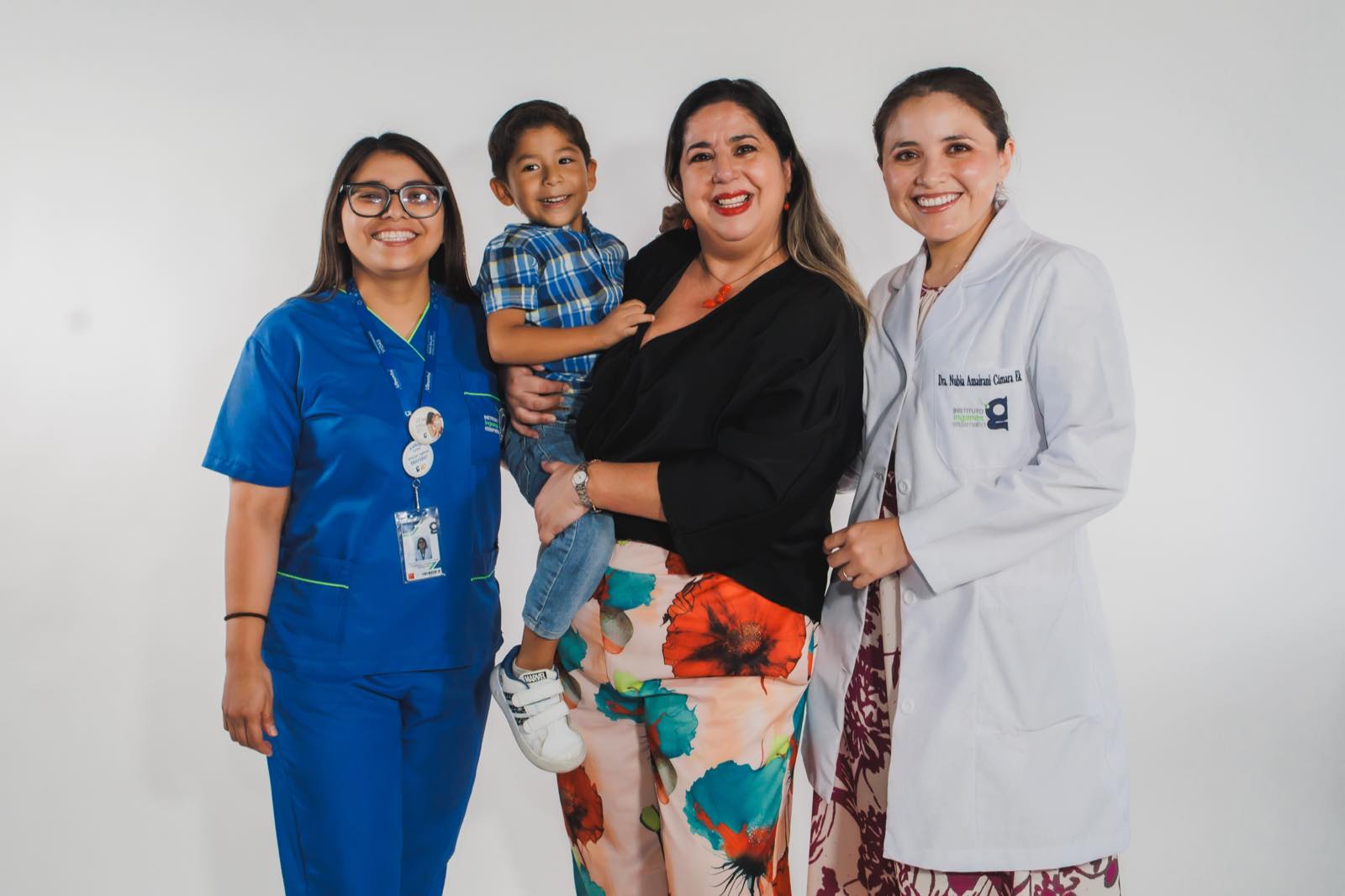
With more than 20 years of experience and presence in Mexico and the United States, Ingenes has consolidated as one of the most important fertility institutes in Latin America.
Its approach seeks to understand that every reproductive story is different and that every patient needs strategies adapted to their specific needs.
Fertility is also hope
Talking about fertility should not be linked only to difficulties or uncertainty.
It is also talking about science, new opportunities, and all the possibilities that exist today thanks to advances in reproductive medicine.
World Fertility Day represents an important reminder: millions of people around the world share the same wish to build a family, and there are now many more tools to help them get closer to that possibility.
Because although every reproductive path is different, modern medicine has shown that there are more and more ways to accompany, understand, and support that process.
A future where possibilities continue to grow
Fertility will keep evolving along with science and the social changes of new generations.
Today, people seek to make more conscious, informed, and personalized decisions about their reproductive future.
And that is precisely where medical innovation continues to make an enormous difference.
From advanced treatments to fertility preservation, precision diagnostics, and specialized support, modern assisted reproduction is transforming what once seemed impossible.
At Ingenes, that future is already part of the present.
Because behind every scientific advance there is a deeply human goal: helping more people get closer to the possibility of having a baby.