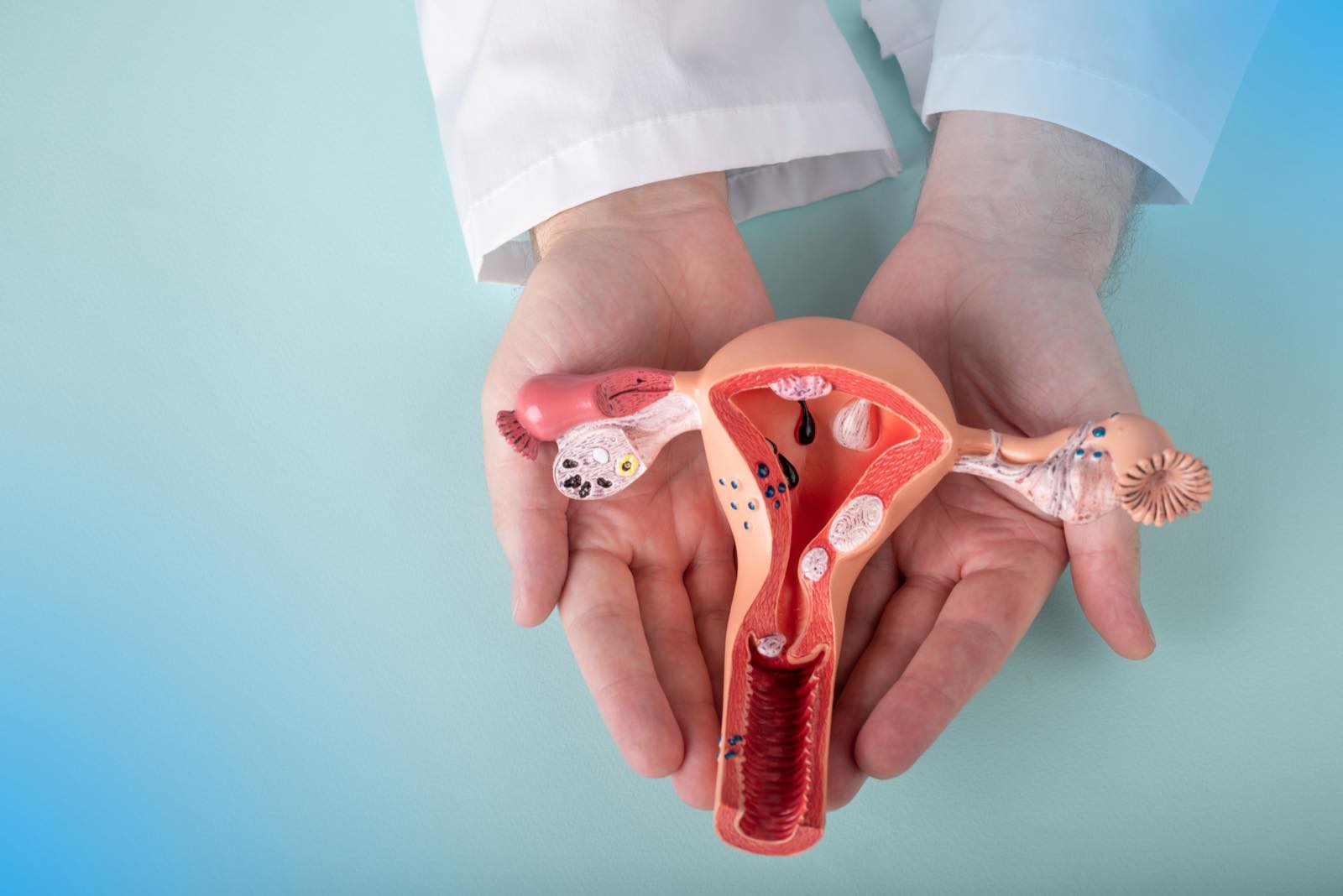

Goodbye to PCOS: Why Polycystic Ovary Syndrome Now Has a New Name, PMOS
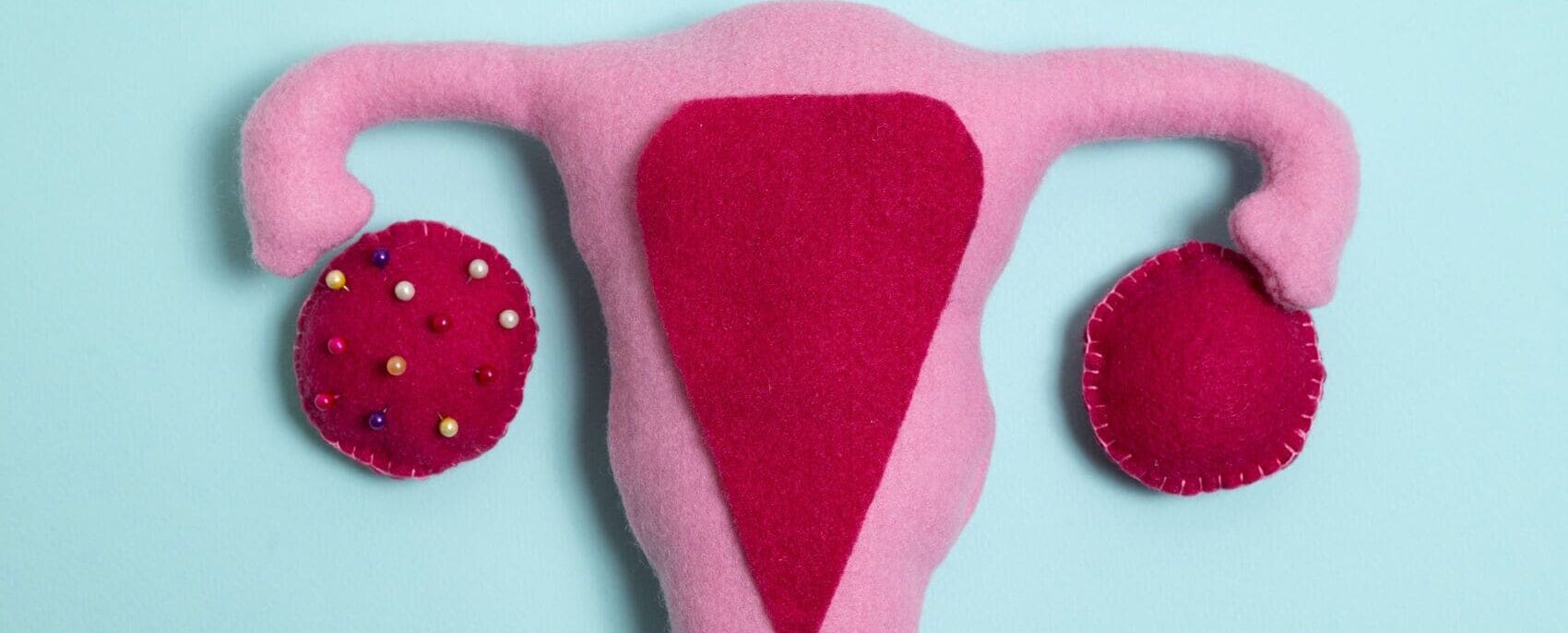
For years, millions of women heard the same diagnosis: Polycystic Ovary Syndrome, known as PCOS.
And for years, something important also happened: many patients felt that the name never fully explained what they were actually experiencing.
Because PCOS was never just about “cysts on the ovaries.”
Many women diagnosed with the condition:
- Do not even have visible cysts
- Experience significant metabolic alterations
- Live with insulin resistance
- Face complex hormonal changes
- Experience anxiety, inflammation, fatigue, or fertility challenges
- Spend years trying to understand why their body functions differently
Now, after more than a decade of international scientific discussion, that is finally changing.
In May 2026, a global consensus published in The Lancet and supported by more than 50 medical and patient organizations officially announced a new name for the condition:
PMOS (Polyendocrine Metabolic Ovarian Syndrome).
And while for many people this may seem like only a name change, it actually represents something much deeper:
a new way of understanding, diagnosing, and treating this condition.
The problem was never only “the ovaries”
One of the biggest problems with the name “Polycystic Ovary Syndrome” is that it made people believe everything revolved around the ovaries and cysts.
But scientifically, that never told the full story.
In fact:
- Not all patients have polycystic-appearing ovaries
- The “cysts” are not actually true cysts
- Many of the most important alterations happen outside the ovaries
Today, specialists understand that this condition involves multiple systems throughout the body:
- Metabolism
- Hormones
- Insulin
- Inflammation
- Cardiovascular health
- Ovulatory function
- Skin
- Mental health
- Fertility
That is why experts began questioning whether the name truly represented what patients experience.
And the conclusion was clear:
it did not.
The Endocrine Society itself explained that the previous term reduced a complex endocrine condition to a misleading concept focused only on “cysts.” For years, this contributed to delayed diagnoses, misinformation, and incomplete treatment approaches.
Why the new name matters so much
The new term, Polyendocrine Metabolic Ovarian Syndrome (PMOS), aims to better describe what is truly happening inside the body.
Each word carries important meaning.
Polyendocrine
Because the condition involves multiple hormones and endocrine systems, not only the ovaries.
Patients may experience alterations related to:
- Androgens
- Insulin
- Cortisol
- Metabolism
- Ovulation
- Reproductive hormones
Metabolic
Because today we know that many patients experience significant metabolic alterations, especially insulin resistance.
And this matters enormously.
Insulin resistance does not only affect body weight. It can also impact:
- Ovulation
- Egg quality
- Cardiovascular risk
- Inflammation
- Hormonal health
- Fertility
For years, this metabolic component was minimized within the name PCOS.
Now, it takes a central role.
Ovarian
Because the ovaries are still an important part of the condition, especially regarding ovulation and reproduction.
But they are no longer the sole focus.
A change built over 14 years
This change did not happen overnight.
According to reports published by The Lancet and the Endocrine Society, the process took approximately 14 years of international collaboration.
Participants included:
- Endocrinology specialists
- Medical societies
- Fertility experts
- Researchers
- Patient organizations
- Women living with the condition
More than 22,000 surveys and multiple international workshops helped define the new terminology.
The goal was to create terminology that was:
- More scientifically accurate
- Less stigmatizing
- Easier to understand
- Better able to improve diagnosis and medical care
Because for years, many patients had been saying something important:
PCOS never felt like “just an ovarian issue.”
How PMOS truly affects fertility
One of the most important aspects of this conversation continues to be fertility.
PMOS remains one of the leading causes of ovulatory infertility worldwide.
But even here, the new approach dramatically changes how specialists understand the condition.
Previously, many patients heard oversimplified explanations:
“You have cysts.”
“Your problem is ovulation.”
“You just need to lose weight.”
Today, we know reality is far more complex.
PMOS can affect:
- Ovulation quality
- Follicular development
- Hormonal balance
- Ovarian metabolism
- Egg quality
- The endometrium
- Implantation
- Other pregnancy-related factors
That is why modern treatment approaches can no longer focus only on regulating menstrual cycles.
Today, these cases require a much more comprehensive evaluation.
The major problem of delayed diagnosis
One of the most concerning realities is that many women spend years without a proper diagnosis.
Some normalize symptoms such as:
- Irregular cycles
- Persistent acne
- Weight gain
- Hair loss
- Excess hair growth
- Fatigue
- Difficulty getting pregnant
Others receive partial treatment without a deeper metabolic evaluation.
And many arrive at fertility consultations without realizing they have spent years living with silent hormonal and metabolic alterations.
The experts behind the name change emphasized exactly this:
the term PCOS contributed for years to minimizing the true complexity of the condition.
Much more than fertility
Another important shift in the new approach is recognizing that PMOS affects far more than the ability to get pregnant.
It may also be associated with:
- Type 2 diabetes
- Metabolic syndrome
- Cardiovascular alterations
- Anxiety
- Depression
- Chronic inflammation
- Sleep disorders
- Mental health challenges
- Quality of life issues
This helps explain why many patients feel that “something is wrong” even beyond their menstrual cycles.
And it also explains why treatment and support need to be far more comprehensive.
What this change could transform for patients
Changing the name of a medical condition does not automatically cure it.
But it can profoundly change the conversation surrounding it.
Because names matter.
They influence:
- How a condition is understood
- How it is explained to patients
- How it is studied
- How it is diagnosed
- How it is treated
- How seriously it is prioritized within medicine
The shift to PMOS seeks to do exactly that:
leave behind a limited perspective and move toward a more precise and comprehensive understanding.
And for many women, that represents something deeply important:
finally feeling heard.
Reproductive medicine is evolving too
The evolution from PCOS to PMOS reflects something larger:
reproductive medicine is changing rapidly.
Today, it is no longer enough to focus only on ovaries or menstrual cycles.
Modern fertility care now evaluates:
- Metabolism
- Hormones
- Genetics
- Inflammation
- Egg quality
- Sperm health
- Endometrial receptivity
- Many other factors that previously went unnoticed
This deeper approach allows specialists to better understand complex cases and build far more personalized strategies.
Because every patient experiences this condition differently.
And that is exactly why treatment should never look the same for everyone.
Ingenes: Understanding Fertility Through a More Comprehensive Perspective
The transition from PCOS to PMOS makes one thing very clear:
fertility cannot be understood through only one organ or one symptom.
Today, we know that behind many fertility challenges there may be hormonal, metabolic, and reproductive factors that need to be analyzed together.
That is why, at Ingenes, fertility cases are approached through a far more comprehensive and personalized perspective.
Because deeply understanding what is happening at every level of the process allows specialists to create more precise strategies for every patient.
And in a condition as complex as what is now called Polyendocrine Metabolic Ovarian Syndrome, that difference can completely change the path toward achieving pregnancy.
PCOS no longer exists only as we once understood it.
And perhaps behind this new name begins a new chapter for millions of women who spent years trying to understand what was truly happening inside their bodies.