

Getting pregnant at 40? “I was 44 and I thought that was impossible»

Getting pregnant at 40 is possible and safe. After 35, the quality and quantity of eggs decrease, reducing the chances of conceiving. It’s a natural process, but Assisted Reproduction Technologies (ART) help you “stop the biological clock” and achieve a baby even after 40.
Below, Ruth shares how at 44, with a multicycle In Vitro Fertilization treatment, she fulfilled her dream of becoming a mother.
What challenges does getting pregnant at 40 pose?
“I had ruled out motherhood; I thought it was no longer possible because of my age. When I met my husband, trying again became a big dream.” At 44, after six months of natural attempts, Ruth went to Ingenes. Although she ovulated regularly and had no uterine issues, conception didn’t happen.
Tailoring IVF for women over 40
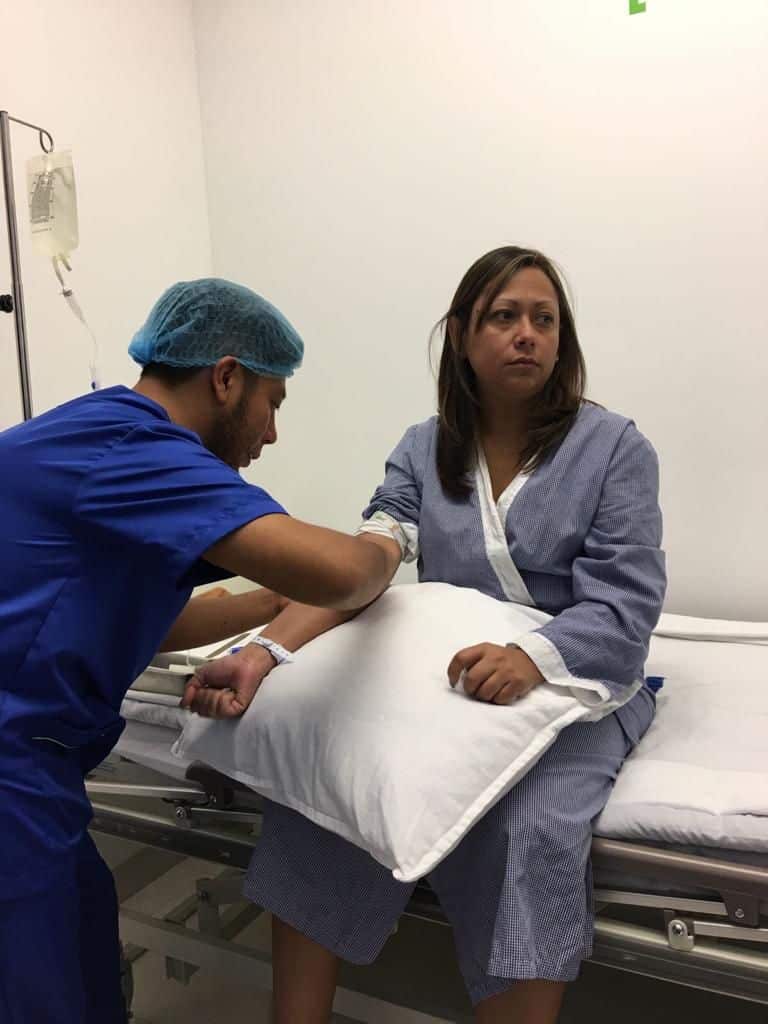
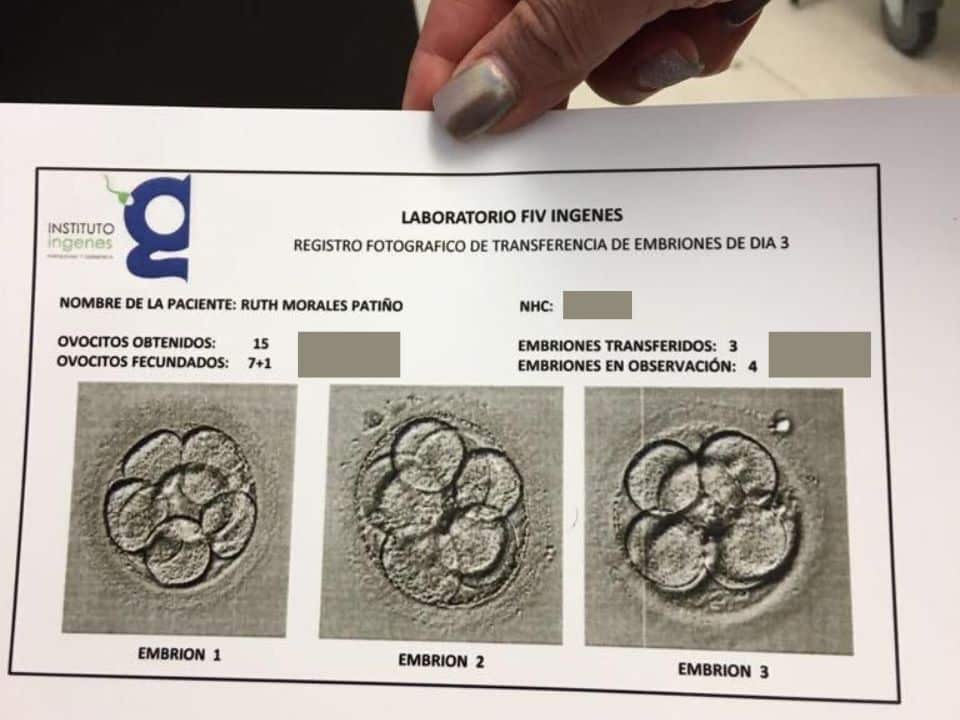
In her first cycle, the emotional ups and downs were intense. “My doctor and nurse gave me patience and warmth. Feeling secure made all the difference.” After a failed attempt, they discovered a cervical constriction via hysteroscopy and designed a custom protocol for her.

The success of the second transfer
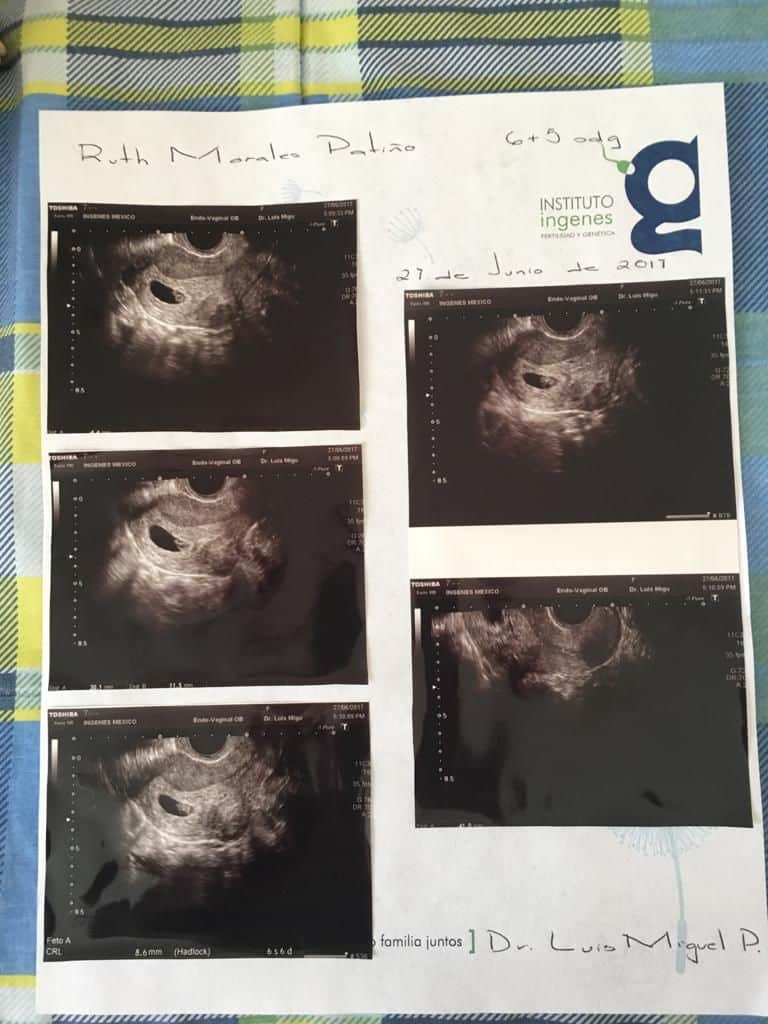
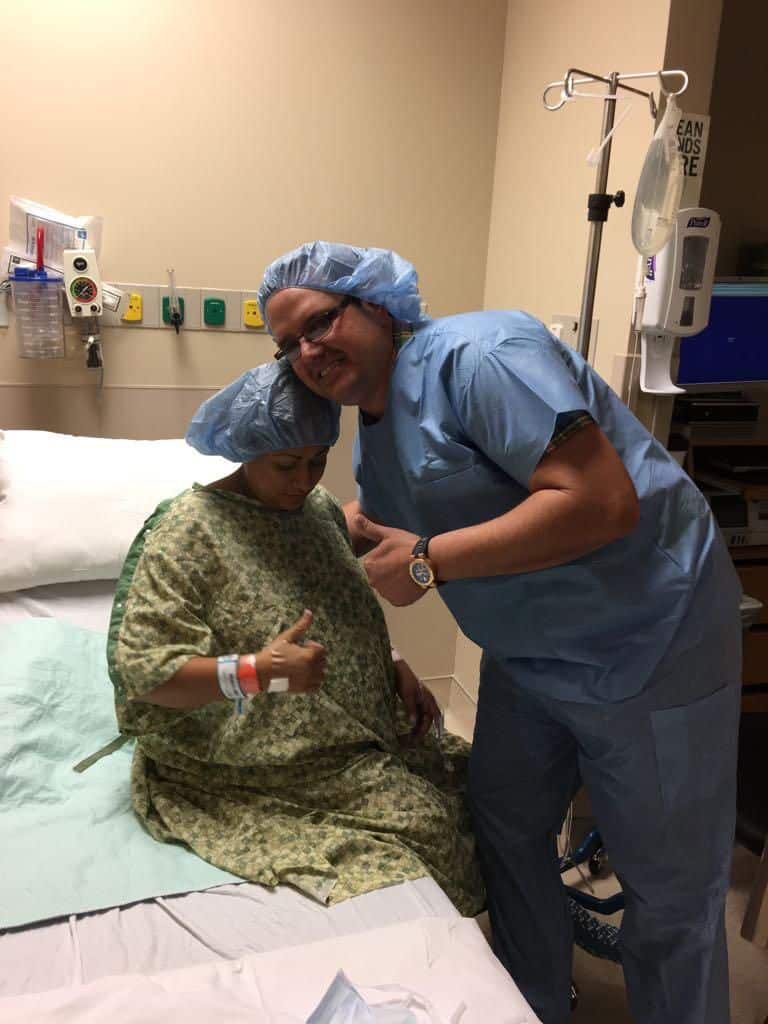
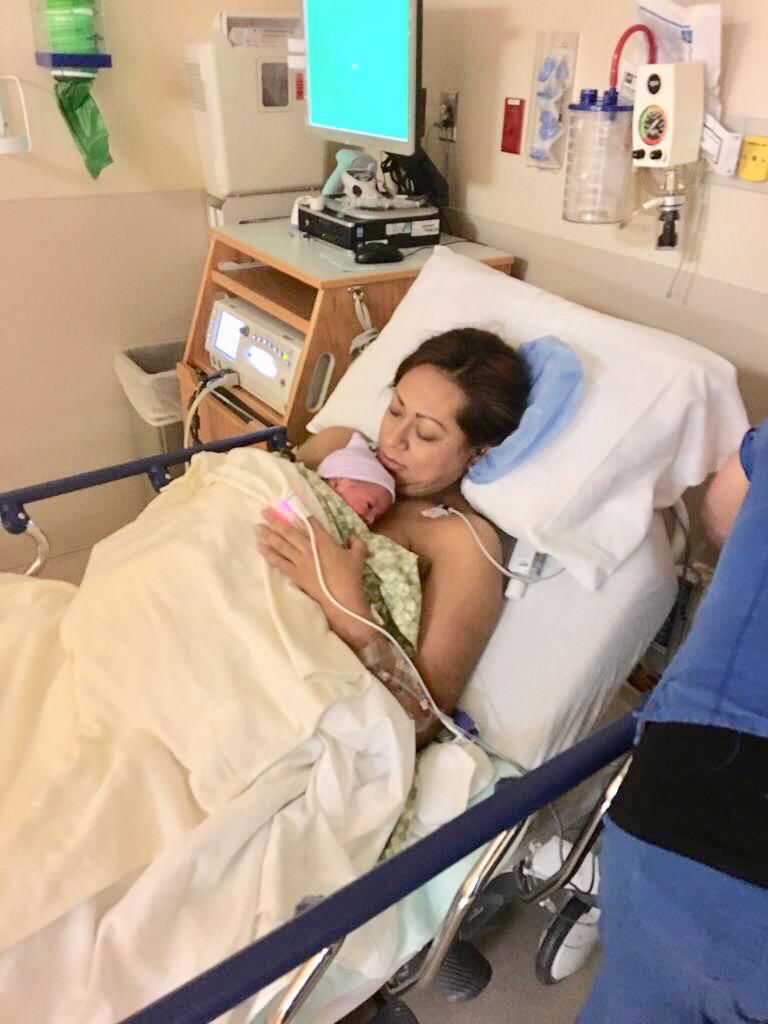
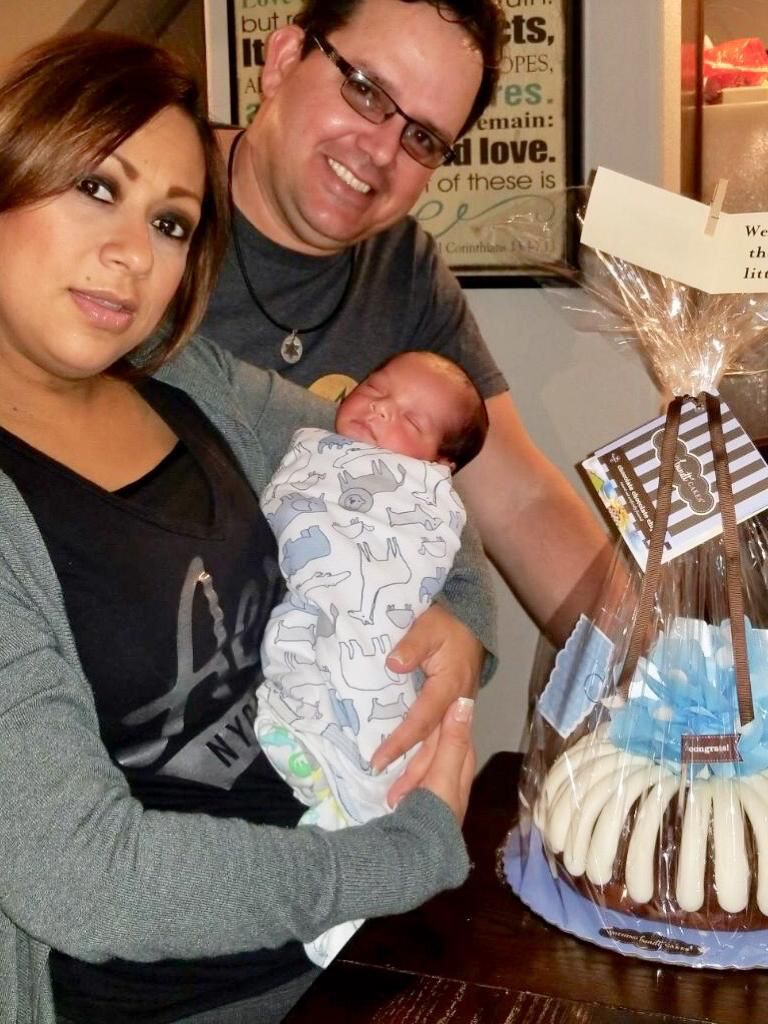
With the second transfer, Benjamin was born. “I rested for a month to recover, returned from Las Vegas to Mexico, and received the greatest blessing.” When she heard him cry, she felt her soul return. “Today my heart beats outside of me through my child.”
Key treatments and support after 35
If you are over 35 and haven’t conceived after 6 months, see a specialist. ART includes ovarian stimulation, ICSI, egg donation, and preimplantation genetic diagnosis. At Ingenes, our Initial Program offers:
- Hormone profile and AMH levels (ng/mL).
- Antral follicle count by ultrasound.
- Personalized treatment plan.
If you want to share your story, tell us here. You can also read other testimonials like “Pregnancy at 48 with low ovarian reserve” and “Mother at 40”.
FAQ about pregnancy at 40
Is pregnancy after 40 risky?
There may be a higher risk of hypertension and gestational diabetes, but with check-ups every 4–6 weeks and a BMI between 18.5–24.9, these risks decrease. A balanced diet with 0.8 g/kg of protein daily helps maintain health. Specialists also recommend folic acid (400 µg daily) and 30 mg of iron per day, all under medical supervision.
How long should you try naturally before seeing a specialist?
Under 35: consult after 12 months without results. Over 35: ideally at 6 months. Early diagnosis with FSH, LH, AMH tests, and antral follicle ultrasound optimizes your treatment.
What is an antral follicle count?
It measures the small follicles in the ovaries by ultrasound. Between 8 and 12 follicles indicate good reserve; fewer than 5 may suggest low reserve and recommend egg donation. Along with AMH, it helps adjust the FSH dose (up to 375 IU daily).
How does egg quality affect late conception?
With age, chromosomal aneuploidy increases and the rate of euploid embryos drops to 10% between 40 and 45 years. That’s why PGT-A is useful to select healthy embryos. Combined with multi-egg cycles, success can reach 50% per transfer.
Sources consulted
- American Society for Reproductive Medicine. Age and fertility: a guide for patients. 2020.
- National Institutes of Health. Fertility (male and female). 2022.
- Practice Committee ASRM. Testing and interpreting ovarian reserve. Fertility and Sterility. 2015.
- World Health Organization. WHO recommendations on preconception. 2018.
We know this journey can be challenging. You are not alone: seek the support of an assisted reproduction specialist to receive the right guidance and treatment. Your dream of becoming a mother or father is closer than you think.