Futura News

Home > News
cancer-de-mama-y-fertilidad-vientre-de-mujer-embarazada-con-mono-rosa-por-cancer-de-mama
Fertility

Breast cancer and fertility

Many people may be familiar with the efforts of promoting breast cancer awareness during its commemorative month,  however, a lesser-explored aspect of the disease is its effect on reproductive health and vice-versa, our reproductive history may give us hints of risk factors that influence the propensity to develop this type of cancer, let’s keep in mind that even though women are statistically most propense, this disease affects both women and men. Risk factors There are several propensity factors for developing breast cancer, both controllable and uncontrollable: Prolactin’s role Prolactin is a hormone produced by both men and women, it is associated with the development breast growth and lactation, however new studies have suggested that there is a relationship between prolactin production and the development of breast cancer. At Ingenes, part of the evaluations of the reproductive health of our patients includes a measurement of prolactin levels, that serves as an important fertility indicator. Keeping in mind that this hormone alone cannot provide a final diagnosis, but it provides relevant information to understand the state of the ovarian reserves. Chemotherapy’s side effects on fertility It is important to know that chemotherapy is a common cause of infertility, so it is not uncommon to encounter cancer patients and survivors who wish to learn more about the various treatment and fertility options available. Breast self-examination and annual check-ups Performing routine self-examinations is a recommendable habit, according to the self-examination manuals created by the Mexican Institute of Social Security, these should be carried out 7 days after menstruation, it is important to create a routine and become acquainted with our bodies in order to identify any abnormalities in a timely manner, in addition to this, it is advisable to start an annual breast cancer screening by mastography at 40 years of age, however, if there is a family history of breast cancer, it is advisable to begin screening at 30 years of age.

Read More »
Fertility

World Health Day: Understanding the Health Factors Affecting Birth Rates

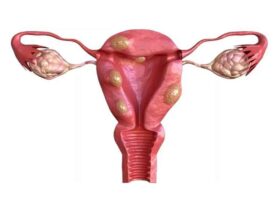
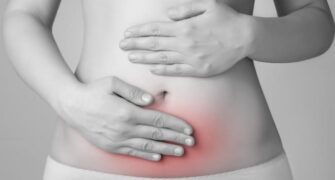
Uterine myomatosis is the formation of myomas or fibroids inside the uterus. These are benign tumors classified according to their location. Depending on where they are found, fibroids are classified as: Intramural: within the muscular wall of the uterus. They can affect fertility if they exceed 4 cm. Submucosal: on the surface of the uterine lining. They hinder embryo implantation. Subserosal: in the outer layer of the uterus. They usually do not interfere with fertility. What is uterine myomatosis and why does it matter for fertility? Uterine myomatosis involves the growth of fibroids, benign smooth muscle tumors, inside the uterus. It affects about 20% of women of reproductive age, especially after age 30. Fibroids can range from microscopic nodules to masses over 4 kg, altering the shape of the uterus and reducing pregnancy chances. How common is uterine myomatosis in those trying to conceive? Uterine fibroids are the most common pelvic tumors in women of reproductive age, present in nearly 70–80% before menopause. Although many are asymptomatic, those that deform the uterine cavity—particularly large intramural and submucosal fibroids—are involved in up to 80% of uterine factor infertility cases. How do fibroids affect embryo implantation? Large submucosal and intramural fibroids can: Alter sperm transport and uterine peristalsis Reduce endometrial receptivity by compressing the lining Increase the risk of implantation failure and early miscarriage Can fibroids complicate pregnancy? Yes. During pregnancy, fibroids can cause: Higher risk of miscarriage and preterm birth Fetal growth restriction due to lack of space Cervical canal obstruction or labor dystocia Postpartum hemorrhage from poor uterine contraction What symptoms may indicate fibroids? About 25% are asymptomatic. When symptoms occur, they include: Sensation of pelvic pressure or heaviness Heavy or prolonged menstrual bleeding Pelvic cramps and irregular bleeding Frequent urination or difficulty urinating Secondary infertility or recurrent miscarriages Severity depends on fibroid size, number, and location. How is diagnosis confirmed? Transvaginal ultrasound is the gold standard, with nearly 100% sensitivity (95% transabdominal). In complex cases, MRI is used. Always consult a reproductive medicine specialist to interpret results and design a treatment plan. Fertility-preserving treatment options Choice depends on age, fibroid characteristics, and reproductive goals: Expectant management for small, asymptomatic fibroids Myomectomy (surgical removal), followed by assisted reproduction techniques Controlled ovarian stimulation combined with in vitro fertilization (IVF) if cavity distortion persists IVF bypasses uterine transport obstacles and allows for selecting the embryo with the highest implantation potential. For more information, see our guide on Endometriosis: what it is and how it impacts fertility. FAQ 1. Can small fibroids disappear on their own? Yes. Many remain stable or shrink after menopause due to estrogen decline. In reproductive age, asymptomatic fibroids under 2 cm are usually monitored with periodic ultrasounds. If you plan to conceive, even a small submucosal fibroid can affect implantation, so consult your doctor to assess intervention before trying to conceive. 2. Are there non-surgical treatments? GnRH agonists and selective progesterone receptor modulators can temporarily shrink fibroids and reduce bleeding in 3–6 month cycles. They improve conditions before surgery or comfort but are not definitive solutions. Never self-medicate without medical supervision. 3. When can I attempt IVF after a myomectomy? Ideally between 6 and 12 months after surgery, before recurrence risk increases. This timing allows the uterine lining to heal and optimizes pregnancy chances. Make sure your specialist confirms proper healing with ultrasound or hysteroscopy before starting treatment. 4. Does the risk of miscarriage increase? Yes. Fibroids that deform the cavity or alter blood flow are associated with early pregnancy loss. Risk increases with fibroid size and location, especially submucosal and large intramural fibroids. Proper management, surgical or with assisted reproduction, significantly reduces miscarriage rates. Always consult a specialist before making decisions. References Faerstein, E., Szklo, M., & Schwingl, P. J. (2001). Risk factors for uterine leiomyoma: a practice-based case–control study. American Journal of Epidemiology, 153(5), 463–469. doi:10.1093/aje/153.5.463 Lau, W., & Shlisselberg, S. (2016). Management of uterine fibroids. American Family Physician, 94(2), 106–113. https://www.aafp.org/afp/2016/0715/p106.html MedlinePlus. (2021). Uterine fibroids. https://medlineplus.gov/uterinefibroids.html Stewart, E. A. (2015). Uterine fibroids. Lancet, 376(9745), 145–157. doi:10.1016/S0140-6736(10)60246-1 Remember: every body is unique. Stay informed, keep hope, and consult an assisted reproduction specialist for personalized care.

Read More »
Fertility

Keys to an Accurate Diagnosis in the Search for Fertility

The journey to parenthood is unique for each couple, and an accurate diagnosis is the essential first step. At Ingenes, we understand that every detail counts on the path to having a baby at home. The Importance of an Accurate Medical Diagnosis An accurate medical diagnosis is essential to chart a clear path in fertility treatment. Correctly identifying the causes of infertility not only makes it easier to select the most appropriate treatment but also gives couples a deeper understanding of their situation. This is crucial to managing emotions and expectations during this process. The Five Pillars of Fertility The Importance of a Timely Diagnosis A timely and accurate diagnosis can be the difference between years of unsuccessful treatments and a successful path to motherhood. At Ingenes, 90% of our patients arrive after having gone through exhausting experiences, both physically and emotionally. Therefore, our focus is on avoiding the loss of valuable time and providing fast and accurate diagnoses. Technology and Expertise at Ingenes We have cutting-edge technology and a team of highly trained specialists in various areas of assisted reproduction. This allows us to offer a clear diagnosis and a personalized treatment plan from the first consultation. Understanding and Managing Infertility Understanding the causes of infertility and the details of treatment helps couples better manage the situation. At Ingenes, we strive to provide not only medical advice but also emotional support, so that each couple feels safe and understood at every stage of the process. At Ingenes, your dream of having your baby at home is our priority. We understand that the path to fertility can be complicated, but with an accurate diagnosis and proper treatment, we are here to help you turn that dream into reality. If you are looking to have a baby at home and want to better understand your fertility situation, visit Ingenes. Our experts are ready to guide you every step of your journey. Contact us today to start your path to parenthood.

Read More »
Fertility

Does diabetes mellitus affect fertility?

Diabetes mellitus is characterized by high blood glucose levels and, if left uncontrolled, can affect a man’s fertility in several ways. The first step in controlling diabetes is to eat a healthy diet and exercise regularly. If this is not enough, you may need to take medication or insulin injections. Diabetes treatment is usually enough to restore fertility. Otherwise, in vitro fertilization with intracytoplasmic sperm injection (IVF+ICSI) is the treatment of choice to achieve pregnancy. It is advisable to perform a sperm DNA fragmentation test before starting any assisted reproduction treatment since diabetes mellitus damages sperm DNA and a high fragmentation rate could affect the success rates of these procedures. What is diabetes mellitus? Diabetes mellitus is a disease in which the body does not produce enough insulin or does not use it properly. Insulin is a hormone that transforms sugar, starch, and other foods into the energy we need daily. According to data from the World Health Organization, diabetes mellitus affects 200 million people worldwide, and it is estimated that by 2030 there will be 366 million diabetics. Diabetes mellitus is characterized by high levels of glucose in the blood and if not controlled can affect a man’s fertility in several ways: Women with uncontrolled diabetes may have ovulation problems or be more prone to cervical-vaginal infections. Similarly, high blood sugar levels increase the risk of miscarriage and can cause birth defects in the fetus or even lead to excessive growth (macrosomia) and complications during delivery. The main symptoms of diabetes mellitus The main symptoms of diabetes mellitus are: If you have any of these symptoms you should consult a doctor immediately, as timely treatment of diabetes can prevent various health problems. Causes of diabetes mellitus Diabetes mellitus occurs because the body does not produce enough insulin or does not use it properly. Some factors that increase the likelihood of developing diabetes include: It is important to note that diabetes can be hereditary and men with parents or brothers who suffer from it are more likely to develop it. How is diabetes mellitus diagnosed? In addition to a physical examination and a review of the patient’s medical history, a fasting blood glucose test is necessary. A person with a blood glucose level of 126 mg/dl or higher has diabetes and should be treated. People with diabetes mellitus need to have regular tests to make sure their glucose levels are under control. If you have had trouble conceiving and are overweight or if someone in your family has diabetes, it is recommended that you have a blood test to rule out this disease. Treatments for achieving pregnancy when you have diabetes mellitus The first step to controlling diabetes is to eat a healthy diet and exercise regularly. If this is not enough to keep your blood sugar levels under control, you may need to take medications such as sulfonylureas and metformin or take insulin injections. Diabetes treatment is usually enough to restore fertility. Diabetics under good medical control, with good body weight and normal blood glucose and cholesterol levels, usually have better quality semen and ejaculate normally. Otherwise, in vitro fertilization with intracytoplasmic sperm injection (IVF+ICSI) is the treatment of choice to achieve pregnancy because it makes it possible to inject a single sperm directly into the cytoplasm of a mature egg using a microscopic needle. It is advisable to perform a sperm DNA fragmentation test before starting any assisted reproduction treatment since a high fragmentation rate could affect the success rates of these procedures. In the case of a man suffering from anejaculation or if there are no good quality sperm in the ejaculate, it is possible to recover them using epididymal aspiration or testicular biopsy. Patients with erectile dysfunction can take medication to restore erections. It is important to note that in cases of retrograde ejaculation, it is possible to recover sperm directly from urine to use in assisted reproduction treatments after a washing process.

Read More »
Fertility

5 ways to support a woman with Polycystic Ovaries

Every August 31 we celebrate International Day of Obstetrics and Pregnant Women, a tribute to those who accompany every heartbeat and every step on the journey to new life, with empathy, science, and dedication.At Ingenes, this day is an opportunity to recognize our Gynecology, Obstetrics, and Reproductive Medicine team. We support women and pregnant people who dream of becoming mothers, often after years of attempts, failed treatments, or complex diagnoses. Today we honor every story, every birth, and every small yet significant achievement. What is obstetrics and what is it for? Obstetrics is the branch of medicine that oversees pregnancy, childbirth, and the postpartum period, caring for the health of both mother and baby. Its work goes beyond delivery: it begins before conception. In assisted reproduction, it integrates with gynecology, reproductive biology, and genetics to offer personalized care. This way we detect and prevent complications, creating an environment of trust and safety during such an important stage. What is the origin of International Day of Obstetrics? It is celebrated on August 31 in honor of Saint Raymond Nonnatus, patron of pregnant women and childbirth, born by Caesarean section after his mother’s death. Today the date highlights obstetricians, midwives, and health professionals dedicated to care before and after birth. It also aims to promote ethical, modern, respectful, and accessible care for everyone who wishes to have a child. How does obstetrics relate to assisted reproduction? In fertility treatments, obstetrics takes on profound meaning. Many patients come to Ingenes after years of unsuccessful attempts or after hearing “there are no more options.” Our support begins with hope. We assess each person’s hormonal, uterine, ovarian, and emotional state, guiding them from investigating causes of infertility to monitoring the first weeks of pregnancy. Thanks to technologies like IVF, the exclusive IVF MORE® technique, and genetic and hormonal tests, we personalize every step with science and empathy. Why does Ingenes stand out in obstetrics at the beginning of thousands of stories? With over 20 years of experience, Ingenes has helped more than 75,000 families bring a baby home. Behind each story is a team of professionals who combine expertise and humanity. Our doctors, certified in Gynecology and Obstetrics with subspecialties in Reproductive Medicine, Clinical Embryology, and Genetics, conduct from the first consultation a comprehensive evaluation—physical, reproductive, emotional, and social—to design tailored treatments. Once pregnancy is achieved, obstetric follow-up continues, prioritizing health, well-being, and emotional bonding. How does early obstetric care benefit your fertility? Obstetrics not only supports pregnancy: early monitoring improves your chances of conceiving. If you are over 35, have been trying for several months without success, or suffer from endometriosis, PCOS, blocked fallopian tubes, or a history of pregnancy loss, it’s key to seek specialized help as soon as possible. At any of our 19 locations in Mexico and the U.S., you can schedule your first consultation for a complete evaluation and personalized treatment plan. Avoid self-medicating without medical guidance; consult a specialist in Assisted Reproduction to increase your chances of pregnancy. How to celebrate this day and your desire to become a mother? International Day of Obstetrics is a time to give thanks and look to the future with hope. Recognizing those who protect life is also honoring your desire to build a family. If your baby hasn’t arrived yet, if you feel you’ve tried everything, or are just starting this journey, this day is yours. Honoring obstetrics is honoring your dream. Learn more about compassionate care in reproductive medicine on National Nurses Day: The Human Heart of Reproductive Medicine and discover the impact of science on Celebrating Hope and Science on World Fertility Day. Frequently Asked Questions What does obstetric follow-up in assisted reproduction involve? It includes periodic visits with ultrasounds (crown-rump length measurement in mm), hCG and progesterone tests, blood pressure monitoring (mmHg), and weight checks (kg). We also offer emotional support and nutritional counseling (balanced diet, moderate exercise) to optimize pregnancy and reduce risks such as preeclampsia or intrauterine growth restriction. When should I consult an obstetrician if I plan to conceive? A preconception visit is recommended if you are over 35, have had spontaneous abortions, chronic conditions (diabetes, hypertension), or previous fertility treatments. We assess immunology (immunoglobulins, Rh), hormones (FSH, LH, AMH in pg/mL), and anatomy (uterine and fallopian tube ultrasound) to design a strategy that increases your chances of conceiving, including supplements like folic acid (400 µg daily). How does IVF MORE® technology help in the obstetric process? IVF MORE® optimizes embryo selection through morphological and genetic evaluation (PGT-A), reducing miscarriage and increasing implantation. It synchronizes endometrial thickness (mm) with embryo development, and early obstetric monitoring tracks the heartbeat from week 6 and adjusts hormonal supplements (progesterone 600 mg/day) for an optimal first trimester. What role do midwives play in modern obstetric care? Midwives provide a holistic approach, supporting respectful birthing techniques and emotional care. They collaborate with obstetricians in detecting warning signs, prenatal education, vital sign monitoring, and breastfeeding guidance. Their involvement reduces unnecessary interventions (C-sections, episiotomies) and empowers you to participate in decisions about your birth. Sources MedlinePlus. Obstetric care. Retrieved from https://medlineplus.gov/obstetriccare American College of Obstetricians and Gynecologists. (2022). Obstetric care consensus. DOI:10.1097/AOG.0000000000000000 World Health Organization. (2018). WHO recommendations: Intrapartum care for a positive childbirth experience. Retrieved from https://www.who.int/publications/i/item/9789241550215 National Institute for Health and Care Excellence. (2020). Fertility problems: assessment and treatment. Retrieved from https://www.nice.org.uk/guidance/cg156 On this International Day of Obstetrics, remember you are not alone: every step counts and every story matters. Consult a specialist in assisted fertilization to receive the care you deserve and give the best welcome to the new life you hope for.


Read More »
que-es-la-miomatosis-uterina-y-como-afecta-tu-fertilidad
Fertility

What is uterine myomatosis and how does it affect fertility?

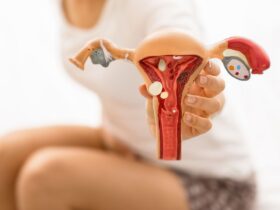
Uterine myomatosis is the appearance of myomas or fibroids inside the uterus. These are benign tumors classified by their location.  The myomas or fibroids inside a woman’s uterus are classified in the following way, according to their location:   Intramural: located in the uterus muscle wall and can affect fertility if they reach more than 4 centimeters.  Submucosal: formed in the surface of the uterine lining and can affect embryo implantation. Subserosal: located in the outer cover of the uterus and usually doesn’t affect fertility. Is it a common condition? It is the most common pelvic tumor. Approximately 20% of women suffer of uterine myomatosis during their reproductive age (from their first menstruation until menopause) and particularly women ovdf the age of 30.  Uterine myomas can be microscopic or slowly grow until filling the entire uterus. They have different shapes and sizes, and although they could be just one, most of the time are multiple.  How does uterine myomatosis affect fertility? These tumors are present in both fertile and infertile women. Nevertheless, 80% of the cases of infertility because of the uterine factor, is because of the appearance of uterine fibroids that affect the uterine cavity, like the case of intramural and submucosal.  The location of the uterine fibroids is very important because this determines whether they can potentially cause infertility, change sperm flow, or negatively affect the embryo implantation process.  Could this condition affect pregnancy?  Uterine myomas can cause compilations in the pregnancy process, such as:   High risk of miscarriage  Fetal growth retardation Premature delivery because of less space in the uterus Obstruction of the cervical canal  Obstruction of labor  Postpartum hemorrhage What are the symptoms?  Around 25% of uterine myomas are asymptomatic. But they can also manifest through:  Feeling of pressure in lower abs  Abnormally abundant menstrual bleeding  Longer than usual menstrual cycles Painful pelvic cramps Bleeding not related to menstruation  Pain or difficulty while peeing  Infertility Recurrent miscarriages It is important to point out that uterine myomatosis symptoms depend on the size, location and number of present fibroids.  What are the causes?  Although science hasn’t found the specific cause of the uterine myomas, it is known that appearance is related with genetic predisposition.  Also, the growth is associated with hormonal changes in the ovaries, in particular with progesterone and estrogen production.  Uterine fibroids appear during the reproductive stage of women, growing during pregnancy (when there is a high level of hormones), and disappear after menopause when the hormone levels are lower.  How can I get a diagnosis?  Reaching a specialist is the first step. The next one, probably, would be a vaginal ultrasound. Which is the most reliable study for uterine myomatosis diagnosis.  It offers nearly 95% of accuracy when done abdominally and 100% when done intravaginally.  The vaginal ultrasound must be interpreted by an expert. Can I become a mother despite being diagnosed with Uterine Myomatosis?  When it comes to achieving a healthy pregnancy,  treatment of uterine myomatosis depends on the age of the woman, and, above all, the size and location of the fibroids.  Subserosal myomas rarely affect fertility, but patients with submucosal or intramural fibroids larger than 2 inches, are recommended to consider treatments such as In Vitro Fertilization (IVF), especially if they are over the age of 35.  In Vitro Fertilization (IVF) is highly effective when uterine myomatosis does not affect the endometrial cavity.  Fibroids usually change sperm traffic and the embryo implantation process, but In Vitro Fertilization makes it possible for egg fertilization to take place in the laboratory.  Later, the embryo with the highest implantation potential is transferred into the uterus. How do I prepare for the process?  Very rarely do women have to go through a myomectomy before proceeding with the In Vitro Fertilization (IVF) treatment.  This is a surgery to take out the uterine fibroids, after which the pregnancy probability increases and there is an important decrease in the risk of miscarriage.  The new IVF cycle must be performed immediately after the uterine myomectomy because the probability of pregnancy decreases after the first year due to uterine fibroids’ recurrence.  If you would like to learn more about uterine myomatosis, visit our guide: What is Uterine Myomatosis?

Read More »
Fertility

What is low ovarian reserve?

Low ovarian reserve is a condition that significantly affects a woman’s reproductive capacity, defined by a reduced number of eggs in the ovaries, as well as a decreased quality of these same eggs. Although this situation is more frequently observed in women over 35 years of age, genetic and environmental factors and certain medical conditions can cause younger women also to face this challenge. Importance of ovarian reserve Ovarian reserve is one of the fundamental factors to evaluate female fertility. An optimal ovarian reserve not only implies a greater number of eggs available for conception but is also indicative of better quality. In contrast, low ovarian reserve can pose considerable challenges in achieving pregnancy, either naturally or through reproductive assist techniques such as in vitro fertilization (IVF). Causes of low ovarian reserve Several conditions can contribute to low ovarian reserve, including: Diagnosis of low ovarian reserve The diagnosis of low ovarian reserve is made through several methods: Impact on fertility and treatment options Despite the challenges of low ovarian reserve, there are several treatment options available to help women achieve pregnancy. These options may include: Emotional support and future considerations Coping with low ovarian reserve can be emotionally challenging. It is important to seek emotional support through counseling or support groups. Education and guidance from a fertility specialist are also key to navigating this path. In conclusion, although low ovarian reserve can represent an obstacle on the path to conception, early diagnosis and appropriate treatment can significantly increase the chances of successful pregnancy. Women who wish to conceive must consult with a fertility specialist to evaluate their ovarian reserve and explore the most appropriate treatment options for their particular situation. Low ovarian reserve is a condition with a significant impact on fertility, but there are hope and options available. With the right advice and appropriate treatments, many women with low ovarian reserve can fulfill their dream of becoming mothers. If you are facing fertility challenges and are concerned about your ovarian reserve, we invite you to contact us. Our team of specialists is ready to offer you the guidance, support, and treatment options you need to move towards your goal of starting a family.

Read More »
Fertility

Complications associated with fertility and underweight or overweight

Fertility is a delicate and complex process, influenced by multiple factors, among which weight plays a crucial role. Both underweight and overweight can have a significant impact on the ability to conceive and carry a pregnancy to term. In this article, we will explore how weight influences fertility and what can be done to manage these complications. Weight and its Impact on Fertility Overweight and FertilityBeing overweight or obese can affect fertility in both men and women. In women, excess weight can lead to hormonal imbalances and problems with ovulation. These conditions increase the risk of problems such as polycystic ovary syndrome (PCOS), a common cause of infertility. Additionally, overweight women may face additional challenges during pregnancy, including an increased risk of gestational diabetes, hypertension, and complications during childbirth. In men, being overweight can affect the quality and quantity of sperm. Excess body fat can lead to an increase in temperature in the scrotal region, which negatively affects sperm production. Additionally, being overweight is often associated with lower testosterone levels and erectile dysfunction problems, which can decrease the likelihood of successful conception. Low Weight and FertilityLow weight can also be an obstacle to fertility. In women, very low body weight, especially if associated with a poor diet or eating disorders such as anorexia or bulimia, can lead to irregularities in the menstrual cycle or even the absence of menstruation (amenorrhea). This situation can cause ovulation to be infrequent or not occur at all, making it significantly more difficult to conceive. Lack of essential nutrients due to low weight can affect egg quality and reduce the chances of a healthy pregnancy. Additionally, during pregnancy, low weight can increase the risk of preterm birth and low birth weight, which can have long-term implications for the baby’s health. In men, low weight can also affect fertility. It can lead to a decrease in sperm production and affect their quality. As in women, a lack of essential nutrients can negatively affect male reproductive health. Weight Management to Improve Fertility Adopt a Balanced DietA balanced and healthy diet is key to maintaining an optimal weight and improving your chances of conceiving. This diet should include a variety of fruits, vegetables, lean proteins, healthy fats, and complex carbohydrates. Avoiding processed and high-sugar foods can also help maintain a healthy weight. Moderate ExerciseRegular exercise is important for maintaining a healthy weight. However, it is crucial not to overdo it, as extreme exercise can negatively affect fertility, especially in women. Moderate physical activity, such as walking, swimming, or yoga, may be beneficial. Consult with a Fertility SpecialistIf you are facing weight-related fertility issues, it is important to seek advice from a fertility specialist. At clinics like Ingenes, specialists can provide personalized guidance and treatments tailored to your specific needs to improve your chances of conceiving. Weight is an important factor in fertility, and both being overweight and underweight can present challenges. Adopting a healthy lifestyle that includes a balanced diet and moderate exercise can significantly improve your chances of conceiving and carrying a pregnancy to term. In cases where weight management alone is not sufficient, medical intervention and specialized support may be necessary. At Ingenes, we understand the importance of addressing all aspects of fertility, including weight, to give our patients the best chance of fulfilling their dream of having a baby at home. The path to fertility can be complex, but with the right approach and support, many couples and individuals have managed to overcome these obstacles. Remember that each situation is unique, and what works for one may not apply to another. Therefore, personalized guidance from a specialist is invaluable on your journey to conception. If you are facing fertility challenges related to weight or any other aspect of reproductive health, do not hesitate to seek professional help. At Ingenes, we are committed to providing you with the care and support you need to achieve your goal of starting a family. Contact us and take the first step toward realizing your dream.

Read More »
Fertility

Embryonic conditions and fertility: A detailed perspective

Understanding the link between embryos and fertility In the world of fertility, embryos play an essential role. Understanding embryonic conditions is crucial for those seeking to conceive. This article dives into how embryos affect fertility and what we can learn from them. What is an embryo and its role in fertility? An embryo is the initial stage of development of a human being. After the fertilization of the egg by the sperm, a fascinating journey begins. During the first few days, the embryo divides and grows, preparing to implant in the uterus. This stage is critical, as a healthy embryo significantly increases the chances of a successful pregnancy. Embryo quality assessment Fertility specialists carefully examine embryos to determine their quality. They evaluate factors such as the rate of cell division the appearance and uniformity of the cells. A high-quality embryo is more likely to implant correctly and develop into a healthy fetus. Factors affecting embryo quality Several factors can influence the quality of the embryos. These include the age of the parents, especially the woman, as egg quality decreases with age. Other factors such as genetics, lifestyle, and certain medical conditions also play an important role. Advanced technologies in embryo evaluation With technological advances, it is now possible to perform more accurate evaluations of embryos. Techniques such as Preimplantation Genetic Diagnosis (PGD) allow embryos with genetic abnormalities to be identified before their transfer to the uterus. Impact of embryonic conditions on fertility treatments In treatments such as In Vitro Fertilization (IVF), selecting the best embryo is a critical step. Specialists strive to choose the embryo with the best chance of success to maximize pregnancy rates and minimize the risks of complications. Professional support and guidance For those on the path to creating a family, understanding and managing embryonic conditions can be overwhelming. This is where advice from fertility specialists is invaluable. These professionals not only provide technical support but also emotional support throughout the entire process. A hopeful path Although the path to conception can be full of challenges, understanding embryonic conditions and their impact on fertility is a step forward. With the right guidance and the support of advanced technologies, many people have achieved their dream of starting a family. If you are considering fertility treatments or have questions about embryonic conditions, do not hesitate to seek professional advice. Fertility experts are ready to guide and support you every step of this exciting and hopeful journey.

Read More »
Assisted Reproduction

Pregnant together: overcoming infertility with assisted reproduction

Embracing Hope in the Fertility Journey In a world where infertility affects a growing number of couples, assisted reproduction is presented as a solution full of hope. At Ingenes, we understand that this journey can be emotionally challenging, which is why we are dedicated to offering an empathetic and understanding path to parenthood. The Challenge of Infertility: A Reality for Many Couples Infertility is not only a medical challenge, but also an emotional and psychological one. It is estimated that one in six couples worldwide struggle with infertility. At Ingenes, we address these challenges with a comprehensive approach, offering not only medical treatments but also emotional support. Treatment Options in Assisted Reproduction At Ingenes, we offer a range of assisted reproduction treatments, including In Vitro Fertilization (IVF) and Intrauterine Insemination (IUI). Our goal is to provide the best treatment options tailored to each couple’s individual needs. Each treatment plan is designed considering each couple’s unique situation, ensuring they receive the best care and advice possible. The Assisted Reproduction Process at Ingenes The process begins with a thorough evaluation to identify the causes of infertility. This evaluation includes physical examinations, hormonal analyses, and imaging tests. Once the cause is identified, a personalized treatment plan is designed. Throughout the process, couples receive guidance and support, ensuring they understand each step and feel comfortable with their chosen treatment. The Role of Emotional and Psychological Support At Ingenes, we recognize that the journey to conception goes beyond physical appearance. Therefore, emotional and psychological support is a fundamental component of our services. We understand that every cycle, every test, and every wait can be loaded with intense emotions. Our emotional support team is available to help couples manage the stress and anxiety that often accompany these processes. We offer a safe space where couples can express their fears and hopes, helping them maintain a positive and resilient outlook. Technology and Experience at the Service of Fertility At Ingenes, we use the most advanced technology in the field of fertility. From the latest generation of IVF equipment to sophisticated monitoring and analysis systems, everything is aimed at maximizing the chances of success of each treatment. Our specialists are constantly up to date with the latest research and methods to ensure that each couple receives the best care possible. Commitment to the Individuality of Each Couple We recognize that each couple is unique, so we personalize each treatment. We not only consider the medical aspects of infertility but also each couple’s personal preferences, lifestyle, and emotional situation. This holistic approach allows us to tailor our treatments not only to achieve pregnancy but also to support couples throughout the process. Ingenes, More than a Fertility Clinic At Ingenes, we are more than a fertility clinic; We are a team dedicated to making dreams of fatherhood and motherhood come true. With a comprehensive approach, cutting-edge technology, and a strong commitment to each couple, we are here to guide and support you every step towards realizing your dream of having a baby at home.

Read More »
Assisted Reproduction

Artificial Intelligence: Transforming the Future of Fertility

The Artificial Intelligence (AI) revolution in the field of assisted reproduction is not only a future promise; It is a reality that is changing the way fertility treatments are approached. The application of Artificial Intelligence in this field is offering new perspectives and methods to improve the chances of success on the path to conception. AI Innovations in Embryo Selection Artificial Intelligence has shown impressive potential in improving embryo selection during In Vitro Fertilization treatments. Using advanced algorithms and machine learning, AI can analyze patterns and characteristics of embryos that might go unnoticed by the human eye. This includes the evaluation of embryo morphology, cell division rate, and other indicators of viability. Impact on Treatment Efficiency Ingenes’ Role in the Adoption of New Technologies At Ingenes, although we do not yet directly use Artificial Intelligence in our processes, we are committed to incorporating the latest innovations in the field of assisted reproduction. Our focus is always to provide the most advanced and effective care to our patients, and we are attentive to the evolution of Artificial Intelligence to integrate it at the right time, always to facilitate the path to motherhood and fatherhood. Long-Term Benefits of AI in Fertility Artificial Intelligence is not only intended to improve short-term outcomes in fertility treatments but also has the potential to provide valuable insights for future research. This could include developing more personalized treatments and advancing understanding of the underlying causes of infertility. The future of fertility treatments with the integration of Artificial Intelligence is promising. At Ingenes, although we are in the early stages of this transformation, we are preparing to embrace these emerging technologies. Our mission is to always be at the forefront, providing our patients with the best options available to make their desire to become parents come true.

Read More »
Fertility

Mycoplasmas and their Influence on Fertility: A Simple Explanation

Since their discovery in 1898, mycoplasmas have captured the attention of scientists and physicians alike. These tiny organisms are not only intriguing because of their nature, but also because they influence various diseases, some of which can be serious. In the field of fertility, its role is vital, a topic that at Ingenes we approach with attention and care. What are Mycoplasmas? Imagine mycoplasmas as tiny bacteria, very different from those we normally know. They are unique in their characteristics and their way of living. Although there are many varieties, some of these bacteria can coexist peacefully with us, while others can cause diseases in humans, animals, and even plants. Interestingly, these microorganisms are often found in newborns, but their presence decreases as they grow. Later, in adolescence and with the onset of sexual activity, species such as Ureaplasma urealyticum and M. hominis are usually found in the genital tract. The Impact on Fertility Mycoplasmas play a prominent role in certain reproductive diseases. For example, they have been associated with inflammation in the female reproductive system and other problems that can affect a woman’s ability to get pregnant or carry a pregnancy to term. They can influence fertility significantly, being a factor to consider in fertility treatments. Diagnosis and Treatments Mycoplasma infections are usually concentrated in the mucosal areas of the body and can manifest in various ways. Among them, are effects on the genitourinary tract and complications during pregnancy, such as spontaneous abortions or premature births. To diagnose it, doctors usually do cultures of different samples, such as blood or amniotic fluid. The Ingenes Approach At Ingenes, we are fully aware of how mycoplasmas can influence fertility. Our specialists perform a thorough evaluation to determine if these microorganisms are affecting your chances of conceiving and carrying a successful pregnancy. Our comprehensive approach includes advanced testing and personalized treatments to address any challenges related to these organisms. Prevention and Care An important part of our work at Ingenes is prevention. We advise our patients on how they can reduce the risk of mycoplasma infections, especially those who are trying to conceive. This can include everything from hygiene tips to recommendations on safe sexual practices. Treatment Alternatives at Ingenes If you are facing fertility problems related to mycoplasmas, all is not lost. At Ingenes, we offer a variety of treatments and alternatives to overcome these obstacles. From specific antibiotic treatments to assisted reproduction techniques such as IVF, we are equipped to help you on your path to motherhood. Mycoplasmas and their impact on fertility may seem complex, but at Ingenes we are prepared to help you understand and overcome these challenges. With the combination of cutting-edge technology, specialized knowledge, and a human approach, we accompany you every step of your journey towards conception and a healthy pregnancy.

Read More »
Fertility

Mediterranean Diet and Fertility: A Path to Success in In Vitro Fertilization

The Mediterranean diet, known worldwide for its health benefits, is now highlighted as a key factor in the field of fertility. Especially for those people who embark on the path of In Vitro Fertilization (IVF), this diet is presented as a valuable ally. This article details how a diet rich in fruits, vegetables, legumes, fish, and olive oil not only nourishes the body holistically but also enhances the chances of success in IVF treatments. Understanding the Mediterranean Diet The foundation of the Mediterranean diet is the consumption of fresh and natural foods, predominant in the Mediterranean regions. It is characterized by a high intake of fruits, vegetables, whole grains, legumes, nuts, fish, and olive oil. In addition, it includes a moderate intake of dairy products, white and red meat, and limits the consumption of sugars and saturated fats. The Impact on Fertility: A Detailed Analysis Various studies have shown that adherence to the Mediterranean diet can significantly improve the quality of eggs and embryos. This improvement is attributed to the diet’s richness in antioxidants, Omega-3 fatty acids, and other essential nutrients, essential for reproductive health. Specific Benefits of the Mediterranean Diet for IVF Practical Implementation of the Mediterranean Diet Incorporating the Mediterranean diet into your daily routine is a simple and rewarding process. You can start by selecting fresh and natural foods, cooking with olive oil, and increasing your consumption of fruits, vegetables, fish, and legumes. It is crucial to minimize the intake of processed foods and sugars to obtain maximum benefits. A Sustainable and Healthy Option In addition to its fertility benefits, the Mediterranean diet is recognized for its sustainability and its role in promoting an overall healthy lifestyle. It is associated with a lower incidence of chronic diseases and a better quality of life. Nutrition and Fertility: The Ingenes Approach At Ingenes, we understand that nutrition plays a crucial role in fertility and the success of IVF treatments. Therefore, we encourage our patients to eat a balanced diet rich in essential nutrients, which includes a variety of fruits, vegetables, proteins, and healthy fats. We believe that adopting balanced eating habits is a key component on the path to motherhood. The Importance of a Balanced Diet in Fertility A well-balanced diet, including all food groups, is essential to maintain good reproductive health. Nutrients obtained from a variety of foods contribute to the optimal development of eggs and embryos, as well as the maintenance of a healthy endometrium, essential for embryo implantation. Nutritional Tips to Improve Reproductive Health Advice and Support at Ingenes At Ingenes, we not only offer you cutting-edge assisted reproduction treatments but also comprehensive support and advice on aspects such as nutrition. Our team of specialists is available to guide you and help you adopt a lifestyle that maximizes your chances of IVF success. If you want to improve your reproductive health and increase your chances of success in fertility treatments, we invite you to adopt a balanced and nutritious diet. Contact Ingenes for more information and personalized guidance. Together, we can work toward the goal of you embracing your future baby, supported by nutrition and a healthy lifestyle.

Read More »
Fertility

Stress and Fertility: Understanding its Impact and How to Cope with It

Stress is a key factor that can significantly impact fertility. At Ingenes, we understand the importance of addressing this aspect on the path to finding your baby. The Impact of Stress on Fertility Chronic stress affects both men and women. In women, it can influence the regularity of their menstrual cycles and ovulation, while in men, it can decrease sperm quality. The connection between stress and fertility is complex but real and significant. Stress During Fertility Treatments Couples undergoing fertility treatments often face high levels of stress due to the uncertainty, expectations, and emotional toll of the process. At Ingenes, we are aware of these challenges and offer support to manage them effectively. Symptoms of Stress to Take into Account Stress can manifest itself in a variety of ways, including anxiety, mood swings, sleep problems, and physical symptoms. Recognizing these symptoms is the first step to properly addressing them. Strategies to Manage Stress At Ingenes, we recommend several strategies to manage stress, such as relaxation techniques, regular exercise, a balanced diet, and psychological support. These strategies not only help reduce stress but also improve the chances of fertility treatment success. Emotional Support at Ingenes Our Emotional Support Health Unit offers specialized psychological support to help couples cope with the stress related to infertility and assisted reproduction treatments. This support is crucial to maintaining a positive attitude and improving your chances of success. Practical Tips to Reduce Stress We offer a range of practical tips to reduce stress, including the importance of establishing a support network, maintaining pleasurable activities, and practicing mindfulness and relaxation techniques. Impact of Stress on the Decision to Conceive We understand that stress can influence the decision to try to conceive. Our specialists are here to provide guidance and advice, ensuring each couple makes the best decisions for their unique situation. Ingenes’ Role in Your Fertility Journey At Ingenes, we not only focus on the medical aspects of fertility but also on the emotional well-being of our patients. Our goal is to provide a path to parenthood that is as calm and positive as possible. If you are facing fertility challenges and the stress associated with them, you are not alone. At Ingenes, we are committed to providing you with the support necessary to overcome these challenges. Contact us to learn more about how we can help you achieve your dream of becoming parents, in an environment of support and understanding.

Read More »
Fertility

Innovations in Fertility: Beyond Age Limits

The story of a 70-year-old woman who gave birth to twins has captured the world’s attention, challenging traditional perceptions about motherhood and age. At Ingenes, we understand the complexity and possibilities that modern fertility science offers those who dream of having a baby at home. The Extraordinary Case Recently, a 70-year-old woman became the mother of twins, a feat that defies all expectations. This case is not only a testament to human resilience but also an example of how assisted reproductive technology can create possibilities where none existed before. Fertility and Older Age Traditionally, age has been a limiting factor in female fertility. However, with advances in medical science, especially in the field of assisted reproduction, women in later stages of life are exploring motherhood. Advanced Technologies Several clinics use advanced technologies such as In Vitro Fertilization (IVF) and Intracytoplasmic Sperm Injection (ICSI). These treatments are especially significant for those facing age-related fertility challenges. Ethical and Medical Considerations Motherhood at an advanced age is not exempt from ethical and medical considerations. Several clinics approach these cases with a comprehensive approach, where they evaluate the risks and provide complete advice to guarantee the health of both the mother and the baby. Stories of Hope Each case is unique, and at Ingenes, we have witnessed many stories of hope and success. Our team of experts provides personalized support and guidance, helping couples and single women navigate the complex world of fertility. Comprehensive Support at Ingenes We understand that the path to motherhood can be challenging, especially for women and couples who have tried to have their babies at home. At Ingenes we offer comprehensive support that includes medical, emotional, and nutritional advice, ensuring that each patient receives the most complete care. The Future of Fertility Fertility science is constantly evolving. At Ingenes, we are committed to staying at the forefront of these innovations, providing our patients with the best options available. Motherhood is a personal and unique journey. At Ingenes, we are dedicated to making your dream of having a baby come true. If you are considering becoming a mother, we invite you to talk to our experts and explore the options that modern fertility science has for you. Contact us today and start your journey toward finding your baby!

Read More »
Fertility

Erectile dysfunction and fertility

What is an ectopic pregnancy and why does it happen? An ectopic pregnancy occurs when the embryo implants outside the uterus, almost always in the fallopian tubes, although it can also happen in the ovaries or the cervix. This occurs when something prevents the fertilized egg from reaching the uterus to grow as it should. Illustration of an ectopic pregnancy After experiencing an ectopic pregnancy, the most common question is: Can I get pregnant again? The good news is yes: around 40% of women achieve a subsequent pregnancy if the causes are properly identified and treated and with the guidance of an Assisted Reproduction specialist. How does a normal pregnancy occur, and what goes wrong in an ectopic? In a typical pregnancy: Ovaries: release a mature egg. Fallopian tubes: where the egg meets the sperm and fertilization occurs. Uterus: the ideal place for the embryo to implant and grow. If the tubes have adhesions, scars from infections (like chlamydia or gonorrhea), or prior surgery (for example, tubal ligation), the embryo cannot reach the uterus and implants elsewhere, causing an ectopic pregnancy. What are the symptoms of an ectopic pregnancy? From the start you may notice: Severe, constant pain in the lower abdomen, usually on one side. Light vaginal bleeding or brown spotting for several days. Nausea and dizziness, very similar to morning sickness. If the tube ruptures, you may experience: Intense, widespread abdominal pain. Rapid and weak pulse, cold and sweaty skin. Difficulty breathing or feeling faint. If you experience any of these symptoms, do not self-medicate and seek emergency medical attention. Who is at higher risk for an ectopic pregnancy? Common risk factors include: History of infections (chlamydia, gonorrhea). Endometriosis or pelvic adhesions. Tubal surgeries, including ligation or having only one tube. Smoking. Age 35 to 44 years. Congenital abnormalities in the fallopian tubes. How can I have a baby after an ectopic pregnancy? In vitro fertilization (IVF) is the safest route after an ectopic pregnancy because the egg and sperm unite in the laboratory, bypassing the tubes. The process includes: Ovarian stimulation with medication to obtain multiple eggs. Selection of the healthiest eggs and sperm. In vitro fertilization and embryo culture. Transfer of the highest-quality embryos to the uterus. Monitoring of hCG levels and embryonic development. Before making any decisions, consult an Assisted Reproduction specialist. They can design a tailored plan and increase your chances. At Ingenes we have an expert team in IVF and ectopic pregnancies to support you every step of the way. Frequently Asked Questions 1. Does the Risk of Another Ectopic Pregnancy Increase If I’ve Had One? The recurrence risk is 10–20%, depending on the health and function of your tubes. That’s why, before trying again, it’s advisable to perform an ultrasound and HSG to assess the tubes. If they’re damaged, IVF is the best option. 2. Can I Get Pregnant with Only One Tube? Yes. You retain a 50% chance of natural pregnancy thanks to the remaining ovary and tube. To improve success, IVF bypasses the tubes entirely. 3. Does IVF Hurt and What Are Its Risks? Egg retrieval is done under sedation, so there is no pain. Afterwards, you may experience mild discomfort and abdominal bloating. Risks are low: ovarian hyperstimulation (

Read More »
Fertility

A Glance at the Main Fertility Treatments: Your Path to Finding Your Baby

At Ingenes, each journey towards creating a family is a unique story. Today we will dive into the most used fertility treatments and how at Ingenes we facilitate this journey. Artificial Insemination: First Steps towards Procreation Artificial insemination is often the beginning of the journey to conception. This procedure involves the careful placement of sperm into the uterus during the ovulatory cycle. At Ingenes, we adapt this treatment to the particular needs of our patients, maximizing the chances of conceiving. In Vitro Fertilization: Technology at the Service of Conception In Vitro Fertilization, a pillar of assisted reproduction, combines eggs and sperm in a laboratory and then transfers the most viable embryos to the uterus. Our protocols at Ingenes are designed to increase the chances of a successful pregnancy, even in challenging cases of infertility. ICSI: Innovative Solution to Male Fertility Challenges Intracytoplasmic Sperm Injection, a complement to IVF, is a revolution for cases of severe male infertility. At Ingenes, we apply this technique to overcome difficulties that were previously considered insurmountable in the field of male fertility. Egg and Sperm Donation: Creating Life Opportunities Donation becomes a hopeful alternative when the eggs or sperm are not viable. With rigorously managed donation programs, Ingenes ensures compatibility and maximizes the chances of successful treatment. Each fertility treatment has its specific purpose. At Ingenes, we are committed to guiding you through these options, offering you the best possibility to achieve your desire to be a parent. With dedicated specialists and advanced technology, we accompany you at every stage of your journey. Ready to take the first step towards creating your family? At Ingenes, we turn your dream of becoming a parent into a palpable reality.

Read More »
Fertility

Egg retrieval: A Vital Process in Assisted Fertility

Egg retrieval, also known as follicular puncture, is an essential procedure in assisted reproduction. At Ingenes, this step is essential to achieve the dream of many couples: having a baby. But what exactly does this process entail and how is it carried out? Understanding Egg retrieval Egg retrieval is a technique used to extract eggs directly from a woman’s ovaries. This procedure is crucial in treatments such as In Vitro Fertilization (IVF) and is performed once the ovarian follicles have reached an adequate size and maturity, which is monitored through ultrasounds and hormonal analysis. The Puncture Procedure During the egg retrieval, the patient is under sedation to ensure her comfort. Using ultrasound technology, Ingenes doctors guide a thin needle through the vaginal wall to the ovaries, where mature eggs are carefully aspirated. This precise technique minimizes risk and ensures an effective collection of high-quality eggs. The Importance of Advanced Technology At Ingenes, we use the most advanced technology for egg retrieval. This not only increases the success rates of egg collection but also ensures maximum safety for our patients. The use of state-of-the-art equipment allows the procedure to be carried out with the greatest possible precision. Preparation and Recovery Preparation for egg retrieval includes a series of specific steps designed to maximize the chances of success. This includes controlled ovarian stimulation and close monitoring. Afterward, recovery is generally rapid, allowing most women to return to normal activities soon after. The Role of Puncture in In Vitro Fertilization Once the eggs are collected, the fertilization process begins in the laboratory. Here at Ingenes, each egg is carefully evaluated and selected for fertilization, either through traditional insemination or through techniques such as ICSI (Intracytoplasmic Sperm Injection). Security and Support at Ingenes At Ingenes, we understand that egg retrieval can be an exciting but stressful step for many couples. Therefore, we offer a supportive and advisory environment throughout the entire process, ensuring that each patient feels informed, comfortable, and safe. Beyond egg retrieval Egg retrieval is just one of many steps on the path to finding your baby. At Ingenes, we are committed to offering comprehensive and personalized treatment, which includes not only advanced medical procedures but also a holistic and empathetic approach to fertility. If you are considering fertility treatment, or if you want to know more about egg retrieval and how it can be part of your path to motherhood, we are here to help you. Contact us today to schedule your appointment and take the first step toward your dream of having your baby at home.

Read More »
Fertility

Endometriosis and Fertility: A Simple Guide

Endometriosis occurs when tissue that is normally inside the uterus is found in other places, such as the ovaries or pelvis. This abnormal growth can stick the pelvic organs together, causing pain and fertility problems. The condition can block the fallopian tubes or reduce the number of eggs available, complicating pregnancy. For women with endometriosis who want to become mothers, In Vitro Fertilization (IVF) is often the best treatment. With IVF, eggs are fertilized in a laboratory, and healthy embryos are transferred to the uterus. How Does Endometriosis Affect Fertility? Endometriosis can cause tissues to grow where they shouldn’t and during menstruation, these tissues can cause severe pain and form scar tissue that binds the organs together. This can make natural pregnancy difficult. Endometriosis can reduce the quality and quantity of eggs and cause pain during sex, which can also affect your chances of conceiving. Main Symptoms The most common symptoms include severe menstrual pain, abdominal pain, and pain during sex. Some women may also have irregular bleeding and fatigue. Causes and Diagnosis The exact cause is unknown but may include genetic factors, immune disorders, and other health problems. Although laparoscopy is a common method to diagnose it, at Ingenes we prefer transvaginal ultrasound, a less invasive procedure that can effectively detect endometriosis. Treatments to Achieve Pregnancy Although endometriosis can be painful and affect many women, there are treatments. IVF is the best option for those who have endometriosis and want to have a baby. At Ingenes, we can help you understand your options and find the best path for you. If you are struggling with endometriosis and want to start a family, come to us for help and guidance. To learn more about how Ingenes can help you manage endometriosis and the fertility options available to you, visit our page or contact us directly. We are here to help you every step of your journey to motherhood.

Read More »
modelo-uterino-ejemplificando-
Fertility

What do we know about oocyte quality and its impact on fertility?

Discover the key differences between menstruation and implantation bleeding. Learn to recognize the first signs of pregnancy and better understand your menstrual cycle with clear, approachable information. At Ingenes, we’re by your side every step of the way toward parenthood, offering personalized guidance and care. Understanding menstruation and implantation bleeding is essential whether you’re trying to conceive or simply getting to know your body. Although both involve bleeding, they are distinct processes with their own signs. What is menstruation? Menstruation is the shedding of the uterine lining when there’s no fertilized egg. A regular cycle (every 21–35 days) usually reflects hormonal balance and good reproductive health. Duration: 3–7 days. Flow: Light to heavy, sometimes with clots. Color: Bright red to dark brown. Symptoms: Cramps, bloating, mood swings, and fatigue. What is implantation bleeding? When the fertilized egg attaches to the uterus, very light bleeding may occur, called implantation bleeding. It’s often one of the first signs of pregnancy. Timing: 10–14 days after conception, around the expected period date. Duration: 1–2 days. Flow: Very light. Color: Pale pink or brown. Key differences 1. Calendar If you track your cycle, spotting outside your usual window may indicate implantation. 2. Intensity and Symptoms Menstruation is heavier and may come with strong cramps. Implantation is light and nearly painless. 3. Appearance of the Flow Bright red flow = menstruation. Pink or brown spotting = implantation. Knowing these signs helps you understand your body and take informed next steps. For more details, visit Implantation Bleeding: What You Need to Know. When to seek medical help? If bleeding is very heavy, accompanied by severe pain, or you notice unusual spotting, see a reproductive medicine specialist. At Ingenes, we provide comprehensive evaluations to rule out issues like ectopic pregnancy, hormonal imbalances, or uterine abnormalities. Early assessment improves your chances of a healthy pregnancy. Frequently Asked Questions 1. Can You Have Implantation Bleeding Without Pregnancy? No. That bleeding happens when the embryo implants. Spotting outside your cycle usually stems from hormones or irritation. If in doubt, take a test after a missed period and consult if spotting continues. 2. Is Mild Cramping Normal? Light cramps can occur with implantation, but if pain is severe, seek medical attention. 3. Do Contraceptives Affect Bleeding? After stopping them, your cycle may be irregular and spotting might be mistaken for implantation. Track your cycle and talk to your doctor if spotting lasts more than two months or is painful. 4. Is Bleeding a Reliable Sign of Pregnancy? Not on its own. Many women don’t experience it. Pregnancy tests and hCG analysis are more accurate and help rule out issues like ectopic pregnancy. Sources MedlinePlus. (2023). Menstruation. https://medlineplus.gov/menstruation.html ACOG. (2022). Early Pregnancy Bleeding. https://www.acog.org/womens-health/faqs/early-pregnancy-bleeding Britannica. (2021). Implantation. https://doi.org/10.1036/1097-8542.747900 NIH. (2020). Implantation Bleeding. https://www.ncbi.nlm.nih.gov/books/NBK538507/ We’re with you every step of the way. If you have questions or want personalized guidance, consult an assisted reproduction specialist. Your journey to parenthood deserves expert care and close support.

Read More »
Fertility

The Wonderful Science of Egg Donation: Beyond Genes

Egg donation is a gift of hope for many couples facing fertility challenges. But did you know that the mother’s influence goes beyond genetics? Join us on this scientific and emotional journey. What is egg donation? Egg donation involves the use of donated eggs for conception, a valuable option for those who cannot use their eggs. But science shows us that the connection between mother and child is deeper than we imagine. Beyond Genes: The Influence of the Environment The uterine environment of the pregnant mother plays a crucial role in the development of the embryo. Factors such as nutrition, lifestyle, and even emotions can influence the growing baby, leaving a unique mark. Epigenetics in Egg Donation Epigenetics is the study of how the environment and experiences can alter gene expression. During egg donation, although the DNA comes from the donor, the surrogate mother can influence how this DNA is expressed. The Egg Donation Process at Ingenes At Ingenes, we understand the complexity and beauty of egg donation. Our process is not only guided by the latest science but also by compassion and comprehensive support at every step. The Emotional Impact of Egg Donation Egg donation is an emotional journey as much as a physical one. At Ingenes, we offer advice and support to navigate these issues, ensuring families feel complete and connected. Egg donation is a window to a world where science and love are intertwined. If you are considering this path to parenthood, Ingenes is here to guide you. Contact us to learn more about how we can help you build your family.

Read More »
Assisted Reproduction

Advances in Reproduction: An Innovative Path for Future Parents

Exploring New Horizons in Playback Fertility science is opening doors to a world where the difficulties of starting a family become surmountable challenges. The latest advances in the reproductive field promise a future full of hope for those who long to have a child. The Science of Fertility Within Everyone’s Reach Fertility may seem like a complex topic but think of it as a puzzle that we are solving together. From known methods to innovations in genetics, science is working in your favor. Ingenes: Companions on Your Reproductive Journey At Ingenes, we are passionate about being at the forefront of reproductive science, transforming the latest research into effective and accessible treatments for you. Personalized Treatments for You Each person is unique, and at Ingenes we know it. That’s why we personalize each treatment, making sure it suits your specific needs. Advances That Inspire Hope Each discovery in fertility brings us closer to making your desire to have a child come true. We are here to support you, whether you are taking your first steps or have been on this path for some time. A Fertile and Hopeful Future Envision a future where reproductive challenges become success stories. With scientific advances, that future is possible. At Ingenes, we are committed to making it a reality for you. Commitment and Constant Support Our commitment at Ingenes is to accompany you at every stage of this exciting journey. From the first consultation to reaching your goal, we want to be those friends you can always trust. Are you ready to take this journey? Visit Ingenes and allow us to be part of your path to realizing your family. We are eager to support you in every step towards realizing your dream!

Read More »
Fertility

Teratozoospermia and fertility

Fertilization with the ICSI method (intracytoplasmic sperm microinjection) offers higher success rates to patients with teratozoospermia, by selecting a normal sperm and injecting it directly into the egg. What is Teratozoospermia? Teratozoospermia or teratospermia is an increase in abnormal sperm in a man’s semen. This is diagnosed when the sperm with abnormal morphology exceeds 96% and compromises fertility because the majority of abnormal sperm are incapable of traveling to the egg and penetrating it. Causes of Teratozoospermia? Although we are not sure of all the reasons for teratozoospermia, certain factors can affect sperm quality, such as: How is Teratozoospermia diagnosed? It is diagnosed through a monogram or seminal fluid analysis. It is recommended that the man not have ejaculated between three and seven days before the analysis, but not for more than seven. The morphology of the sperm is analyzed according to the WHO criteria, which establish that: To be considered normal, a sperm must consist of an oval head between 5 and 6 µm (micrometers) long and between 2.5 and 3.5 µm in diameter, a middle piece, and a tail or flagellum of around 50 µm in length. Alternatives to having a baby at home when you suffer from teratozoospermia Comprehensive fertility programs to have a baby at home when you have teratozoospermia include: Living a healthy lifestyle is essential when treating teratozoospermia. In certain cases, this action can improve fertility. Those facing this condition are advised to consume essential amino acids, such as L-Carnitine, and antioxidants. Do you want to know more about how to improve your reproductive health? Contact us and we will guide you!

Read More »
Fertility

The miracle of freezing time: Preserving your dreams of being a father or mother

When we talk about fertility treatments, we often think of the medical and scientific solutions that allow couples and single individuals to fulfill their dream of having a baby. But we understand that the journey also has a very strong emotional component. At Ingenes we know that taking care of your emotional health is essential for the treatment to work, which is why we offer specialized services to support you at every stage. What is emotional health and why is it key in fertility? Emotional health is the balance that helps us manage stress, anxiety, and doubts that arise during the reproductive process. With hormones, procedures, and constant appointments, it’s normal to experience ups and downs. Staying balanced not only improves your well-being but can also enhance hormone production and uterine receptivity. Do not self-medicate without consulting your doctor. If you want to increase your chances of pregnancy, always see a specialist in Assisted Reproduction. Emotional support services at Ingenes Our comprehensive program complements your treatment with: Individual and couple therapy: 50–60 minute sessions with psychologists expert in assisted reproduction to manage stress. Support groups: Weekly meetings to share experiences and feel accompanied. Workshops and talks: 90-minute activities on coping techniques, menstrual cycle, and emotional preparation. Mindfulness and relaxation: Breathing exercises, guided meditation, and adapted yoga, with daily practices of 15–20 minutes. Impact of emotional support on outcomes Chronic stress raises cortisol and disrupts the hypothalamic-pituitary axis, affecting ovulation and sperm quality. Having emotional support in assisted reproduction reduces these effects and creates a more favorable environment for implantation. Moreover, emotional backing strengthens your motivation and commitment to the treatment, improving coordination with your medical team and optimizing ovarian stimulation protocols. Additional benefits of emotional care Less anxiety: Techniques to calm heart rate and relax muscles. Better physical health: A positive emotional state improves sleep and recovery. Stronger relationship: Open communication and conflict resolution. Greater resilience: Facing setbacks with hope and a proactive attitude. Complement your well-being with the importance of nutrition in fertility treatment, where you’ll find dietary guides that support your hormonal and emotional balance. Frequently Asked Questions Can anxiety reduce my chances of pregnancy? Yes. High cortisol interferes with gonadotropin production, which is essential for ovulation and spermatogenesis. Practicing diaphragmatic breathing for 10 minutes a day helps normalize levels. Also, sleeping 7–8 hours daily is crucial for recovery and immune function. How do I choose the right therapist? Choose psychologists certified in perinatal psychology or reproductive mental health with experience in IVF or ICSI. Look for reviews from other patients and a trial session to ensure you feel comfortable and supported. When should I join a support group? From the start of your treatment you can benefit from sharing experiences. If you feel emotional fatigue, persistent sadness, or guilt, joining a group will help you express your fears and receive support. Online or in-person support? Online support offers flexibility, but in-person therapy facilitates emotional connection. Combining both formats enhances results. If you’re far from a center, schedule regular virtual sessions and at least one in-person consultation at the beginning. Sources Consulted American Society for Reproductive Medicine. (2022). Stress and Reproductive Health. Fertility and Sterility. MedlinePlus. (2023). Anxiety Disorders. U.S. National Library of Medicine. World Health Organization. (2023). Mental Health in Reproductive Care. WHO Fact Sheets. National Institutes of Health. (2021). Mindfulness-Based Interventions for Stress Reduction in Infertility. Journal of Psychosomatic Obstetrics & Gynecology. Remember: you are not alone on this journey. Taking care of your emotional health is as important as medical treatment. If you need it, see a fertility specialist for the comprehensive care you deserve. We are with you!

Read More »
consejos-para-mejorar-tu-fertilidad-alimentacion-sana-ejercicio
Fertility

Tips to improve your fertility

Mira estos consejos para mejorar la fertilidad y tener más posibilidades de ser mamá. Recuerda que no estás sola en esto, estamos para ayudarte.

Read More »