Futura News

Home > News
que-es-la-miomatosis-uterina-y-como-afecta-tu-fertilidad
Fertility

What is uterine myomatosis and how does it affect fertility?

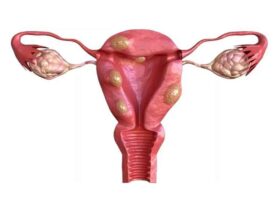
Uterine myomatosis is the formation of myomas or fibroids inside the uterus. These are benign tumors classified according to their location. Depending on where they are found, fibroids are classified as: Intramural: within the muscular wall of the uterus. They can affect fertility if they exceed 4 cm. Submucosal: on the surface of the uterine lining. They hinder embryo implantation. Subserosal: in the outer layer of the uterus. They usually do not interfere with fertility. What is uterine myomatosis and why does it matter for fertility? Uterine myomatosis involves the growth of fibroids, benign smooth muscle tumors, inside the uterus. It affects about 20% of women of reproductive age, especially after age 30. Fibroids can range from microscopic nodules to masses over 4 kg, altering the shape of the uterus and reducing pregnancy chances. How common is uterine myomatosis in those trying to conceive? Uterine fibroids are the most common pelvic tumors in women of reproductive age, present in nearly 70–80% before menopause. Although many are asymptomatic, those that deform the uterine cavity—particularly large intramural and submucosal fibroids—are involved in up to 80% of uterine factor infertility cases. How do fibroids affect embryo implantation? Large submucosal and intramural fibroids can: Alter sperm transport and uterine peristalsis Reduce endometrial receptivity by compressing the lining Increase the risk of implantation failure and early miscarriage Can fibroids complicate pregnancy? Yes. During pregnancy, fibroids can cause: Higher risk of miscarriage and preterm birth Fetal growth restriction due to lack of space Cervical canal obstruction or labor dystocia Postpartum hemorrhage from poor uterine contraction What symptoms may indicate fibroids? About 25% are asymptomatic. When symptoms occur, they include: Sensation of pelvic pressure or heaviness Heavy or prolonged menstrual bleeding Pelvic cramps and irregular bleeding Frequent urination or difficulty urinating Secondary infertility or recurrent miscarriages Severity depends on fibroid size, number, and location. How is diagnosis confirmed? Transvaginal ultrasound is the gold standard, with nearly 100% sensitivity (95% transabdominal). In complex cases, MRI is used. Always consult a reproductive medicine specialist to interpret results and design a treatment plan. Fertility-preserving treatment options Choice depends on age, fibroid characteristics, and reproductive goals: Expectant management for small, asymptomatic fibroids Myomectomy (surgical removal), followed by assisted reproduction techniques Controlled ovarian stimulation combined with in vitro fertilization (IVF) if cavity distortion persists IVF bypasses uterine transport obstacles and allows for selecting the embryo with the highest implantation potential. For more information, see our guide on Endometriosis: what it is and how it impacts fertility. FAQ 1. Can small fibroids disappear on their own? Yes. Many remain stable or shrink after menopause due to estrogen decline. In reproductive age, asymptomatic fibroids under 2 cm are usually monitored with periodic ultrasounds. If you plan to conceive, even a small submucosal fibroid can affect implantation, so consult your doctor to assess intervention before trying to conceive. 2. Are there non-surgical treatments? GnRH agonists and selective progesterone receptor modulators can temporarily shrink fibroids and reduce bleeding in 3–6 month cycles. They improve conditions before surgery or comfort but are not definitive solutions. Never self-medicate without medical supervision. 3. When can I attempt IVF after a myomectomy? Ideally between 6 and 12 months after surgery, before recurrence risk increases. This timing allows the uterine lining to heal and optimizes pregnancy chances. Make sure your specialist confirms proper healing with ultrasound or hysteroscopy before starting treatment. 4. Does the risk of miscarriage increase? Yes. Fibroids that deform the cavity or alter blood flow are associated with early pregnancy loss. Risk increases with fibroid size and location, especially submucosal and large intramural fibroids. Proper management, surgical or with assisted reproduction, significantly reduces miscarriage rates. Always consult a specialist before making decisions. References Faerstein, E., Szklo, M., & Schwingl, P. J. (2001). Risk factors for uterine leiomyoma: a practice-based case–control study. American Journal of Epidemiology, 153(5), 463–469. doi:10.1093/aje/153.5.463 Lau, W., & Shlisselberg, S. (2016). Management of uterine fibroids. American Family Physician, 94(2), 106–113. https://www.aafp.org/afp/2016/0715/p106.html MedlinePlus. (2021). Uterine fibroids. https://medlineplus.gov/uterinefibroids.html Stewart, E. A. (2015). Uterine fibroids. Lancet, 376(9745), 145–157. doi:10.1016/S0140-6736(10)60246-1 Remember: every body is unique. Stay informed, keep hope, and consult an assisted reproduction specialist for personalized care.

Read More »
Fertility

Tubal ligation and its impact on fertility

Tubal ligation is a form of permanent contraception that has become popular due to its high effectiveness. This procedure involves blocking or cutting the fallopian tubes to prevent the egg and sperm from meeting, thus eliminating the possibility of pregnancy. Although it is a preferred option for many women who want to avoid future pregnancies, some may reconsider their decision over time. The decision to undergo tubal ligation is usually made under the premise that it is a definitive method of contraception. However, various life circumstances, such as changes in personal relationships, the loss of a child, or simply a change in personal desires, can lead women to explore options to conceive again. The possibility of pregnancy after tubal ligation depends largely on individual factors such as the woman’s age at the time of the procedure, the surgical technique used, and the time since surgery. In some cases, the effectiveness of the ligation may decrease over time, slightly increasing the chances of pregnancy. However, it is crucial to understand that tubal ligation is considered a form of permanent sterilization and should not be chosen if there is any doubt about wanting children in the future. For those women who have changed their minds, there are assisted reproduction methods and treatments that can offer a solution. Options for conceiving post-ligation Important considerations Advances in assisted reproductionReproductive medicine has advanced significantly, offering hope to those who wish to conceive after tubal ligation. IVF treatments, in particular, have opened up new possibilities for women who have opted for sterilization but then decided to seek pregnancy. New possibilities for motherhoodTubal ligation no longer means the end of the possibility of having children. With options like ligation reversal and IVF, women can now become pregnant even after undergoing this procedure. The key is to seek specialized advice and consider all available alternatives.

Read More »
Assisted Reproduction

Understanding In Vitro Fertilization

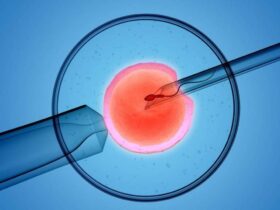
In Vitro Fertilization (IVF) represents a beacon of hope for many people who dream of starting a family. This advanced assisted reproduction technique has become a key solution to overcome various fertility challenges, from tubal problems to male and female infertility factors. What is in vitro fertilization? In Vitro Fertilization is a process in which the fertilization of eggs by sperm takes place outside the woman’s body, specifically in a specialized laboratory. The process begins with ovarian stimulation, where medications are administered to encourage the development of multiple mature eggs. Subsequently, these eggs are carefully extracted from the ovary and placed in a culture medium where sperm are added to facilitate fertilization. Key Steps in the IVF Process The Role of Ingenes in the IVF Process At Ingenes, we understand that In Vitro Fertilization is more than a technical process; It is an emotional and physical journey for our patients. Therefore, we offer a comprehensive approach that ranges from advice and emotional support to the use of the most advanced technology in our laboratories. We focus on providing an optimal environment for embryonic development, using cutting-edge techniques for embryo selection and culture. Technology and Experience: Pillars of Our Excellence Our laboratories are equipped with the most sophisticated technology, allowing precise control of the environmental conditions essential for embryo development. We have a team of highly qualified experts, including embryologists, andrologists, and fertility specialists, who work together to maximize the chances of success of each treatment. Commitment to Quality and Personalized Attention At Ingenes, each patient receives a personalized treatment plan, designed to fit their specific needs. We understand that each case is unique, and our team is committed to providing the best care possible, ensuring that every step of the IVF process is done with the utmost precision and care. In Vitro Fertilization is not only a scientific process; It is a journey of hope and fulfillment. At Ingenes, we are proud to be part of this journey, offering our patients the opportunity to fulfill their dream of starting a family. With our combination of advanced technology, expertise, and a patient-centered approach, we strive to turn every fertility challenge into a success story.

Read More »
donacion-de-ovulos-tu-vientre-modifica-los-genes-de-tu-bebe
News

Egg donation: your womb changes your baby´s genes

A mother carrying a baby in her womb alters its genes, even when the egg comes from another woman. This means her child will be born with traits similar to hers, according to a study by the Valencia Infertility Institute Foundation (IVI). How does the maternal uterus influence the genes of a donated embryo? The uterus is much more than a container: during gestation there is constant dialogue between embryo and endometrium. Endometrial fluid exosomes release maternal RNA that reaches the embryonic nucleus and regulates gene expression, adjusting physical and health traits. Studies such as “The Marvelous Science of Egg Donation: Beyond Genes” explain this in detail. Electron microscope of an exosome about to adhere to the endometrium (IVI). For nine months, the embryo receives blood, nutrients, and oxygen through the umbilical cord. These biochemical signals vary according to the gestational carrier’s genetics, habits, and lifestyle, reinforcing that egg donation is only the starting point. It is the uterus that shapes and “signs” the DNA that will guide the baby’s development. What epigenetic changes can gestation cause in egg donation? During gestation, epigenetic interaction can influence: Eye color and shape Hair texture and tone Facial expressions, such as the smile Predisposition to certain metabolic or autoimmune diseases These modifications do not replace the donated genetics but regulate the activation or silencing of specific genes. To learn more, see “The Revolutionary World of Fertility and Egg Donation”. How does genetic exchange occur between embryo and endometrium? Exosome releasing maternal RNA into the cytoplasm of a blastocyst (IVI). Exosomes, 50–150 nm vesicles, transport maternal RNA to the blastocyst’s cytoplasm and adjust gene transcription. The result is a unique epigenetic profile that combines the donor’s inheritance and the carrier’s influence. Why is egg donation a great opportunity? Rocío, 52, had her two babies via egg donation at Ingenes. The egg donation experience lets you carry and give birth to a child with a unique maternal genetic imprint. Avoid self-medication and always consult a Assisted Reproduction specialist before starting any fertility treatment. Frequently Asked Questions about egg donation and uterine genetics 1. Does the gestational mother contribute DNA if the eggs are from another person? Yes. Although the main genetic load comes from the donor, during gestation the uterus releases exosomes with RNA that modulate the embryo’s gene expression, influencing physical traits and future health. 2. What risks or benefits does this genetic interaction have? Benefits include better embryo adaptation to the uterine environment and higher implantation rates. As for risks, long-term impact is still under study: so far there is no evidence of adverse effects, but specialized prenatal follow-up is recommended. 3. Can it influence the baby’s temperament? Personality arises from genetics and environment. Egg donation and uterine influence affect physical traits and biochemical predispositions, but parenting style and the postnatal environment are key to the child’s character. 4. How to choose the best clinic for egg donation? Choose centers with international accreditations, multidisciplinary teams, and evidence-based protocols. Review their success rates, lab technology, and psychological support offered before and after birth. Sources Vilella F. et al. (2015). Hsa-miR-30d, secreted by the human endometrium, is taken up by the pre-implantation embryo and might modify its transcriptome. Development, 142(18), 3210–3221. MedlinePlus. (2023). Assisted Reproductive Technology. U.S. National Library of Medicine. Gardiner K. et al. (2020). Epigenetic modifications during pregnancy: maternal-fetal interactions. Journal of Reproductive Immunology, 138, 103-110. Mor & Cardenas. (2018). The immune system in pregnancy: a unique complexity. American Journal of Reproductive Immunology, 79(3), e12847. We are with you on this journey. If you have questions or are considering egg donation, consult an Assisted Reproduction specialist for the best guidance and support.

Read More »
clomifeno-sirve-para-quedar-embarazada-vientre-mujer-embarazada-omifin
Fertility

Can Clomiphene help me get pregnant?

El clomifeno es un medicamento que promueve la ovulación, y puede incrementar las probabilidades de un embarazo si es administrado de forma adecuada por médicos especialistas. Te explicamos cómo aquí.

Read More »
Fertility

Asthenozoospermia: How IVF+ICSI can be your ally in the search for paternity

Asthenozoospermia is when male sperm motility decreases, making fertility difficult because sperm cannot reach and penetrate the egg. The In Vitro Fertilization with Intracytoplasmic Sperm Injection (IVF+ICSI) is the option with the highest success rates for those with asthenozoospermia, as it prevents the sperm from having to swim to fertilize the egg. What is asthenozoospermia and why does it matter? Asthenozoospermia is the decrease in sperm motility, making it very difficult for them to swim to the egg and fertilize it. According to the World Health Organization (WHO), it is diagnosed when the percentage of progressively motile sperm is below 50% or when fewer than 25% move at ≥25 µm/sec. It is the most common semen disorder and significantly reduces the chances of conceiving naturally. Timely detection allows for personalized treatments before reproductive time limits are exceeded. Factors that can cause asthenozoospermia Sperm motility can decline for various reasons: Teratozoospermia Varicocele Semen infections Testicular disorders Anti-sperm antibodies Poor nutrition or extreme BMI (e.g. ≥30 kg/m²) Smoking and excessive alcohol or caffeine consumption Exposure to toxins (solvents, insecticides) Aging (especially after age 45) Oncological therapies (chemotherapy, radiotherapy) Frequent fevers Prolonged heat exposure (saunas, hot tubs) How is it diagnosed? The first step is a semen analysis. Abstain from ejaculation for 3–5 days (no more than 7). Key parameters are total motility (>50%) and progressive motility (>25% at ≥25 µm/sec). Additional tests like morphology assessment and DNA fragmentation provide more information to design the ideal treatment. Assisted reproduction options Depending on severity and partner factors (age, ovarian reserve), consider: Intrauterine insemination (IUI): capacitated sperm are placed in the uterus near ovulation. Ideal if the woman is under 35 and the case is mild to moderate. IVF and ICSI: classical in vitro fertilization to unite eggs and sperm in the lab. Intracytoplasmic Sperm Injection (ICSI): a single sperm is injected directly into the egg, ideal for very low motility cases. Complement any protocol with healthy habits —balanced diet, moderate exercise, quitting smoking— to improve sperm parameters. Do not self-medicate: always under professional supervision. Natural strategies to improve motility Foods rich in antioxidants (vitamins C and E, selenium, zinc). Avoid tight clothing, saunas, and prolonged heat exposure. Manage stress with mindfulness or therapy. Regular moderate physical exercise. Frequently Asked Questions 1. Can lifestyle changes reverse asthenozoospermia? Yes. Improving diet, reducing toxins, quitting smoking, and managing stress can increase motility in 3–6 months. Supplements like CoQ10, L-carnitine, zinc, and folic acid have shown benefits, but each case is different. Always consult a specialist before taking supplements. 2. When to consider IVF+ICSI? If progressive motility is below 20%, IVF+ICSI is usually recommended after less invasive methods fail. ICSI bypasses motility by injecting the sperm into the egg, with fertilization rates above 70% per cycle. The decision depends on age, ovarian reserve, and couple’s history. 3. Are there risks with ICSI? ICSI is safe, though there are minor risks: ovarian hyperstimulation syndrome, multiple pregnancies, and very rarely genetic concerns. If male infertility is linked to chromosomal abnormalities, genetic counseling is recommended. 4. How long until improvement is seen? Spermatogenesis takes about 74 days. Lifestyle changes and medical treatments usually reflect in 3–4 months. If there’s no improvement after 6 months, additional tests like hormonal profile or testicular biopsy are considered. References World Health Organization. WHO laboratory manual for the examination and processing of human semen. 6th ed. Geneva: WHO Press; 2021. Guzick DS, Overstreet JW, Factor-Litvak P, et al. Sperm morphology, motility, and concentration in fertile and infertile men. N Engl J Med. 2001;345(19):1388-1393. doi:10.1056/NEJMoa003005 Colpi GM, Francavilla F, Lugaresi A, et al. International Collaborative Study on Sperm DNA Fragmentation: 2010–2012. Hum Reprod Update. 2014;20(4):559–575. doi:10.1093/humupd/dmu018 MedlinePlus. Semen analysis: MedlinePlus Medical Encyclopedia. https://medlineplus.gov/ency/article/003413.htm We are with you on this journey. Talking to a fertility specialist will give you the guidance and support you need to increase your chances of achieving pregnancy.

Read More »
embarazo-despues-de-los-35-mama-ingenes-monica-mamas-ingenes-mujer-mayor-cargando-a-su-bebe-que-tuvo-via-fertilizacion-in-vitro
Fertility

Pregnancy after 35, the challenges every woman needs to be aware of

Starting the journey to parenthood is exciting, but it can also raise questions about how to prepare. At Ingenes we guide you with a clear, approachable guide covering all aspects—physical, emotional, and lifestyle—to plan your pregnancy with confidence. First medical steps before conceiving Before trying to conceive, the most important step is to consult a fertility specialist. Together you’ll review your medical history and health status. Conditions like diabetes, hypertension, or sexually transmitted infections can affect pregnancy. A comprehensive checkup (blood tests, hormone profile, and imaging studies) will help you start off on the right foot. Nutrition and supplements A balanced diet and the right supplements are key: Folic acid: at least 400 µg daily, starting 3 months before conception. Iron: 18 mg per day. Calcium: 1,000 mg per day. Vitamin D: 600 IU per day. Choose whole grains, lean proteins, fruits, vegetables, and healthy fats. Avoid extreme diets. How to monitor fertility and ovulation Track your menstrual cycle by recording daily basal body temperature and changes in cervical mucus. Use a fertility app or calendar and consider ovulation kits (LH tests) to pinpoint your fertile window more accurately. Lifestyle and fertility Quit smoking and limit alcohol. Maintain a BMI between 18.5 and 24.9 kg/m². Do moderate exercise: 150 minutes of aerobic activity per week. Manage stress with yoga, meditation, or therapy. Review medications and medical conditions Some drugs—antidepressants, antihypertensives, anticonvulsants—can affect fertility or fetal development. Do not stop or change doses without consulting a specialist in Assisted Reproduction. Advanced reproductive options If after 6–12 months of trying (depending on age) you haven’t conceived, consider assisted reproduction. At Ingenes we offer everything from ovulation induction and IUI to IVF: A Complete Guide, always tailored to your needs. We assess sperm quality, ovarian reserve, and uterine health to recommend the best path. For more information, see our Comprehensive Guide to Reproductive Medicine. Emotional well-being with Ingenes We know trying to conceive can be an emotional roller coaster. That’s why we offer counseling, support groups, and stress-management workshops so you and your partner feel supported, informed, and empowered. Frequently Asked Questions (FAQ) How long should I take folic acid? Start at least 3 months before conception with 400 µg daily. Consult your specialist if you need higher doses (up to 4 mg/day) based on your history. Does stress affect fertility? Yes. Chronic stress alters hormones like cortisol and prolactin and can impair ovulation and sperm production. Relaxation techniques and emotional support improve your chances. When should I see a fertility specialist? Under 35: after 12 months of trying without protection. Over 35: after 6 months. If you have conditions like PCOS or endometriosis, seek help sooner. Do men get tested too? Male fertility accounts for 40–50% of cases. A semen analysis evaluates count, motility, and morphology. Depending on results, hormonal or genetic tests may be required. Sources American College of Obstetricians and Gynecologists. (2021). Practice Bulletin No. 200: Early Pregnancy Loss. Obstetrics & Gynecology, 136(4), e139–e153. https://doi.org/10.1097/AOG.0000000000004554 Centers for Disease Control and Prevention. (2022). Preconception Health and Healthcare. https://www.cdc.gov/preconception/index.html MedlinePlus. (2023). Folic Acid. https://medlineplus.gov/folicacid.html Practice Committee of the American Society for Reproductive Medicine. (2020). Diagnostic evaluation of the infertile female. Fertility and Sterility, 113(3), 545–553. https://doi.org/10.1016/j.fertnstert.2019.11.014 We’re with you every step of the way. If you have questions or want a personalized plan, consult an assisted reproduction specialist for the best care.

Read More »
fecundacion-in-vitro-guia-todo-lo-que-necesitas-saber-fertilizacion-ovulo
Fertility

A beginner’s Guide to IVF

dación In Vitro o Fertilización In Vitro (FIV) es, actualmente, el método más eficaz de reproducción asistida. Aquí, te brindamos una guía con todo lo que necesitas saber sobre la FIV.

Read More »
Testimonials

“I had it on my chest and I couldn´t believe it”

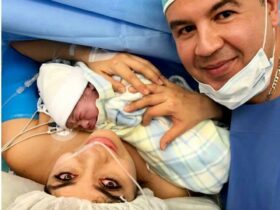
When the desire to have a child is so strong, nothing and no one can stop it. Assisted reproduction breaks down barriers, pushes science to the limit to create life, and connects with the deepest longing of many couples. How much do you dream of becoming a mother or father? Here is Luz’s story, who had to choose between staying in her marriage or pursuing her dream of starting a family. What is skin-to-skin contact and why is it so powerful? “When Leonardo was born and they placed him on my chest, I couldn’t believe it: he finally existed! He stayed skin-to-skin with me for an hour… in that moment everything is forgotten, it’s an indescribable love.” Skin-to-skin contact right after birth stabilizes the baby’s temperature and heart rate, strengthens the bond, and triggers the mother’s oxytocin, creating a deep emotional connection. Luz and her husband traveled a long road to reach that moment. She was 33 when she said, “I thought I could give up that part of my life, but no: I want a baby, and if you don’t, we should separate.” That decision marked the beginning of her assisted reproduction journey. What factors led Luz to assisted reproduction? After trying naturally, Luz was diagnosed with polycystic ovary syndrome (PCOS) and her husband with teratozoospermia, conditions that lowered their chances of conceiving to 10%. They then decided on in vitro fertilization (IVF): in a laboratory, eggs and sperm are combined, and healthy embryos are transferred to the uterus. Thanks to advances in reproductive medicine and a personalized protocol with ovarian stimulation of 225 IU of gonadotropins, Luz achieved a twin pregnancy on the first cycle. Leonardo and Daniela were born healthy after careful monitoring and neonatal care. How did IVF change Luz’s life and what can you expect? “It wasn’t easy, but when you’re in treatment you realize how many people can’t become parents—it’s more common than you think, and that helps… we were lucky: it worked on the first try. Twins: Leonardo and Daniela. They took a while to hand me Daniela because they wanted to check her, but then she was perfect.” IVF success rates vary by age and clinic; for women under 35, they hover around 40% live births per cycle. At INGENES, embryologists use time-lapse incubators and preimplantation genetic testing (PGT-A) to select the strongest embryos and increase implantation chances. Can assisted reproduction make your dream of becoming a parent come true? The technology available today in Mexico at institutions like INGENES provides solutions for those who have not yet conceived: IVF, ICSI, egg vitrification, and donation programs, with protocols tailored to your needs. If you entrust us with your story, together we will write the best chapter. We know some paths are long, but at INGENES we turn them into an adventure with a clear direction: your family. Discover our assisted reproduction treatments and take the first step toward your baby. Frequently Asked Questions 1. What is in vitro fertilization and how does it work? IVF is an assisted reproduction procedure in which eggs are retrieved from the ovaries, fertilized with sperm in a laboratory, and after several days of culture, a viable embryo is transferred to the uterus. During ovarian stimulation, 150–300 IU of gonadotropins are administered to develop multiple follicles. IVF success depends on age, gamete quality, and laboratory expertise. In women under 35, implantation rates can reach 40% per cycle. Before starting, consult a reproductive medicine specialist to assess your case. 2. What risks and care are involved after an IVF cycle? Risks include mild ovarian hyperstimulation syndrome, which can cause abdominal bloating and general discomfort but is controlled by adjusting medication. There is also a low risk of multiple pregnancies; that’s why at INGENES we recommend transferring a single embryo whenever possible. After transfer, rest moderately for 24 hours, maintain a calm routine, and avoid strenuous physical activity. Do not self-medicate without consulting. Progesterone supplementation (e.g., 600 mg/24 h vaginally) supports implantation and reduces miscarriage risk. 3. How do emotional support and the partner influence treatment success? Psychological support reduces stress and anxiety, improves hormonal balance, and endometrial receptivity. Studies show patients with emotional support have a 10–15% higher chance of achieving pregnancy. Involving the partner at every stage, from stimulation to control ultrasounds, strengthens the bond and shares the emotional load. At INGENES we offer counseling sessions for couples and personalized nutritional advice. 4. What alternatives are there if the first IVF cycle doesn’t work? If pregnancy is not achieved, factors such as embryo quality, endometrial receptivity, and genetics are reviewed. Additional tests like PGT-A can be incorporated or the protocol adjusted. Egg or sperm donation and surrogacy are options in cases of repeated failure or uterine factor. Before deciding, review your results with the specialist to define the most appropriate path. Sources American Society for Reproductive Medicine. (2021). In vitro fertilization (IVF). Retrieved from https://www.asrm.org MedlinePlus. (2022). Assisted reproductive technology. Retrieved from https://medlineplus.gov/assistedreproductivetechnology.html Kassabji, M., & Holmes, M. (2020). The impact of psychological support on IVF outcomes: A systematic review. Human Reproduction Update, 26(3), 350–364. doi:10.1093/humupd/dmz043 Practice Committee of the American Society for Reproductive Medicine. (2019). Diagnostic evaluation of the infertile female: A committee opinion. Fertility and Sterility, 111(1), 9–13. doi:10.1016/j.fertnstert.2018.11.034 We know how important your longing to become a parent is. If you have questions, seek the support of an assisted reproduction specialist to receive the guidance and care you and your partner need.


Read More »
Need assistance?
Chat with us 💬