
«They said I had endometriosis and 0% chance of having a baby»
Endometriosis is one of the leading conditions affecting women’s reproductive health and their ability to conceive. It often goes undiagnosed in time, which can complicate any assisted reproduction treatment.
Although it is possible to become pregnant and have children with endometriosis, close monitoring by reproductive health specialists is essential to protect your well-being at every stage.
Learn Blanca’s story and how she managed to have her baby despite this condition.
What is endometriosis and how can it affect my chances of having a baby?
Endometriosis occurs when tissue similar to the uterine lining grows outside the uterus, causing inflammation, scarring, and pain. This can alter fallopian tube function and ovarian reserve, reducing natural conception rates. Early diagnosis with transvaginal ultrasound or MRI and monitoring AMH (anti-Müllerian hormone) levels in ng/mL allow treatment personalization.
Do not self-medicate: before taking any medication, consult an assisted reproduction specialist to increase your chances of pregnancy.
What medical and surgical treatments are available for endometriosis?
Options include hormonal suppression with GnRH analogs, progestogens, or combined oral contraceptives to reduce lesion activity. If there are painful or obstructive cysts, laparoscopic surgery is recommended to remove endometriomas and adhesions (1–3 cm nodules). Post-surgical recovery lasts 2 to 4 weeks, after which your specialist may propose ovulation induction or IVF.
Can I get pregnant with IVF if I have endometriosis?
Yes. Many women with endometriosis achieve pregnancy through personalized IVF, optimizing ovarian stimulation, oocyte retrieval (8–15 follicles of 2–20 mm), and embryo transfer. Success rates depend on age, ovarian reserve, and lesion severity, but specialized care at centers like Ingenes significantly improves outcomes.
How to choose the right specialist for endometriosis?
Look for a reproductive endocrinologist experienced in endometriosis, with access to advanced imaging and a proven track record in assisted reproduction. Read reviews and testimonials, such as “I became a mom despite having endometriosis”, to learn about care quality and patient support. A multidisciplinary team offers comprehensive care.
What lifestyle changes help fertility with endometriosis?
A balanced diet rich in omega-3 fatty acids and antioxidants, avoiding inflammatory foods (gluten, dairy), is key. Engage in gentle exercise, practice stress management techniques (yoga, mindfulness), and get good sleep to maintain hormonal balance. Quit smoking and limit caffeine to under 200 mg/day (≈2 cups of coffee).
Blanca’s success story with endometriosis and IVF
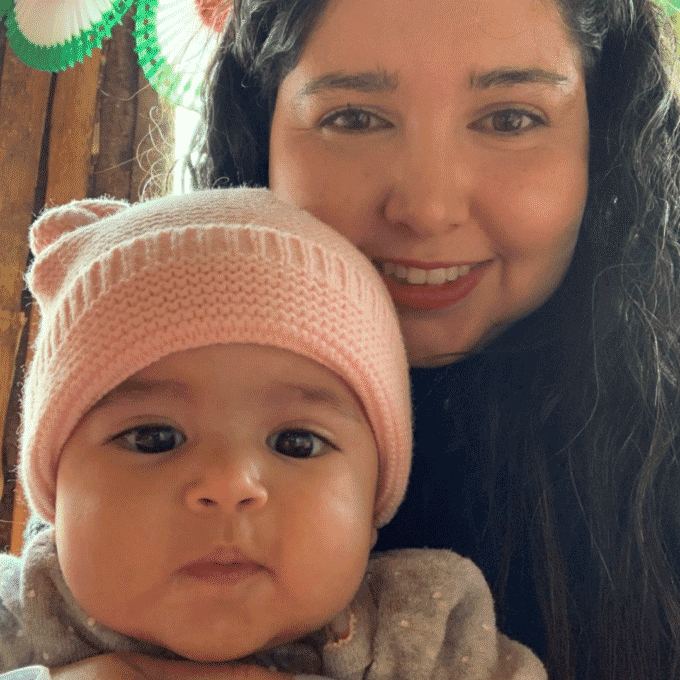
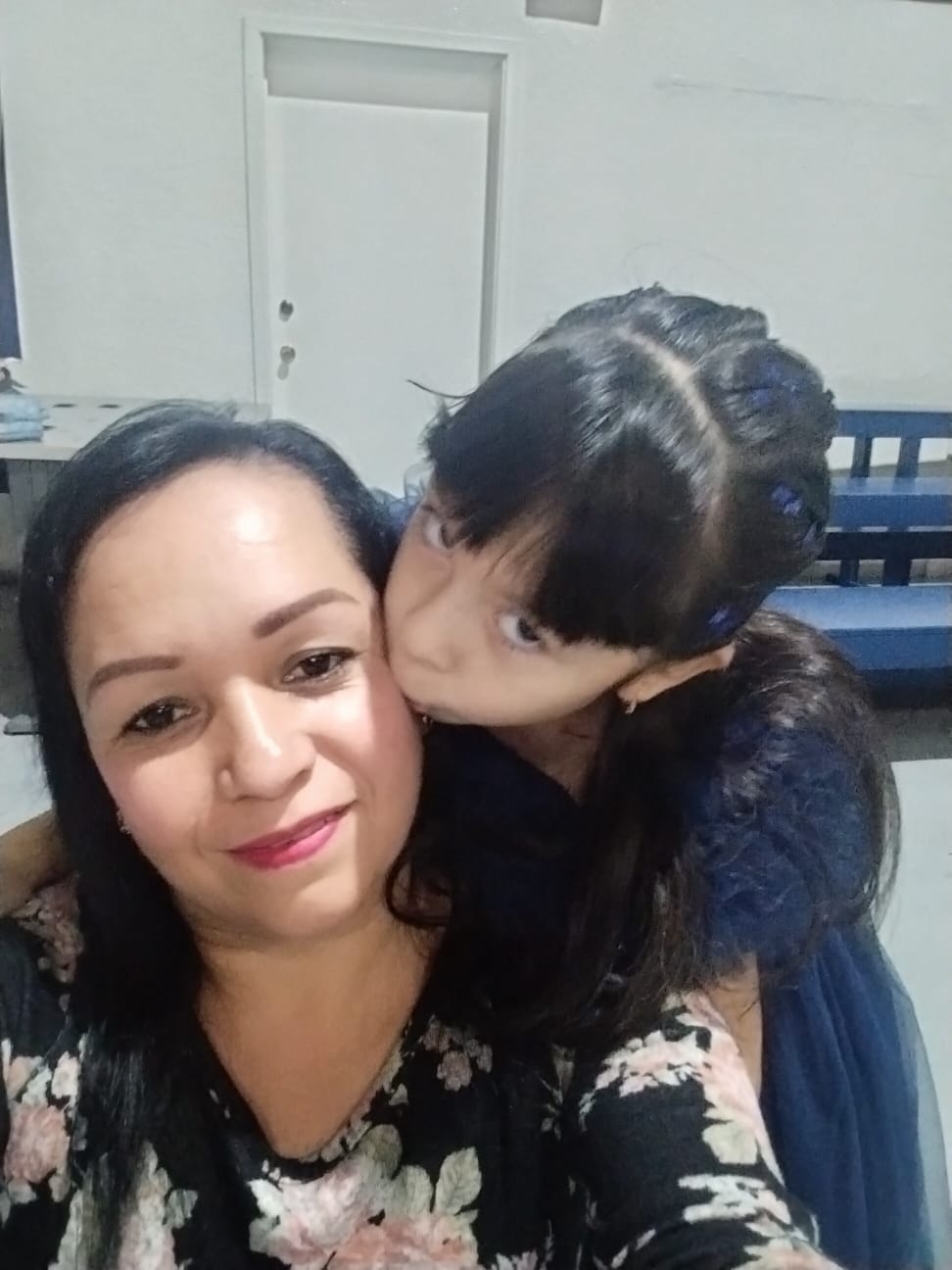
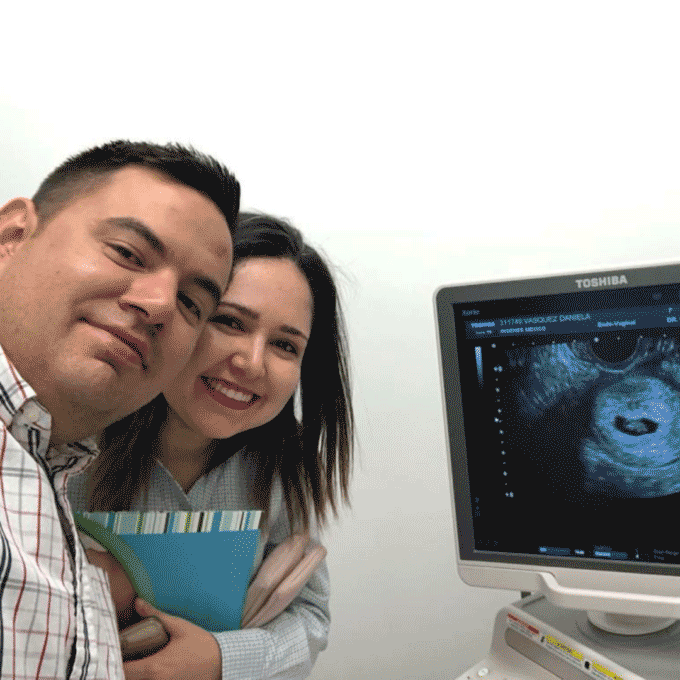
“At 35, I was diagnosed with endometriosis and told I had a 0% chance of becoming a mother. After several misdiagnoses and a very painful hysterosalpingogram, I lost hope. In 2018 a friend recommended Ingenes: there they told me I had PCOS (now PMOS) and endometriosis, but that I could succeed. Their IVF protocol gave me a positive result on the first attempt.”
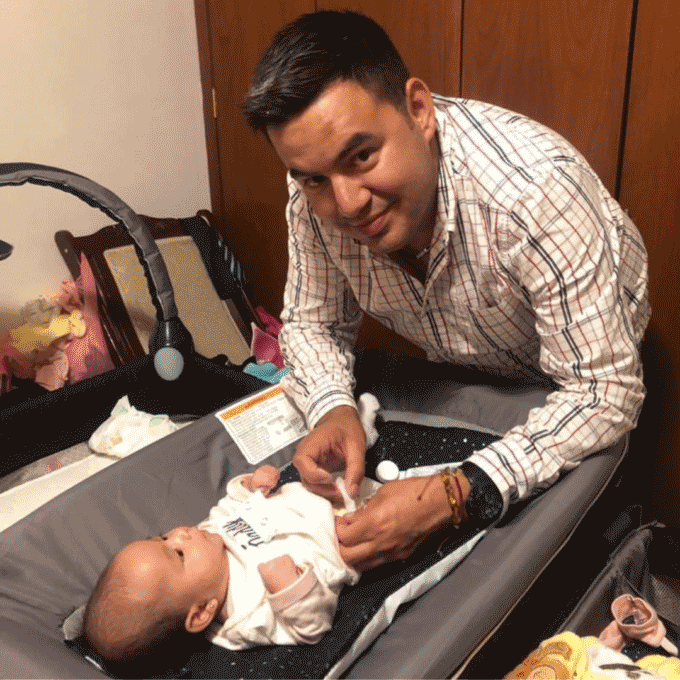
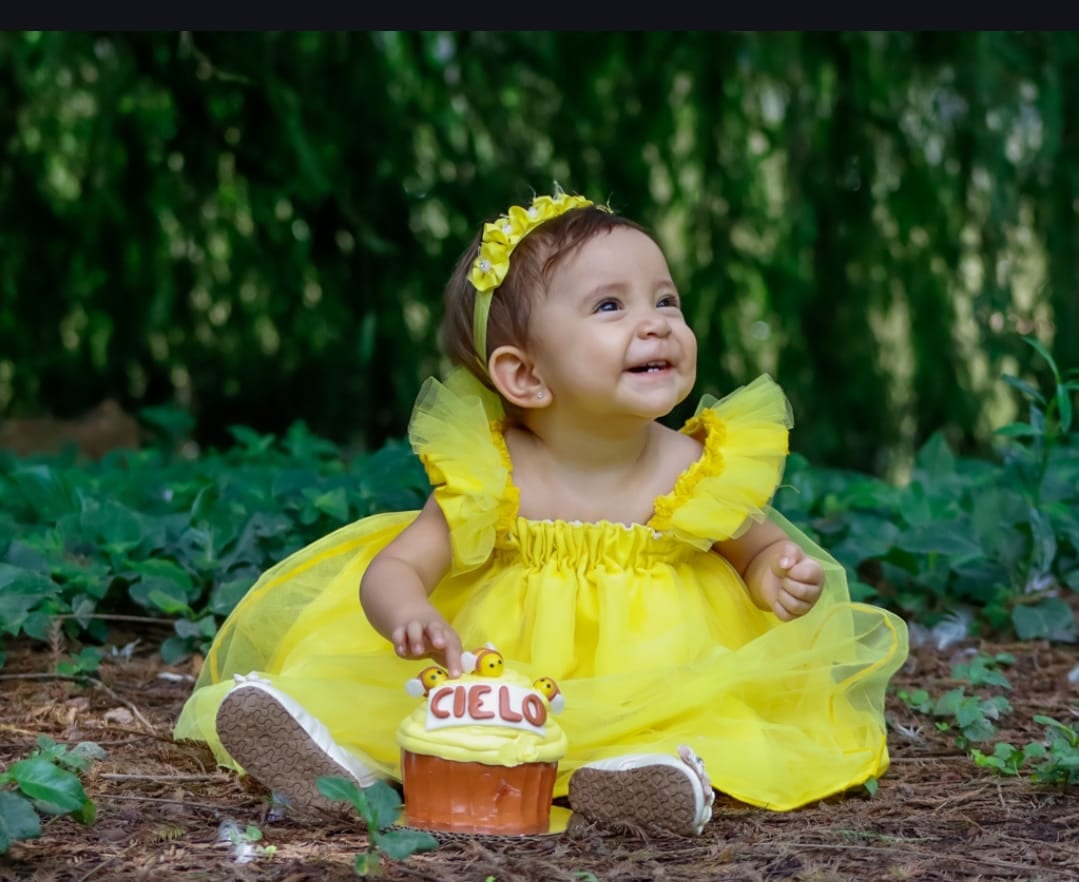
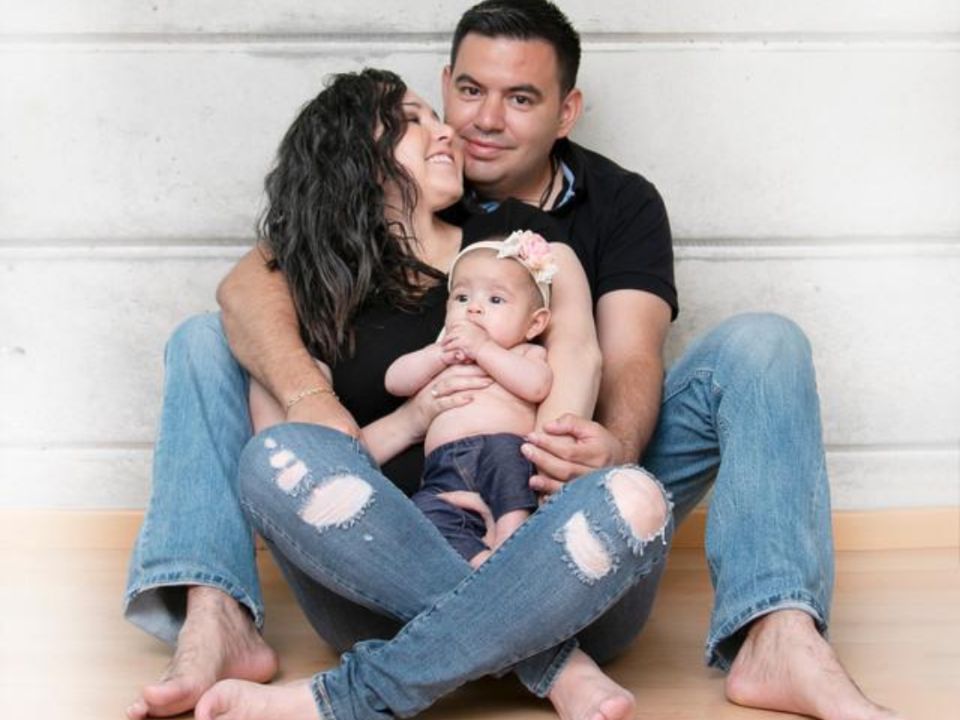
“I didn’t discover my pregnancy until the fourth month, when I found out I was having a girl. Holding María Eugenia in my arms changed my life: she is perfect. The journey was difficult, but Ingenes’ expert care and personalized treatment gave me my greatest joy.”
How to start your path to pregnancy with endometriosis?
If you also have endometriosis or another fertility challenge, schedule a consultation with a specialist. At Ingenes we offer an Initial Program to evaluate your medical history, hormonal profile, and previous cycles, and design a plan tailored to you. This is the path that will bring you closer to your little star.
FAQ
1. Can endometriosis go away on its own?
It is a chronic condition that does not resolve without intervention. Hormonal treatments suppress symptoms, but surgical removal is often necessary to eliminate the tissue. After surgery, medical therapy reduces the risk of recurrence.
Regular follow-up with imaging and clinical evaluation ensures early detection of new lesions. Lifestyle adjustments and specialist support maintain quality of life and reproductive potential.
2. What risks come with delaying fertility treatment for endometriosis?
Delaying treatment can cause lesions to grow, more scarring, and diminished ovarian reserve. In advanced stages (III–IV), natural conception rates drop and the IVF protocol becomes more complex.
Timely intervention helps preserve ovarian function, improves assisted reproduction success rates, and relieves chronic pain. Consultation within six months of diagnosis is recommended.
3. How does endometriosis affect IVF success?
It can reduce ovarian response, fertilization, and increase miscarriage risk. However, with personalized gonadotropin dosing, surgical management of endometriomas, and embryo vitrification, rates comparable to other indications are achieved.
Centers experienced in endometriosis, like Ingenes, report live birth rates over 40% per cycle in patients under 38 years old.
4. Are there non-hormonal therapies for endometriosis pain?
Yes. NSAIDs (ibuprofen 400 mg every 6–8 hours) relieve pain. Complementary therapies, acupuncture, pelvic physiotherapy, and dietary changes, can reduce inflammation and pain perception.
Always consult your specialist before integrating adjunct therapies so they align with your fertility goals.
Sources
- National Library of Medicine. (2023). Endometriosis. MedlinePlus. https://medlineplus.gov/endometriosis.html
- Giudice, L. C. (2010). Clinical practice. Endometriosis. The New England Journal of Medicine, 362(25), 2389–2398. doi:10.1056/NEJMcp1000274
- Practice Committee of the American Society for Reproductive Medicine. (2012). Endometriosis and infertility: a committee opinion. Fertility and Sterility, 98(3), 591–598. doi:10.1016/j.fertnstert.2012.05.019
- Santulli, P., & Borghese, B. (2016). Endometriosis: epidemiology, classification, pathogenesis, treatment and genetics. International Journal of Molecular Sciences, 17(5), 777. doi:10.3390/ijms17050777
Remember that every story is unique: you are not alone. Consult a reproduction specialist for personalized guidance and support on your journey to parenthood.