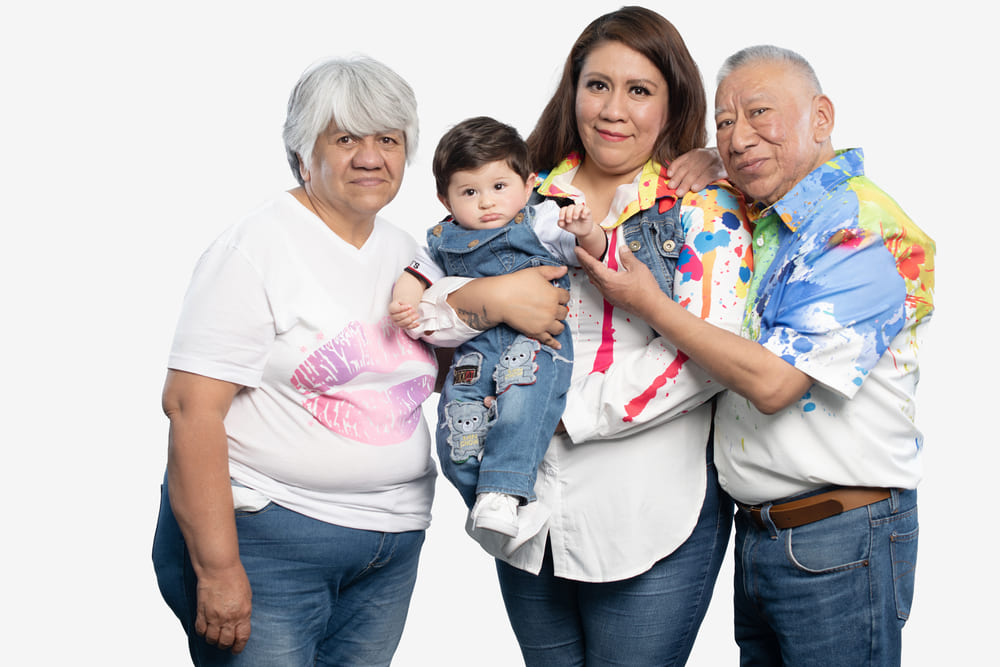

«I had recurrent miscarriages, I was already over 36 and we made it»
Berenice has polycystic ovary syndrome, which caused her recurrent miscarriages for several years. She shares her story, the challenges she faced with each loss, and how her baby girl arrived in her third In Vitro Fertilization cycle.
What is recurrent miscarriage and how does it affect women over 36?
It is defined as the loss of two or more consecutive pregnancies before 20 weeks of gestation. It affects 1–2% of women of reproductive age, and in those over 36 the risk increases due to decreased ovarian reserve and egg quality. Avoid self-medicating without consulting a doctor. If you want to increase your chances of pregnancy, the best option is to see a specialist in Assisted Reproduction.

Berenice – Ingenes Mom
How can PCOS impact pregnancy outcomes?
Polycystic ovary syndrome (PCOS) affects 5–10% of women and is one of the main causes of infertility. Hormonal imbalances cause irregular ovulation, making it difficult to conceive and maintain a pregnancy. In 2018, Berenice had a miscarriage and was hospitalized after trying with her husband for three years. She was warned that carrying a baby to term would be complicated.
What does an IVF cycle for recurrent miscarriage involve?
In Vitro Fertilization (IVF) over multiple cycles can raise success rates to up to 96% in patients with recurrent losses. First comes ovulation induction, with daily subcutaneous gonadotropin injections near the navel, between 150 and 300 IU. Then follicular puncture is performed and embryos are cultured for 3 to 5 days before transfer. “My first treatment was positive, but I lost it at four weeks. It was devastating; I thought I couldn’t go on.”
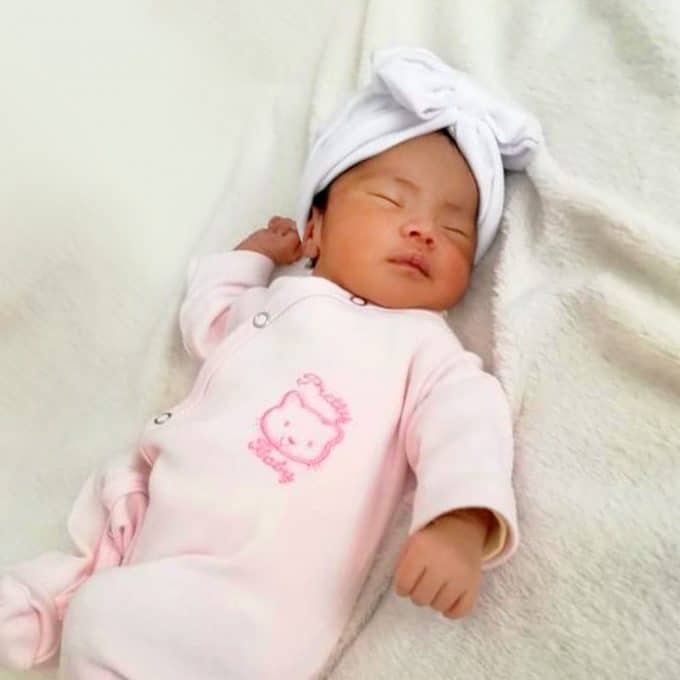
Berenice’s daughter sleeping – Ingenes Baby
What support can you expect during IVF treatment?
Emotional and medical support is essential. Your team will monitor your hormone levels, perform ultrasounds, and adjust doses as needed. The encouragement from specialists and your family will give you strength. “They supported us a lot to keep trying.”
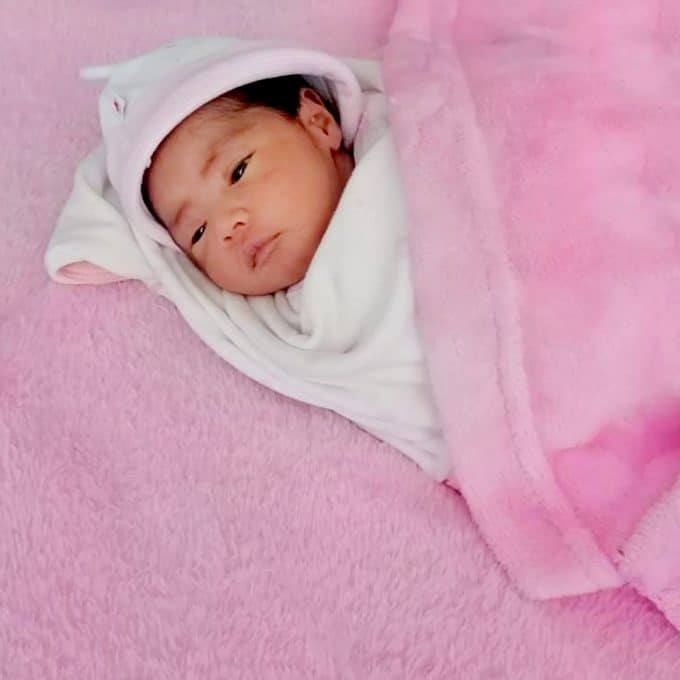
Berenice’s daughter one month before birth – Ingenes Baby
In the third cycle, Berenice achieved a successful pregnancy. It was initially a twin gestation; she lost one embryo and remained under close surveillance. Ivana Daniela was born on July 10, healthy and full of life. “When they placed her on my chest, I felt her warmth and knew she was mine.”
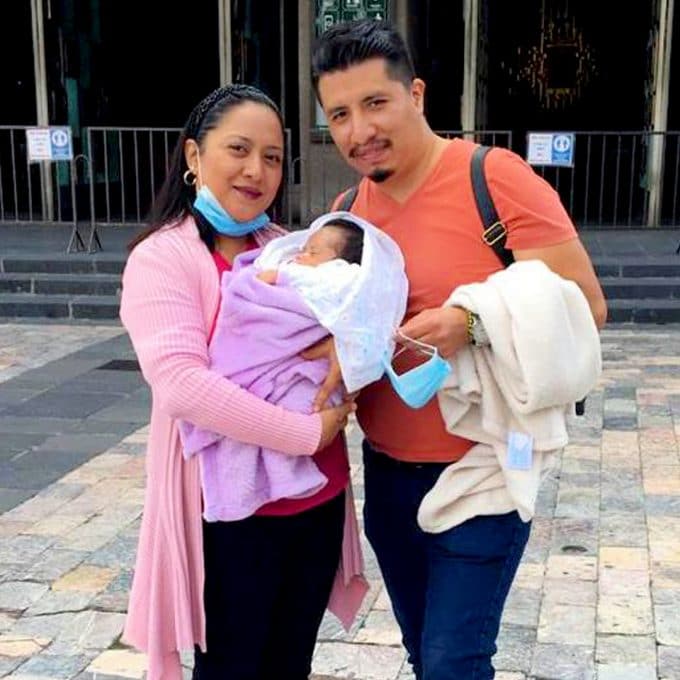
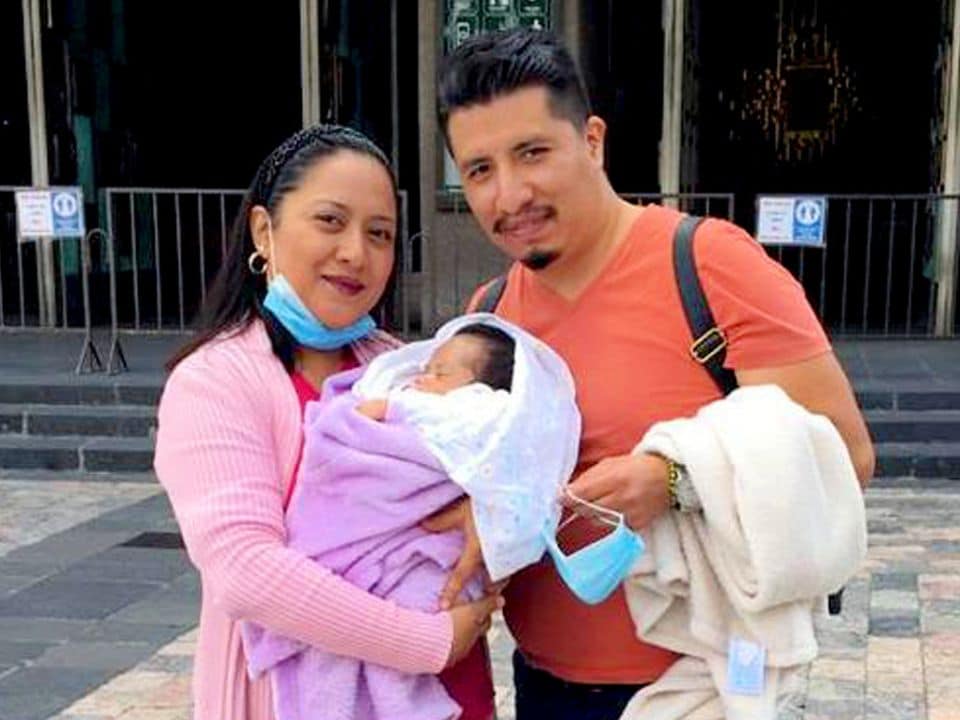
Berenice with her husband and baby – Ingenes Family
If you dream of a baby with all your heart, keep going. There are experts, like the Ingenes team, who can help you. Read stories such as I was 48 when I achieved my pregnancy and With IVF, I had it before 50 for inspiration. Visit us and share your story.
Frequently Asked Questions
1. Can women over 36 succeed with IVF after recurrent miscarriages?
Yes. With IVF tailored to their ovarian reserve and hormonal profile, success rates improve, especially when preimplantation genetic testing (PGT) is used to select healthy embryos. Emotional support, counseling, and support groups also make a difference.
2. How does polycystic ovary syndrome increase miscarriage risk?
PCOS alters hormones like LH and androgens, causing irregular ovulation, lower-quality eggs, and a less receptive endometrium. Lifestyle changes and metformin help regulate cycles and reduce risks.
3. What medications are used during IVF cycles?
Gonadotropins (FSH and LH) are used at doses of 150–300 IU/day to stimulate follicles. GnRH antagonists prevent premature ovulation, and progesterone (600 mg vaginally or 50 mg IM) supports the luteal phase. Always consult a specialist in Assisted Reproduction.
4. How do you choose the right fertility clinic?
Look for centers with high live birth rates, expert professionals, and comprehensive support. Accreditations and patient testimonials will help you make an informed decision. Success stories like those from Ingenes can guide you.
Sources
- Practice Committee of the American Society for Reproductive Medicine. (2012). Definitions of infertility and recurrent pregnancy loss: a committee opinion. Fertility and Sterility, 98(5), 1103–1107.
- National Institute for Health and Care Excellence. (2017). Fertility problems: assessment and treatment. NICE Clinical Guideline CG156.
- MedlinePlus. (2021). Polycystic Ovary Syndrome. U.S. National Library of Medicine.
- World Health Organization. (2020). Infertility fact sheet.
Remember that each case is unique. If you are experiencing losses or difficulties, you are not alone. See a fertility specialist and receive the care you deserve. Keep hope alive: your story can have a joyful ending.