

Pregnancy at 48: what you should know
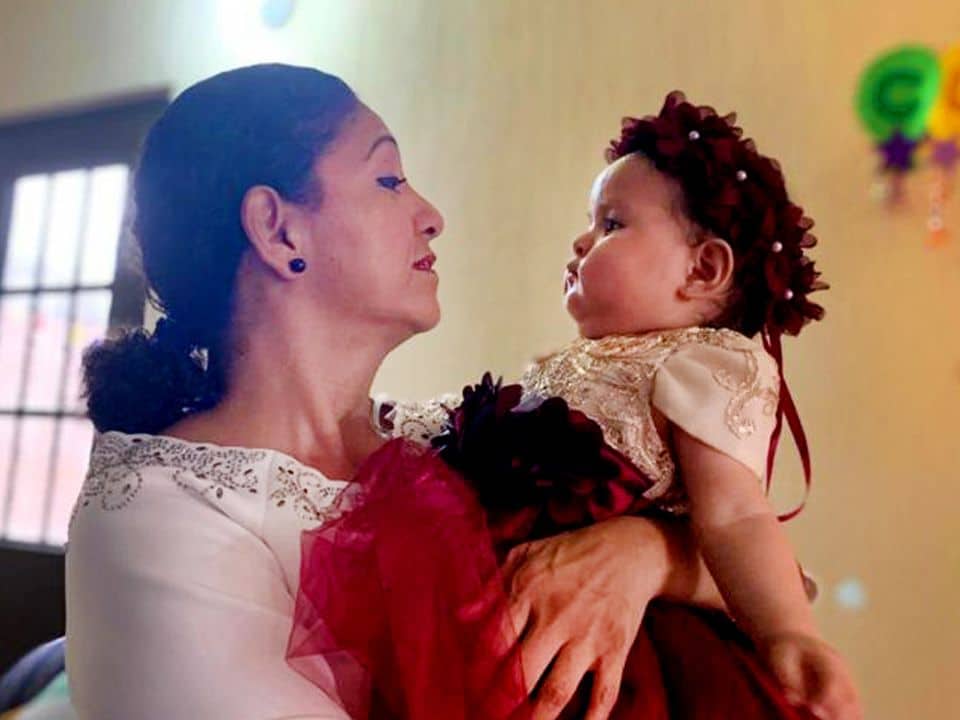
Pregnancy at 48 is rare but possible. Fertility declines as women age, mainly due to lower egg quantity and quality. However, reproductive technologies now give some women in their late 40s a chance at pregnancy, with tailored medical support.
Can a 48-year-old woman get pregnant naturally?
A natural pregnancy at 48 is unusual due to very low ovarian reserve, irregular or absent ovulation, and increased risk of chromosomal abnormalities. Rarely, spontaneous conception can occur if reproductive health allows.
A full medical evaluation is essential to determine whether a natural pregnancy is a realistic possibility in each individual case.
What is low ovarian reserve, and how does it affect fertility?
Low ovarian reserve means fewer eggs in the ovaries. «Ovarian reserve» is a medical term used to indicate the number of eggs present. Women are born with a set number, which declines over time. By age 48, very few eggs remain.
Egg quality matters as much as egg count. With age, eggs are more prone to chromosomal abnormalities, making it harder for embryos to develop and raising the risk of miscarriage or genetic defects.
At advanced ages, low ovarian reserve largely limits fertility.
A real-life example of pregnancy with medical support
How did Olga, in her 40s, manage to become pregnant?
“I came to Ingenes in 2015 and, after three years of perseverance, the last IVF cycle was intense: daily testing, follicular monitoring, egg retrieval, and embryo transfer. Three months later, seeing the heartbeat on the first ultrasound made everything worth it.
When the doctor said, ‘It’s a girl,’ our hearts filled with emotion. Hearing Angelique’s first cry at birth was a moment of pure joy and relief. Angelique brightened our lives and showed me that, at 43, motherhood transforms priorities, passions, and the sense of self.
This story is based on a real case where pregnancy occurred with the help of medical specialists. After years of not knowing why pregnancy wasn’t happening, and after many tests and emotional ups and downs, the woman became pregnant with regular medical care.
The process included hormone checks, ovarian stimulation, embryo transfer, and close supervision. While rare, this case shows that pregnancy at an older age is possible with medical help.
Risks and considerations of pregnancy at 48
Pregnancy at 40 or older carries higher risks: high blood pressure, gestational diabetes, early birth, chromosomal problems, C-section, and low birth weight.
Because of these risks, prenatal care should be thorough and involve different medical specialists. Careful monitoring can help find and treat problems early, but it cannot remove all risks.
Fertility options and medical support at advanced ages
If getting pregnant naturally is not possible, assisted reproductive methods can help. Options include IVF with a plan tailored to the patient, genetic testing of embryos, or using donor eggs, depending on the woman’s egg count and general health.
You can read our blog to learn more about ovarian reserve and fertility. At Ingenes, our specialists review each case individually to find the best and safest options for each patient.
Consulting a fertility specialist is a key step on your path to parenthood.
Frequently asked questions
Can a 48-year-old woman get pregnant naturally?
Yes, but it’s uncommon and depends on ovarian reserve, ovulation, and reproductive health.
What are the chances of pregnancy at 48?
Chances are low due to decreased egg quantity and quality. Medical treatments can expand options in selected cases.
Does low ovarian reserve mean pregnancy is impossible?
Not necessarily. It lowers the odds, but medical alternatives may still be considered after a specialized evaluation.
What fertility options exist for women over 45?
IVF, personalized protocols, embryo genetic testing, or donor eggs, all depending on the medical profile.
Reference sources
American Society for Reproductive Medicine. Evaluation and Treatment of Infertility: A Patient’s Guide (2020).
MedlinePlus. In Vitro Fertilization (2022).
ASRM Practice Committee. Testing and interpreting measures of ovarian reserve (Fertility and Sterility, 2017).
Mayo Clinic. Pregnancy after 40: Health risks for mother and baby (2021).Genome.gov. Aneuploidy. https://www.genome.gov/es/genetics-glossary/Aneuploidy