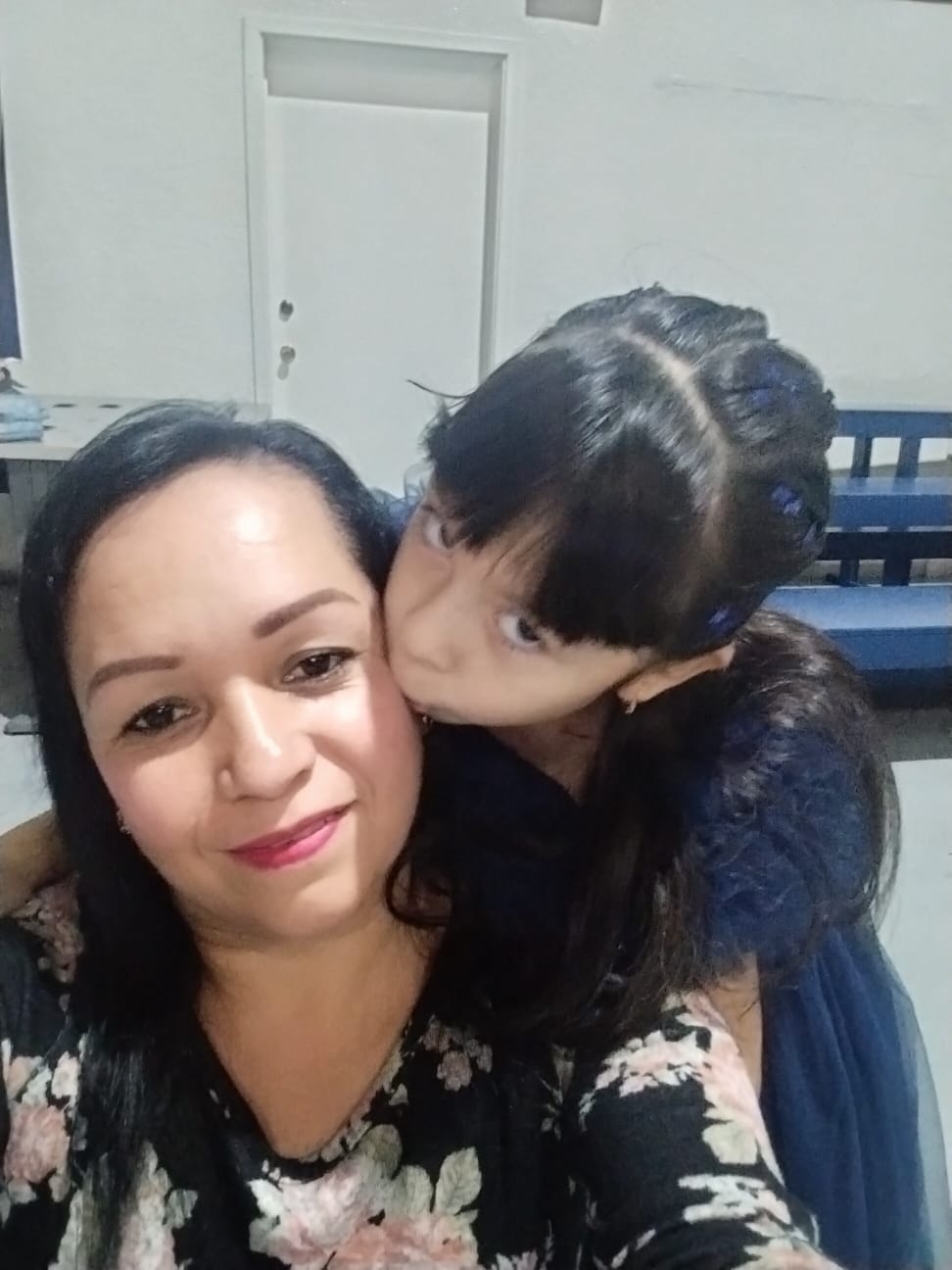

«With my triplets, our life took a turn for the better»

Maria Concepcion always dreamed that Adriel would have a playmate. At 36, she and her husband faced two challenges: her age and his previous vasectomy. That’s why they trusted an IVF treatment. Today they enjoy Adriel and Aranza together, their son and daughter.
Why is a second pregnancy after 35 more challenging?
After age 35, ovarian reserve decreases in both the quantity and quality of eggs. If the couple has had a vasectomy, retrieving sperm through a simple procedure is necessary. These factors lead specialists to recommend IVF with controlled stimulation (150–300 IU of gonadotropins daily) to increase the chances of success.
Do not self-medicate: always consult an assisted reproduction specialist before starting any treatment.

Advantages of a multi-cycle IVF plan for older mothers
With multi-cycle IVF, ovarian stimulation, egg retrieval, and embryo culture are repeated several times. This allows for fresh or thawed embryo transfers and achieves cumulative success rates of up to 60% over three cycles.
Choosing the best blastocyst-stage embryos (day 5–6) and assessing their genetic load optimizes implantation and reduces the risk of miscarriage.
Emotional support during treatment
Daily injections, waiting for results, and procedures can cause anxiety. Our team of psychotherapists at Ingenes supports each couple, offering tools to manage fear of failure and uncertainty, creating a trusting environment.
Having friends and family who understand your journey is also key to feeling supported.
More motherhood stories
Discover inspiring accounts like “I wanted to be a single mother and at 46 I had my babies” and “I decided to become a single mother at the age of 40.” They will help you feel accompanied and confident in each step.
Ready to try again?
If you’re looking to become a mother again and haven’t succeeded, the best step is to evaluate your situation with a reproductive specialist. At Ingenes, we offer the Initial Program, designed to identify barriers and create a personalized plan with our team of specialists.
Add your name to the list of happy stories: schedule your Initial Program and let us accompany you on this journey.
Frequently Asked Questions
1. Does age really affect IVF success?
Yes. After age 35, the quantity and quality of oocytes decline, which reduces fertilization rates and increases the risk of miscarriage. With multi-cycle IVF, you accumulate embryos over multiple retrievals, improving overall chances.
Your specialist will analyze your AMH level (< 1.0 ng/mL) and follicle count to personalize stimulation and maximize embryo viability.
2. What side effects does hormonal stimulation have?
The most common symptoms are abdominal bloating, mood changes, and headaches in 10–15% of cases; they usually resolve after egg retrieval. In less than 2%, severe ovarian hyperstimulation can occur, requiring close monitoring.
Always follow your doctor’s instructions and avoid self-medicating.
3. When will I know if the treatment worked?
Ten to twelve days after embryo transfer, a β-hCG test is performed (level ≥ 25 mIU/mL). For ultrasound confirmation of the gestational sac and heartbeat, you wait until week 6–7, a time when emotional support remains crucial.
4. Do I need psychological support?
Definitely. Stress and fear of failure can affect your well-being and treatment adherence. A psychotherapist specialized in reproductive health provides strategies to maintain motivation and emotional balance.
You’re not alone: seeking psychological help is a powerful step toward success.
Sources Consulted
- American College of Obstetricians and Gynecologists. (2020). Advanced maternal age: Practice Bulletin No. 209.
- MedlinePlus. (2023). Ovarian reserve testing. U.S. National Library of Medicine.
- Practice Committee of the ASRM. (2016). GnRH–agonist vs GnRH–antagonist protocols. Fertility and Sterility, 106(2), 363–371.
- Lee, J., & Bannerjee, S. (2021). Psychological well-being and fertility treatment. Human Reproduction Update, 27(3), 439–456.
We know how valuable this dream is. Count on our support and don’t hesitate to consult an in vitro fertilization specialist for the personalized guidance you deserve.