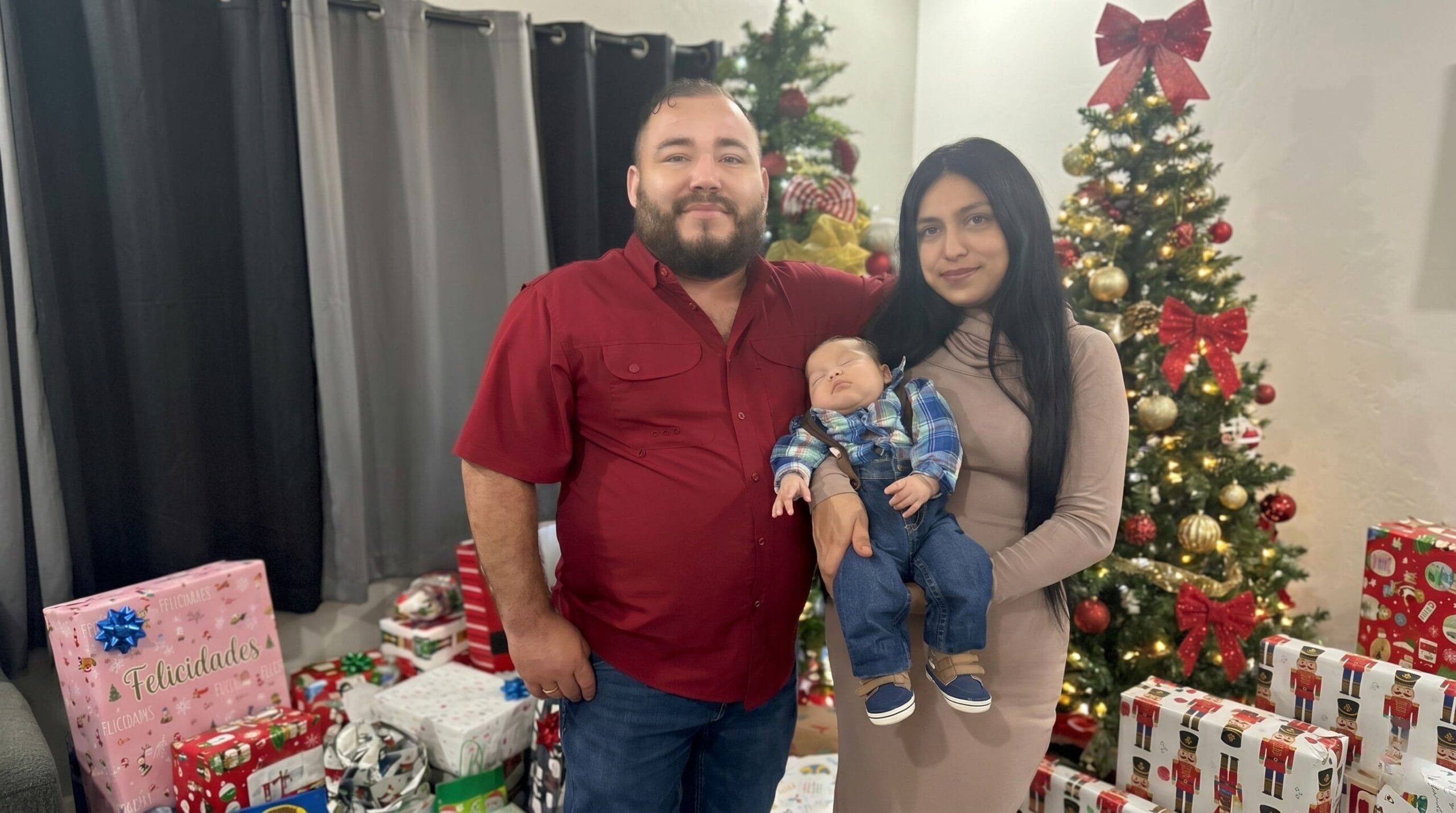

«After 22 years of trying, I became a mother thanks to artificial insemination»
Thousands of women and men have undergone various treatments at fertility clinics in Mexico and, unfortunately, many do not achieve the desired result. This was Evelyn’s story, who fought tirelessly for 12 years to become a mother.
She shares the frustration of trying over and over, the emotional toll after a decade of failed attempts, and how, in her first in vitro fertilization cycle, she finally held her baby in her arms.
My 12-Year journey in fertility clinics in Mexico
Imagine spending 12 years trying to become a mother: visiting four clinics, undergoing timed inseminations, uncomfortable exams, and receiving conflicting diagnoses of endometriosis, fibroids, and polycystic ovary syndrome (PCOS, now PMOS). Each negative test hurts, and the side effects of medications can be overwhelming. Never self-medicate; always consult a specialist in Assisted Reproduction before using any medication.
Step by step of an In Vitro Fertilization (IVF) Cycle
In my case, the IVF cycle included:
- Ovarian stimulation with hormones.
- Monitoring with Doppler ultrasound (ECO-DOP) and estradiol tests.
- Follicular puncture under local anesthesia and 24-hour recovery.
- In vitro fertilization and embryo culture in Ham’s F-10 media.
- Selection of a grade A embryo and transfer of 20 µL into the uterus.
- Two weeks later, a beta-hCG test > 25 IU/L confirmed my pregnancy.
Caring for your emotional well-being during treatment
Psycho-emotional support is as important as the medical protocol. Therapy with a psychotherapist, the company of your partner and family alleviate stress. Relaxation techniques, prenatal yoga, and a balanced diet (1.5 kg of fruits and vegetables per day, 1.2 g/kg of protein, and 30 mL/kg of water) strengthen your body and mind.
Key indicators of a good fertility clinic
- Live birth rate per cycle.
- IVF laboratory certified by REDLARA and other organizations.
- Comprehensive reproductive health diagnosis.
- Multiple-cycle programs and assisted hatching.
- Multidisciplinary team: gynecologists, biologists, andrologists, and psychotherapists.
If you haven’t achieved your goal yet, get inspired by stories like “After 10 Years of Trying and Uterine Fibroids, I Had My Baby” and “After 22 Years of Trying, I Became a Mother Thanks to Artificial Insemination”.
References
- American Society for Reproductive Medicine. (2020). Primer for Fertility Preservation. doi:10.1016/j.fertnstert.2020.03.021
- MedlinePlus. (2023). In Vitro Fertilization. https://medlineplus.gov/ency/article/007277.htm
- Practice Committee of the American Society for Reproductive Medicine. (2018). Optimal evaluation of the infertile female. Fertility and Sterility, 101(1), 27-32. doi:10.1016/j.fertnstert.2013.08.048
- Mayo Clinic. (2022). Polycystic ovary syndrome (PCOS). https://www.mayoclinic.org/diseases-conditions/pcos/symptoms-causes/syc-20353439
Frequently Asked Questions (FAQ)
How long does a complete in vitro fertilization cycle take?
An IVF cycle includes ovarian stimulation (10–14 days), follicular puncture, embryo culture (3–5 days), and transfer. From the start of hormones to the pregnancy test, about four weeks pass. It can vary depending on your ovarian response and the medical protocol.
What are the risks of ovarian stimulation for IVF?
The main risk is ovarian hyperstimulation syndrome (2–5% of cycles), which causes enlarged ovaries, abdominal pain, and nausea. Strict monitoring of estradiol and follicles, adjusting gonadotropin doses, or using GnRH agonists helps reduce it.
How does the emotional factor influence success?
Chronic stress raises cortisol and can alter endometrial receptivity. Maintaining emotional health with meditation, cognitive-behavioral therapy, or group support improves treatment adherence and pregnancy rates.
When should I seek a second opinion?
If after three low-complexity cycles or one IVF cycle there is no success, or diagnoses are conflicting, consider a second opinion with a reproductive medicine specialist. Ask about advanced tests such as PGT, ERA, or sperm DNA fragmentation.
You are taking important steps toward your dream of becoming a mother or father. Always seek the guidance and support of an assisted reproduction specialist.