Don't miss our updates

Guadalupe tenía 24 años cuando comenzó a buscar un tratamiento para tener hijos, pero su cuerpo se resistía al tratamiento. Ella te cuenta aquí.

Implantation failure is diagnosed when, after at least three cycles of in vitro fertilization or the transfer of more than ten good-quality embryos, pregnancy is not achieved. Today we have highly effective solutions for every cause of implantation failure: blastocyst‐stage transfer (day 5), preimplantation genetic testing for aneuploidy (PGT-A) and assisted hatching. What is implantation failure and why is it important to identify? Embryo implantation requires a good-quality embryo, a receptive endometrium and effective communication between both. When pregnancy is not achieved after three IVF cycles or more than ten embryos transferred, it is called implantation failure. Early detection guides treatment and improves your chances of success. Most common causes Embryonic: chromosomal abnormalities or difficulty hatching from the zona pellucida. Uterine: malformations, fibroids, adhesions, synechiae, endometritis or hydrosalpinx. Hormonal or metabolic: antiphospholipid syndrome, insulin resistance or obesity. Thrombophilias: clotting disorders. How it is diagnosed Blood tests: hormones, metabolic profile, immunological markers and coagulation tests. Transvaginal ultrasound: identifies fibroids or malformations, measures endometrium (ideal ≥ 7 mm) and evaluates hydrosalpinx. Sperm DNA fragmentation: complements semen analysis if genetic damage is suspected. PGT-A: detects aneuploidies and selects euploid embryos. Zona pellucida monitoring: after culture to blastocyst to assess assisted hatching. Reviewing your cycle history (oocyte yield, fertilization, embryo quality) helps personalize prognosis. Treatment options Immunological: specific medication under medical supervision. Uterine: from hormonal therapies to minimally invasive procedures. Embryonic: cutting‐edge techniques: Blastocyst transfer Culturing embryos to day 5–6 allows selection of those with the highest implantation potential. Preimplantation Genetic Testing (PGT-A) By transferring only euploid embryos, you reduce the risk of failure and pregnancy loss, regardless of maternal age. This accelerates the path to pregnancy. Assisted hatching A laser creates a controlled opening in the zona pellucida to facilitate blastocyst–endometrium contact. For more details, see Implantation Failures: Understanding the Challenge. Frequently Asked Questions (FAQ) How Does Maternal Age Affect It? With age, oocyte quality declines and aneuploidy risk increases, making implantation harder. That’s why PGT-A is often recommended after age 35. But each case is unique: immunological, uterine and lifestyle factors also matter. Why Does Endometrial Thickness Matter? An endometrium ≥ 7 mm is associated with better receptivity. But vascularization and the implantation window also count. Specific tests help determine the ideal transfer timing. Is Assisted Hatching Safe? Yes, when performed by trained personnel using advanced laser. It takes seconds and, when done correctly, does not harm the embryo. It is recommended after previous failures and for blastocysts with thickened zona pellucida. Why Shouldn’t I Self-Medicate? Each hormone therapy or immunomodulator requires precise dosing and monitoring. Self-medication can create unnecessary risks. Sources Practice Committee of the American Society for Reproductive Medicine. (2020). Evaluation and treatment of recurrent implantation failure: a committee opinion. Fertility and Sterility, 113(2), 278–285. MedlinePlus. (2023). IVF. https://medlineplus.gov/ivf.html American College of Obstetricians and Gynecologists. (2021). Assessment and treatment of recurrent pregnancy loss. ACOG Practice Bulletin, 225. ESHRE Recurrent Implantation Failure Working Group. (2019). Definitions and diagnosis of recurrent implantation failure: a consensus statement. Human Reproduction, 34(10), 215–226. We know this journey can be challenging, but you are not alone. Every story is unique and deserves a tailored plan. If you suspect implantation failure, consult a reproductive specialist: together you will increase your chances of success.

The month of June is a special time around the world, as LGBTTTIQ+ Pride Month is celebrated. It is a time to recognize and honor diversity, equality, and inclusion in all its forms. At Ingenes, we join this celebration, highlighting our commitment to all families and offering specialized support for those same-sex couples who want to start a family. The importance of inclusion in Assisted Reproduction At Ingenes, we understand that each family is unique and that love knows no barriers. Our goal is to provide all couples, regardless of sexual orientation, with the tools and support necessary to fulfill their dream of becoming parents. Female couples, in particular, find Ingenes a safe and respectful place where they can receive personalized fertility treatments tailored to their specific needs. Fertility options for female couples Female couples who want to become mothers have several options available at Ingenes. One of the most popular is the ROPA (Couple Egg Reception) method, which allows both women to actively participate in the pregnancy process. This method involves one of the women donating her eggs, which are fertilized with sperm from a donor, and then transferred to her partner’s uterus. In this way, both women have a biological and emotional bond with their sons. In addition to the ROPA method, we also offer artificial insemination with donor sperm and in vitro fertilization (IVF), among other treatments. Our fertility specialists work closely with each couple to determine the best approach, ensuring the process is as comfortable and successful as possible. Celebrating pride at Ingenes Pride Month is a time to celebrate love in all its forms and recognize the struggles and achievements of the LGBTTTIQ+ community. At Ingenes, we are proud to support same-sex couples on their path to motherhood. We strongly believe in equality and creating an inclusive and welcoming environment for all families. During June, we carried out various activities and campaigns to highlight our commitment to the LGBTTTIQ+ community. We offer informative talks, support sessions, and personalized consultations for couples of women who want to learn more about their fertility options. We also participate in Pride events to show our support and promote equality and diversity. Testimonials from happy couples Nothing fills us with more pride than seeing our patients fulfill their dream of being mothers. Over the years, we have had the honor of helping many female couples start their families. Their success stories are a testament to the dedication and commitment of our team. For example, Elvira and Tania, a couple who came to Ingenes for support, managed to conceive their child using the ROPA method. “It was an incredible experience,” says Tania. “The Ingenes team made us feel safe and supported at all times. Now we are a happy family thanks to their help.“ At Ingenes, we believe in equality, inclusion, and the right of everyone to start a family. This June, as we celebrate Pride, we reaffirm our commitment to the LGBTTTIQ+ community and continue to offer specialized fertility services and comprehensive support for all couples of women who wish to become mothers. If you and your partner are considering starting a family, we are here to help you every step of the way.

On September 4 we celebrate World Sexual Health Day, promoted by the World Association for Sexual Health. It’s a time to talk about sexuality without taboos, with clear information and recognizing that it’s an essential part of our health and well-being. At Ingenes Fertility Institute in Mexico, this date reminds us that sexual health includes fertility, reproductive rights, and informed decisions. Every story deserves judgment-free support. What is sexual health and why does it matter? According to the WHO, sexual health is a state of physical, emotional, mental, and social well-being in relation to sexuality, not merely the absence of disease. It involves being able to enjoy safe and pleasurable experiences free from coercion and discrimination. Talking about sexual health goes beyond intimate relationships. It includes: Knowing your own body. Making informed reproductive decisions. Access to quality medical care. Respect for sexual and gender diversity. Prevention and treatment of STIs. Family planning and fertility. This comprehensive approach links sexual and reproductive health as two sides of the same coin. How is fertility related to sexual well-being? In many cultures we only talk about avoiding unwanted pregnancies or STIs. But when you face difficulties conceiving, fertility becomes a crucial part of your sexual health. At Ingenes we have spent over 20 years supporting thousands of women, men, and couples who didn’t know they could seek specialized help or felt it was a taboo topic. Celebrating World Fertility Day shows that questions like “Why can’t I get pregnant?” are valid and necessary. What medical factors affect fertility? Some conditions can make conception difficult without showing clear symptoms: Hormonal imbalances Low ovarian reserve Endometriosis Polycystic ovary syndrome (PCOS) Blocked fallopian tubes Male factor (low sperm concentration or motility) Reproductive immunology Genetic factors Many variations are confused with normal cycles, so a comprehensive evaluation including gynecology, endocrinology, and reproductive immunology is essential. How does emotional health support fertility? Failed attempts can cause stress, anxiety, and relationship tensions. Emotional well-being is as fundamental as medical treatment. At Ingenes we include psychological support from the start. Our specialists help you manage emotions, strengthen resilience, and maintain hope. Lifestyle habits that protect your fertility Some recommendations: Under 35: evaluation after 12 months of trying. Over 35: after 6 months. If you plan to delay pregnancy, consider an ovarian reserve study. Manage chronic conditions (diabetes, hypertension, thyroid). Do not self-medicate without consulting a doctor. Maintain a balanced diet, exercise regularly, and manage stress. Information and professional guidance strengthen your sexual and reproductive health. Who can access assisted reproduction? We serve diverse families: single women, same-sex couples, trans people, and anyone who wants to become a mom or dad. We offer egg, sperm, or embryo donation and the ROPA method for shared motherhood. We also celebrate International Men’s Health Week, because male fertility is part of this inclusive vision. Immediate steps to care for your fertility Schedule your annual gynecological exam. Talk with your partner about family planning. If you’ve had difficulties, get a fertility evaluation. Share scientific and empathetic information with your circle. Don’t ignore severe menstrual pain, irregular bleeding, or hormonal changes. Seek psychological support if emotions overwhelm you. Before using any medication, consult a specialist in assisted reproduction. Full sexuality includes your right to become a mom or dad At Ingenes we believe sexual health encompasses the desire to have a child if you choose. We combine science, empathy, and real results to make your family dream possible. Talking about sexuality is also talking about hope, family, and the future. Frequently Asked Questions 1. What should I do if I’ve been trying to conceive for a while? Keep a record of your cycles and ovulation signs for at least three months. Under 35, seek help after one year of trying; over 35, after six months. The evaluation includes hormone levels (FSH, AMH in ng/mL) and an ovarian reserve ultrasound. A reproductive endocrinologist will interpret results and suggest lifestyle adjustments, treatments, or assisted techniques. 2. How does stress affect fertility? Chronic stress alters key hormones like cortisol, estrogen, and progesterone, making ovulation and sperm quality more difficult. It can reduce sexual desire and create relationship tensions. At Ingenes we use cognitive-behavioral therapy, mindfulness, and stress management so you can face this process better and strengthen your support network. 3. Can I preserve my fertility if I’m not ready for pregnancy? Yes. Egg vitrification is ideal for postponing motherhood. After controlled ovarian stimulation guided by ultrasound and tests, eggs are retrieved under sedation and stored at –196 °C in liquid nitrogen. It’s best done before age 35. 4. What role does male fertility play and how is it evaluated? The male factor accounts for up to 50 % of infertility cases. A semen analysis measures volume (mL), concentration (million/mL), motility (%), and morphology (% normal). Hormones (testosterone, FSH) are also evaluated and, if needed, genetic studies. Improving male fertility includes a balanced diet, exercise, avoiding tobacco, excessive alcohol, and localized heat. If abnormalities are found, the specialist may recommend medical treatments, varicocele surgery, or ICSI. References World Health Organization. (2015). WHO guidelines on prevention and treatment of maternal peripartum infections. https://doi.org/10.1017/9781108166592 American Society for Reproductive Medicine. (2020). Definitions of infertility and recurrent pregnancy loss. Fertility and Sterility, 113(6), 1252–1253. https://doi.org/10.1016/j.fertnstert.2020.03.021 MedlinePlus. (2023). Infertility. U.S. National Library of Medicine. https://medlineplus.gov/infertility.html Practice Committee of the American Society for Reproductive Medicine. (2018). Emotional aspects of infertility. Fertility and Sterility, 110(4), 611–619. https://doi.org/10.1016/j.fertnstert.2018.06.007 We know this journey can be challenging. If you have questions or need guidance, consult a specialist in assisted reproduction. We’re with you every step of the way.


Guadalupe utilizó el método ROPA para quedar embarazada y ser madre de Matías junto a su esposa. Un bebé de ambas, conoce su historia aquí.

El sangrado de implantación es un ligero manchado que puede confundirse con la menstruación. Conoce causas y síntomas para sentirte segura.

¿Se puede quedar embarazada con quistes en los ovarios? Conoce a Rosy, una mujer de más de 35 invadida de quistes, y cómo logró a su bebé.

Silvia fue mamá después de los 40 años con una Fecundación In Vitro, pero la gran sorpresa fue que año y medio después se embarazó de nuevo sin ayuda.

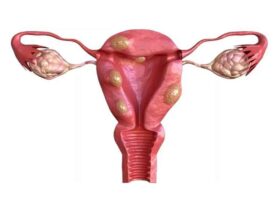
Uterine myomatosis is the formation of myomas or fibroids inside the uterus. These are benign tumors classified according to their location. Depending on where they are found, fibroids are classified as: Intramural: within the muscular wall of the uterus. They can affect fertility if they exceed 4 cm. Submucosal: on the surface of the uterine lining. They hinder embryo implantation. Subserosal: in the outer layer of the uterus. They usually do not interfere with fertility. What is uterine myomatosis and why does it matter for fertility? Uterine myomatosis involves the growth of fibroids, benign smooth muscle tumors, inside the uterus. It affects about 20% of women of reproductive age, especially after age 30. Fibroids can range from microscopic nodules to masses over 4 kg, altering the shape of the uterus and reducing pregnancy chances. How common is uterine myomatosis in those trying to conceive? Uterine fibroids are the most common pelvic tumors in women of reproductive age, present in nearly 70–80% before menopause. Although many are asymptomatic, those that deform the uterine cavity—particularly large intramural and submucosal fibroids—are involved in up to 80% of uterine factor infertility cases. How do fibroids affect embryo implantation? Large submucosal and intramural fibroids can: Alter sperm transport and uterine peristalsis Reduce endometrial receptivity by compressing the lining Increase the risk of implantation failure and early miscarriage Can fibroids complicate pregnancy? Yes. During pregnancy, fibroids can cause: Higher risk of miscarriage and preterm birth Fetal growth restriction due to lack of space Cervical canal obstruction or labor dystocia Postpartum hemorrhage from poor uterine contraction What symptoms may indicate fibroids? About 25% are asymptomatic. When symptoms occur, they include: Sensation of pelvic pressure or heaviness Heavy or prolonged menstrual bleeding Pelvic cramps and irregular bleeding Frequent urination or difficulty urinating Secondary infertility or recurrent miscarriages Severity depends on fibroid size, number, and location. How is diagnosis confirmed? Transvaginal ultrasound is the gold standard, with nearly 100% sensitivity (95% transabdominal). In complex cases, MRI is used. Always consult a reproductive medicine specialist to interpret results and design a treatment plan. Fertility-preserving treatment options Choice depends on age, fibroid characteristics, and reproductive goals: Expectant management for small, asymptomatic fibroids Myomectomy (surgical removal), followed by assisted reproduction techniques Controlled ovarian stimulation combined with in vitro fertilization (IVF) if cavity distortion persists IVF bypasses uterine transport obstacles and allows for selecting the embryo with the highest implantation potential. For more information, see our guide on Endometriosis: what it is and how it impacts fertility. FAQ 1. Can small fibroids disappear on their own? Yes. Many remain stable or shrink after menopause due to estrogen decline. In reproductive age, asymptomatic fibroids under 2 cm are usually monitored with periodic ultrasounds. If you plan to conceive, even a small submucosal fibroid can affect implantation, so consult your doctor to assess intervention before trying to conceive. 2. Are there non-surgical treatments? GnRH agonists and selective progesterone receptor modulators can temporarily shrink fibroids and reduce bleeding in 3–6 month cycles. They improve conditions before surgery or comfort but are not definitive solutions. Never self-medicate without medical supervision. 3. When can I attempt IVF after a myomectomy? Ideally between 6 and 12 months after surgery, before recurrence risk increases. This timing allows the uterine lining to heal and optimizes pregnancy chances. Make sure your specialist confirms proper healing with ultrasound or hysteroscopy before starting treatment. 4. Does the risk of miscarriage increase? Yes. Fibroids that deform the cavity or alter blood flow are associated with early pregnancy loss. Risk increases with fibroid size and location, especially submucosal and large intramural fibroids. Proper management, surgical or with assisted reproduction, significantly reduces miscarriage rates. Always consult a specialist before making decisions. References Faerstein, E., Szklo, M., & Schwingl, P. J. (2001). Risk factors for uterine leiomyoma: a practice-based case–control study. American Journal of Epidemiology, 153(5), 463–469. doi:10.1093/aje/153.5.463 Lau, W., & Shlisselberg, S. (2016). Management of uterine fibroids. American Family Physician, 94(2), 106–113. https://www.aafp.org/afp/2016/0715/p106.html MedlinePlus. (2021). Uterine fibroids. https://medlineplus.gov/uterinefibroids.html Stewart, E. A. (2015). Uterine fibroids. Lancet, 376(9745), 145–157. doi:10.1016/S0140-6736(10)60246-1 Remember: every body is unique. Stay informed, keep hope, and consult an assisted reproduction specialist for personalized care.

Clara tiene útero retroverso, como 1 de cada 5 mujeres. Conoce su historia y cómo se transformó en mamá cuando tenía más de 39 años.

Egg vitrification has become a revolutionary technique in the world of assisted reproduction, offering a valuable option for women who wish to preserve their fertility for the future. This technique, widely used in specialized clinics such as Ingenes Fertility Institute in Mexico, allows women to make informed decisions about their motherhood, without the pressure of the biological clock. What is Egg Vitrification? Egg vitrification is an ultra-rapid freezing process that prevents the formation of ice crystals, which could damage the eggs. This method is effective in preserving the quality and viability of a woman’s eggs, which is especially useful for those who wish to delay childbearing for personal, professional or health reasons. Why Choose Egg Vitrification? The Vitrification Process The vitrification process is carried out with the highest technology and expert care. After ovarian stimulation and extraction, the eggs undergo a rapid freezing process. This method prevents the formation of ice crystals, which could damage the cellular structure of the egg, thus ensuring its long-term viability. Benefits of Egg Vitrification Who Should Consider Egg Vitrification? At Ingenes Fertility Institute in Mexico, we strive to be more than a fertility clinic; We seek to be partners in our patients’ reproductive journey. We understand that each woman is unique, and her path to motherhood is also unique. Therefore, we are dedicated to providing not only medical treatment but also comprehensive support and advice, ensuring that each woman feels accompanied, safe, and understood every step of the way. Egg vitrification at Ingenes Fertility Institute in Mexico represents an opportunity to make free and conscious decisions about motherhood. It is a choice that empowers women, allowing them to align their family dreams with their life goals. At Ingenes Fertility Institute in Mexico, we are proud to facilitate this path, offering advanced technology, compassionate care, and a deep commitment to each patient’s reproductive success.

When it comes to addressing infertility and the desire to become parents, low-complexity treatments are often the recommended starting point for many couples. This type of treatment is particularly relevant for those who are facing difficulties in conception but have not yet explored medical options. In many cases, couples are not aware of their infertility situation until they encounter obstacles to conceiving naturally. It is recommended that if a couple has been trying to have a baby for a year without success, and the woman is under 35 years old, they should consider consulting with an assisted reproduction specialist. An assisted reproduction specialist not only provides an accurate diagnosis but can also recommend the most effective treatment for the couple’s specific needs. Infertility can be the result of a variety of factors, and only a professional evaluation can determine the most appropriate path forward. At Ingenes Fertility Institute in Mexico, we often suggest low-complexity treatments for couples with women under 35 years of age. This is because the quality and quantity of eggs are generally more favorable in younger women. The quality of the egg is a crucial factor since it directly influences the ability to form healthy embryos, with an adequate number of chromosomes and the energy necessary to develop successfully after fertilization. It should be noted that, although these treatments may be more accessible from a financial point of view, they do not offer a guarantee of success. The effectiveness of these treatments may be limited compared to more comprehensive options. For this reason, an evaluation by an assisted reproduction specialist is essential. At Ingenes Fertility Institute in Mexico, the specialist can recommend the Comprehensive BEC Programs, designed to maximize your chances of bringing your baby home. Low Complexity Treatments in Assisted Reproduction Below, we detail the main low-complexity techniques and how they can be the first step toward realizing your dream of having a baby. – Ovulation Induction: This treatment is ideal for women under 32 years of age who have ovulation problems, such as polycystic ovary syndrome or anovulation. Through the use of medications, the ovaries are stimulated to regulate the menstrual cycle and increase the chances of ovulation and, therefore, conception. – Scheduled Intercourse: This technique involves detailed monitoring of the woman’s ovulatory cycle. The optimal time for sexual relations is determined, thus significantly increasing the chances of pregnancy. It is a less invasive option and can be particularly effective for couples without severe fertility problems. – Artificial insemination: Artificial insemination consists of placing previously prepared and selected sperm directly into the woman’s uterus during her ovulation period. This technique improves the fertility potential of sperm through a process called sperm capacitation. This process includes washing and centrifugation techniques that purify the sample, eliminating impurities and selecting the highest quality and most motile sperm. – Sperm Training: An essential step in artificial insemination, sperm capacitation improves the chances that selected sperm will fertilize the egg. This laboratory procedure is crucial to ensure that only the fittest sperm are used in the treatment. At Ingenes Fertility Institute in Mexico, we understand the importance of each step on your path to parenthood. From your first consultation, we provide you with an accurate diagnosis and guide you through the most appropriate treatment options for your case. Our goal is to give you the best possible opportunity to fulfill your dream of having a baby. Don’t hesitate to reach out to us for more information and start your journey toward finding your baby.

Progesterone, the hormone driving your dream of becoming a mother or father, is key to female fertility. When it’s lacking, it can become a silent obstacle. At Ingenes we understand how much reaching motherhood or fatherhood means to you, which is why we care for every detail of your hormonal balance. What does progesterone do? Known as “the pregnancy hormone,” progesterone prepares the uterus to receive the embryo and sustains it during the first weeks. Adequate levels create a welcoming environment for implantation and early development. If you think your body needs help, in this article we explain how to detect and correct a possible deficiency. Warning signs Low progesterone shows up as irregular cycles, spotting before your period, or difficulties conceiving. At Ingenes we use precise blood tests (measuring ng/mL) to detect imbalances and give you a clear picture of your reproductive health. Impact on your dertility Without enough progesterone, implantation can fail or the risk of early miscarriage increases. Our team evaluates your hormonal profile and, if necessary, includes studies on the embryo factor to maximize your chances of success. Treatments at Ingenes We offer personalized plans: oral or vaginal progesterone supplements (measured in mg) and, if needed, intrauterine insemination or IVF. Remember: “Do not self-medicate without specialist guidance.” Our approach aims to restore your hormonal balance and create the best conditions to conceive and carry a healthy pregnancy. “Before starting any treatment, consult a Specialist in Assisted Reproduction to increase your chances of success.” If you feel that progesterone is standing in the way of your journey to motherhood or fatherhood, we are here for you. We support you with warmth and expertise every step of the way. Frequently Asked Questions Can low progesterone cause implantation failures? Yes. This hormone prepares the endometrium to nourish the embryo. If levels are low during the luteal phase, the endometrium may be too thin. Measuring progesterone 7 days after ovulation helps determine if supplementation is needed. Sometimes combining progesterone with luteal support in IVF improves implantation rates. Always follow your specialist’s prescribed doses. When should progesterone be measured after ovulation? About 7 days after ovulation (day 21 in a 28-day cycle). It should exceed 10 ng/mL. Blood testing is the most reliable method. If your levels are low, your doctor may recommend 100–400 mg/day of vaginal or oral progesterone. Do not self-medicate; always seek specialist guidance. Natural ways to boost progesterone? An balanced lifestyle helps: a diet rich in vitamin B6 and magnesium, stress control with yoga or mindfulness, and maintaining a BMI between 18.5–24.9. Avoid excessive exercise. But if the imbalance is significant, medical therapy is the safest way to reach optimal levels. Can supplements prevent miscarriage? In women with a weak luteal phase or recurrent losses, vaginal progesterone (200–600 mg/day) may improve the chance of maintaining pregnancy until week 10–12. Speak with your specialist to determine the route, dosage, and duration based on your history. Sources Consulted MedlinePlus. (2023). Progesterone. Retrieved from https://medlineplus.gov/ency/article/003476.htm Nagaraju, S., & Imudia, A. N. (2021). Luteal phase support in assisted reproductive technology. Best Practice & Research Clinical Obstetrics & Gynaecology, 73, 95-103. American Society for Reproductive Medicine. (2022). Progesterone supplementation: Practice Committee opinion. Fertility and Sterility, 118(3), 495-500. MedlinePlus. (2022). Luteal phase defect. Retrieved from https://medlineplus.gov/genetics/condition/luteal-phase-defect We understand you, support you, and trust in your strength. If you need personalized guidance, consult a specialist in fertilization. Your dream of starting a family matters, and you’re not alone on this journey!

A mother carrying a baby in her womb alters its genes, even when the egg comes from another woman. This means her child will be born with traits similar to hers, according to a study by the Valencia Infertility Institute Foundation (IVI). How does the maternal uterus influence the genes of a donated embryo? The uterus is much more than a container: during gestation there is constant dialogue between embryo and endometrium. Endometrial fluid exosomes release maternal RNA that reaches the embryonic nucleus and regulates gene expression, adjusting physical and health traits. Studies such as “The Marvelous Science of Egg Donation: Beyond Genes” explain this in detail. Electron microscope of an exosome about to adhere to the endometrium (IVI). For nine months, the embryo receives blood, nutrients, and oxygen through the umbilical cord. These biochemical signals vary according to the gestational carrier’s genetics, habits, and lifestyle, reinforcing that egg donation is only the starting point. It is the uterus that shapes and “signs” the DNA that will guide the baby’s development. What epigenetic changes can gestation cause in egg donation? During gestation, epigenetic interaction can influence: Eye color and shape Hair texture and tone Facial expressions, such as the smile Predisposition to certain metabolic or autoimmune diseases These modifications do not replace the donated genetics but regulate the activation or silencing of specific genes. To learn more, see “The Revolutionary World of Fertility and Egg Donation”. How does genetic exchange occur between embryo and endometrium? Exosome releasing maternal RNA into the cytoplasm of a blastocyst (IVI). Exosomes, 50–150 nm vesicles, transport maternal RNA to the blastocyst’s cytoplasm and adjust gene transcription. The result is a unique epigenetic profile that combines the donor’s inheritance and the carrier’s influence. Why is egg donation a great opportunity? Rocío, 52, had her two babies via egg donation at Ingenes. The egg donation experience lets you carry and give birth to a child with a unique maternal genetic imprint. Avoid self-medication and always consult a Assisted Reproduction specialist before starting any fertility treatment. Frequently Asked Questions about egg donation and uterine genetics 1. Does the gestational mother contribute DNA if the eggs are from another person? Yes. Although the main genetic load comes from the donor, during gestation the uterus releases exosomes with RNA that modulate the embryo’s gene expression, influencing physical traits and future health. 2. What risks or benefits does this genetic interaction have? Benefits include better embryo adaptation to the uterine environment and higher implantation rates. As for risks, long-term impact is still under study: so far there is no evidence of adverse effects, but specialized prenatal follow-up is recommended. 3. Can it influence the baby’s temperament? Personality arises from genetics and environment. Egg donation and uterine influence affect physical traits and biochemical predispositions, but parenting style and the postnatal environment are key to the child’s character. 4. How to choose the best clinic for egg donation? Choose centers with international accreditations, multidisciplinary teams, and evidence-based protocols. Review their success rates, lab technology, and psychological support offered before and after birth. Sources Vilella F. et al. (2015). Hsa-miR-30d, secreted by the human endometrium, is taken up by the pre-implantation embryo and might modify its transcriptome. Development, 142(18), 3210–3221. MedlinePlus. (2023). Assisted Reproductive Technology. U.S. National Library of Medicine. Gardiner K. et al. (2020). Epigenetic modifications during pregnancy: maternal-fetal interactions. Journal of Reproductive Immunology, 138, 103-110. Mor & Cardenas. (2018). The immune system in pregnancy: a unique complexity. American Journal of Reproductive Immunology, 79(3), e12847. We are with you on this journey. If you have questions or are considering egg donation, consult an Assisted Reproduction specialist for the best guidance and support.

Exploring New Horizons in Playback Fertility science is opening doors to a world where the difficulties of starting a family become surmountable challenges. The latest advances in the reproductive field promise a future full of hope for those who long to have a child. The Science of Fertility Within Everyone’s Reach Fertility may seem like a complex topic but think of it as a puzzle that we are solving together. From known methods to innovations in genetics, science is working in your favor. Ingenes: Companions on Your Reproductive Journey At Ingenes Fertility Institute in Mexico, we are passionate about being at the forefront of reproductive science, transforming the latest research into effective and accessible treatments for you. Personalized Treatments for You Each person is unique, and at Ingenes Fertility Institute in Mexico we know it. That’s why we personalize each treatment, making sure it suits your specific needs. Advances That Inspire Hope Each discovery in fertility brings us closer to making your desire to have a child come true. We are here to support you, whether you are taking your first steps or have been on this path for some time. A Fertile and Hopeful Future Envision a future where reproductive challenges become success stories. With scientific advances, that future is possible. At Ingenes Fertility Institute in Mexico, we are committed to making it a reality for you. Commitment and Constant Support Our commitment at Ingenes Fertility Institute in Mexico is to accompany you at every stage of this exciting journey. From the first consultation to reaching your goal, we want to be those friends you can always trust. Are you ready to take this journey? Visit Ingenes and allow us to be part of your path to realizing your family. We are eager to support you in every step towards realizing your dream!

What is the reality of fertility today? Although we don’t talk about it every day, facing difficulties conceiving is more common than you think: 1 in 6 couples experiences it. The good news is that science and medicine have advanced greatly and offer real solutions to fertility challenges. Why do fertility problems arise? Reproductive challenges can stem from different factors: ovulatory, tubal-peritoneal, uterine, or male (for example, low sperm quality or quantity). Lifestyle habits such as smoking, stress, a very high BMI (>30 kg/m²) or very low (

Starting an assisted reproduction treatment can be overwhelming: there will be ups and downs and moments of uncertainty. We know facing these challenges can make you feel alone. That’s why having the support of your partner, friends, or close family members is essential to keep you grounded and focused on the goal of having your baby. To dive deeper into this topic, see The Importance of Emotional Health in Fertility Treatment. What is emotional support in assisted reproduction and why is it key? Emotional support during assisted reproduction treatment includes understanding, empathy, and practical help from loved ones and professionals. Studies show that women who receive consistent accompaniment lower their cortisol levels (measured in μg/dL) and achieve higher pregnancy rates after IVF. This support reduces feelings of isolation and promotes healthier coping strategies. You can rely on your partner, friends, family, and specialized therapists at each stage: stimulation (hormone doses in IU), egg retrieval, embryo transfer, and the two-week wait. Their presence helps moderate anxiety spikes and improves your overall well-being, as explained in The Emotional Process of Men in Infertility, which highlights the male perspective and the importance of mutual support. How can your partner provide effective support? If you’re treated as a couple, your partner will be your main support. From day one, their participation in consultations, blood tests (e.g., 5 mL vials), and ultrasounds shares the emotional load. Attending stimulation appointments and joining you for the embryo transfer reinforces that team feeling. Open communication is key: ask what they need and share your feelings. Avoid assumptions: clarity in decisions—from choosing the protocol (for example, 150 IU of FSH per injection) to planning rest days—strengthens your commitment. Their unconditional support will give you the boost you need. Why is assessing both partners’ reproductive health so important? In 40% of couples with difficulty conceiving, male factors are involved. That’s why undergoing a simultaneous evaluation—semen analyses measuring volume (mL), concentration (million sperm/mL), and motility (%)—allows detection of issues like oligozoospermia. A joint diagnosis and a tailored treatment plan reduce uncertainty and foster teamwork: you face hormonal stimulation, egg retrieval, and embryo culture as a united couple. Strategies to improve communication with your partner It’s not always easy to express what you feel. Try these tips: Schedule regular times to talk about emotions and doubts. Allow space to process before discussing. Ask directly what support the other needs. Listen actively without immediately seeking solutions. Validate stress and allow vulnerability. Honest communication strengthens your bond and makes each challenge more manageable. Who else can be part of your support network? Your circle goes beyond your partner. Family and friends provide affection and understanding that reduce stress and promote relaxation, key benefits for fertility. According to MedlinePlus, high stress can affect ovulation and sperm quality. Sharing your experience with trusted people breaks taboos—infertility affects 1 in 6 couples—and brings concrete help, from preparing healthy meals to accompanying you to appointments. How do others’ experiences contribute to the process? Connecting with those who have been through the same thing normalizes your feelings and reminds you that infertility isn’t your fault. Success stories and coping strategies offer hope and inspiration. Support groups—in-person or online—are safe spaces to share fears, celebrate achievements, and discover resources that strengthen your resilience. What does Ingenes’s Emotional Support Service (SEI) include? If you’re undergoing assisted reproduction at Ingenes, we offer the Emotional Support Service (SEI) as part of your treatment. In guided sessions, patient groups share experiences under the supervision of specialized therapists who provide tools to improve your emotional well-being. Your decision to become a mother or father is powerful. You don’t have to face this journey alone: your partner, family, friends, and the entire Ingenes team will be your anchor until you have your baby in your arms. Frequently Asked Questions How does stress affect assisted reproduction success? High stress can disrupt hormone production, hinder ovulation, and reduce semen quality. Studies show that relaxation techniques and psychological support lower cortisol levels (μg/dL) and improve embryo implantation rates. Incorporating therapies like mindfulness or yoga and having a support group creates a calmer environment, optimizing the chances of pregnancy. What role does the partner play in ovarian stimulation? Your partner’s presence at each appointment strengthens your bond and reduces anxiety. Attending visits together, reviewing follicles on ultrasound (measured in mm), and deciding on the medication plan (for example, 150 IU of FSH) facilitates decision-making. Their unconditional support fosters teamwork, boosts morale, and promotes treatment adherence. Why is joining a support group important? Being part of communities with other women and men undergoing similar treatments allows you to exchange experiences, coping strategies, and practical recommendations. This reduces isolation and provides motivation throughout the process. Facilitators, typically specialized psychologists, guide sessions to address emotional topics, improve communication, and share success stories. When should I seek additional professional help? If you experience intense anxiety, depressive episodes, or feelings of hopelessness that interfere with your daily life, it’s essential to see a psychologist or psychiatrist experienced in reproductive health. Avoid self-medicating without supervision. A reproductive specialist will advise you on safe medication and complementary therapies to optimize your physical and emotional well-being. References American Society for Reproductive Medicine. (2020). Stress and Reproduction. https://www.asrm.org MedlinePlus. (2021). Fertility and Stress. U.S. National Library of Medicine. https://medlineplus.gov World Health Organization. (2010). WHO laboratory manual for the examination and processing of human semen (5th ed.). doi:10.1007/978-3-642-02240-2 Li, S., Huang, T., Zheng, Y., Muka, T., & Hu, F. B. (2019). Stress and semen quality: a systematic review and meta-analysis. Human Reproduction Update, 25(3), 340–364. doi:10.1093/humupd/dmz006 Remember that your emotional well-being is as important as your physical health. Don’t hesitate to seek support and always consult a fertility specialist for proper guidance.

In vitro fertilization (IVF) is an assisted technique that has brought hope to many couples facing fertility challenges. Although the process is essentially the same, the individual experience may vary for each woman. Here’s a step-by-step look at the IVF process. 1. Stimulation of the ovaries Implying? Through hormonal injections, the aim is to stimulate the ovaries to generate multiple follicles. Each follicle houses an immature egg, which when mature will be ready to be fertilized. Expected result: The growth of several follicles, although the exact number varies according to each patient. Duration: From 1 to 5 weeks. 2. Egg capture Implying? After the follicles have properly matured, the doctor extracts the eggs using an ultrasound-guided syringe. Expected Result: On average, 3 out of 4 follicles will contain a mature egg. Duration: Less than 60 minutes. 3. Fertilization Implying? The eggs are combined with sperm in a laboratory to be fertilized. It can be through conventional insemination or the ICSI technique. Expected result: Approximately 70% of the eggs captured will be fertilized. Duration: Generally less than an hour. 4. Embryo development Implying? Embryos are grown in conditions that simulate the body’s natural environment. Expected Result: Unfortunately, only 40% of fertilized eggs will develop properly for transfer. Duration: Between 3 and 7 days. 5. Embryo transfer Implying? The embryo is placed in the uterus. Some women choose to freeze them for later use, while others opt for immediate transfer. 6. Pregnancy test Implying? A blood test is performed to determine if the embryo has been implanted correctly. 7. The beginning of a new chapter: Baby on the way If the test is positive, congratulations! There is a high probability that in 36 weeks you will have a new member in your family. IVF is a complex but hopeful process. Although the path may be challenging, at Ingenes we are here to support you every step of the way. It is essential to be informed and realistic. Keep hope, but always with your feet on the ground. If you are considering IVF or want to learn more about this and other treatments, contact our specialists at Ingenes!

El Método ROPA en México es una opción de Reproducción Asistida que permite a las parejas de mujeres convertirse en madres biológicas.

Anejaculation refers to the lack of ejaculation. This can complicate conception since there is no means for the sperm to reach the woman. But there is hope: there is a method in which the man’s sperm is directly extracted, which has proven to be an effective solution for many couples. Because the number of sperm recovered is usually relatively low, it is necessary to combine this technique with intracytoplasmic sperm microinjection (ICSI), in which a good quality sperm is enough to fertilize the egg. What is anejaculation? Anejaculation is the absence of ejaculation and is classified as: This condition causes infertility because, without ejaculation, sperm cannot enter the woman’s uterus. Causes of anejaculation Typically, situational anejaculation and anorgasmic total anejaculation occur due to psychological factors, however, orgasmic total anejaculation can be caused by: Another common cause of total orgasmic anejaculation is retrograde ejaculation, in which seminal fluid enters the bladder during orgasm instead of exiting through the penis and the sperm go into the urine. How are the causes of anejaculation diagnosed? The more information you can give the specialist about your medical history, the better able he or she will be to identify the causes of anejaculation. Alternatives to having a baby at home when you suffer from anejaculation Knowing the causes of anejaculation is essential when it comes to selecting a comprehensive fertility program that allows you to have a baby at home with the least amount of wear and tear. If anejaculation is caused by medications, your doctor will ask you to stop using them and help you find other options, while if there is an underlying medical condition, your comprehensive fertility program may be enough to reverse anejaculation. If the procedure is sufficient, sperm recovery through epididymal aspiration or testicular biopsy is the technique of choice to achieve a successful pregnancy. Because the number of sperm recovered is usually relatively low, it is necessary to combine this technique with intracytoplasmic sperm microinjection (ICSI), in which one sperm of good quality is sufficient to fertilize the egg. It is important to note that in cases of retrograde ejaculation, it is possible to recover sperm directly from the urine to use them in assisted reproduction procedures later. At Ingenes we are convinced that as stress decreases, reproductive potential increases, which is why we have an emotional support unit to accompany our patients from day one. And with our Initial Program, you will know the cause and the appropriate comprehensive program.

In a world that’s increasingly recognizing the importance of personal choices and the nuances of family-building, the fertility sector is experiencing an unprecedented boom. This growth is not just statistical; it’s deeply personal and rooted in the dreams of countless couples and individuals around the world. A Blossoming Field of Hope More than ever, men and women in their 30s are prioritizing their reproductive health. Armed with knowledge, access to groundbreaking technology, and a spirit of perseverance, these individuals are turning to the fertility sector with hope and optimism. And why shouldn’t they? With a plethora of options available, there’s a solution for almost everyone. Ingenes: Your Partner in This Journey Here at Ingenes, we’re more than just a part of this surge. We are a guiding light for those navigating the complicated maze of fertility. We recognize that behind every statistic is a story of hope, resilience, and dreams of future families. Our team, backed by state-of-the-art technology and compassionate care, is dedicated to transforming these dreams into reality. By aligning our goals with the needs of our community, we play an integral role in this booming sector, ensuring that everyone gets a fair shot at parenthood. The Path Ahead: Fertility and Beyond As the fertility sector flourishes, the horizon looks even more promising. This growth is a testament to the collective effort of medical professionals, researchers, and individuals dedicated to the cause. And as the stories of success multiply, they foster a community bound by shared dreams and hopes. Ready to take the next step? Reach out to the expert specialists at Ingenes, Contact us today!

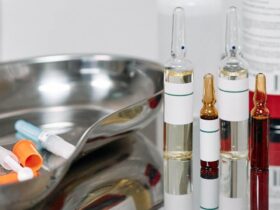
Most fertility medications are administered subcutaneously. This means that they are applied with a very small needle that only penetrates the skin, so they are painless. Medications to stimulate egg production must be prescribed by a fertility specialist and their effects must be carefully monitored through transvaginal ultrasounds and blood tests every two to three days. If you are about to undergo an assisted reproduction treatment such as In Vitro Fertilization (IVF), you must apply medications to stimulate your egg production and thus maximize your chances of pregnancy so that you have a baby. It is normal to feel nervous before the first application. This is usually the first time that most women inject themselves and the fear of not doing it right adds to the emotions they face due to their struggle with infertility. How to apply the medications? The process of applying fertility medications consists of following simple steps: Medication Tips Normal effects of the medication. During this process, you will have to undergo transvaginal ultrasounds and blood tests every two or three days. These allow you to monitor the development of the follicles (sacs that contain the eggs) and monitor your reaction to the medications. The medications cause some effects that are considered normal, including mood changes, breast engorgement, and headaches in very rare cases. For their part, if these medications are applied without the supervision of a specialist who monitors the patient’s progress, they can cause ovarian hyperstimulation syndrome, which affects less than 1 percent of patients. Ovarian hyperstimulation syndrome manifests itself with symptoms such as fever, nausea, fluid retention, and abdominal distention (which usually appear after egg retrieval or follicular aspiration). You should be treated by a specialist to avoid complications. It is very important that you contact the fertility specialist if you present any of these symptoms, if you have doubts regarding the application of medications, or if you administer a higher dose than indicated. Other symptoms that may occur are irritation in the application area or infection, in which case it is also important that you contact your doctor. Most common medications Your diagnosis and treatment plan will determine the combination of injectable medications you will require in each IVF cycle. Some of the most used are: Remember that before administering any medication it is very important that you have a diagnosis from a specialist, since it is the one indicated to monitor the evolution of the medications and will be your guide during the process until you manage to have a baby at home.

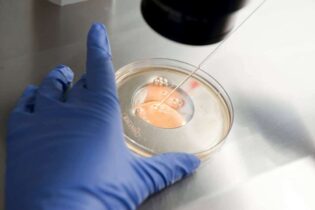
In in vitro fertilization (IVF), science and hope unite for those dreaming of welcoming a baby. We explain the process from start to finish. How is in vitro fertilization performed step by step? 1. Ovarian stimulation: you receive hormones (150–300 IU of FSH/LH) so your ovaries develop multiple follicles. 2. Follicular puncture: under light sedation, mature eggs are retrieved with an ultrasound-guided needle. 3. Semen preparation: we collect a 2–5 mL sample and select the most motile sperm. 4. In vitro fertilization: oocytes and sperm are placed together in a ~100 µL culture medium. After 16–18 h the zygote forms, and at 48 h it becomes a 4–8 cell embryo ready for transfer. When is IVF recommended? Damage or blockage of the fallopian tubes. Moderate to severe endometriosis. Severe male factor (low count or motility). Women ≥35 years with reduced ovarian reserve. Failures in other fertility treatments. Before starting, consult an assisted reproduction specialist; they will tell you if this treatment is the best path for you. Preparation for your IVF cycle Your doctor will request hormonal tests (FSH, LH, AMH), a transvaginal ultrasound, and a semen analysis. Adopt a healthy lifestyle: balanced diet, moderate exercise, and stress management. Avoid tobacco and alcohol at least 3 months beforehand. You can also seek nutritional counseling and psychological support to feel accompanied at every stage. Follicular puncture and fertilization The puncture takes 20–30 minutes with local anesthesia or sedation. An average of 8–15 eggs are retrieved. In the lab, we assess quality and fertilize them by conventional IVF or ICSI, depending on your case. Embryos grow in incubators at 37 °C, 5 % CO₂, and 95 % humidity until reaching the blastocyst stage (day 5). Embryo transfer and beyond Between day 3 and 5, we select 1–2 top-quality embryos and deposit them in your uterus under ultrasound guidance. The procedure is brief; afterward you’ll rest for 24–48 h and receive progesterone (600 mg/day vaginally or 50 mg IM). Two weeks later, a serum beta-hCG test is performed. If positive, you continue hormonal support until weeks 10–12 of gestation. For a deeper dive into each phase, visit Understand in vitro fertilization step by step and Understand in vitro fertilization. Frequently asked questions 1. What influences success rates? Maternal age (<35 years up to 40% success vs. 20% at 40), egg and sperm quality, and lab experience. Lifestyle habits, body mass index, and infertility causes also matter. 2. Does it hurt or carry risks? The main discomfort is the follicular puncture, managed with sedation. Hormonal injections may cause mild discomfort. Risks: ovarian hyperstimulation (1–5%), mild bleeding or infection, and multiple pregnancy if multiple embryos are transferred. 3. Can I use donors? Yes, if your ovarian reserve or sperm quality is low. Donors undergo genetic, infectious, and psychological screening. The IVF protocol is the same; only the gametes change. 4. When will I know if I’m pregnant? You wait 10–14 days post-transfer for the beta-hCG test. If positive, a heartbeat is confirmed by ultrasound at 5–6 weeks and obstetric follow-up begins. Sources American Society for Reproductive Medicine. Practice Committee Guidelines. Fertility and Sterility (2021). MedlinePlus. In Vitro Fertilization. U.S. National Library of Medicine (2022). European Society of Human Reproduction and Embryology. Vienna Consensus on GnRH analogue protocols in ART (2020). National Institute for Health and Care Excellence. Fertility: Assessment and treatment (2017). Remember: each path to parenthood is unique. If you have questions or want more information, consult an assisted reproduction specialist. You are not alone on this journey!

El clomifeno es un medicamento que promueve la ovulación, y puede incrementar las probabilidades de un embarazo si es administrado de forma adecuada por médicos especialistas. Te explicamos cómo aquí.

Human somatic cells are diploid, they normally have 23 pairs of chromosomes (46 chromosomes), in which all the genes that make up the genome are distributed. Sex cells (eggs and sperm) are haploid and only contain half as many chromosomes. What is an aneuploidy? A cell that contains a normal chromosome load is known as euploid and when it has an abnormal number of chromosomes due to gains or losses in one or more chromosomes, it is called aneuploid. When the abnormal number results in a number of chromosomes less than 46 it is known as monosomy, while when there is a gain of chromosomes it is known as trisomy (more than 46). What are the causes? Most chromosome duplication and deletion errors originate during gametogenesis, mainly in oogenesis (during meiosis I), while another considerable percentage of errors arise during the first mitosis after fertilization. Around 50% of all embryos produced through assisted reproduction techniques are aneuploid, the rate of aneuploidy increases as maternal age increases. From the age of 37, a higher percentage of aneuploid embryos is produced. The trisomies most frequently found in IVF embryos are 16, 19 and 21, while monosomy 22 and partial loss of the Y chromosome are the most common monosomies. All monosomies (except X chromosome monosomy or Turner syndrome) are incompatible with life; However, all trisomies can give rise to a baby with serious health problems. The type of involvement, phenotypic characteristics and life expectancy of the affected individual will depend on the type of trisomy. Trisomy 21, for example, a condition that gives rise to Down syndrome and one of the most frequent trisomies (1 case in 700 occurs), is characterized by a phenotype prone to congenital heart disease, mental retardation of varying degrees, and a long life expectancy. average of 50 years. Why does it impact fertility? Around 35% of all implantation failures that occur in assisted reproduction treatments are due to the transfer of aneuploid embryos. Additionally, in a study carried out at our Institute, it was determined that a mostly aneuploid embryonic cohort negatively affects the implantation result. Alternative ways to having a baby without this condition posing a barrier Recommending and carrying out Preimplantation Genetic Diagnosis (PGD Ingenes) for all embryos achieved through IVF to know their chromosomal profile will avoid the transfer of aneuploid embryos. This behavior will increase the chances of implantation and pregnancy. PGT should be performed on all embryos during In Vitro Fertilization, especially if the woman’s age is over 37, or if the couple has a family history of aneuploidies. Sources Hassold, T., and Hunt, P. (2001). To err (meiotically) is human: the genesis of human aneuploidy. Nature reviews Genetics 2, 280-291. Ramia, M., Musharrafieh, U., Khaddage, W., and Sabri, A. (2014). Revisiting Down syndrome from the ENT perspective: review of literature and recommendations. European archives of oto-rhino-laryngology : official journal of the European Federation of Oto-Rhino-Laryngological Societies 271, 863-869. Rubio, C., Bellver, J., Rodrigo, L., Castillon, G., Guillen, A., Vidal, C., Giles, J., Ferrando, M., Cabanillas, S., Remohi, J., et al. (2017). In vitro fertilization with preimplantation genetic diagnosis for aneuploidies in advanced maternal age: a randomized, controlled study. Fertility and sterility 107, 1122-1129.

In the world of fertility treatments, advancements are constantly being made to help prospective parents realize their dreams. In this article, we will explore the promising field of endometrial regeneration, an innovative approach with the potential to improve pregnancy success rates and support fertility treatments. Understanding Endometrial Regeneration The endometrium, the delicate inner lining of the uterus, plays a vital role in the success of pregnancy. It provides a suitable environment for the embryo to implant and develop. However, in some cases, the endometrium may be thin or damaged, reducing the chances of successful implantation. This is where the concept of endometrial regeneration comes into play: an innovative treatment designed to improve the conditions of the uterine lining and achieve pregnancy. The Power of Regenerative Medicine Regenerative medicine is an exciting scientific field that can be of great interest to women pursuing the dream of motherhood. It focuses on helping to restore damaged tissues and organs. In the case of endometrial regeneration, the aim is to stimulate the growth and repair of the uterine lining. If you have ever experienced issues with your uterine lining, such as thinning or damage from previous miscarriages, this innovative technique could be an option to improve your chances of getting pregnant and having a successful pregnancy. Endometrial regeneration opens new hopes and opportunities in the field of fertility, providing a promising option to fulfill your dream of starting a family. Increasing Pregnancy Success Rates One of the highlights of endometrial regeneration is its potential to increase your chances of getting pregnant. By creating an optimal environment within your uterus, this innovative approach improves the chances of successful embryo implantation and development. This can make a difference for you and thousands of women seeking motherhood, offering a hopeful option. Personalized Care for Optimal Results We strongly believe in providing you with personalized care that suits your unique needs. This customized care approach also applies to the options offered by regenerative medicine. It is important to choose a dedicated team of experts who will work closely with you, thoroughly evaluating your specific circumstances and developing a personalized treatment plan. Through a combination of advanced techniques and compassionate support, our goal is to help you maximize your chances of achieving a successful pregnancy. One Step Closer to Motherhood Endometrial regeneration represents a significant advancement in the field of fertility treatments, bringing renewed hope and potential to those longing to become parents. While this field is still evolving, promising research and clinical trials continue to shed light on its effectiveness. Remember that you are never alone. At Ingenes, we are here to accompany you every step of the way, providing unwavering support, expert guidance, and the commitment to make your dreams come true.

Las mujeres con ovario poliquístico pueden tener hijos. Claudia te cuenta cómo ella lo logró después de buscar a su bebé por más de 5 años.

Con el método ROPA de fertilización in vitro, las parejas de mujeres pueden tener un bebé de ambas: el óvulo de una en el vientre de la otra.

Una mala calidad de óvulos no impide que tengas un bebé. Iraí te comparte su camino y el tratamiento específico que la ayudó a lograrlo.

Berenice tuvo abortos recurrentes debido a que vive con ovario poliquístico. Conoce su historia y cómo logró a su bebé en su 3er. ciclo de FIV.

Starting the journey to parenthood is exciting, but it can also raise questions about how to prepare. At Ingenes we guide you with a clear, approachable guide covering all aspects—physical, emotional, and lifestyle—to plan your pregnancy with confidence. First medical steps before conceiving Before trying to conceive, the most important step is to consult a fertility specialist. Together you’ll review your medical history and health status. Conditions like diabetes, hypertension, or sexually transmitted infections can affect pregnancy. A comprehensive checkup (blood tests, hormone profile, and imaging studies) will help you start off on the right foot. Nutrition and supplements A balanced diet and the right supplements are key: Folic acid: at least 400 µg daily, starting 3 months before conception. Iron: 18 mg per day. Calcium: 1,000 mg per day. Vitamin D: 600 IU per day. Choose whole grains, lean proteins, fruits, vegetables, and healthy fats. Avoid extreme diets. How to monitor fertility and ovulation Track your menstrual cycle by recording daily basal body temperature and changes in cervical mucus. Use a fertility app or calendar and consider ovulation kits (LH tests) to pinpoint your fertile window more accurately. Lifestyle and fertility Quit smoking and limit alcohol. Maintain a BMI between 18.5 and 24.9 kg/m². Do moderate exercise: 150 minutes of aerobic activity per week. Manage stress with yoga, meditation, or therapy. Review medications and medical conditions Some drugs—antidepressants, antihypertensives, anticonvulsants—can affect fertility or fetal development. Do not stop or change doses without consulting a specialist in Assisted Reproduction. Advanced reproductive options If after 6–12 months of trying (depending on age) you haven’t conceived, consider assisted reproduction. At Ingenes we offer everything from ovulation induction and IUI to IVF: A Complete Guide, always tailored to your needs. We assess sperm quality, ovarian reserve, and uterine health to recommend the best path. For more information, see our Comprehensive Guide to Reproductive Medicine. Emotional well-being with Ingenes We know trying to conceive can be an emotional roller coaster. That’s why we offer counseling, support groups, and stress-management workshops so you and your partner feel supported, informed, and empowered. Frequently Asked Questions (FAQ) How long should I take folic acid? Start at least 3 months before conception with 400 µg daily. Consult your specialist if you need higher doses (up to 4 mg/day) based on your history. Does stress affect fertility? Yes. Chronic stress alters hormones like cortisol and prolactin and can impair ovulation and sperm production. Relaxation techniques and emotional support improve your chances. When should I see a fertility specialist? Under 35: after 12 months of trying without protection. Over 35: after 6 months. If you have conditions like PCOS or endometriosis, seek help sooner. Do men get tested too? Male fertility accounts for 40–50% of cases. A semen analysis evaluates count, motility, and morphology. Depending on results, hormonal or genetic tests may be required. Sources American College of Obstetricians and Gynecologists. (2021). Practice Bulletin No. 200: Early Pregnancy Loss. Obstetrics & Gynecology, 136(4), e139–e153. https://doi.org/10.1097/AOG.0000000000004554 Centers for Disease Control and Prevention. (2022). Preconception Health and Healthcare. https://www.cdc.gov/preconception/index.html MedlinePlus. (2023). Folic Acid. https://medlineplus.gov/folicacid.html Practice Committee of the American Society for Reproductive Medicine. (2020). Diagnostic evaluation of the infertile female. Fertility and Sterility, 113(3), 545–553. https://doi.org/10.1016/j.fertnstert.2019.11.014 We’re with you every step of the way. If you have questions or want a personalized plan, consult an assisted reproduction specialist for the best care.

Rebeca pasó por un diagnóstico de ovario poliquístico, endometriosis y una cirugía innecesaria, antes de lograr a sus bebés in vitro. Conoce su historia aquí.

Aneuploidía es una alteración genética que puede presentarse en el embrión y comprometer su desarrollo. Te decimos cuáles son sus principales causas y cómo prevenirla.

In Vitro Fertilization (IVF) is a commonly used assisted reproductive technology that has brought joy to many families worldwide. If you’re considering IVF, it’s crucial to understand its significant steps, one of the most important being embryo transfer. Let’s delve deeper into this exciting and crucial stage. What is Embryo Transfer? Embryo transfer in IVF is the process where a fertilized egg (now called an embryo) is placed into a woman’s uterus with the hope of achieving pregnancy. It is performed by a specialist using a soft and thin catheter under ultrasound guidance. This process is typically painless and requires no anesthesia. The Journey to the Embryo Transfer Before embryo transfer, the steps taken are essential in creating a healthy embryo. It starts with ovarian stimulation, where you will take medications to stimulate the growth of multiple eggs. These eggs are then retrieved in a minor procedure. After the egg retrieval, the eggs are fertilized with sperm in a lab to create embryos. These embryos are cultured for a few days while their quality and development are closely monitored. The Big Day: The Embryo Transfer Embryo transfer is a significant step in the IVF process. It’s crucial to ensure that the conditions are optimal for the embryo to implant successfully in the uterus. During the procedure, the selected high-quality embryo is gently transferred through the cervix and into the uterus. This procedure is usually quick and painless. After the transfer, you’ll rest for a short while before you can go home. You should take it easy for the next few days, but you can return to most of your normal activities. The Two-Week Wait The period after the embryo transfer and before you can take a pregnancy test is often called the “two-week wait.” It can be a period of anxiety and anticipation. Remember to take care of yourself during this time, both physically and emotionally. Understanding the Journey Each IVF journey is unique, and not every cycle results in a pregnancy. If the first attempt is unsuccessful, don’t lose heart. Our team of fertility experts is committed to supporting you every step of the way and discussing the next steps if needed. Embryo transfer is a significant step in your IVF journey. Understanding what it involves can help you feel more prepared and less anxious. We’re here to guide you through every step of your journey towards parenthood. Remember, patience and perseverance are key in this process. Believe in yourself, and never lose hope.

¿Quiero ser mamá? La maternidad en México ha pasado del modelo tradicional a múltiples formas para ejercerse, pero todas deben ser elegidas.

Después de los 35 años, Cisne tuvo un embarazo con FIV y logró a sus 2 bebés, aún viviendo con ovario poliquístico. Ella te cuenta su historia.