Futura News

Home > News
que-es-la-miomatosis-uterina-y-como-afecta-tu-fertilidad
Fertility

What is uterine myomatosis and how does it affect fertility?

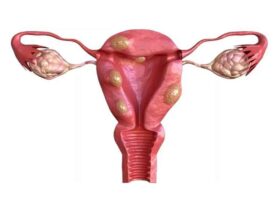
Uterine myomatosis is the formation of myomas or fibroids inside the uterus. These are benign tumors classified according to their location. Depending on where they are found, fibroids are classified as: Intramural: within the muscular wall of the uterus. They can affect fertility if they exceed 4 cm. Submucosal: on the surface of the uterine lining. They hinder embryo implantation. Subserosal: in the outer layer of the uterus. They usually do not interfere with fertility. What is uterine myomatosis and why does it matter for fertility? Uterine myomatosis involves the growth of fibroids, benign smooth muscle tumors, inside the uterus. It affects about 20% of women of reproductive age, especially after age 30. Fibroids can range from microscopic nodules to masses over 4 kg, altering the shape of the uterus and reducing pregnancy chances. How common is uterine myomatosis in those trying to conceive? Uterine fibroids are the most common pelvic tumors in women of reproductive age, present in nearly 70–80% before menopause. Although many are asymptomatic, those that deform the uterine cavity—particularly large intramural and submucosal fibroids—are involved in up to 80% of uterine factor infertility cases. How do fibroids affect embryo implantation? Large submucosal and intramural fibroids can: Alter sperm transport and uterine peristalsis Reduce endometrial receptivity by compressing the lining Increase the risk of implantation failure and early miscarriage Can fibroids complicate pregnancy? Yes. During pregnancy, fibroids can cause: Higher risk of miscarriage and preterm birth Fetal growth restriction due to lack of space Cervical canal obstruction or labor dystocia Postpartum hemorrhage from poor uterine contraction What symptoms may indicate fibroids? About 25% are asymptomatic. When symptoms occur, they include: Sensation of pelvic pressure or heaviness Heavy or prolonged menstrual bleeding Pelvic cramps and irregular bleeding Frequent urination or difficulty urinating Secondary infertility or recurrent miscarriages Severity depends on fibroid size, number, and location. How is diagnosis confirmed? Transvaginal ultrasound is the gold standard, with nearly 100% sensitivity (95% transabdominal). In complex cases, MRI is used. Always consult a reproductive medicine specialist to interpret results and design a treatment plan. Fertility-preserving treatment options Choice depends on age, fibroid characteristics, and reproductive goals: Expectant management for small, asymptomatic fibroids Myomectomy (surgical removal), followed by assisted reproduction techniques Controlled ovarian stimulation combined with in vitro fertilization (IVF) if cavity distortion persists IVF bypasses uterine transport obstacles and allows for selecting the embryo with the highest implantation potential. For more information, see our guide on Endometriosis: what it is and how it impacts fertility. FAQ 1. Can small fibroids disappear on their own? Yes. Many remain stable or shrink after menopause due to estrogen decline. In reproductive age, asymptomatic fibroids under 2 cm are usually monitored with periodic ultrasounds. If you plan to conceive, even a small submucosal fibroid can affect implantation, so consult your doctor to assess intervention before trying to conceive. 2. Are there non-surgical treatments? GnRH agonists and selective progesterone receptor modulators can temporarily shrink fibroids and reduce bleeding in 3–6 month cycles. They improve conditions before surgery or comfort but are not definitive solutions. Never self-medicate without medical supervision. 3. When can I attempt IVF after a myomectomy? Ideally between 6 and 12 months after surgery, before recurrence risk increases. This timing allows the uterine lining to heal and optimizes pregnancy chances. Make sure your specialist confirms proper healing with ultrasound or hysteroscopy before starting treatment. 4. Does the risk of miscarriage increase? Yes. Fibroids that deform the cavity or alter blood flow are associated with early pregnancy loss. Risk increases with fibroid size and location, especially submucosal and large intramural fibroids. Proper management, surgical or with assisted reproduction, significantly reduces miscarriage rates. Always consult a specialist before making decisions. References Faerstein, E., Szklo, M., & Schwingl, P. J. (2001). Risk factors for uterine leiomyoma: a practice-based case–control study. American Journal of Epidemiology, 153(5), 463–469. doi:10.1093/aje/153.5.463 Lau, W., & Shlisselberg, S. (2016). Management of uterine fibroids. American Family Physician, 94(2), 106–113. https://www.aafp.org/afp/2016/0715/p106.html MedlinePlus. (2021). Uterine fibroids. https://medlineplus.gov/uterinefibroids.html Stewart, E. A. (2015). Uterine fibroids. Lancet, 376(9745), 145–157. doi:10.1016/S0140-6736(10)60246-1 Remember: every body is unique. Stay informed, keep hope, and consult an assisted reproduction specialist for personalized care.

Read More »
Assisted Reproduction

Understanding In Vitro Fertilization

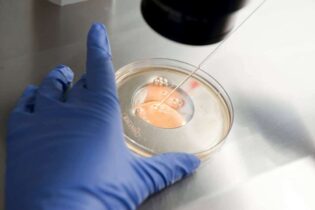
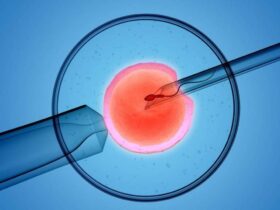
In Vitro Fertilization (IVF) represents a beacon of hope for many people who dream of starting a family. This advanced assisted reproduction technique has become a key solution to overcome various fertility challenges, from tubal problems to male and female infertility factors. What is in vitro fertilization? In Vitro Fertilization is a process in which the fertilization of eggs by sperm takes place outside the woman’s body, specifically in a specialized laboratory. The process begins with ovarian stimulation, where medications are administered to encourage the development of multiple mature eggs. Subsequently, these eggs are carefully extracted from the ovary and placed in a culture medium where sperm are added to facilitate fertilization. Key Steps in the IVF Process The Role of Ingenes in the IVF Process At Ingenes, we understand that In Vitro Fertilization is more than a technical process; It is an emotional and physical journey for our patients. Therefore, we offer a comprehensive approach that ranges from advice and emotional support to the use of the most advanced technology in our laboratories. We focus on providing an optimal environment for embryonic development, using cutting-edge techniques for embryo selection and culture. Technology and Experience: Pillars of Our Excellence Our laboratories are equipped with the most sophisticated technology, allowing precise control of the environmental conditions essential for embryo development. We have a team of highly qualified experts, including embryologists, andrologists, and fertility specialists, who work together to maximize the chances of success of each treatment. Commitment to Quality and Personalized Attention At Ingenes, each patient receives a personalized treatment plan, designed to fit their specific needs. We understand that each case is unique, and our team is committed to providing the best care possible, ensuring that every step of the IVF process is done with the utmost precision and care. In Vitro Fertilization is not only a scientific process; It is a journey of hope and fulfillment. At Ingenes, we are proud to be part of this journey, offering our patients the opportunity to fulfill their dream of starting a family. With our combination of advanced technology, expertise, and a patient-centered approach, we strive to turn every fertility challenge into a success story.

Read More »
red-de-apoyo-en-un-tratamiento-de-reproduccion-asistida
Assisted Reproduction

Emotional support in an assisted reproduction treatment

Starting an assisted reproduction treatment can be overwhelming: there will be ups and downs and moments of uncertainty. We know facing these challenges can make you feel alone. That’s why having the support of your partner, friends, or close family members is essential to keep you grounded and focused on the goal of having your baby. To dive deeper into this topic, see The Importance of Emotional Health in Fertility Treatment. What is emotional support in assisted reproduction and why is it key? Emotional support during assisted reproduction treatment includes understanding, empathy, and practical help from loved ones and professionals. Studies show that women who receive consistent accompaniment lower their cortisol levels (measured in μg/dL) and achieve higher pregnancy rates after IVF. This support reduces feelings of isolation and promotes healthier coping strategies. You can rely on your partner, friends, family, and specialized therapists at each stage: stimulation (hormone doses in IU), egg retrieval, embryo transfer, and the two-week wait. Their presence helps moderate anxiety spikes and improves your overall well-being, as explained in The Emotional Process of Men in Infertility, which highlights the male perspective and the importance of mutual support. How can your partner provide effective support? If you’re treated as a couple, your partner will be your main support. From day one, their participation in consultations, blood tests (e.g., 5 mL vials), and ultrasounds shares the emotional load. Attending stimulation appointments and joining you for the embryo transfer reinforces that team feeling. Open communication is key: ask what they need and share your feelings. Avoid assumptions: clarity in decisions—from choosing the protocol (for example, 150 IU of FSH per injection) to planning rest days—strengthens your commitment. Their unconditional support will give you the boost you need. Why is assessing both partners’ reproductive health so important? In 40% of couples with difficulty conceiving, male factors are involved. That’s why undergoing a simultaneous evaluation—semen analyses measuring volume (mL), concentration (million sperm/mL), and motility (%)—allows detection of issues like oligozoospermia. A joint diagnosis and a tailored treatment plan reduce uncertainty and foster teamwork: you face hormonal stimulation, egg retrieval, and embryo culture as a united couple. Strategies to improve communication with your partner It’s not always easy to express what you feel. Try these tips: Schedule regular times to talk about emotions and doubts. Allow space to process before discussing. Ask directly what support the other needs. Listen actively without immediately seeking solutions. Validate stress and allow vulnerability. Honest communication strengthens your bond and makes each challenge more manageable. Who else can be part of your support network? Your circle goes beyond your partner. Family and friends provide affection and understanding that reduce stress and promote relaxation, key benefits for fertility. According to MedlinePlus, high stress can affect ovulation and sperm quality. Sharing your experience with trusted people breaks taboos—infertility affects 1 in 6 couples—and brings concrete help, from preparing healthy meals to accompanying you to appointments. How do others’ experiences contribute to the process? Connecting with those who have been through the same thing normalizes your feelings and reminds you that infertility isn’t your fault. Success stories and coping strategies offer hope and inspiration. Support groups—in-person or online—are safe spaces to share fears, celebrate achievements, and discover resources that strengthen your resilience. What does Ingenes’s Emotional Support Service (SEI) include? If you’re undergoing assisted reproduction at Ingenes, we offer the Emotional Support Service (SEI) as part of your treatment. In guided sessions, patient groups share experiences under the supervision of specialized therapists who provide tools to improve your emotional well-being. Your decision to become a mother or father is powerful. You don’t have to face this journey alone: your partner, family, friends, and the entire Ingenes team will be your anchor until you have your baby in your arms. Frequently Asked Questions How does stress affect assisted reproduction success? High stress can disrupt hormone production, hinder ovulation, and reduce semen quality. Studies show that relaxation techniques and psychological support lower cortisol levels (μg/dL) and improve embryo implantation rates. Incorporating therapies like mindfulness or yoga and having a support group creates a calmer environment, optimizing the chances of pregnancy. What role does the partner play in ovarian stimulation? Your partner’s presence at each appointment strengthens your bond and reduces anxiety. Attending visits together, reviewing follicles on ultrasound (measured in mm), and deciding on the medication plan (for example, 150 IU of FSH) facilitates decision-making. Their unconditional support fosters teamwork, boosts morale, and promotes treatment adherence. Why is joining a support group important? Being part of communities with other women and men undergoing similar treatments allows you to exchange experiences, coping strategies, and practical recommendations. This reduces isolation and provides motivation throughout the process. Facilitators, typically specialized psychologists, guide sessions to address emotional topics, improve communication, and share success stories. When should I seek additional professional help? If you experience intense anxiety, depressive episodes, or feelings of hopelessness that interfere with your daily life, it’s essential to see a psychologist or psychiatrist experienced in reproductive health. Avoid self-medicating without supervision. A reproductive specialist will advise you on safe medication and complementary therapies to optimize your physical and emotional well-being. References American Society for Reproductive Medicine. (2020). Stress and Reproduction. https://www.asrm.org MedlinePlus. (2021). Fertility and Stress. U.S. National Library of Medicine. https://medlineplus.gov World Health Organization. (2010). WHO laboratory manual for the examination and processing of human semen (5th ed.). doi:10.1007/978-3-642-02240-2 Li, S., Huang, T., Zheng, Y., Muka, T., & Hu, F. B. (2019). Stress and semen quality: a systematic review and meta-analysis. Human Reproduction Update, 25(3), 340–364. doi:10.1093/humupd/dmz006 Remember that your emotional well-being is as important as your physical health. Don’t hesitate to seek support and always consult a fertility specialist for proper guidance.


Read More »
FIV-reproduccion-asistida-fertilidad-fecundacion-fertilizacion-in-vitro
Assisted Reproduction

Understanding In Vitro Fertilization Step by Step

In vitro fertilization (IVF) is an assisted technique that has brought hope to many couples facing fertility challenges. Although the process is essentially the same, the individual experience may vary for each woman. Here’s a step-by-step look at the IVF process. 1. Stimulation of the ovaries Implying? Through hormonal injections, the aim is to stimulate the ovaries to generate multiple follicles. Each follicle houses an immature egg, which when mature will be ready to be fertilized. Expected result: The growth of several follicles, although the exact number varies according to each patient. Duration: From 1 to 5 weeks. 2. Egg capture Implying? After the follicles have properly matured, the doctor extracts the eggs using an ultrasound-guided syringe. Expected Result: On average, 3 out of 4 follicles will contain a mature egg. Duration: Less than 60 minutes. 3. Fertilization Implying? The eggs are combined with sperm in a laboratory to be fertilized. It can be through conventional insemination or the ICSI technique. Expected result: Approximately 70% of the eggs captured will be fertilized. Duration: Generally less than an hour. 4. Embryo development Implying? Embryos are grown in conditions that simulate the body’s natural environment. Expected Result: Unfortunately, only 40% of fertilized eggs will develop properly for transfer. Duration: Between 3 and 7 days. 5. Embryo transfer Implying? The embryo is placed in the uterus. Some women choose to freeze them for later use, while others opt for immediate transfer. 6. Pregnancy test Implying? A blood test is performed to determine if the embryo has been implanted correctly. 7. The beginning of a new chapter: Baby on the way If the test is positive, congratulations! There is a high probability that in 36 weeks you will have a new member in your family. IVF is a complex but hopeful process. Although the path may be challenging, at Ingenes we are here to support you every step of the way. It is essential to be informed and realistic. Keep hope, but always with your feet on the ground. If you are considering IVF or want to learn more about this and other treatments, contact our specialists at Ingenes!

Read More »
clomifeno-sirve-para-quedar-embarazada-vientre-mujer-embarazada-omifin
Fertility

Can Clomiphene help me get pregnant?

El clomifeno es un medicamento que promueve la ovulación, y puede incrementar las probabilidades de un embarazo si es administrado de forma adecuada por médicos especialistas. Te explicamos cómo aquí.

Read More »
Fertility

Let’s Talk Regenerative Medicine: What is Endometrial Regeneration?

In the world of fertility treatments, advancements are constantly being made to help prospective parents realize their dreams. In this article, we will explore the promising field of endometrial regeneration, an innovative approach with the potential to improve pregnancy success rates and support fertility treatments. Understanding Endometrial Regeneration The endometrium, the delicate inner lining of the uterus, plays a vital role in the success of pregnancy. It provides a suitable environment for the embryo to implant and develop. However, in some cases, the endometrium may be thin or damaged, reducing the chances of successful implantation. This is where the concept of endometrial regeneration comes into play: an innovative treatment designed to improve the conditions of the uterine lining and achieve pregnancy. The Power of Regenerative Medicine Regenerative medicine is an exciting scientific field that can be of great interest to women pursuing the dream of motherhood. It focuses on helping to restore damaged tissues and organs. In the case of endometrial regeneration, the aim is to stimulate the growth and repair of the uterine lining. If you have ever experienced issues with your uterine lining, such as thinning or damage from previous miscarriages, this innovative technique could be an option to improve your chances of getting pregnant and having a successful pregnancy. Endometrial regeneration opens new hopes and opportunities in the field of fertility, providing a promising option to fulfill your dream of starting a family. Increasing Pregnancy Success Rates One of the highlights of endometrial regeneration is its potential to increase your chances of getting pregnant. By creating an optimal environment within your uterus, this innovative approach improves the chances of successful embryo implantation and development. This can make a difference for you and thousands of women seeking motherhood, offering a hopeful option. Personalized Care for Optimal Results We strongly believe in providing you with personalized care that suits your unique needs. This customized care approach also applies to the options offered by regenerative medicine. It is important to choose a dedicated team of experts who will work closely with you, thoroughly evaluating your specific circumstances and developing a personalized treatment plan. Through a combination of advanced techniques and compassionate support, our goal is to help you maximize your chances of achieving a successful pregnancy. One Step Closer to Motherhood Endometrial regeneration represents a significant advancement in the field of fertility treatments, bringing renewed hope and potential to those longing to become parents. While this field is still evolving, promising research and clinical trials continue to shed light on its effectiveness. Remember that you are never alone. At Ingenes, we are here to accompany you every step of the way, providing unwavering support, expert guidance, and the commitment to make your dreams come true.

Read More »
fecundacion-in-vitro-guia-todo-lo-que-necesitas-saber-fertilizacion-ovulo
Fertility

A beginner’s Guide to IVF

dación In Vitro o Fertilización In Vitro (FIV) es, actualmente, el método más eficaz de reproducción asistida. Aquí, te brindamos una guía con todo lo que necesitas saber sobre la FIV.

Read More »
ovodonacion-instituto-ingenes
Testimonials

“Egg donation helped me to become a mom after 35”

Tener un bebé por medio de una ovodonación no es una decisión sencilla y, por eso mismo, requiere que cuentes con información precisa, y que tomes un tiempo para analizar esto junto con tus deseos de maternidad. Es por eso que te compartimos la historia de Lorena, quien debido a su baja reserva ovárica, recurrió a la donación de óvulos para tener a su pequeña mediante una FIV.

Read More »
Need assistance?
Chat with us 💬