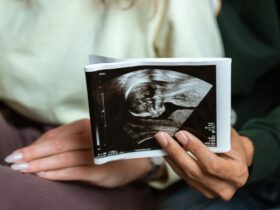
Endometriosis is a chronic disease affecting millions of women worldwide but remains largely unknown. It is marked by tissue similar to the endometrium growing outside the uterus, causing severe pain, inflammation, and sometimes difficulty conceiving. What is endometriosis, and what are its symptoms? Endometriosis occurs when tissue resembling the uterine lining grows in places like the ovaries, fallopian tubes, or pelvic cavity. Each menstrual cycle, this tissue thickens, breaks down, and bleeds. Without an exit, it leads to chronic pain, inflammation, and scar tissue that can impair fertility. Most common symptoms: Constant pelvic pain Pain during or after intercourse (dyspareunia) Discomfort when urinating or having bowel movements during menstruation Heavy or irregular periods Persistent fatigue Bloating, diarrhea, or constipation on period days Difficulty getting pregnant What causes endometriosis, and who is at higher risk? The exact cause is unknown, but theories include retrograde menstruation, genetic factors, immune system changes, and exposure to environmental toxins. Risk factors: Family history of endometriosis Long menstrual periods (over 7 days) Short menstrual cycles (under 27 days) Conditions that obstruct menstrual flow How is endometriosis diagnosed? Diagnosis begins with a detailed medical history, a pelvic exam, and imaging studies such as ultrasound. Sometimes, diagnostic laparoscopy is performed to directly view lesions and take a biopsy. An accurate diagnosis is key to designing the best treatment for each person. How is endometriosis treated and managed? The goal is to relieve pain and, if pregnancy is desired, improve fertility. Options are: Pain relief with anti-inflammatory drugs (NSAIDs) Hormonal therapies (oral contraceptives, progestins, GnRH analogs) Laparoscopic surgery to remove lesions and adhesions Assisted reproduction techniques if pregnancy is sought (Simple guide on endometriosis and fertility) Do not self-medicate. Consult a reproductive medicine expert to evaluate your case and increase your chances of pregnancy. How does endometriosis affect emotional health? Beyond physical pain, endometriosis can affect mood. Chronic fatigue and fertility challenges often lead to anxiety, depression, and isolation. Psychological support or support groups are essential for comprehensive management. During March, Endometriosis Month, it’s easier to find support networks, resources, and empathy. You are not alone; there are people who understand and support you. How to live well with endometriosis? A multidisciplinary approach is essential: Specialized medical care Emotional and psychological support Balanced diet, regular exercise, and stress-management techniques Complementary therapies (acupuncture, physiotherapy) Being informed about your condition helps you make decisions and maintain open dialogue with your healthcare team. Frequently Asked Questions 1. Does endometriosis cause infertility? Yes, endometriosis can impair fertility by creating scar tissue and adhesions that affect ovulation and sperm passage. Inflammation can also interfere with embryo implantation. However, many women conceive naturally or with assisted reproduction techniques. Early diagnosis and a personalized treatment plan significantly improve chances. Consult a reproductive endocrinologist to explore your options. 2. Is endometriosis hereditary? Family patterns suggest a genetic component: first-degree relatives of women with endometriosis have a higher risk, but this is not certain. Environmental factors and immune system differences also play a role. If you have a family history, discuss monitoring and prevention with your gynecologist. 3. What lifestyle changes help manage endometriosis? A diet rich in omega-3 fatty acids, antioxidants, and fiber can reduce inflammation and discomfort. Avoiding high-fat and high-sugar foods helps as well. Gentle exercise, relaxation techniques such as yoga and meditation, and adequate rest improve overall well-being. While they do not cure endometriosis, they complement medical treatment and enhance quality of life. 4. When should I see a specialist? If you experience severe menstrual pain, heavy bleeding, or difficulty conceiving, consult a gynecologist or reproductive endocrinologist. Early diagnosis prevents disease progression and protects your fertility. Do not delay care. Comprehensive attention from pain specialists, psychologists, and nutritionists will provide the support you need. References MedlinePlus. (2023). Endometriosis. Retrieved from https://medlineplus.gov/ency/article/000915.htm Giudice, L. C. (2010). Clinical practice. Endometriosis. New England Journal of Medicine, 362(25), 2389–2398. https://doi.org/10.1056/NEJMcp1000274 Bulun, S. E. (2009). Endometriosis. New England Journal of Medicine, 360(3), 268–279. https://doi.org/10.1056/NEJMra0804690 Johnson, N. P., & Hummelshoj, L.; World Endometriosis Society. (2013). Consensus on current management of endometriosis. Human Reproduction, 28(6), 1552–1568. https://doi.org/10.1093/humrep/det050 We are with you on this journey. Talking about your doubts and concerns is the first step to feeling stronger. If you are considering pregnancy or improving your quality of life, see a fertility specialist for the guidance you deserve. “