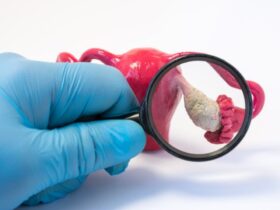
Tubal ligation is typically a permanent contraception, yet many couples seek reversal to achieve pregnancy. About 65% of women conceive after reversal, though this rate depends on several factors. The technique used in the initial ligation is fundamental. Some methods, like clips or rings, are easier to reverse than cauterization or resection. The length and condition of the remaining tubes also influence the outcome. Healthier and longer tubes, ideally over 4 cm, offer better results. Age also plays a role. Women under 35 have greater ovarian reserve and quality, with success rates close to 70%. After age 40, these figures drop to 30% or less as natural fertility declines. What is tubal ligation reversal, and how does it work? It is a microsurgery that reconnects the cut or sealed fallopian tubes, restoring the pathway for eggs and sperm to meet. Surgeons use microscopes and fine instruments to remove scar tissue and join healthy sections. Success depends on having at least 4 cm of tube remaining and minimal damage to the internal epithelium. What factors influence the success rate? Initial ligation method: Clips or rings are more reversible than cauterization or resection. Women’s age: Up to 70% success in women under 35; about 30% over 40. Tubal condition and length: Healthy segments longer than 4 cm offer better results. Overall reproductive health: Balanced hormones, a healthy uterus, and good semen quality all contribute. Time since ligation: Between 5 and 10 years after the original surgery is usually ideal. Alternatives to reversal If you’re not eligible or prefer less invasive options, the assisted reproduction is available. With IVF, doctors extract eggs, fertilize them in the lab, and transfer embryos to the uterus, bypassing the tubes. Egg or embryo donation is possible for low ovarian reserve. When should you consult a specialist? Professional counseling: Specialists assess your anatomy, AMH (Anti-Müllerian hormone for ovarian reserve), and overall reproductive health before recommending next steps. Risks: Infection, hemorrhage, or ectopic pregnancy are possible. Awareness of these risks protects your health. Emotional aspect: This decision can cause stress. Psychological support and support groups are important. Avoid self-medicating. Before any treatment, see a specialist in assisted reproduction. How long do results take? Recovery after surgery takes about 3 months, confirmed by hysterosalpingography, an X-ray to ensure tubes are open. Pregnancy can occur 6 to 18 months later, depending on age and reproductive health. What if the reversal doesn’t work? If pregnancy hasn’t occurred in 12 to 18 months, the IVF is the next option. For women under 35, each IVF cycle has about a 40% success rate, which declines with age. The emotional aspect after reversal It is natural to experience both hope and nervousness throughout this journey. Celebrate your progress and lean on your partner, medical team, and support groups. They are here to help you succeed. Frequently Asked Questions 1. What is the recovery like? Recovery requires 1 to 2 weeks of rest, with mild discomfort and fatigue. Avoid lifting weights and sexual activity for 4 to 6 weeks. A follow-up imaging test confirms the tubes are open before trying to conceive. Remember, you are not alone during recovery. Emotional support from counseling and support groups is as important as physical healing. These resources can help you navigate anxiety and uncertainty. 2. Do age and ovarian reserve affect success? Yes. Women under 35 have higher conception rates. AMH assesses ovarian reserve; higher values are associated with better outcomes. After age 40, egg quality and quantity decline. 3. Risk of ectopic pregnancy? Yes, it varies between 2% and 10%. Residual scarring can make it difficult for the embryo to pass. Early ultrasounds and hCG tests are essential for detection. 4. Contraception after reversal? After attempting pregnancy, use an IUD or hormonal method. Long-acting reversible methods are over 99% effective, and fertility returns quickly after removal. Sources Consulted American Society for Reproductive Medicine. (2020). Tubal Reversal. https://www.asrm.org Practice Committee ASRM. (2015). Role of tubal surgery in the age of ART. Fertility and Sterility, 103(6), e21–e28. MedlinePlus. (2021). Tubal ligation reversal. https://medlineplus.gov/ency/article/007248.htm Diamond MP, et al. (2017). Microsurgical tubal anastomosis. J Minim Invasive Gynecol, 24(4), 725–731. We know how important this journey is for you. You are not alone. A specialist in assisted reproduction can guide and accompany you every step of the way. ”