

Monterrey: The best city in Mexico
Ingenes Mexico branches are located at strategic points across the country to help you fulfill your dream of becoming a mom or dad, in emblematic cities of Mexico.
Ingenes Monterrey, headquarters of the leading Fertility and Genetics Institute in Latin America, offers high- and low-complexity Assisted Reproduction treatments with cutting-edge technology to provide you with the best care and increase your chances of success.
The clinic features an operating room, consultation offices, IVF and andrology laboratories, private recovery rooms, NASA technology and a multidisciplinary team of doctors, biologists, embryologists, geneticists and nurses with extensive experience in Human Reproduction.
Ingenes Monterrey is the ideal place to accompany you on this journey. Come and let us help you achieve it.
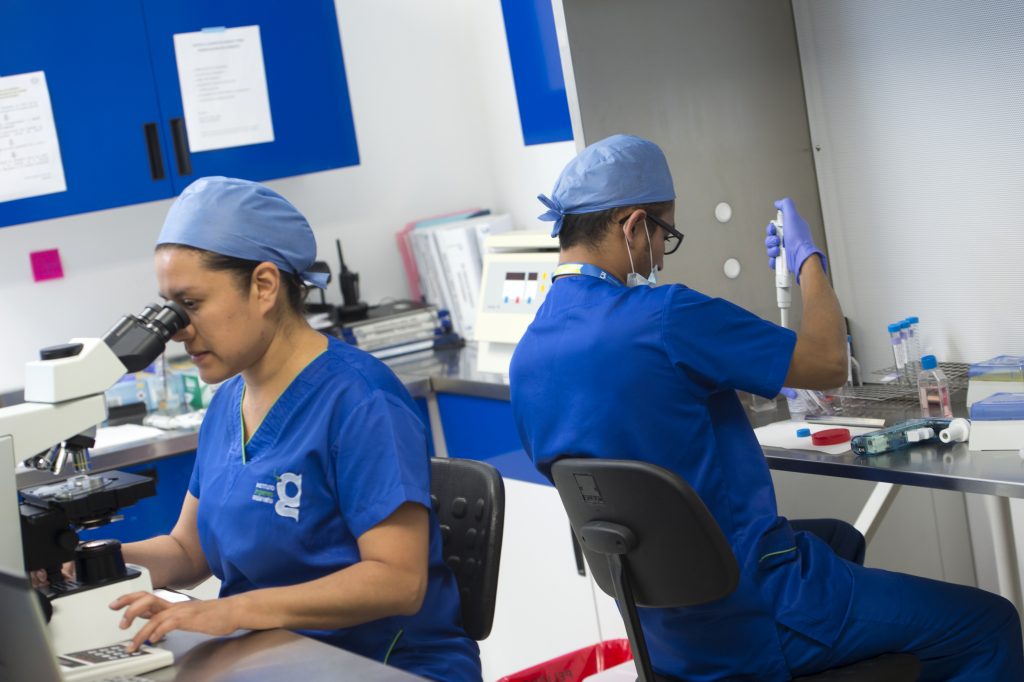
Ingenes Monterrey
Open since: 2015
Hours of operation:
Monday to Friday: 07:30 – 21:00 hrs
Saturday: 07:30 – 15:00 hrs
Address: Avenida Revolución 2703, Nuevo Sur Business Center, Tower 1, 8th Floor, Ladrillera, 64830, Monterrey, Nuevo León, Mexico.

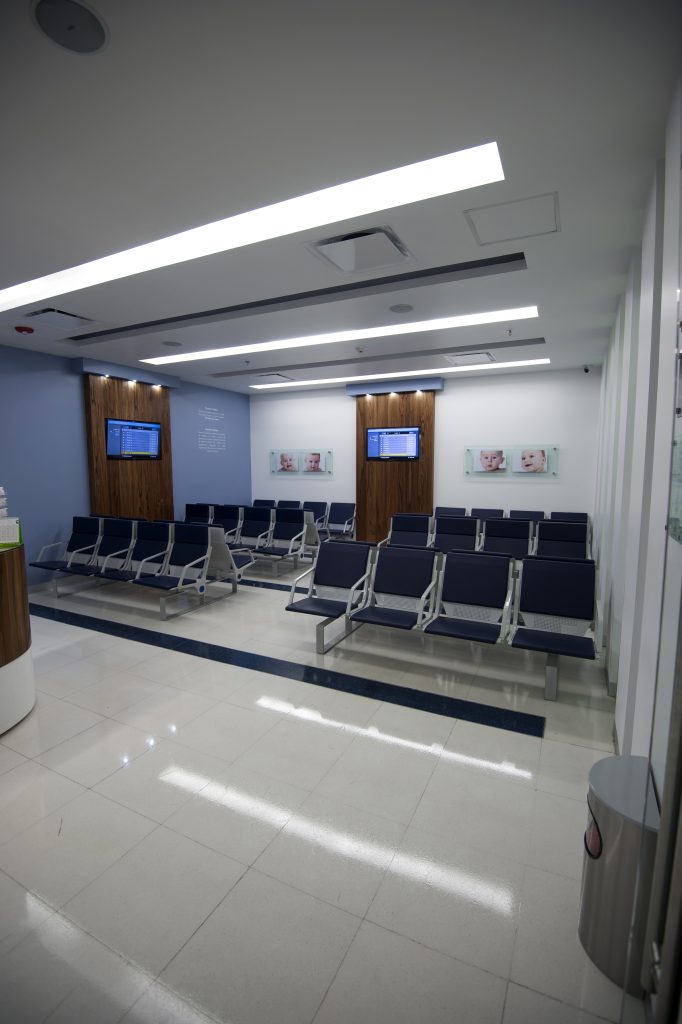
Ingenes Monterrey facilities
Why is Monterrey ideal for assisted reproduction?
Monterrey, in northeastern Mexico, stands out for its industrial and scientific development. Its universities rank among the best in Latin America, and it offers state-of-the-art biotechnology and genetics technology.
Its airport connects to 49 national and international destinations, facilitating the travel of patients and specialists. According to Mercer Human Resource Consulting (2019), Monterrey is the city with the highest quality of life in Mexico and 113th worldwide.
What technology and services does Ingenes Monterrey offer?
At Ingenes Monterrey you will find:
- In Vitro Fertilization laboratory with IVF-ICSI.
- Andrology laboratories for semen analysis and cryopreservation.
- Incubators with NASA technology.
- Multidisciplinary team: molecular biologists, geneticists, embryologists and specialized nurses.
We measure every step with precision: stimulation protocols with doses in IU and volume in mL, oocyte cryopreservation in LN₂, and preimplantation genetic testing with reports in % of aneuploidies.
What tourist attractions can you visit during your treatment?
Monterrey is surrounded by mountains and nature. Enjoy Parque La Huasteca, ideal for hiking rocky trails, or take a boat ride on Paseo Santa Lucía to Parque Fundidora. These spaces will help you relax and reduce stress.

Parque La Huasteca
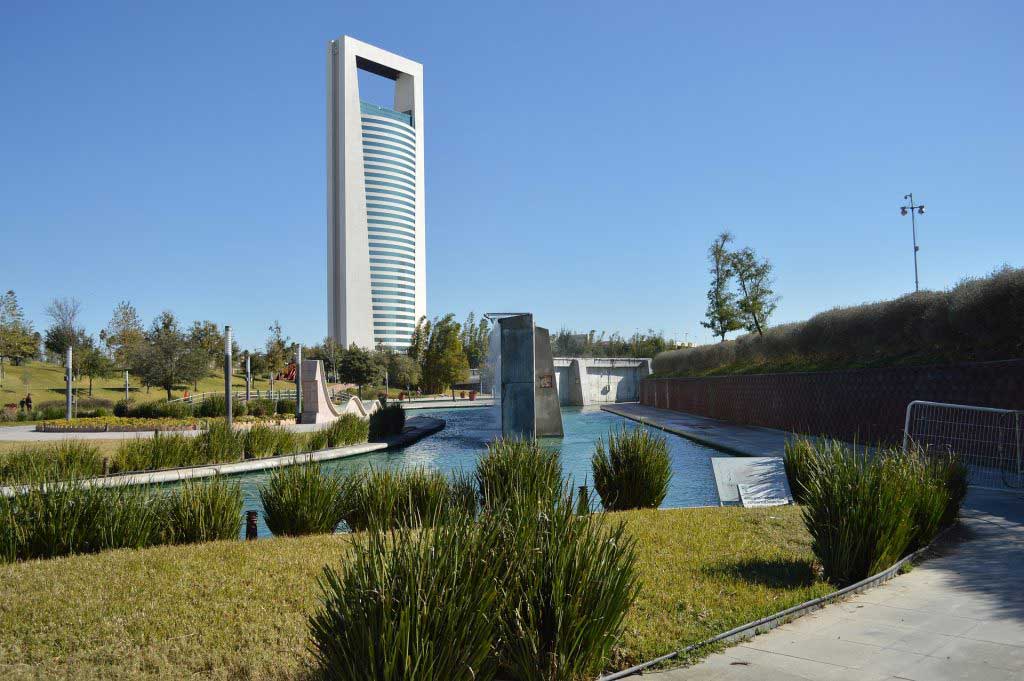
Paseo Santa Lucía
You can also visit Mexico City or Puebla on your days off.
What should I consider before an assisted reproduction treatment?
Do not self-medicate: before any medication, consult an Assisted Reproduction specialist. A personalized diagnosis with hormonal tests in mIU/mL and transvaginal ultrasounds will define the best plan.
Your emotional well-being matters: support therapies and relaxation techniques can improve your chances. Our team provides psychological counseling throughout the process.
FAQ
1. What are the success rates at Ingenes Monterrey?
They vary by age and diagnosis. Under 35 years: 55–60% success per IVF cycle. Between 35 and 40 years: 40–50%. We evaluate each case and use data from over 5,000 annual cycles to optimize protocols.
2. What financing options are available?
We offer interest-free installment plans and agreements with insurers. There are discounts on packages that include stimulation, IVF and ICSI, plus personalized financial advice.
3. Can I combine tourism and medical treatment?
Yes, with parks like Fundidora or the Macroplaza. Plan visits on your rest days and follow medical instructions. Our team helps coordinate accommodation, transportation and activities.
4. What post-treatment care should I follow?
After embryo transfer, relative rest for 48 hours. Avoid intense exercise, follow a high-protein, low-caffeine diet. Attend follow-up appointments with ultrasounds measuring follicles in mL and progesterone monitoring. Contact your doctor with any questions.
Sources Consulted
- Mercer. (2019). Quality of Living Rankings. https://www.mercer.com/
- MedlinePlus. Embryo Transfer. https://medlineplus.gov/embryotransfer.html
- DOI:10.1016/j.fertnstert.2020.03.021. Success Rates of IVF Cycles.
- MedlinePlus. Assisted Reproductive Technology. https://medlineplus.gov/assistedreproductivetechnology.html
We are with you every step of this journey. If you are considering an assisted reproduction treatment, we encourage you to contact a specialist for the guidance and support you need.