

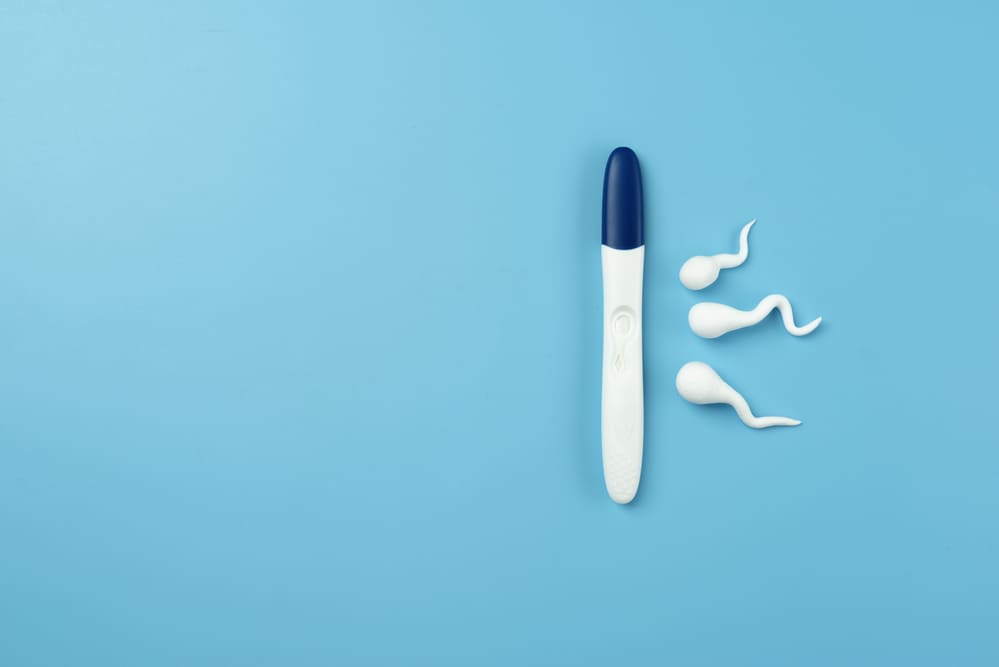
Every year, during the third week of June, we celebrate International Men’s Health Week: a time to care for men’s physical, mental and emotional well-being. On this date—created to raise awareness of conditions that affect men—we also take the opportunity to talk about a topic surrounded by myths and silence: male reproductive health.
At Ingenes we know fertility isn’t just a women’s issue. In 50% of infertility cases in couples, a male factor is involved, either alone or along with other factors. That’s why we believe this week is ideal for breaking taboos, offering clear information and opening doors to real solutions.
What is International Men’s Health Week and why does it matter for fertility?
This week puts the focus on problems that often go unmentioned, including men’s reproductive health. By discussing sperm quality, hormonal balance and lifestyle habits, we empower men and couples to seek evaluations and treatments in time.
How do male factors influence a couple’s fertility?
Male fertility depends on sperm concentration (million/mL), motility (%), morphology (% normal forms) and semen volume (mL). A low count (<15 million/mL), reduced motility (<40%) or abnormal morphology (<4%) decrease the chances of conception. In addition, hormonal imbalances—such as low testosterone (<300 ng/dL)—and structural issues like varicocele also have an impact.
What tests diagnose male fertility problems?
The first step is a semen analysis that measures:
- Sperm concentration (million/mL)
- Motility (% of motile sperm)
- Morphology (% of sperm with normal form)
- Semen volume (mL)
If the results are out of range, additional studies are performed: hormonal panel (FSH, LH, testosterone), genetic tests and ultrasound to detect underlying causes.
What lifestyle changes improve sperm quality?
Small adjustments make a difference:
- Quit smoking and moderate alcohol consumption
- Maintain a healthy weight (BMI 18.5–24.9 kg/m²)
- Follow a balanced diet rich in antioxidants (vitamin C, E, zinc)
- Manage stress with exercise or relaxation practices
- Avoid excessive heat (saunas, hot tubs) and exposure to toxins
Does a man’s age affect his fertility?
Although men produce sperm throughout their lives, quality declines with age. After 40, motility and morphology may worsen, and the risk of DNA fragmentation and genetic mutations increases. Advanced paternal age is associated with higher risks of miscarriage and certain disorders in offspring.
How to preserve male fertility for the future?
Sperm cryopreservation is the best option. By freezing semen samples at –196 °C in liquid nitrogen, fertility is protected before medical treatments (chemotherapy, radiation) or age-related decline. At Ingenes we offer secure storage and easy access when you need it.
What treatments are available for male infertility?
Most cases are treatable. Options include:
- Lifestyle interventions: diet, exercise and stress management
- Medical therapy: antibiotics for infections, hormonal treatments
- Surgery: varicocelectomy, vasectomy reversal, blockage removal
- Assisted reproduction: IUI, IVF, ICSI or PICSI to select the best sperm
For a comprehensive approach, visit our article World Sexual Health Day: A Holistic View of Wellness and Fertility and learn more about paternal health in Father’s Month: Male Reproductive Health and Everyone’s Right to Build a Family.
Why does mental health matter in male fertility?
Emotional well-being influences hormonal balance and semen parameters. Anxiety and depression can lower testosterone (<300 ng/dL) and affect libido and sexual function. At Ingenes we offer psychological support to accompany men and couples during the fertility process.
Talking openly and having support networks encourage testing and proactive measures. Celebrating men’s health this week is not a sign of weakness, but a brave step toward building the family you dream of.
Frequently Asked Questions
1. Which lifestyle habits impact male fertility the most?
Quitting smoking and moderating alcohol are key changes. Tobacco damages sperm DNA and reduces motility and count. Excessive alcohol disrupts hormonal balance, lowers testosterone and affects spermatogenesis. Regular exercise, a diet rich in antioxidants (vitamin C, E, zinc) and stress-reduction techniques (meditation, yoga), plus maintaining a healthy BMI (18.5–24.9 kg/m²), also support fertility.
2. How do hormonal imbalances affect male fertility?
Hormones like FSH, LH and testosterone regulate sperm production in the testes. Low testosterone (<300 ng/dL) leads to reduced libido, erectile dysfunction and poor sperm formation. High FSH or LH levels may indicate testicular failure or pituitary issues. Blood tests diagnose these imbalances and they are treated with testosterone replacement, gonadotropins or specific medications under supervision.
3. When should a couple consider a semen analysis?
If they have tried to conceive for more than 12 months without success—or 6 months if the woman is over 35—it is recommended. Early evaluation speeds up diagnosis and opens treatment options. Even before trying, men with risk factors (infections, varicocele, toxin exposure, chronic diseases) can get tested to improve or preserve their fertility.
4. Are there risks to sperm cryopreservation?
Sperm freezing is a safe, routine procedure. Collection may cause slight discomfort, but the freezing process preserves long-term viability. The main considerations are storage costs and proper sample identification. At specialized banks like Ingenes we follow international protocols to ensure sperm integrity upon thawing.
References
- American Urological Association. (2018). Evaluation and Management of Infertility in Men. https://www.auanet.org/guidelines
- World Health Organization. (2021). WHO laboratory manual for the examination and processing of human semen (6th ed.). Geneva: WHO Press.
- O’Flynn O’Brien, K. L., Vargha, A., & Agarwal, A. (2010). The genetic causes of male factor infertility: a review. Human Reproduction Update, 16(4), 331–344. https://doi.org/10.1093/humupd/dmp051
- National Center for Biotechnology Information. (2022). Male Infertility. In StatPearls. https://www.ncbi.nlm.nih.gov/books/NBK279026/
Remember: every body is unique. If you have concerns about your fertility, seek guidance from an assisted reproduction specialist. We are here to accompany you on your path to fatherhood.