

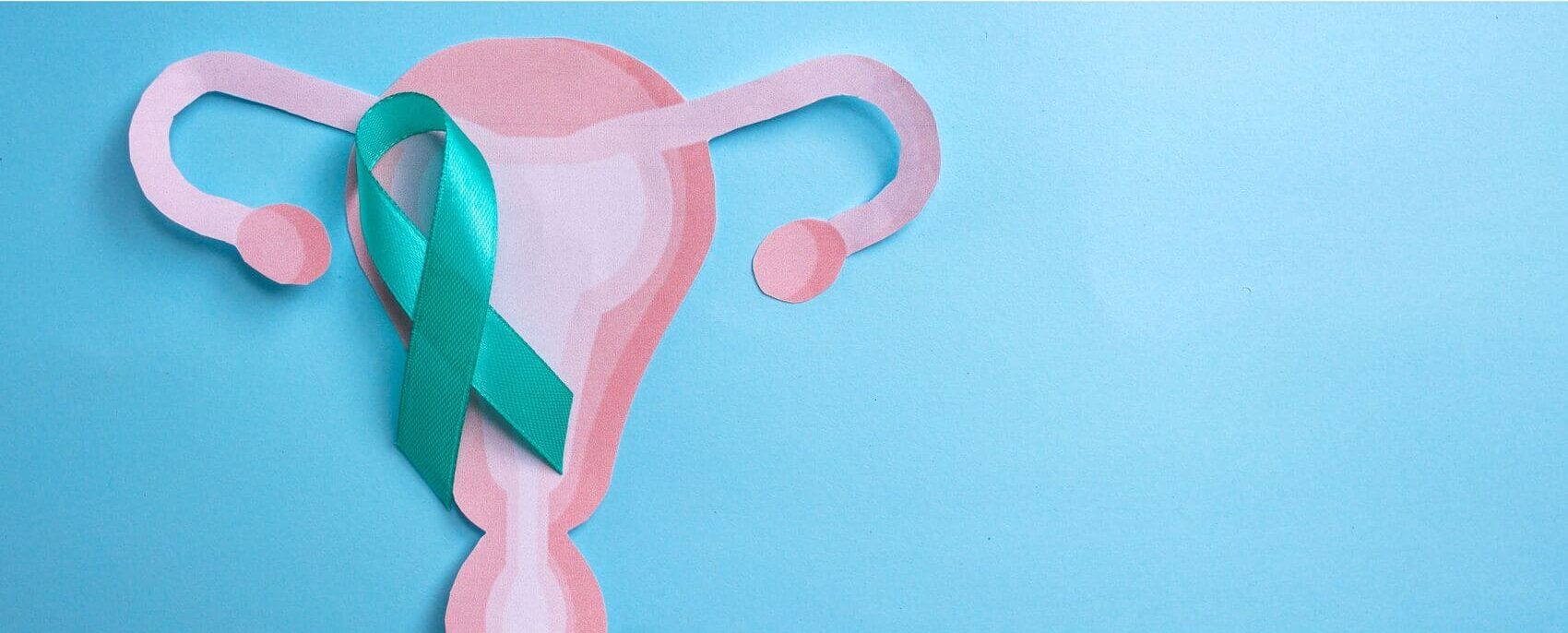
The World Day for Cervical Cancer Prevention is a day to talk about something very concrete: this type of cancer, in many cases, can be prevented and can be detected early when regular screening becomes part of routine care. This isn’t about fear—it’s about public health, clear information, and timely action.
It’s also a topic that connects directly to reproductive health. Not because every woman with an abnormal result will lose the chance to have a baby, but because prevention and early detection can mean less invasive care, better outcomes, and more options for the future.
At Ingenes, prevention is part of caring for your reproductive health as a whole: not only helping you move toward pregnancy when you want a baby, but also protecting the organs that support pregnancy and identifying changes early—before they become a bigger issue.
What cervical cancer is—and why prevention works
Cervical cancer develops in the cervix, the lower part of the uterus that connects to the vagina. The reason prevention is so effective is that, in most cases, this cancer doesn’t appear “out of nowhere.” It typically develops from earlier cell changes (precancerous lesions) that can be found and treated before they turn into cancer.
Prevention works best when three things come together:
- HPV vaccination (Human Papillomavirus), which is the main cause of most cases.
- Regular screening (Pap test and/or HPV test), which detects changes before they progress.
- Follow-up and timely treatment if anything abnormal is found.
This doesn’t mean there is zero risk. It means there are real, evidence-based tools that can reduce risk in a meaningful way.
HPV: the key factor behind most cases
Talking about preventing cervical cancer means talking about HPV. HPV is very common and includes many different types. Some are considered “high-risk” because they can lead to cell changes that, over time, may become cancer.
Two points that often clear up confusion:
- Having HPV does not mean you have cancer.
Most HPV infections clear on their own. - The real risk is when HPV persists and causes cell changes that aren’t detected or followed appropriately.
That’s why the right approach is: vaccination when appropriate, regular screening, and follow-up when results call for it.
Real prevention: what helps—and what isn’t enough on its own
When women search for “how to prevent it,” they often find mixed advice—some useful, some not. Here’s what’s most important:
What truly helps, based on evidence
HPV vaccination
The vaccine doesn’t replace Pap testing or HPV testing, but it can significantly reduce risk from high-risk HPV types—especially when given before someone becomes sexually active, and in other age groups depending on medical guidance.
Regular screening (Pap test and/or HPV test)
Screening doesn’t prevent the virus, but it helps prevent cancer in the most practical way: it detects abnormal changes before they progress. Many women assume that if they have no symptoms, everything is fine. But cervical changes can happen with no symptoms at all—this is exactly why screening matters.
Timely follow-up
The worst scenario isn’t an abnormal result. The worst scenario is an abnormal result with no follow-up. Prevention works when you know what’s next—and you complete it.
What helps, but does not replace vaccination and screening
- Condom use (can reduce risk, but doesn’t eliminate exposure completely).
- Avoiding smoking (linked to poorer local immune response).
- Supporting overall health (sleep, nutrition, managing metabolic conditions).
These are helpful, but they do not replace vaccination and screening.
Screening: Pap test and HPV test are not the same
This is a common point of confusion. Both are screening tests, but they look for different things.
Pap test (cytology)
A Pap test examines cervical cells to look for abnormal changes. It has played a major role in reducing deaths when done regularly.
HPV test
An HPV test checks for the presence of high-risk HPV types. In many modern screening strategies, HPV testing is central because it identifies the main cause and helps guide risk and follow-up.
In practice, your clinician recommends the right approach based on age, history, and current guidelines. The key is not thinking of screening as a one-time event. Prevention works best when it’s consistent over time.
Why this matters if you’re trying to have a baby
Because the cervix is part of the reproductive system—and because some cervical treatments, when needed for high-grade lesions, may have implications that should be considered in your reproductive plan.
This doesn’t mean a cervical treatment automatically prevents you from having a baby. It means:
- Early detection can allow for more conservative management.
- A meaningful cervical history should be included in a fertility evaluation.
- If you’re already trying to conceive, prevention should be aligned with your reproductive timing.
Prevention doesn’t compete with fertility—it protects it
Many women put off their Pap test because they’re focused on what feels urgent: work, family, appointments, treatments. But when your goal is having a baby, protecting cervical health is part of that same goal. A pregnancy is built on a body that’s cared for.
What if your results come back abnormal?
This is where anxiety often shows up, so it’s worth being clear: an abnormal result isn’t the end of the world. It’s a signal to follow a defined medical pathway.
In general, an abnormal result may lead to:
- repeating the test in a set timeframe,
- a colposcopy to examine the cervix more closely,
- a biopsy if needed,
- and treatment only if a lesion is confirmed and truly requires it.
The key is not to assume the worst or jump ahead. There are clear protocols to decide whether monitoring is enough or treatment is needed.
In a comprehensive approach like Ingenes, when a patient is trying to have a baby and has cervical history, that information is integrated into the plan: current status is reviewed, follow-up is coordinated if needed, and safety is prioritized without losing sight of the reproductive goal.
Prevention at different life stages
This day is also a good reminder that prevention isn’t only for women “of a certain age.” It matters in different stages, with different goals.
If you don’t want a baby yet (but may in the future)
Protecting cervical health now helps protect your future options. Vaccination, screening, and follow-up can prevent complications later.
If you’re just starting to try for a baby
It’s a good time to make sure your Pap test and HPV screening are up to date—not out of anxiety, but because responsible care looks at the full picture.
If you’ve been trying for a while or you’re in assisted reproduction
Your overall gynecologic health matters. Staying current with cervical and uterine screening is part of a complete approach that aims to keep your process safe and efficient.
How we support this at Ingenes
At Ingenes, cervical cancer prevention is approached as part of complete reproductive health. It’s not a separate topic—it’s part of the same goal: protecting your health today and preserving your options for the future.
That translates into:
- clear guidance on when to do Pap and/or HPV testing based on your profile,
- a complete gynecologic evaluation when you’re trying to conceive,
- follow-up coordination if a result is outside range,
- and medical support that integrates prevention, diagnosis, and your reproductive plan into one clear path—so you’re not left guessing what comes next.
Conclusion
The World Day for Cervical Cancer Prevention is a practical reminder: prevention works when it’s consistent. HPV vaccination, regular screening, and timely follow-up are real tools that protect your health—and your reproductive future.
Whether you’re trying to have a baby now or planning for later, keeping your cervical health up to date is one of those decisions that may feel small, but supports everything else. At Ingenes, we can help you review your current status, get up to date, and build a clear plan with prevention and reproductive health at the center.