
The Impact of World Ovarian Cancer Day on Reproductive Health

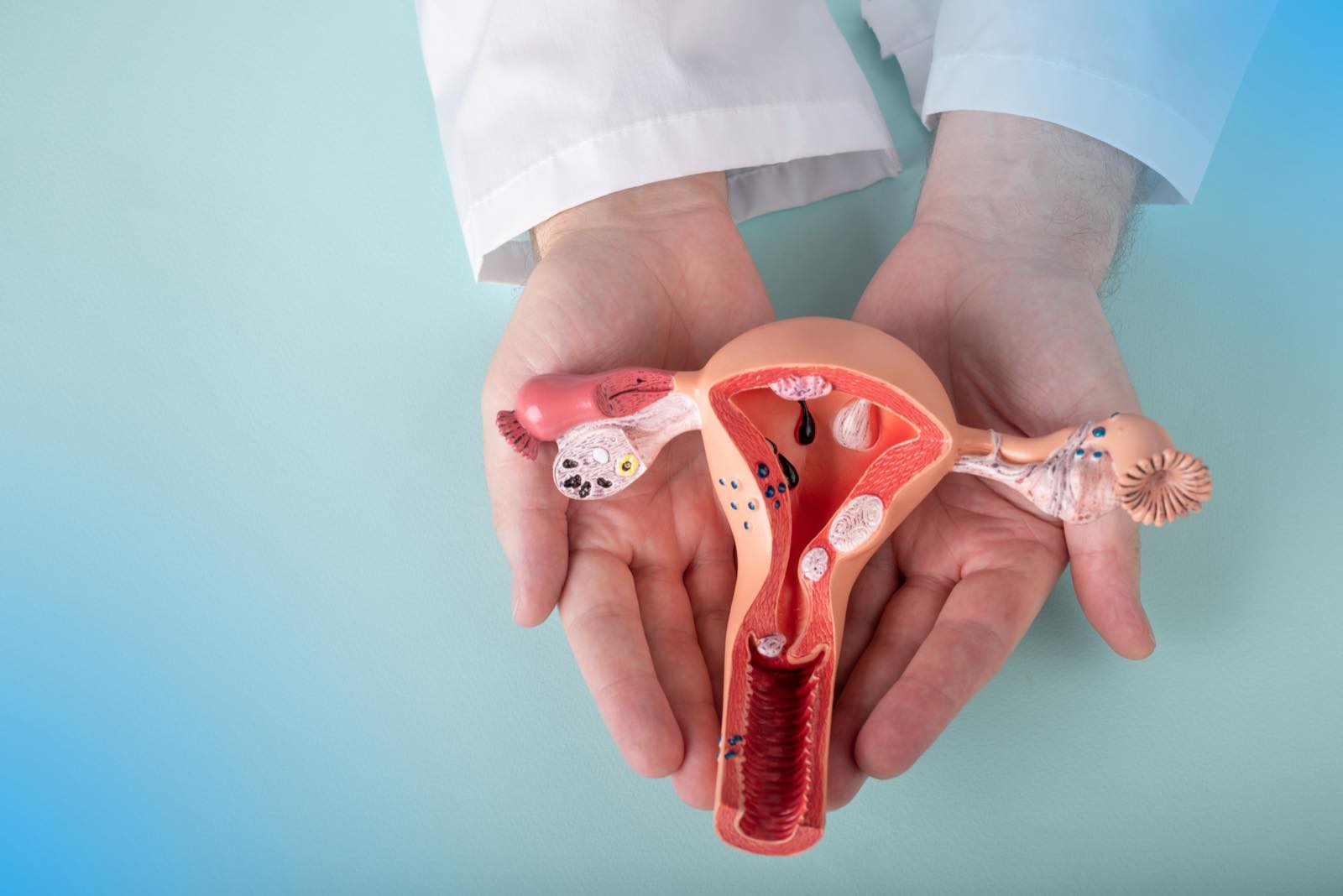
Every year on May 8th, the world comes together to commemorate World Ovarian Cancer Day. This date seeks not only to raise awareness about one of the most silent oncological pathologies but also to open a deep conversation about the preservation of life and fertility. For those facing this diagnosis, the news usually arrives as a double blow: concern for immediate health and uncertainty regarding a future family. In this context, modern medicine has stopped seeing cancer and motherhood as mutually exclusive paths, transforming the approach into an integral evaluation strategy that prioritizes life in all its dimensions.
Ovarian cancer is often known as «the silent killer» because its symptoms are usually non-specific and easily confused with minor digestive or gynecological discomforts. However, at Ingenes, we understand that timely detection and a specialized approach are the most powerful tools to change a prognosis. Today, the evolution of science allows us not only to fight the disease but to design action plans that consider what will happen after recovery, ensuring that the dream of starting a family remains a tangible possibility.
The current landscape: Understanding «the silencer» through science
Globally, ovarian cancer represents a significant challenge because the majority of cases are diagnosed in advanced stages. This is largely due to the lack of screening tests as direct as the Pap smear is for cervical cancer. Therefore, clear medical education is vital. Factors such as genetic predisposition (specifically mutations in the BRCA1 and BRCA2 genes), age, and reproductive history play a decisive role. Nonetheless, the real-world context tells us that reproductive medicine has moved from being a bystander to a strategic ally in managing these patients.
In recent decades, we have witnessed a paradigm shift. It is no longer just about surgical removal; it is about preservation whenever possible. The integration of high-resolution diagnostic technologies and more precise tumor marker analysis allows specialists to determine the aggressiveness of the problem and act with a speed that was previously unthinkable. This clarity in defining the next step is what differentiates a generic treatment from a personalized strategy that understands each woman’s unique biology.
Fertility preservation: A strategic decision before treatment
One of the key messages on this World Ovarian Cancer Day is the importance of oncofertility. When a woman of reproductive age is diagnosed, time becomes the most valuable resource. Before starting procedures such as chemotherapy or radical surgeries, which can compromise the ovarian reserve, there is a window of opportunity to protect her reproductive future.
Egg vitrification and ovarian tissue cryopreservation are now scientific realities that offer an extremely optimistic success rate. At Ingenes, this approach does not feel like an additional chore, but like a fundamental part of an integral evaluation that looks at what others have missed. By freezing eggs before the cells are exposed to cytotoxic treatments, we are ensuring that once the patient receives her oncological clearance, she has her own young, healthy cells to pursue a pregnancy. This is the true application of technology at the service of hope based on data.
The importance of a personalized strategy post-cancer
Once the battle against cancer is won, the desire to be a mother often resurfaces with renewed strength. However, the body has gone through complex processes that require an expert and delicate eye. At this stage, it is not just about trying; it is about understanding the current state of the reproductive system. An integral post-treatment evaluation must consider endometrial health, hormonal balance, and the body’s ability to safely carry a pregnancy to term.
The role of reproductive medicine here is that of an architect rebuilding the path. If a conservative surgery was performed (where the uterus and at least one ovary are maintained), the possibilities of a natural pregnancy or low-complexity treatment exist, but they must be monitored under a rigorous medical strategy. If the treatment was more invasive, In Vitro Fertilization (IVF) options using previously preserved eggs or egg donation present themselves as real and successful solutions, positioning science as the bridge to a new life.
Social changes and the decline in birth rates amidst chronic illness
We live in a society where postponing motherhood is a statistical reality. This means many women face ovarian cancer diagnoses before having had their first child. This clash between biology and social timing demands that fertility clinics be more than just treatment centers, they must be institutions of human accompaniment. The integral focus must consider that the patient is not a diagnosis, but a person with life projects.
The declining birth rate and changes in modern family structures force us to be more efficient. Every preserved egg and every genetically analyzed embryo counts. Therefore, the use of advanced technology in the Ingenes embryology laboratory seeks to optimize every available biological resource. In a cancer context, where opportunities may be limited, precision is not a luxury; it is an absolute necessity to achieve the goal in the fewest number of attempts possible, avoiding unnecessary physical and emotional exhaustion.
The role of the multidisciplinary team: Science with human support
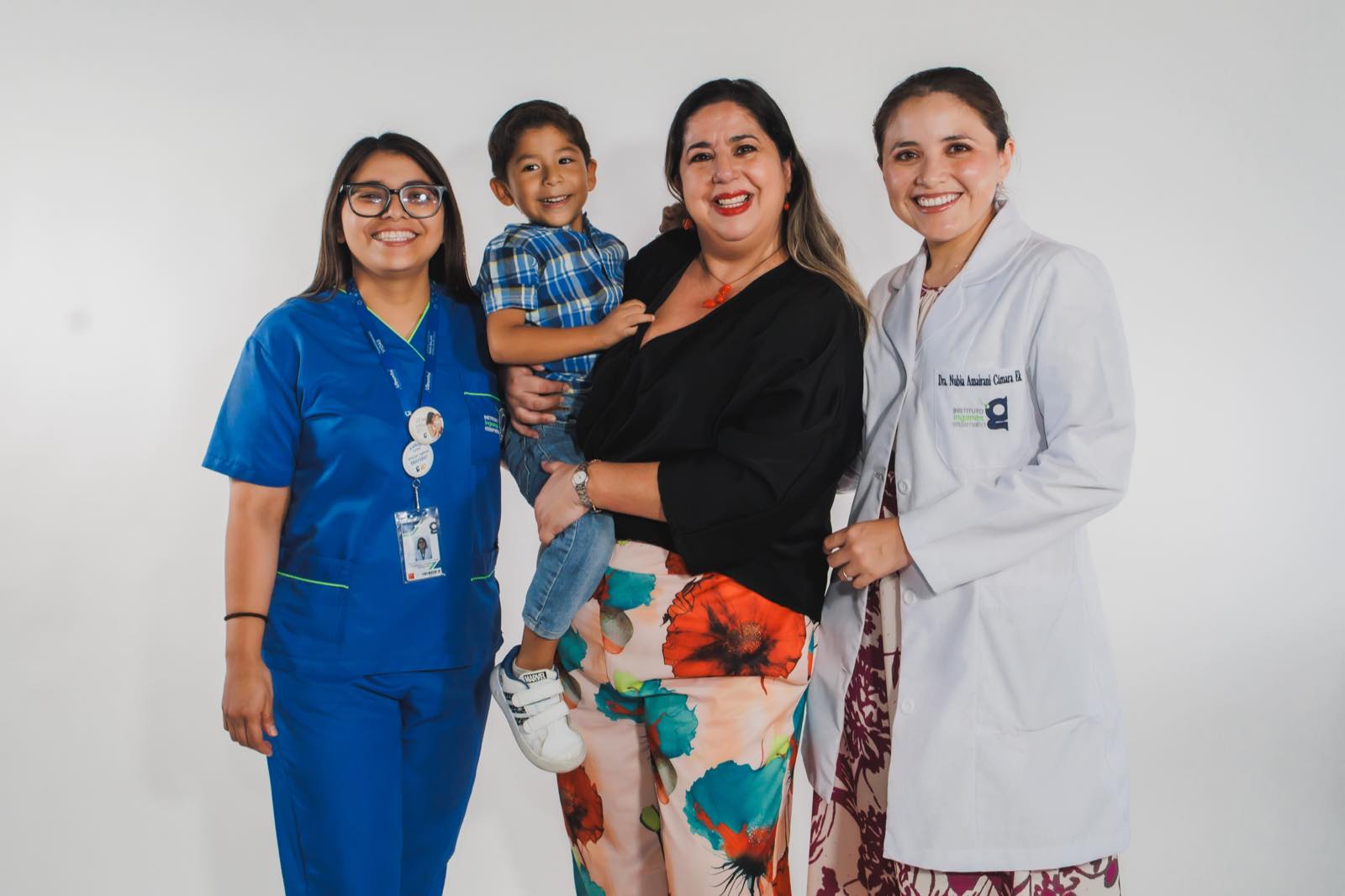
World Ovarian Cancer Day reminds us that no one should walk this path alone. The narrative of success in these cases always involves a multidisciplinary team: oncologists, surgeons, reproductive biologists, specialized nurses, and psychologists. At Ingenes, this integration is natural. We understand that reproductive health is intrinsically linked to general well-being, and for that reason, our strategy includes the emotional support that allows the patient to make informed decisions during moments of high vulnerability.
Our nurses, as we have mentioned before, are the vital link that sustains the strategy day by day. They are the ones who ensure that oncological patients receive priority and delicate care, understanding that the emotional stress of a cancer diagnosis requires an extra dose of empathy and professional clarity. This blend of human accompaniment and clear science is what defines our differential; we do not sell miracles, we design medical routes based on the reality of each body.
Breaking the silence: Prevention as the best tool
Although ovarian cancer is difficult to detect, it is not impossible to stay alert. Education is the foundation of prevention. Knowing family history, paying attention to persistent changes in bowel or urinary habits, and undergoing deep gynecological checkups with transvaginal ultrasounds are steps every woman should consider. Clarity of information is what saves lives and protects fertility.
On this commemorative day, the call is for proactive action. If a diagnosis exists, an immediate search for an oncofertility consultation should be the gold standard. If there is no diagnosis, knowing the preservation options for any future eventuality is a smart life decision. Reproductive medicine has evolved so that women have control over their future, regardless of the health challenges they may face.
Your future is our guide
World Ovarian Cancer Day is a reminder of human resilience and the power of medicine to transform grim outlooks into success stories. A diagnosis of this type is a life change, but it does not have to be the end of your reproductive dreams. The key lies in acting quickly, seeking an integral evaluation, and trusting a strategy that looks beyond the disease.
Key points to remember today:
- Timely detection is the most decisive factor for the success of oncological treatment.
- Fertility preservation should be a priority conversation from the moment of diagnosis.
- Current technology allows for the preservation of eggs and ovarian tissue with high success rates for the future.
- An integral medical approach considers both physical healing and the realization of your personal projects.
At Ingenes, our mission is to be the guide that provides the clarity you need in moments of greatest uncertainty. We have the experience and the leading technology to design a personalized strategy that protects your desire to be a mother, even in the face of an ovarian cancer diagnosis. You are not alone in this process; our team of experts is ready to see what others have missed and accompany you every step of the way toward your total well-being. Your health and your dream of having a baby are our priority; let’s talk today to define your next step with security and hope.