


In some cases, the ovaries stop functioning before age 40. This condition, called premature ovarian insufficiency (POI) or early menopause, can make pregnancy difficult. Although we cannot fully restore ovarian function, in vitro fertilization with egg donation offers up to an 85% success rate for those who wish to become parents.
All fertility plans for POI include hormone therapy (estrogen and progesterone) to relieve menopausal symptoms and protect bone and cardiovascular health.
What is premature ovarian insufficiency and how does it affect fertility?
Women are born with around one million eggs and do not produce more. While most deplete their reserve between ages 45 and 50, in POI ovarian function stops before age 40 in 1 out of every 100 women. This not only prevents ovulation but also lowers estrogen levels, increasing the risk of osteoporosis and heart problems.
Causes and types of POI
- Follicle reserve depletion (egg depletion).
- Ovulatory dysfunction: eggs do not respond to hormones (50% of cases).
The most common causes are genetic factors (Turner syndrome), autoimmune disorders, chemotherapy, radiation therapy, and environmental toxins.
Warning symptoms
- Irregular or scanty periods
- Amenorrhea (absence of menstruation)
- Hot flashes and night sweats
- Insomnia, vaginal dryness, decreased libido, and pain during intercourse
- Fatigue, irritability, mood swings, and difficulty concentrating
- Infertility
If you experience these signs before age 40, consult a reproductive endocrinologist instead of self-medicating.
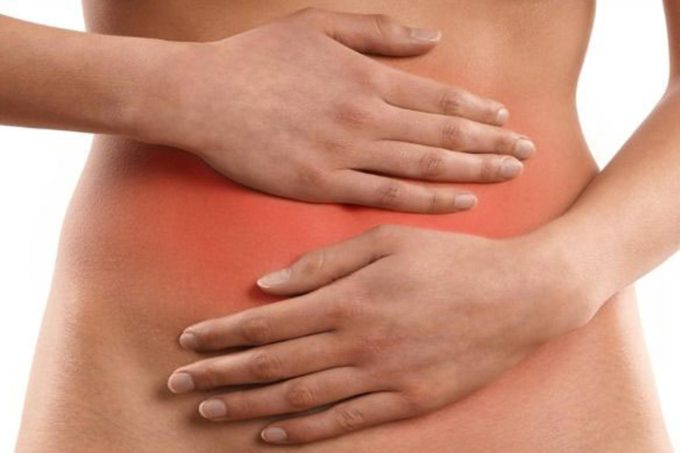
Diagnosis of POI
Under age 40 with menopausal symptoms, your doctor will order blood tests (day 3–5 of the cycle or at any time if you have no period) to measure FSH and estradiol. High FSH and low estradiol levels confirm POI. Thyroid function, autoimmune antibodies, karyotype, and pelvic ultrasound to count antral follicles may also be evaluated.
Treatment options to achieve pregnancy
IVF with egg donation achieves up to an 85% live birth rate per cycle. If you still have some reserve, ovulation induction combined with IVF can be attempted, although response is usually low. Hormone replacement therapy is always included to relieve symptoms and protect your bones until natural menopausal age.
More information and support at Ingenes – Premature Ovarian Failure.

Lifestyle changes
A diet rich in calcium (1,000 mg/day) and vitamin D (600–800 IU/day), weight-bearing exercise (30 min, 3×/week), quitting smoking, and moderating alcohol intake help maintain bone and heart health. Psychological support is key; at Ingenes we offer counseling to manage the emotional impact.
Beyond fertility
POI, due to low estrogen, can cause osteopenia, osteoporosis, and increase cardiovascular risk. Bone density scan (DEXA) and heart checkups are recommended. HRT mitigates these risks and is tailored to your medical profile.
Anovulation and POI
Lack of ovulation in POI occurs when follicles do not respond. There are personalized induction protocols, but success depends on each case. More at Anovulation and Fertility.
Pregnancy success and follow-up
With egg donation, up to an 85% live birth rate is achieved. Long-term follow-up includes monitoring bone density, cardiovascular health, and controlling menopausal symptoms until natural menopause.
The key is consistent checkups and adherence to HRT to optimize your health.
Frequently asked questions
1. Can they conceive naturally?
In 5–10% of cases there are spontaneous pregnancies due to intermittent ovarian function, but they cannot be predicted. Consult a specialist to consider egg donation or other assisted methods. Even if it occurs, there is a higher risk of miscarriage and chromosomal abnormalities.
2. Is HRT safe?
The combination of estrogen and progesterone is safe if there are no contraindications (hormone-dependent cancers or history of thrombosis). It relieves hot flashes, vaginal dryness, and protects bones. Dose and duration are adapted to each person.
3. When to seek fertility treatment?
Once POI is confirmed and there is a desire to conceive, visit a fertility clinic. Delaying consultation reduces options and success. Begin emotional support, financial counseling, and protocol planning early.
4. How to cope with the emotional impact?
The diagnosis can cause grief, anxiety, and a sense of loss. Psychological therapy, support groups, and partner involvement strengthen resilience. At Ingenes our emotional support unit accompanies you at every stage.
Sources
- MedlinePlus. (2023). Primary Ovarian Insufficiency. https://medlineplus.gov/
- Nelson, L. M. (2021). Primary Ovarian Insufficiency. NEJM, 385(8), 744–754. doi:10.1056/NEJMra2020314
- Practice Committee ASRM. (2020). Premature Ovarian Insufficiency: A Guideline. Fertility and Sterility, 114(4), 1095–1114. doi:10.1016/j.fertnstert.2020.06.036
- Rocha, G., & Pérez, A. (2022). Management of Premature Ovarian Insufficiency. J Clin Endocrinol Metab, 107(5), 1234–1245. doi:10.1210/clinem/dgab123
We understand how emotional this journey can be. You are not alone: see a reproductive specialist for the medical and emotional support you deserve.