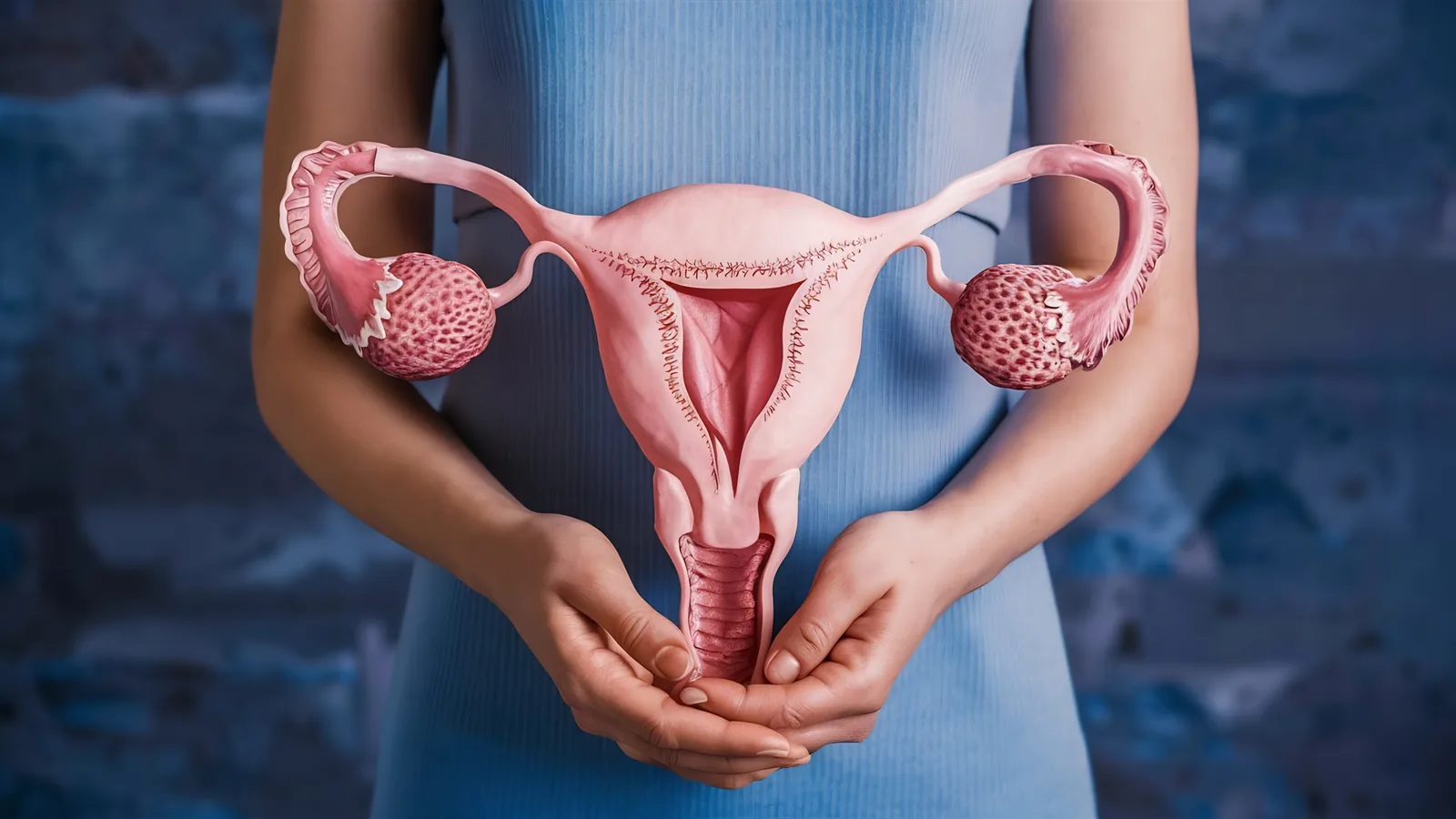

Planning a Pregnancy: A Complete Guide to Conceiving

Starting the journey to parenthood is exciting, but it can also raise questions about how to prepare. At Ingenes we guide you with a clear, approachable guide covering all aspects, physical, emotional, and lifestyle, to plan your pregnancy with confidence.
First medical steps before conceiving
Before trying to conceive, the most important step is to consult a fertility specialist. Together you’ll review your medical history and health status. Conditions like diabetes, hypertension, or sexually transmitted infections can affect pregnancy. A comprehensive checkup (blood tests, hormone profile, and imaging studies) will help you start off on the right foot.
Nutrition and supplements
A balanced diet and the right supplements are key:
- Folic acid: at least 400 µg daily, starting 3 months before conception.
- Iron: 18 mg per day.
- Calcium: 1,000 mg per day.
- Vitamin D: 600 IU per day.
Choose whole grains, lean proteins, fruits, vegetables, and healthy fats. Avoid extreme diets.
How to monitor fertility and ovulation
Track your menstrual cycle by recording daily basal body temperature and changes in cervical mucus. Use a fertility app or calendar and consider ovulation kits (LH tests) to pinpoint your fertile window more accurately.
Lifestyle and fertility
- Quit smoking and limit alcohol.
- Maintain a BMI between 18.5 and 24.9 kg/m².
- Do moderate exercise: 150 minutes of aerobic activity per week.
- Manage stress with yoga, meditation, or therapy.
Review medications and medical conditions
Some drugs, antidepressants, antihypertensives, anticonvulsants, can affect fertility or fetal development. Do not stop or change doses without consulting a specialist in Assisted Reproduction.

Advanced reproductive options
If after 6–12 months of trying (depending on age) you haven’t conceived, consider assisted reproduction. At Ingenes we offer everything from ovulation induction and IUI to IVF: A Complete Guide, always tailored to your needs. We assess sperm quality, ovarian reserve, and uterine health to recommend the best path. For more information, see our Comprehensive Guide to Reproductive Medicine.
Emotional well-being with Ingenes
We know trying to conceive can be an emotional roller coaster. That’s why we offer counseling, support groups, and stress-management workshops so you and your partner feel supported, informed, and empowered.
Frequently Asked Questions (FAQ)
How long should I take folic acid?
Start at least 3 months before conception with 400 µg daily. Consult your specialist if you need higher doses (up to 4 mg/day) based on your history.
Does stress affect fertility?
Yes. Chronic stress alters hormones like cortisol and prolactin and can impair ovulation and sperm production. Relaxation techniques and emotional support improve your chances.
When should I see a fertility specialist?
Under 35: after 12 months of trying without protection. Over 35: after 6 months. If you have conditions like PCOS (now PMOS) or endometriosis, seek help sooner.
Do men get tested too?
Male fertility accounts for 40–50% of cases. A semen analysis evaluates count, motility, and morphology. Depending on results, hormonal or genetic tests may be required.
Sources
- American College of Obstetricians and Gynecologists. (2021). Practice Bulletin No. 200: Early Pregnancy Loss. Obstetrics & Gynecology, 136(4), e139–e153. https://doi.org/10.1097/AOG.0000000000004554
- Centers for Disease Control and Prevention. (2022). Preconception Health and Healthcare. https://www.cdc.gov/preconception/index.html
- MedlinePlus. (2023). Folic Acid. https://medlineplus.gov/folicacid.html
- Practice Committee of the American Society for Reproductive Medicine. (2020). Diagnostic evaluation of the infertile female. Fertility and Sterility, 113(3), 545–553. https://doi.org/10.1016/j.fertnstert.2019.11.014
We’re with you every step of the way. If you have questions or want a personalized plan, consult an assisted reproduction specialist for the best care.