

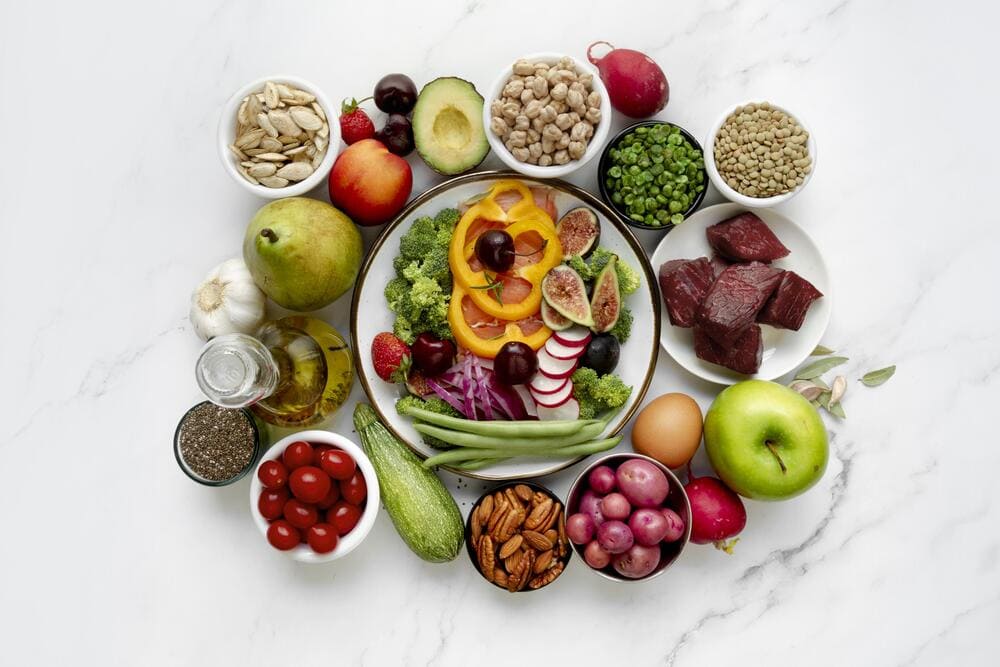
Every May 28 we celebrate Nutrition Day, a perfect date to reflect on how diet influences our health and, especially, our fertility. Although we often associate nutrition with weight or energy, few know that a balanced diet is key to increasing your chances of pregnancy.
In this article we explain how a proper diet can support fertility, why at Ingenes we place so much importance on this aspect, and what changes you can adopt if you’re trying to have a baby.
Why is nutrition essential for fertility?
Fertility doesn’t depend solely on reproductive organs. Hormonal balance, cellular function, and metabolism are fueled by what we eat. A diet lacking vitamins and minerals can cause polycystic ovary syndrome (PCOS), ovulation disorders, or premature ovarian insufficiency in women, and in men it can affect sperm count, motility, and morphology.
At Ingenes we assess your eating habits before any treatment and design a personalized plan to optimize hormone production, egg maturation, and uterine receptivity.
Key nutrients to improve your fertility
1. Folic acid (400–800 µg/day)
Essential for DNA synthesis and cell division. In women it improves egg quality and neural tube development; in men it increases sperm count and motility. Sources: spinach, lentils, broccoli, avocado, fortified cereals.
2. Zinc (8–12 mg/day)
Regulates menstrual cycles and testosterone levels. In men it’s key for spermatogenesis. Sources: lean meats, seafood, pumpkin seeds, nuts.
3. Omega-3 (1–2 g/day)
Its anti-inflammatory properties improve uterine blood flow and embryo implantation. In men it enhances sperm motility and membrane fluidity. Sources: salmon, sardines, flaxseed, walnuts.
4. Iron (18 mg/day women; 8 mg/day men)
Prevents anemia and supports ovulatory function. Sources: red meat, legumes, spinach, fortified whole grains.
5. Antioxidants (Vitamin C 75 mg/day; Vitamin E 15 mg/day; Selenium 55 µg/day)
Protect germ cells from oxidative stress. Sources: citrus fruits, berries, peppers, almonds, sunflower seeds.
How does a poor diet affect fertility treatments?
A diet high in refined sugars, trans fats, and ultraprocessed foods can:
- Increase insulin resistance (linked to PCOS).
- Disrupt ovulation and cycle regularity.
- Raise chronic inflammation.
- Reduce sperm DNA integrity.
- Hinder endometrial receptivity.
These metabolic imbalances lower success rates in in vitro fertilization (IVF) and intrauterine insemination (IUI).
Which diet supports assisted reproduction treatments?
We recommend a Mediterranean-style diet: fruits, vegetables, whole grains, lean proteins, and healthy fats. This pattern has shown:
- Better ovarian response.
- Higher quality eggs and embryos.
- Increased implantation rates.
At Ingenes we create personalized nutrition plans based on clinical data and your lifestyle. Learn more about the importance of nutrition in your fertility treatment.
Adaptations for PCOS, endometriosis, or thyroid conditions
PCOS
Choose low glycemic carbs, high-fiber foods, and lean proteins to control insulin. Avoid sugary drinks and refined flours.
Endometriosis
Include anti-inflammatory foods like fatty fish, turmeric, and leafy greens. Reduce red meat and ultraprocessed foods that may increase inflammation.
Hypothyroidism
Ensure adequate iodine, selenium, and vitamin D. Cook goitrogenic foods (raw broccoli, soy) well and maintain regular meal schedules.
Male nutrition matters too
Up to 40% of infertility causes involve male factors. A diet rich in antioxidants, lean proteins, and omega-3 improves:
- Sperm count, motility, and morphology.
- DNA integrity.
- Hormonal balance.
Avoid alcohol, tobacco, processed meats, and excess caffeine.
Nutrition services at Ingenes
- Individual assessments with fertility nutritionists.
- Diet plans for PCOS, low ovarian reserve, or autoimmune conditions.
- Multidisciplinary coordination with gynecology, reproductive biology, and psychology.
- Supplementation guidance before IVF, IUI, vitrification, or egg donation.
Discover how tailored nutrition boosts your treatment at Ingenes.
Celebrate Nutrition Day and nurture your fertility
May 28 is a reminder to feed your body with intention. Simple changes—swap soda for water, add berries to your breakfast, or choose grilled fish instead of fried—can make a difference in your reproductive health.
Remember, no advice replaces a specialist’s opinion. If you want to increase your chances of pregnancy, consult an assisted reproduction expert. We’re with you on this journey and we believe in you!