

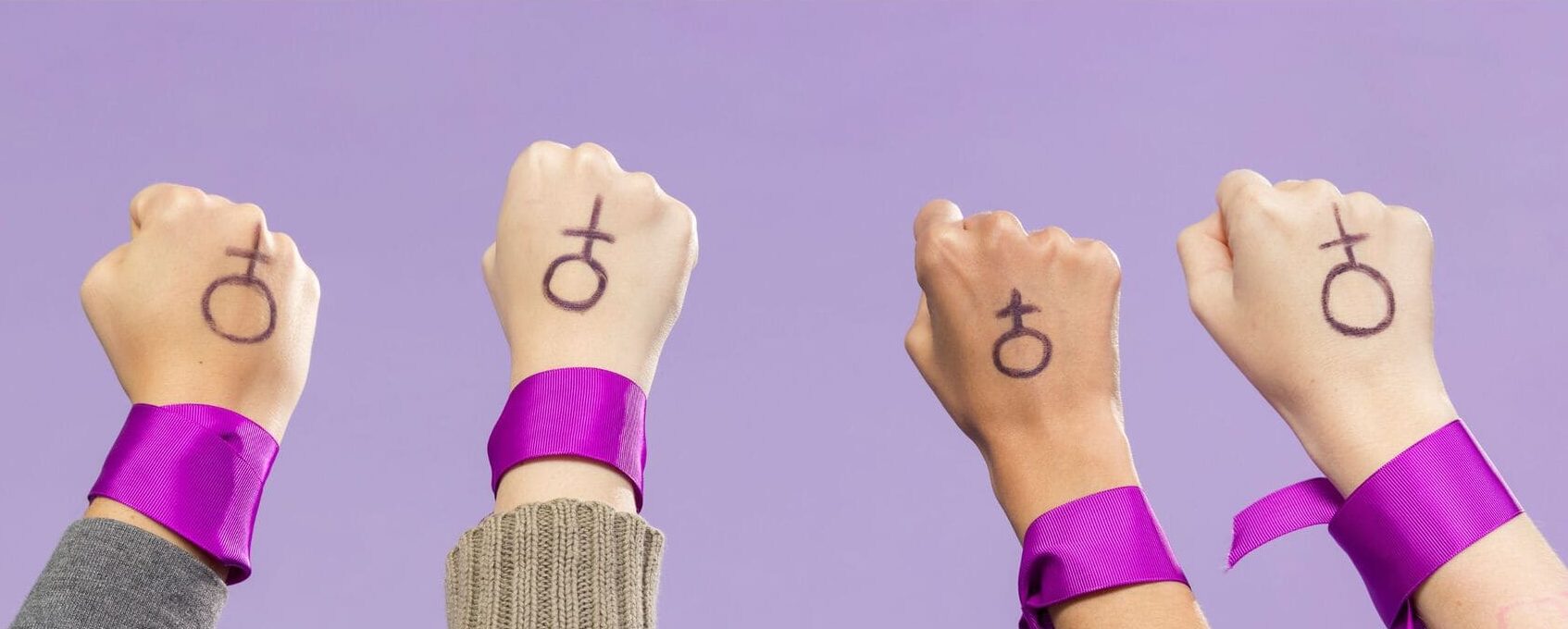
On March 8, we observe International Women’s Day. And beyond being a date on the calendar, it can be a moment to recognize everything a woman carries: her goals, her health, her story, her timing… and her decisions.
Because not all women are in the same stage of life.
Some are trying to have a baby right now and it hasn’t happened.
Others don’t want to yet, but they do know they’d like to in the future.
And others are somewhere in between: they want to, but not now; or they want to, but first they need clarity.
This article is for all of them. To remind you of something simple: your life doesn’t have to follow a single script, and neither does your reproductive journey. What matters is having real information and clear options—whether that’s to have your baby or to preserve your fertility and plan for later.
A woman’s fertility isn’t “just another topic”—it’s part of her life (and her timeline)
There’s something many women learn too late: fertility doesn’t always warn you. There aren’t always symptoms. There aren’t always obvious signs. And still, it does change over time. This isn’t about fear—it’s biology: your body has its own rhythm, even when your life is moving differently.
That can feel unfair. Because being a woman today also means building projects, working, studying, traveling, healing, moving, reinventing yourself, living through complex relationships, starting over… and in the middle of all that, deciding if you want a baby—and when.
That’s why talking about fertility on March 8 isn’t “romantic” or “traditional.” It’s modern. It’s real. It’s acknowledging that many women make big decisions—and one of them can be: I want to be a mom, now or later.
And if you’re at that point—or not yet, but you’ve thought about it—you deserve clear information and support that doesn’t judge you.
For women who don’t want a baby yet… but do in the future
There’s a stage many women live through that rarely gets named: the “not yet.” It’s not “I don’t want to”—it’s “not now.” And that difference matters.
Maybe you’re building stability, maybe the moment isn’t right, maybe your relationship isn’t there yet, maybe you’re focusing on your health, maybe your career is taking off, maybe you’re simply finding yourself. And all of that is valid. You don’t have to justify it.
What is worth considering is that “not now” can go hand in hand with a very smart decision: understanding your current reproductive picture and, if it applies, considering fertility preservation.
Preserving fertility doesn’t mean living in fear. It means living with more calm. It’s a way of saying: “Today isn’t my moment, but I want my future to have options.” And for many women, that possibility feels like relief—not because it guarantees anything, but because it takes away the sense that time is deciding for you.
What often changes when a woman chooses to get evaluated early
The internal conversation changes. You stop living on assumptions (“I’m sure everything is fine,” “I’m sure I still have time,” “I’m sure it will happen when I’m ready”) and you start living with data. And data, when interpreted well, doesn’t pressure you—it guides you.
Many women feel like thinking about preservation is “too much,” or that “it’s for other people.” But the reality is that more and more women consider it because their life doesn’t fit a single mold. And because being a woman today also means being able to say: “I want to decide.”
For women who are just starting to try (and feel like time suddenly got louder)
There’s a very specific moment: when you decide “it’s time,” and suddenly everything feels more intense. You start noticing your cycle, counting days, reading online, hearing other people’s stories, wondering if you’re doing things “right.” And even if it starts with excitement, anxiety can show up quickly.
At this stage, the most important thing isn’t obsessing over every symptom. It’s understanding something simple: fertility isn’t guessed—it’s understood. And understanding doesn’t mean jumping to conclusions or treatments; it means having an evaluation that tells you where you are and what makes sense (or doesn’t) for your case.
For many women, trying without guidance becomes exhausting fast—especially when months pass and there’s no clarity. Not because of lack of love or lack of effort, but because it can feel very lonely.
What helps here is changing the focus: stop living it like a personal test, and start living it for what it is—a health process that deserves structure.
A key point many women discover late
Fertility isn’t only about the woman. Even when the desire and emotional weight often fall on her, the evaluation should be comprehensive from the start. Because when the whole picture is reviewed early, months of uncertainty can be avoided.
For women who do want a baby… and haven’t been able to
This is the most delicate part. Because when you’ve been trying for a while and it’s not happening, you’re not just looking for information—you’re looking for hope that actually makes sense.
At this stage, your mind can feel like a carousel: on one hand you still believe it’s possible; on the other, you’re tired of trying and getting your hopes up. Some days you feel strong, and other days you don’t want to talk about it with anyone. Sometimes you use humor. Sometimes it breaks you inside.
And here’s something important to say with empathy: it’s normal for it to hurt. Not because your life is incomplete, but because it’s a deep desire. And because waiting, when it stretches on, is heavy.
What isn’t fair is staying in endless uncertainty. It isn’t fair for someone to tell you “just relax” when what you need is clarity. It isn’t fair to feel guilty about something that often has specific medical reasons.
When pregnancy doesn’t happen, in most cases there are factors that can be evaluated. And when they’re evaluated well, the most valuable thing opens up: a plan.
A plan isn’t an empty promise. A plan is:
- understanding what’s truly influencing things,
- stopping repeated attempts without direction,
- making decisions with strategy,
- and feeling that each step brings you closer to your baby.
And yes—even if you’ve tried before, even if you’ve been through other experiences, even if you’re exhausted… your outlook can change when things are reviewed deeply and with the right approach.
Being a woman also means carrying expectations… and learning to let them go
There’s a lot of pressure around fertility that can feel “normal” because it’s everywhere:
- the idea that “it should be easy,”
- the idea that “if you want it enough, it will happen,”
- the idea that “if it isn’t happening, it’s because you’re stressed,”
- the idea that “at a certain age, it’s over.”
The truth is, fertility is more complex than that. It can’t be reduced to phrases. It can’t be solved with generic advice. That’s why one of the most powerful acts in a reproductive journey is letting go of guilt and seeking real clarity.
Because your body isn’t a test. Your body isn’t “failing you as a woman.” Your body is going through a process that needs evaluation, guidance, and informed decisions.
That perspective is deeply compassionate: it gives you dignity back in a topic where many women feel judged.
A more human way to see March 8: celebrating can also mean taking care of yourself
Celebrating International Women’s Day can mean going out with friends, talking about goals, recognizing achievements. But it can also mean something more intimate: making a decision for yourself.
- If you don’t want a baby today, but you do in the future: caring for your fertility and considering preservation can give you peace of mind.
- If you’re just starting to try: knowing your reproductive picture can save you from uncertainty.
- If you’ve been trying for a while: a complete evaluation and a plan with direction can make a real difference.
It’s not about living in a rush. It’s about living with options.
And that’s a beautiful way to honor March 8: remembering that your life is yours, your timing matters, and your decisions deserve support.
Conclusion
On March 8, International Women’s Day, this doesn’t have to be a date that pressures you. It can be a date that holds you: a reminder that you are more than your outcomes—but your desires matter too.
If fertility is part of your story today—because you want a baby now, because you’re starting to try, or because you want it later—here’s something important: you don’t have to navigate it alone or blindly.
With a clear evaluation, a well-guided plan, and close support, the journey becomes more manageable and more possible. And that, too, is part of celebrating women: giving them real tools to decide their future, at their pace.