


“`html
What is tubal ligation and how does it work?
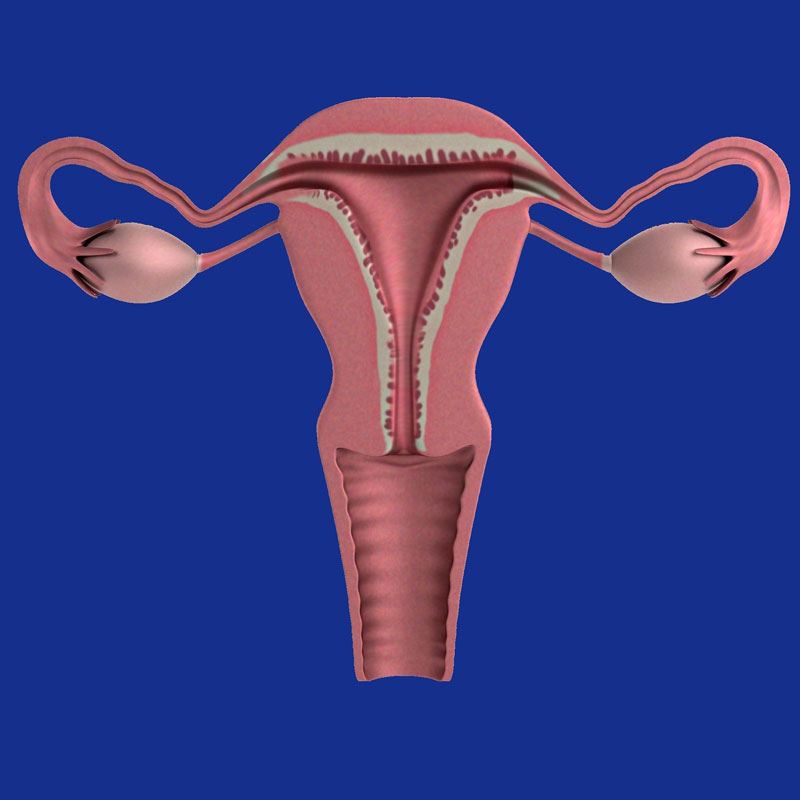
Salpingoclasis, tubal ligation, or bilateral tubal occlusion is a permanent sterilization surgery for women. Essentially, the fallopian tubes are cut, clipped, blocked, tied, or cauterized. This prevents the egg from traveling from the ovary to the uterus and the sperm from meeting it, blocking fertilization.
Can a woman reverse tubal ligation to restore fertility?
Although tubal ligation is intended as a permanent sterilization, tubal reanastomosis or reversal surgery is possible. In some cases, the fallopian tubes can be reconnected. Success depends on your age, the remaining tube length (at least 4 cm), and the initial method. Women under 35 have higher chances of natural pregnancy after reversal.
However, even after reversal, there is a risk of ectopic pregnancy. Consult a reproductive specialist to evaluate all options before deciding.
Why is IVF recommended for women with previous tubal ligation?
In Vitro Fertilization (IVF) bypasses the fallopian tubes: eggs are retrieved, fertilized in a lab, and embryos are placed directly into the uterus. This avoids ectopic pregnancies and often offers higher, faster success rates than tubal surgery.
With techniques like preimplantation genetic testing, you can screen embryos for chromosomal abnormalities—a valuable advantage if you’re over 35.
How does IVF work after tubal ligation?
IVF after tubal ligation involves five steps:
- Ovarian stimulation: For about 10 days you’ll receive daily gonadotropin injections (150–300 IU) to stimulate multiple follicles. Ultrasounds and hormone tests (mIU/mL) prevent ovarian hyperstimulation syndrome.
- Egg retrieval: Under sedation, a transvaginal ultrasound–guided needle aspirates mature oocytes.
- Fertilization: After washing semen to isolate motile sperm, eggs and sperm are co-incubated in culture medium or ICSI is used if semen quality is low.
- Embryo culture: In incubators at 37 °C and 5 % CO₂, embryos grow 3–5 days until they reach the blastocyst stage.
- Embryo transfer: A thin catheter places one or two embryos in the uterus under ultrasound guidance with 1–2 mL of culture medium.

What risks are associated with IVF after tubal ligation?
IVF performed by expert reproductive endocrinologists is safe. The main risks are ovarian hyperstimulation syndrome (OHSS) and multiple pregnancy if multiple embryos are transferred. Monitoring estradiol levels (pg/mL) and adjusting doses reduces these risks.
After transfer, avoid intense exercise and continue progesterone supplementation (50–100 mg daily, vaginal or intramuscular) for 8–10 weeks to support your endometrium. Do not self-medicate: always follow medical supervision.
Frequently Asked Questions
1. Can Tubal Ligation Cause Long-Term Health Problems?
Most women do not experience serious complications. Some note menstrual changes or mild pelvic pain. Rarely, post-ligation syndrome (hormonal symptoms) can occur. If pain or bleeding persists, consult your gynecologist.
Follow-up visits are key to monitoring your reproductive health and ruling out other conditions.
2. How Effective Is Reversal Compared to IVF?
Reversal offers success rates of 30 % to 80 %, depending on tubal length and age, and can take up to a year to achieve pregnancy. IVF offers more predictable success (40 %–60 % per cycle under 35) and bypasses tubal and ectopic factors.
Evaluate time, cost, and tubal condition with your partner and specialist.
3. Is There an Age Limit for Tubal Ligation Reversal?
Natural fertility declines with age. Women under 35 have better outcomes after reversal. After 40, rates drop to 20 %. In these cases, IVF is usually more effective thanks to genetic testing and higher success rates.
Your specialist will assess your ovarian reserve (AMH in ng/mL and antral follicle count) to recommend the best option.
4. What Lifestyle Changes Improve IVF Outcomes?
Maintaining a balanced diet, moderate exercise, and a BMI of 18.5–24.9 kg/m² optimizes IVF. Avoid smoking, limit caffeine (< 200 mg/day), and alcohol (< 1 drink/week).
Stress-management practices (yoga, acupuncture, mindfulness) support hormonal balance and endometrial receptivity. Consult your specialist before taking supplements or OTC medications.
We’re with you on this journey. If you’re considering tubal ligation, reversal, or IVF, speak with a reproductive specialist. Your desire to become a parent deserves the best plan.
“`