


Según la Organización Mundial de la Salud (OMS), existen cerca de 10.000 enfermedades genéticas en el mundo. Esto significa que el 7% de la población sufre alguna de ellas, con un impacto importante en los sistemas de salud y en las familias.
Cuando una pareja descubre que su bebé puede presentar una enfermedad genética, la preocupación emocional y los costos médicos pueden ser muy altos.
Para ofrecer una alternativa, la ciencia en salud reproductiva ha desarrollado el Diagnóstico Genético Preimplantacional (PGD), una técnica internacionalmente reconocida que se integra a los tratamientos de reproducción asistida.
El PGD puede detectar enfermedades como daltonismo, fibrosis quística, autosómicas y trisomías, entre otras. A continuación, te contamos las siete enfermedades genéticas más frecuentes que puedes identificar con PGD durante tu proceso de fertilidad.
¿Qué es el síndrome de Down y cómo se diagnostica?
El síndrome de Down o trisomía 21 aparece en 1 de cada 800 nacimientos, y su incidencia aumenta con la edad de la madre. Se debe a una copia extra del cromosoma 21 y causa retraso en el desarrollo intelectual, así como mayor riesgo de problemas cardíacos, digestivos y endocrinos.

¿Qué implica el síndrome de Klinefelter en la fertilidad masculina?
Los hombres con Klinefelter tienen un cromosoma X extra, lo que deriva en hipogonadismo y baja producción de esperma. Como sus rasgos físicos no siempre son evidentes, el 75% se diagnostica tarde y solo el 10% antes de la pubertad. Pueden presentar estatura alta, sobrepeso, desarrollo genital reducido y ginecomastia.
¿Cómo afecta el síndrome de Turner el desarrollo femenino?
La ausencia total o parcial de un cromosoma X da lugar al síndrome de Turner en 1 de cada 2 500 niñas. Se caracteriza por estatura baja, tórax ancho, cuello corto, edema en pies y riesgo de problemas cardíacos.
¿Qué riesgos conlleva la hemofilia y quiénes la padecen?
La hemofilia es una enfermedad ligada al cromosoma X: las mujeres suelen ser portadoras y los hombres presentan hemorragias fuertes y prolongadas. El 70% de los casos es hereditario; el 30% restante, mutación de novo. Solo el 30% de los pacientes recibe tratamiento óptimo.
¿Qué es la fibrosis quística y cómo impacta la salud respiratoria?
La fibrosis quística provoca acumulación de moco en pulmones y páncreas, aumentando el riesgo de infecciones pulmonares graves y problemas digestivos. Se diagnostica alrededor de los 2 años; en casos leves, hasta los 18 o más.
¿Por qué la anemia falciforme es un riesgo en la infancia?
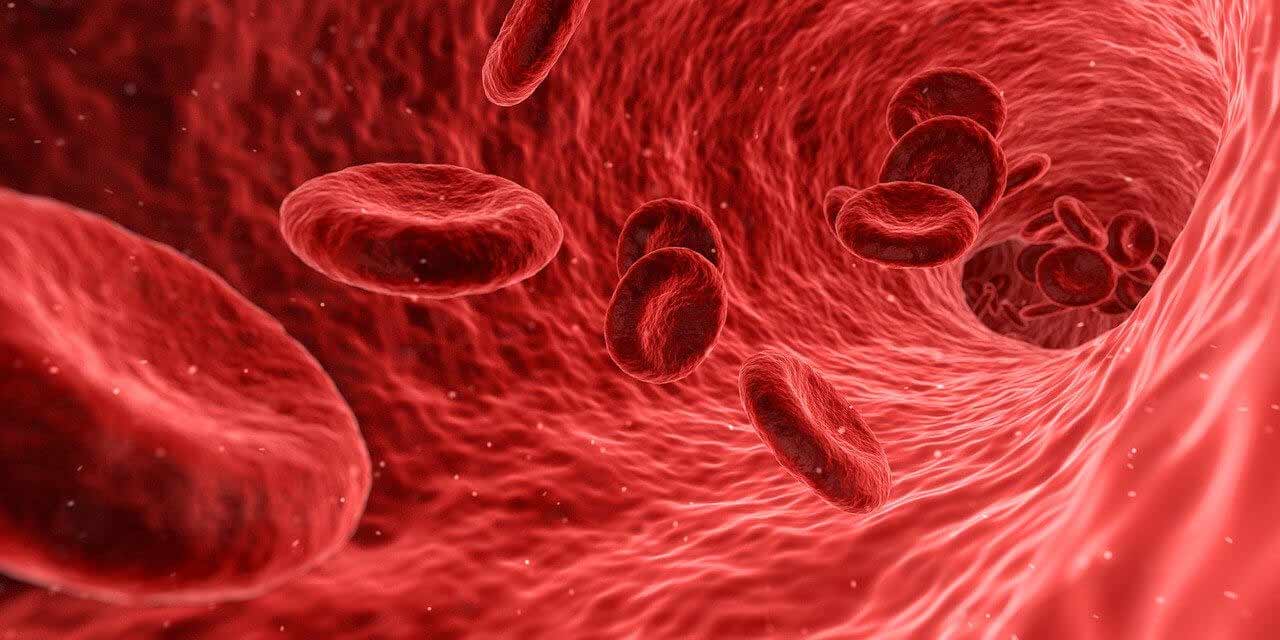
Según la OMS, la anemia falciforme deforma los glóbulos rojos y puede causar crisis de anemia e infecciones severas que ponen en riesgo la vida antes de los 7 años.
¿Qué características tiene la enfermedad de Huntington?
La enfermedad de Huntington es neurodegenerativa y hereditaria. Aunque la mutación está presente desde el nacimiento, los síntomas suelen aparecer entre los 30 y 40 años: ansiedad, depresión, problemas de memoria, coordinación y equilibrio. No existe cura definitiva.
¿Cómo mejora el PGD tus probabilidades de embarazo?
El PGD permite seleccionar embriones sin alteraciones cromosómicas, reduciendo fallos de implantación y abortos recurrentes. En Latinoamérica, la tasa de éxito puede llegar al 96%. En Ingenes contamos con más de 15 años de experiencia y 35.000 bebés nacidos en laboratorios de primer nivel.
Permítenos ayudarte a cumplir tu sueño de ser madre o padre. Evita automedicarte y, antes de tomar cualquier decisión, consulta siempre a un especialista en reproducción asistida.
Preguntas frecuentes sobre enfermedades genéticas y PGD
1. ¿Qué es el Diagnóstico Genético Preimplantacional (PGD)?
El PGD es una técnica que analiza el material genético de los embriones in vitro antes de transferirlos al útero. Detecta anomalías cromosómicas y mutaciones específicas, reduciendo el riesgo de enfermedades hereditarias.
Después de la fecundación y antes de la implantación (en días 3–5), se extrae una o dos células de cada embrión para analizarlas con técnicas como PCR o FISH. Consulta a un especialista para recibir orientación personalizada.
2. ¿Quiénes son candidatos al PGD?
Se recomienda a parejas con antecedentes de enfermedades genéticas graves (fibrosis quística, anemia falciforme, hemofilia, síndrome de Down, entre otros), abortos recurrentes, cromosomas balanceados (translocaciones) o edad materna avanzada. El especialista evaluará tu caso y te guiará en cada paso de forma cercana.
3. ¿El PGD garantiza un bebé sano?
El PGD disminuye notablemente el riesgo de enfermedades genéticas y anomalías cromosómicas, pero no elimina todos los factores. Existen condiciones no detectables y factores ambientales que pueden influir. Por eso se combina con estudios prenatales como amniocentesis o biopsia de vellosidades coriónicas y un seguimiento médico constante.
4. ¿Existen riesgos asociados al PGD?
El principal riesgo es la posible afectación del embrión al extraer células, aunque en laboratorios especializados la tasa de daño es menor al 5%. También hay riesgo de falsos positivos o negativos y complicaciones propias de la fecundación in vitro. Por ello, siempre se realiza una evaluación integral por un equipo multidisciplinario.
Fuentes consultadas
- American Society for Reproductive Medicine. (2019). Diagnóstico Genético Preimplantacional y Tamizaje. Fertility and Sterility, 112(2), 208–216.
- MedlinePlus. (2023). Enfermedades Genéticas. https://medlineplus.gov/geneticdisorders.html
- Organización Mundial de la Salud. (2018). Hemofilia. https://www.who.int/news-room/fact-sheets/detail/haemophilia
- OMIM. (2022). Enfermedad de Huntington. https://omim.org/entry/143100
Sabemos que este camino puede ser desafiante, pero no estás solo/a. Acude con un especialista en reproducción asistida para recibir el apoyo y la orientación que mereces.