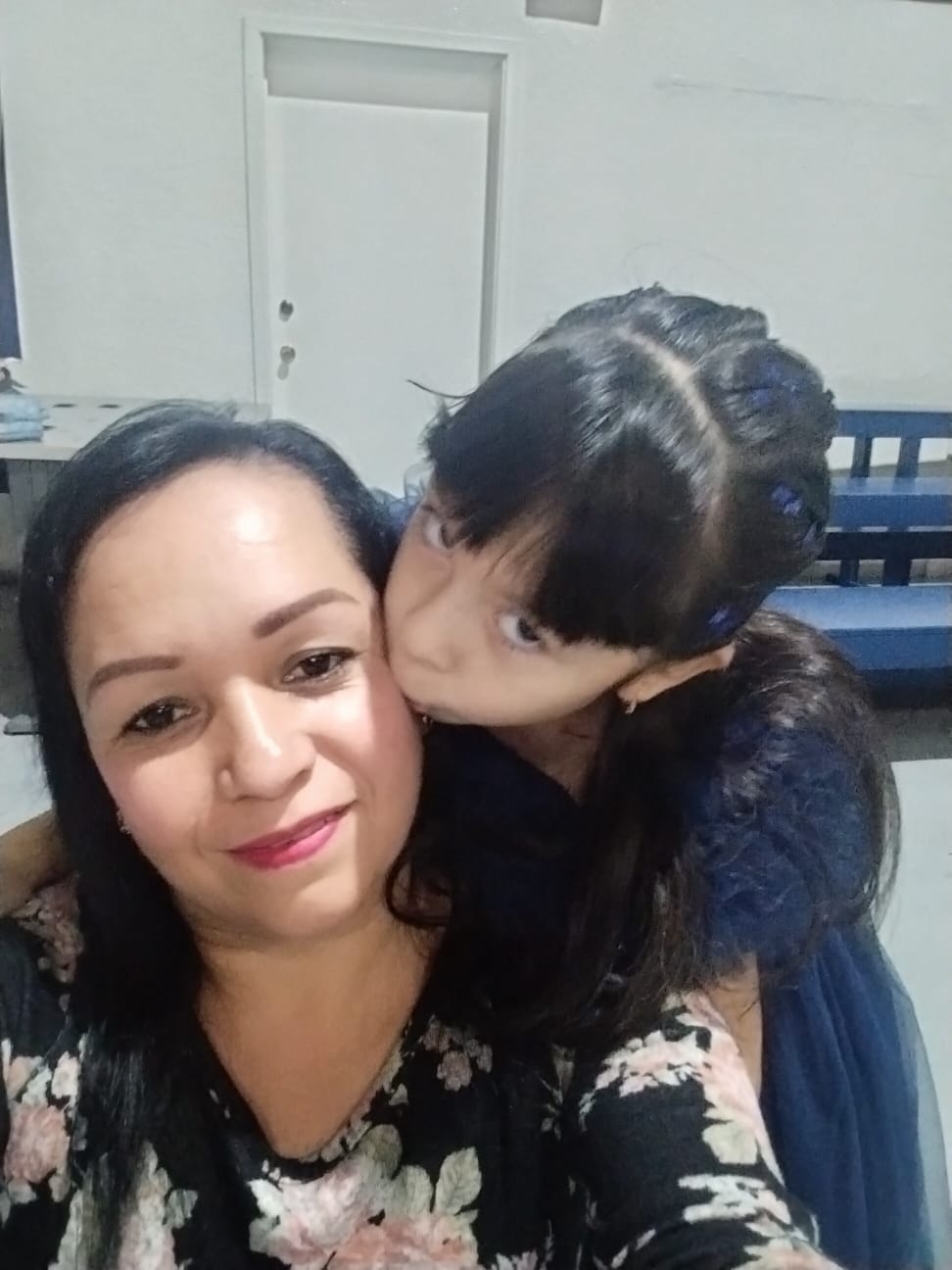

«I wanted a baby and through an IVF treatment, life sent me 2 diamonds»
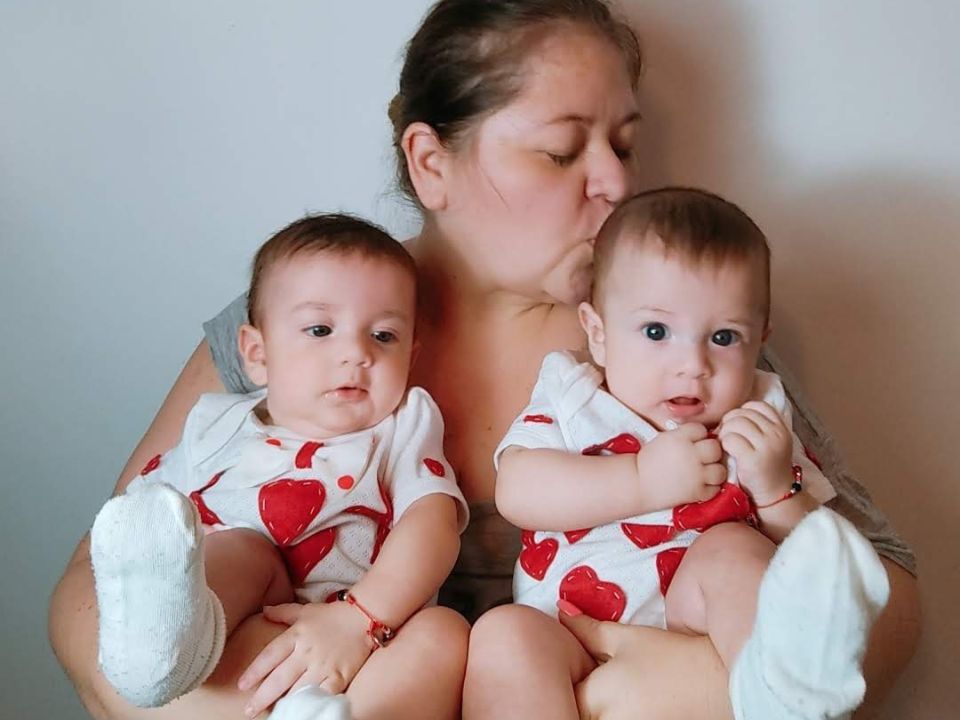
Swan always wanted to be a single mother and achieved her pregnancy with IVF after age 35. Here she tells us how she experienced the desire to become a mother and the assisted reproduction process that, on her fourth cycle, gave her twins, even while living with polycystic ovary syndrome (PCOS, now PMOS).
How does age affect fertility after 35?
After age 35 egg quality and ovarian reserve decline: AMH levels drop and FSH rises. Swan began her journey at 33 and became pregnant at 35. According to MedlinePlus, female fertility decreases by 3–4% per year after 35 (MedlinePlus, 2023). Do not self-medicate without consulting a specialist.
What is polycystic ovary syndrome and how is it treated with IVF?
PCOS involves hormonal imbalance, irregular ovulation and multiple follicles ≤9 mm. Management may include weight control, metformin and stimulation protocols with 150–225 IU of FSH per day. Before any medication, consult an assisted reproduction specialist. The testimonial “My husband had cancer and I had cysts, but with IVF we had twins” shows how a personalized plan overcomes PCOS.
What are the steps of a successful IVF cycle after several attempts?
In her first three cycles, Swan underwent:
- Ovarian stimulation with customized protocols.
- Ultrasound monitoring (number of follicles, endometrium ≥7 mm).
- Egg retrieval and in vitro fertilization.
In the fourth cycle she improved her diet, adjusted hormone doses and optimized medication timing. From that effort came Anthar and Ghalen, her diamonds.
How to prepare body and mind for an IVF pregnancy?
Nutrition: 50–70 g of protein per day, 2 L of water and antioxidants (vitamins E and C). Exercise: 150 min/week of moderate activity. Emotional health: support therapy and peer groups. The case “My 2 IVF babies are fighters” reflects the mental strength required.
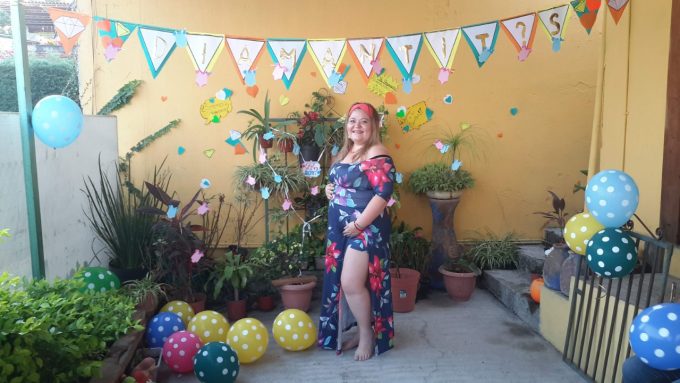
Swan at her baby shower – Ingenes mom
“They are my diamonds because, like diamonds, they were formed through effort, heat and time. I am their mother and father, and together we are a perfect family. They are my dream come true, they are intelligent, talkative and dreamers. I will always love them and always fight for them.”
What program does Ingenes offer for over 35s?
The Ingenes Initial Program evaluates AMH, FSH, antral follicle count, semen analysis and genetic screening. With a personalized plan, your chances increase to 60–70%. Learn about the Initial Program and take the first step.
Frequently Asked Questions
1. What are the IVF success rates after 35?
Between 35–45% per cycle with a high-quality single embryo transfer. AMH >1.0 ng/mL and count ≥6 follicles improve prognosis (ASRM, 2022). A multidisciplinary approach with nutrition, psychological support and strict monitoring raises implantation probability.
2. How does body weight influence IVF?
Ideal BMI: 18.5–24.9 kg/m². BMI >30 kg/m² reduces ovarian response and pregnancy rates. Losing 5–10% of weight improves gonadotropin sensitivity. Plan a low-calorie diet and moderate exercise (150 min/week) under medical supervision.
3. What risks are there in a multiple pregnancy from IVF?
Twin or multiple pregnancy increases the risk of preterm birth (<37 weeks), growth restriction and gestational hypertension. Therefore, single embryo transfer (SET) is recommended. If multiple implantations occur, cervical length and growth are monitored every 2 weeks, and progesterone is adjusted.
4. How to manage emotional stress during IVF?
Stress affects the hypothalamic-pituitary-ovarian axis. Relaxation techniques, cognitive-behavioral therapy and support groups reduce anxiety and improve treatment adherence. Järvelä et al. (2018) showed psychological intervention lowered cortisol and increased pregnancy rates by 10%.
Sources
- American Society for Reproductive Medicine. (2022). Practice Committee guidelines. Fertility and Sterility, 118(3), e55–e65. https://doi.org/10.1016/j.fertnstert.2022.05.042
- MedlinePlus. (2023). In vitro fertilization. https://medlineplus.gov/ency/article/007280.htm
- Järvelä, I., Tiitinen, A., & Unkila-Kallio, L. (2018). Psychological support in IVF. Journal of Psychosomatic Obstetrics & Gynecology, 39(1), 16–23. https://doi.org/10.1080/0167482X.2017.1376961
- National Institute for Health and Care Excellence. (2019). Fertility: Assessment and treatment. NICE Guideline [NG126]. https://www.nice.org.uk/guidance/ng126
We are with you on this journey. Do not hesitate to consult an assisted reproduction specialist for the guidance and support you deserve.