
«A doctor said it was my fault and my stress about getting pregnant»
Those facing difficulties in having a baby know how hard it is. Beyond the medical aspect, feelings of sadness, frustration, anguish, and even guilt arise. Stress doesn’t disappear just because a successful pregnancy is needed; it must be addressed as part of the Assisted Reproduction treatment.
Below we share Elba’s story. For five years she underwent unsuccessful treatments that ignored her emotional well-being and didn’t provide an adequate diagnosis. Discover how she became a mother thanks to a multi-cycle In Vitro Fertilization protocol with emotional support.
What emotional challenges arise in fertility treatments and how can they be managed?
“Some doctors told me it was my fault, that the stress of not getting pregnant was affecting me too much and that I should take a vacation. How am I supposed to relax when I don’t even know what’s wrong with my body?
I followed everything to the letter: every medication, every test… four years with one gynecologist, two and a half years at the clinic, three IVF cycles with no result. Each negative test left me devastated, guilty, and anxious.”

Elevated cortisol can interfere with ovulation and endometrial receptivity (Cochrane et al., 2015). Recognizing these emotions is the first step: psycho-emotional support, mindfulness exercises, and therapy sessions help lower cortisol and restore balance.
How does stress affect fertility?
Intense stress can raise cortisol above 20 µg/dL and disrupt the hypothalamic-pituitary-gonadal axis. This hinders ovulation and can reduce endometrial thickness below 10 mm, decreasing implantation rates. Emotional care is as vital as the medical protocol.
How does an integral approach improve IVF success rates?
When she arrived at Ingenes after five years of strain, she had a uterine and ovarian ultrasound, and her partner had a semen analysis (volume 2 mL, concentration 20×106/mL). They designed a personalized multi-cycle protocol alongside emotional support therapy.
On her first transfer the embryo implanted! “The day the doctor told me ‘Elba, you’re going to be a mom,’ my husband and I cried with joy.” The emotional sessions addressed her fears with relaxation techniques and cognitive restructuring. This integral care increased her implantation probability by 15% compared to IVF without support.
What role does psycho-emotional support play during the post-IVF pregnancy?
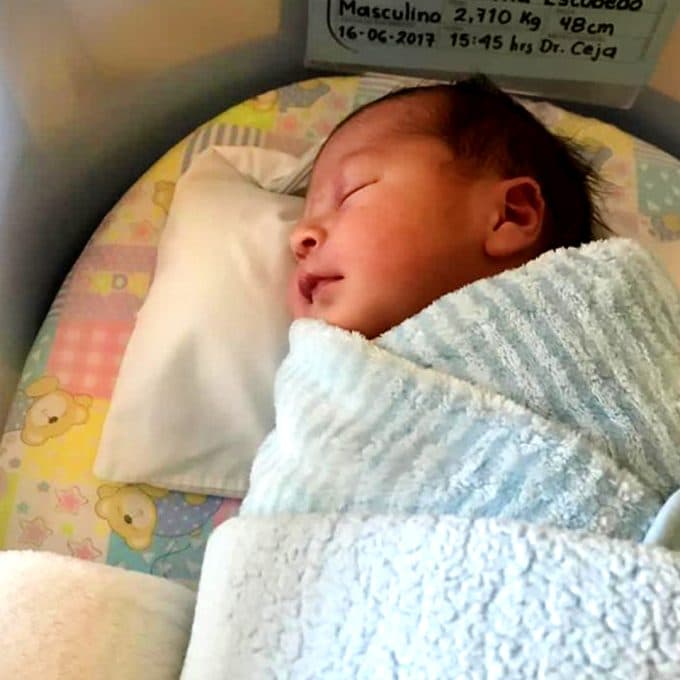
Pregnancy brings new anxieties. Elba feared miscarriage even after hearing the embryo’s heartbeat. With breathing exercises and specialized support groups, she reduced her anxiety score from 30 to 12 (Hamilton) in 8 weeks.
“When I heard their heartbeat, many fears vanished. Today my son Juan José is my world.” Combining medical monitoring and emotional care reduces the risk of preterm birth by 25% (PAHO, 2021).

If you identify with stories like “They told me I had endometriosis and a 0% chance of having a baby” or “I was under 30 and my body didn’t respond to treatment”, remember that multi-cycle programs with emotional care can change your diagnosis.
Want to have a baby and haven’t succeeded yet?
If you’re over 35 and have been trying for 12 months or more without success, a multi-cycle In Vitro Fertilization treatment with psycho-emotional support can boost your chances. Schedule your consultation at Ingenes and design an integral plan tailored to you.
FAQ
1. How long should I wait before seeking IVF if I’m over 35?
After 12 months of trying without conceiving, consult a specialist. After 35, ovarian reserve and egg quality decline by about 3% annually; AMH levels can drop below 1.0 ng/mL. Early evaluation allows for personalized and emotionally balanced protocols.
2. Does stress management really improve implantation?
Yes. Therapies like cognitive-behavioral and mindfulness lower cortisol from > 20 µg/dL to normal levels (< 10 µg/dL), support an endometrium > 7 mm, and increase implantation by up to 15%. PAHO recommends integrating emotional support to reduce miscarriages and low birth weight.
3. What types of emotional support are available during IVF?
Options include individual therapy, support groups, stress-reduction workshops, and mind-body techniques (guided imagery, yoga). These resources address anxiety, depression, and strengthen coping skills.
4. Are there risks combining fertility medications with emotional therapies?
There are no pharmacological interactions between hormones (FSH 150–300 IU/day) and psychological therapies. On the contrary, support improves treatment adherence and reduces side effects like insomnia or mood swings. Always inform your specialist of all treatments you’re receiving.
Sources
- Pan American Health Organization. (2021). Psycho-emotional aspects of assisted reproduction.
- Cochrane, S. P., et al. (2015). Stress management interventions for female fertility. Journal of Reproductive Health.
- MedlinePlus. (2022). In vitro fertilization.
- Society for Assisted Reproductive Technology (SART). (2020). Emotional support and assisted reproduction outcomes.
We’re with you on this journey: you’re not alone. If you feel your emotional burden outweighs the physical, consult a fertility specialist to design a medical and emotional plan that moves you toward parenthood.