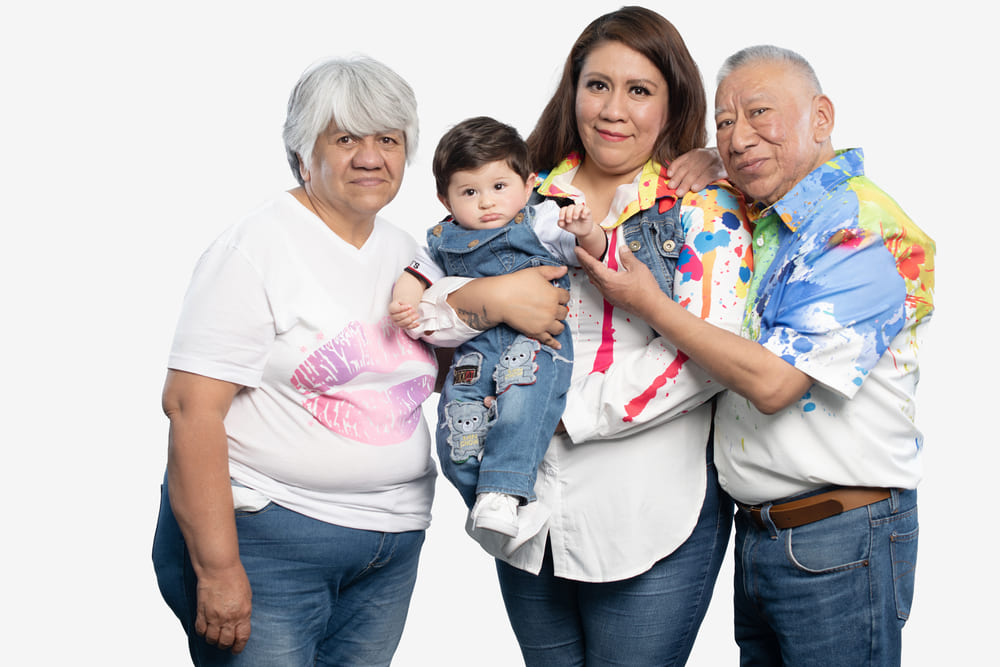

«Egg donation helped me to become a mom after 35»
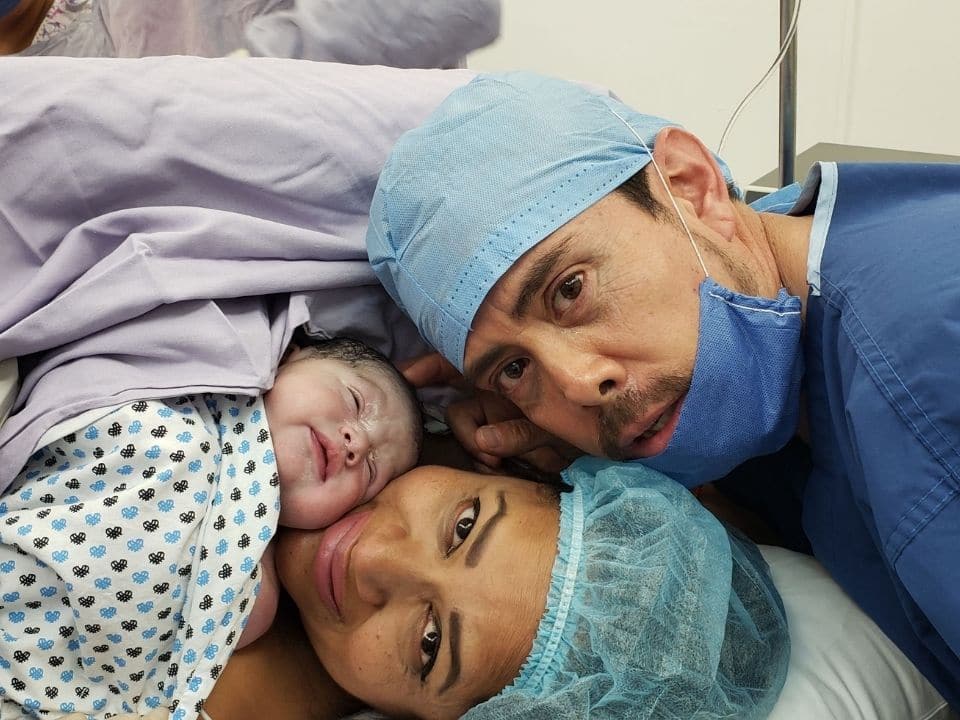
Deciding to have a baby through egg donation is not easy; that’s why you need clear information and time to weigh your desire to become a mother. We tell you the story of Lorena, who after discovering her low ovarian reserve, turned to egg donation to fulfill her dream: “The best decision of my life.”
What is egg donation and how does it help women over 35?
Like other assisted reproduction techniques, egg donation has myths that can be scary. But it’s not just an alternative: it’s a real opportunity to achieve your dream of motherhood. You might think that using another woman’s eggs means they’re not “yours,” but that’s a mistake.
Your baby grows in your womb, receives your blood and nutrients through the umbilical cord, and forms a unique, unbreakable bond. From the moment of implantation, you give everything: physical and emotional care, which makes the baby 100% yours.
How was Lorena’s second chance with egg donation?
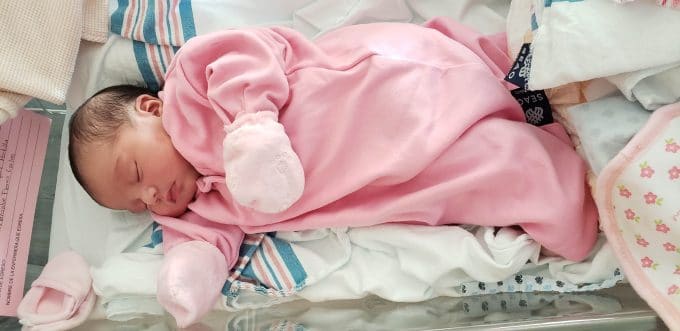
Isabela, Lorena’s daughter – Ingenes baby
“Being a mom is challenging, but I wouldn’t change anything I went through to have her. After a failed transfer and embryo loss, my family suggested Ingenes CDMX. There they detected my low ovarian reserve and my age; they offered me a fertility program with IVF, ICSI and access to an egg and sperm bank.”
Why was egg donation the ideal option for Lorena?
When stimulation didn’t produce follicles, the team suggested a donated egg. Although it was hard at first, Lorena chose a donor with traits similar to her husband’s. “That baby grew in my uterus; I carried her, I loved her and she is completely my daughter,” she says emotionally.
What to expect after egg donation?

Isabela on her birthday – Ingenes baby
“Babies don’t talk; they cry at night and demand food, and then you have to get up early for work. Today, at almost 2 years old, I wouldn’t trade a single tear or effort: I would do it again because she is the most important thing in my life.”
How does Ingenes support you if you’re over 35?
At Ingenes, our Initial Program is designed for you. We identify why you’re not achieving pregnancy, low ovarian reserve, hormonal imbalances, or tubal issues, and design a plan tailored to you. Embryologists, andrologists, gynecologists (Reproductive Biology specialists), and psychotherapists work together to maximize your chances.
Ready to take the next step? Contact us here and let’s start making your dream come true.
You may also be interested in:
10 reasons to consider egg donation
Stories of hope: “I had my baby at 49 thanks to egg donation”
Perseverance: “After 22 years trying, I became a mother via artificial insemination”
FAQ
1. How much does egg donation cost and what’s included?
Prices vary by clinic and country, but range between 10,000 USD and 20,000 USD. They usually cover donor ovarian stimulation, egg retrieval, ICSI fertilization, embryo culture, and two transfers. Medications (150 IU/day of gonadotropins), genetic testing, or cryopreservation may be additional. Always verify what your package includes and any extra lab or storage fees.
Financial counseling is recommended. Some patients prefer multi-cycle or shared-risk plans that guarantee a number of eggs or transfers at a fixed price, easing economic uncertainty.
2. What medical risks are there?
For the recipient, it’s similar to a standard transfer: the risk of ovarian hyperstimulation syndrome (OHSS) is minimal since no eggs are produced. Transfer complications include infection (<1%), bleeding (<0.1%), or uterine perforation (<0.05%).
The donor may experience OHSS (<5%), bruising, or bleeding at the injection site. Clinics monitor estradiol levels and follicles via ultrasound to reduce risks. Avoid self-medication and ensure the donor undergoes all infectious and genetic screenings.
3. How to choose the right donor?
Look for a donor with a phenotype similar to your partner or family. Review her education level, personality, and health history. The clinic screens for infections (HIV, hepatitis) and conducts genetic tests (cystic fibrosis, spinal muscular atrophy).
Ask about the ideal age (<30 years) and oocyte yield (8–15 MII oocytes). Request fertilization rates (≈70%), blastocyst formation (≈40%), and, if offered, aneuploidy screening. “Before taking any medication, speak with a specialist.”
4. What is the success rate with donated eggs?
Live birth rates per transfer exceed 60–70% in women of any age, since eggs come from young, healthy donors. Overall, multiple cycles can reach over 80% pregnancy.
The recipient’s age affects obstetric risks, not implantation. Women over 40 may have a slight miscarriage rate (≈15%). Psychological support is key to accompany you emotionally and create a warm environment throughout the process.
References
- ACOG Practice Bulletin No. 195. (2018). Ovarian Reserve Testing. Obstetrics & Gynecology, 131(5), e200–e216. doi:10.1097/AOG.0000000000002635
- Practice Committee of the American Society for Reproductive Medicine. (2013). Recommendations for number of embryos to transfer: a committee opinion. Fertility and Sterility, 99(1), 44–46. doi:10.1016/j.fertnstert.2012.09.024
- MedlinePlus. (2023). Egg Donation. U.S. National Library of Medicine. https://medlineplus.gov/eggdonation.html
- ESHRE Guideline Group on Good Practice in IVF Labs. (2015). Good Practice Recommendations for the IVF Laboratory. Human Reproduction Open, 2015(3), houv018. doi:10.1093/hropen/houv018
We’re with you every step of the way. If you’re considering egg donation, don’t hesitate to seek professional support to guide you toward the motherhood you long for.