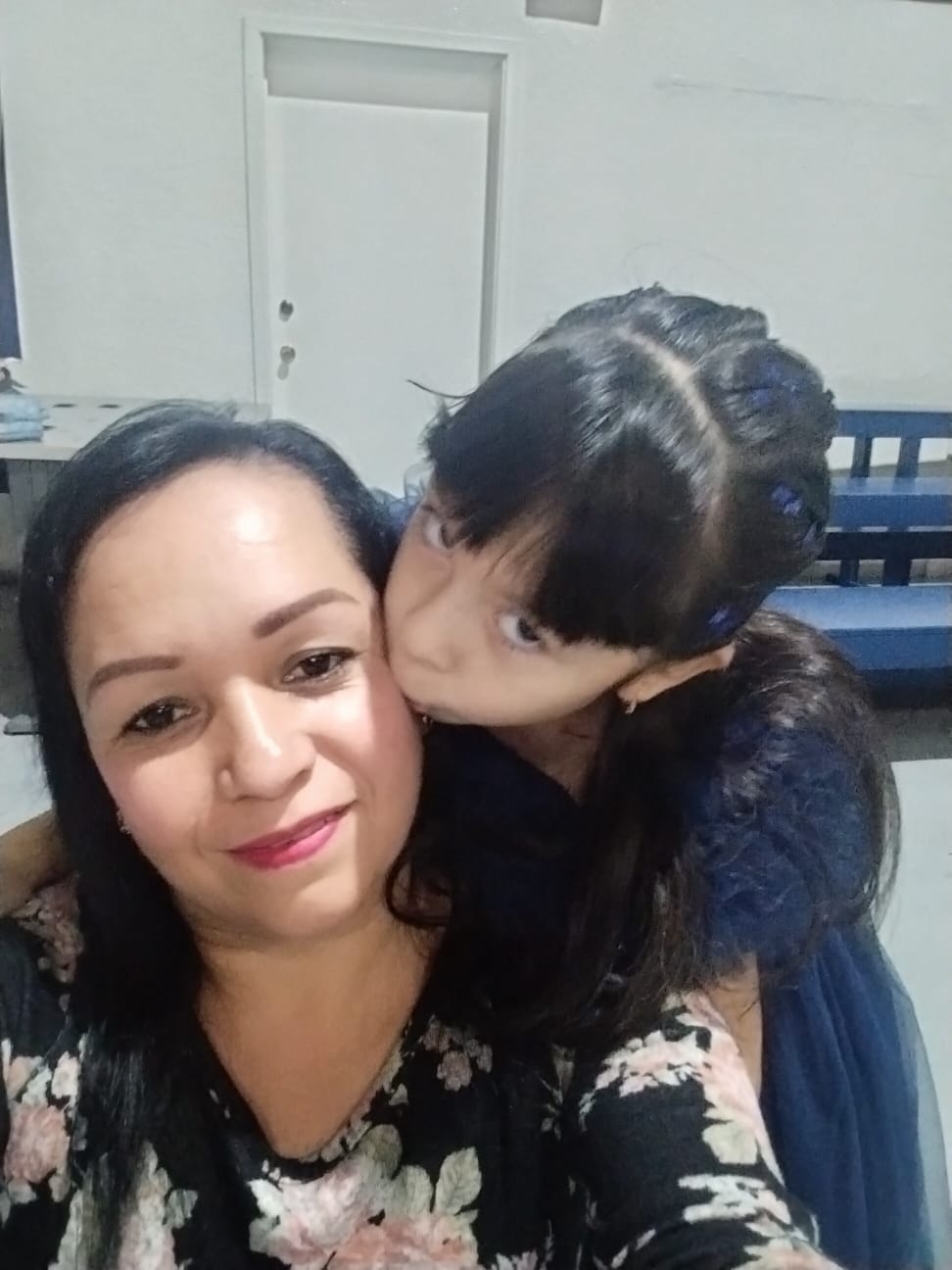

«With IVF, I had him before I was 50»

An incorrect fertility diagnosis can delay the dream of becoming a mom or dad and lead to treatments that don’t match what the patient really needs, especially when uterine fibroids are involved.
This is how Denisse and her husband lived for 8 years: after several attempts they decided to turn to Ingenes for a comprehensive fertility diagnosis. Discover their story.
What challenges do uterine fibroids pose for conceiving?

Denisse, Ingenes mom
“I had been trying to have a baby for 8 years. My husband and I left Venezuela for Querétaro, Mexico. We did three cycles of artificial insemination and two IVF attempts, but we always ended up disappointed.
I felt alone and overwhelmed; I didn’t understand why fibroids, benign growths in the uterus, were overshadowing our dream. When a fibroid distorts the cavity, it can hinder implantation or cause recurrent miscarriages.
How did the IVF experience change when moving to Mexico City?
When we arrived in Mexico City we met the Ingenes team. In the first consultation I asked for total clarity: “Tell me what’s happening and if I can become a mother.” The diagnosis was uterine fibroids and, although I was frightened at first, the doctor explained that IVF was still an option. That certainty gave us hope again.
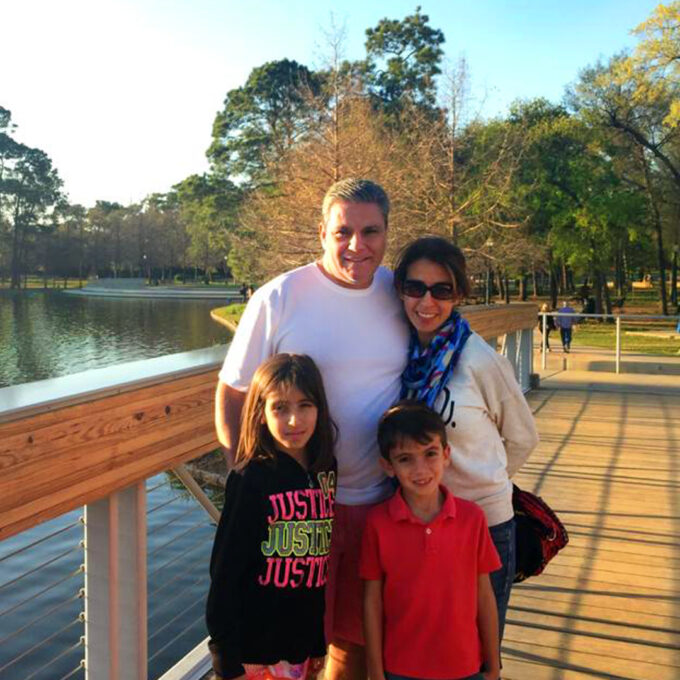
Ingenes family enjoying an outing
What emotions arise when undergoing IVF with fibroids?
“The day they told me I was pregnant, my heart was racing a thousand miles an hour. My husband and I cried with joy. But at 8 weeks I had bleeding that filled me with fear and sleepless nights, thinking our dream was slipping away.
The next day, when I heard the baby’s heartbeat, ‘thump, thump, thump’, on the ultrasound, I knew our daughter was strong. That sound turned my anxiety into certainty that we could overcome any obstacle.
Why is a personalized treatment vital when fibroids are present?
Becoming a mother through assisted reproduction is possible! Fibroids vary in size (cm) and location; that’s why each plan must be tailored: from surgery to specific IVF protocols. Avoid self-medicating and before taking any medication, talk to a reproductive medicine specialist.
At Ingenes we offer our Initial Program, a comprehensive evaluation with a hormonal panel (FSH, LH, AMH) and imaging studies (ultrasound with measurements in mm) to discover what is preventing your pregnancy. Our assisted reproduction specialists design the ideal plan, which may include laparoscopic myomectomy or adjusted stimulation protocols to improve your chances.
Read similar cases, such as “After 10 years trying and with fibroids, I had my baby” or “I became a mom despite having endometriosis” and find out how others overcame their challenges.
Frequently Asked Questions
1. Can fibroids reduce IVF success?
Yes. Submucosal fibroids, which invade the uterine cavity, distort the endometrium and lower implantation rates. Studies indicate that hysteroscopic myomectomy can raise IVF success from ~30% to over 40% per cycle.
Intramural or subserosal fibroids (measured in cm) tend to affect less, depending on size and number. A personalized imaging evaluation determines if surgery is necessary before IVF.
2. What fibroid size requires removal before IVF?
Generally, fibroids ≥3 cm compressing the cavity should be removed to improve implantation. Those under 2 cm outside the uterus can be monitored.
The decision depends on symptoms (bleeding, pain) and reproductive plans. Always consult your specialist to weigh risks and benefits.
3. How long to wait after myomectomy before starting IVF?
Recovery time varies: laparoscopic surgery requires 6–8 weeks, open surgery up to 12 weeks for uterine healing. Do not attempt pregnancy until the doctor confirms uterine integrity with an ultrasound.
Once approved, optimal ovarian stimulation is planned and embryo transfer is scheduled under the best conditions.
4. Are there non-surgical alternatives to treat fibroids during fertility?
Yes. GnRH agonists can reduce fibroids (mL or mm) by inducing a temporary hypoestrogenic state. Treatment lasts 3–6 months and can decrease fibroid volume by up to 50%.
Uterine artery embolization is another option, though its impact on ovarian reserve (AMH in ng/mL) must be carefully evaluated. Talk to your reproductive endocrinologist to choose the best strategy.
References
- ACOG. (2021). Uterine Fibroids: ACOG Practice Bulletin No. 228. Obstetrics & Gynecology, 137(6), e100–e115. https://doi.org/10.1097/AOG.0000000000004656
- National Library of Medicine. (2022). Fibroids and Infertility. MedlinePlus. https://medlineplus.gov/fibroidsandinfertility.html
- Practice Committee of the American Society for Reproductive Medicine. (2020). Role of fibroids in infertility. Fertility and Sterility, 114(3), 477–488. https://doi.org/10.1016/j.fertnstert.2020.05.030
- Stewart, E. A. (2019). Uterine fibroids. The New England Journal of Medicine, 380(14), 1314–1325. https://doi.org/10.1056/NEJMra1801438
We know how challenging this journey can be. Don’t lose hope or self-medicate: always consult a fertility specialist to guide you every step of the way.