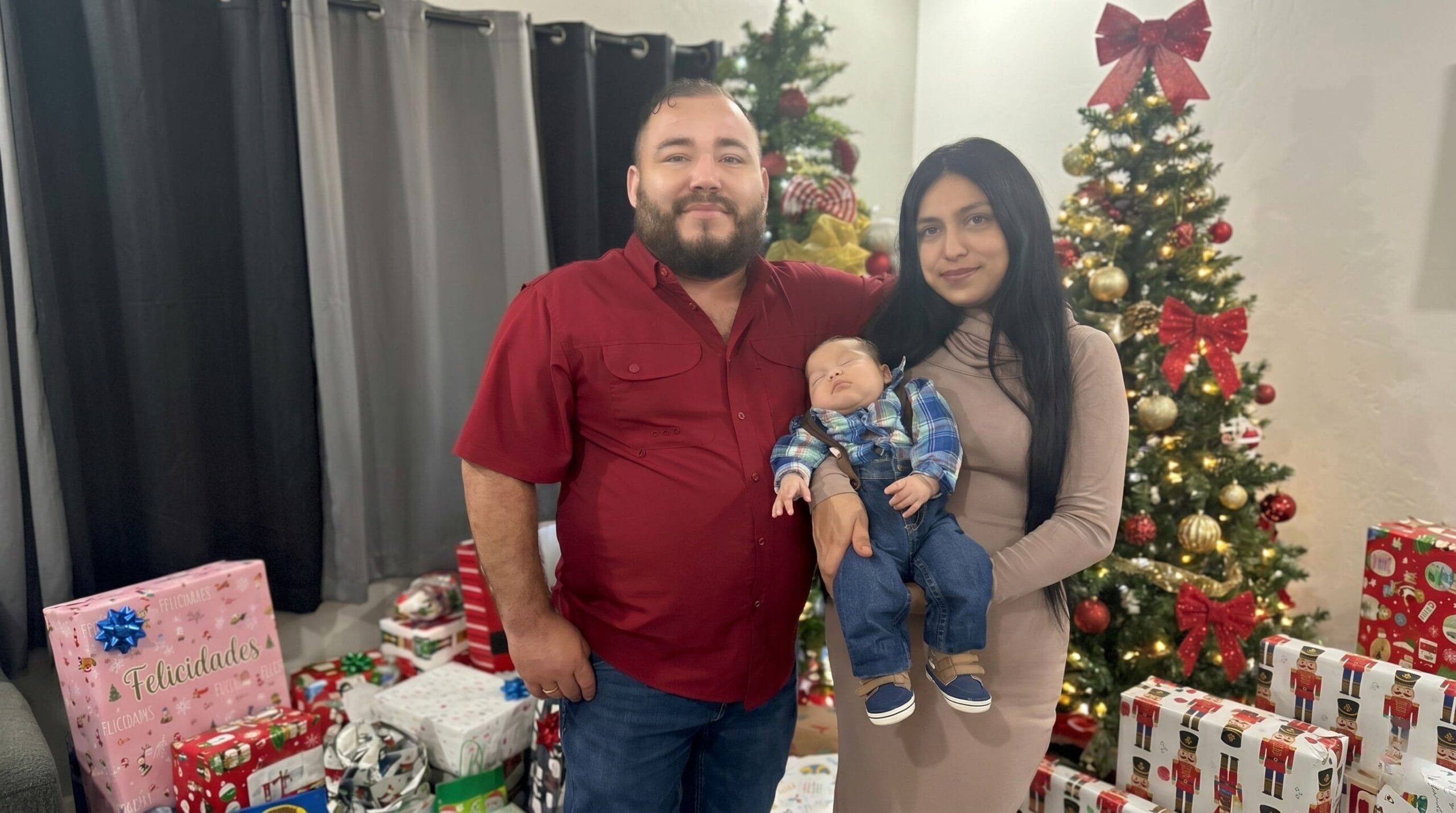

«My husband had cancer and I had cysts, but with IVF we got twins»

When my husband was diagnosed with testicular cancer and I was dealing with ovarian cysts, we feared our dream of becoming parents would fade. Thanks to assisted reproductive technologies and the close support of our medical team, today we hold our precious twins. This is our journey full of hope.
What is IVF and how can it help couples with medical challenges?
In vitro fertilization (IVF) involves retrieving eggs from the ovaries and fertilizing them with sperm in a laboratory. After 3–5 days of culture, viable embryos are transferred to the uterus. IVF helps overcome obstacles such as blocked fallopian tubes, reduced sperm count after cancer treatment, endometriosis, or ovarian cysts. Protocols use between 150 and 300 IU of gonadotropins daily for 8–12 days, with ultrasounds and estradiol measurements in pg/mL. With careful planning, success rates range from 40% to 50% in women under 35 (CDC, 2022).
How did my husband’s cancer treatment affect our fertility options?
Chemotherapy and radiation can damage sperm production (oligozoospermia or azoospermia) and affect DNA. Before starting, my husband cryopreserved several semen samples (2–3 mL with 20 million motile sperm per mL). We then used ICSI (intracytoplasmic sperm injection) to fertilize each egg with a single sperm and maximize our chances.
What role did my ovarian cysts play in our IVF process?
Ovarian cysts, such as functional cysts or endometriomas, can distort anatomy and alter hormones. My doctor recommended a laparoscopic cystectomy to remove a 3 cm endometrioma, taking care to preserve healthy tissue. After waiting two menstrual cycles, we began ovarian stimulation. Removing the cyst increased my mature follicles from 4 to 10 in the next cycle.
What are the steps of an IVF cycle from monitoring to embryo transfer?
- Baseline ultrasound and hormone panel (FSH, LH, AMH in ng/mL).
- Ovarian stimulation with gonadotropins (rFSH, hMG).
- Monitoring every 2–3 days: follicle size in mm and estradiol levels.
- Ovulation trigger injection (10,000 IU hCG or 0.2 mg GnRH agonist).
- Egg retrieval under sedation (~36 hours later).
- Fertilization by conventional IVF or ICSI.
- Embryo culture until day 5 (blastocyst stage).
- Transfer of 1–2 embryos with a soft catheter; luteal phase support with vaginal progesterone (200 mg every 12 hours).
In our first transfer of two blastocysts, both implanted. At 6 weeks, the ultrasound confirmed we were expecting twins.
Our story led us to share “I Wanted a Baby and IVF Gave Me 2 Diamonds” and to find encouragement in “My 2 IVF Babies Are True Warriors”.
What precautions should you take before and during IVF?
Do not self-medicate: before any medication, consult a reproductive specialist. Maintain a BMI between 18.5 and 24.9, quit smoking, limit alcohol, and follow a diet rich in folic acid (400 µg/day) and antioxidants. Do moderate exercise and manage stress with yoga or mindfulness.
How to improve your chances of a healthy twin pregnancy?
A twin pregnancy carries higher risks of preterm birth and preeclampsia. We recommend:
- Prenatal visits every 2 weeks until week 28, then weekly.
- Supplementing with iron (30 mg/day) and calcium (1000 mg/day).
- Resting on your left side to improve uteroplacental circulation.
Frequently Asked Questions
What Are the IVF Success Rates for Couples with Cancer History?
They vary by age and ovarian reserve, but in women under 35 they can reach 50% per cycle. Preimplantation genetic testing (PGT) and vitrification of eggs or embryos before cancer treatment increase future chances.
Consult a reproductive specialist and a reproductive oncologist. Low-hormone stimulation protocols (20–150 IU) minimize estrogen rise and protect health without compromising egg yield.
What Complications Can Arise in a Twin Pregnancy via IVF?
Twin pregnancies carry more risks than singletons: preterm birth (<37 weeks), low birth weight (<2,500 g), preeclampsia, and intrauterine growth restriction. Ultrasound monitoring every 2–4 weeks and Doppler to assess umbilical flow is advised.
Supplement iron and calcium and, if at risk of preterm birth, your doctor may prescribe antenatal corticosteroids and tocolytics.
How Does Maternal Age Affect IVF Outcomes?
Fertility declines with age due to lower ovarian reserve and egg quality. After 35, AMH and antral follicle count drop, reducing implantation and increasing aneuploidy risk.
For women over 40, donor eggs offer success rates above 60% per cycle and fewer miscarriages. Genetic counseling and PGT are key.
What Care Should I Take After Embryo Transfer?
After transfer, rest for 24–48 hours, avoid strenuous exercise and long baths. Continue vaginal progesterone (200 mg every 12 hours) until week 10–12 or as advised by your specialist.
Measure hCG levels 12 days later and schedule your first ultrasound at 6–7 weeks. Report any bleeding, severe pain, or fluid leakage.
Sources
- Centers for Disease Control and Prevention. (2022). Assisted Reproductive Technology (ART). https://www.cdc.gov/art
- MedlinePlus. (2023). In vitro fertilization. https://medlineplus.gov/ency/article/007310.htm
- Practice Committees of the American Society for Reproductive Medicine. (2021). Diagnostic evaluation of the infertile female: a committee opinion. Fertility and Sterility, 116(3), 589–599. doi:10.1016/j.fertnstert.2021.06.031
- Practice Committee ASRM. (2020). Ovarian stimulation for IVF. Fertility and Sterility, 114(5), 973–981. doi:10.1016/j.fertnstert.2020.07.024
We know how challenging this journey can be. Every story is unique and deserves professional support. If you are considering IVF, seek the guidance of a fertility specialist. You are not alone: there is hope and experts ready to help you.