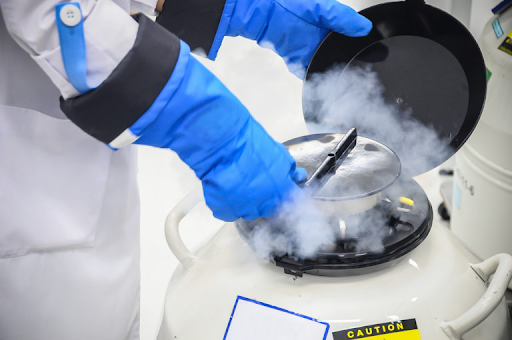

CONACYT and fertility investigation at Ingenes Institute
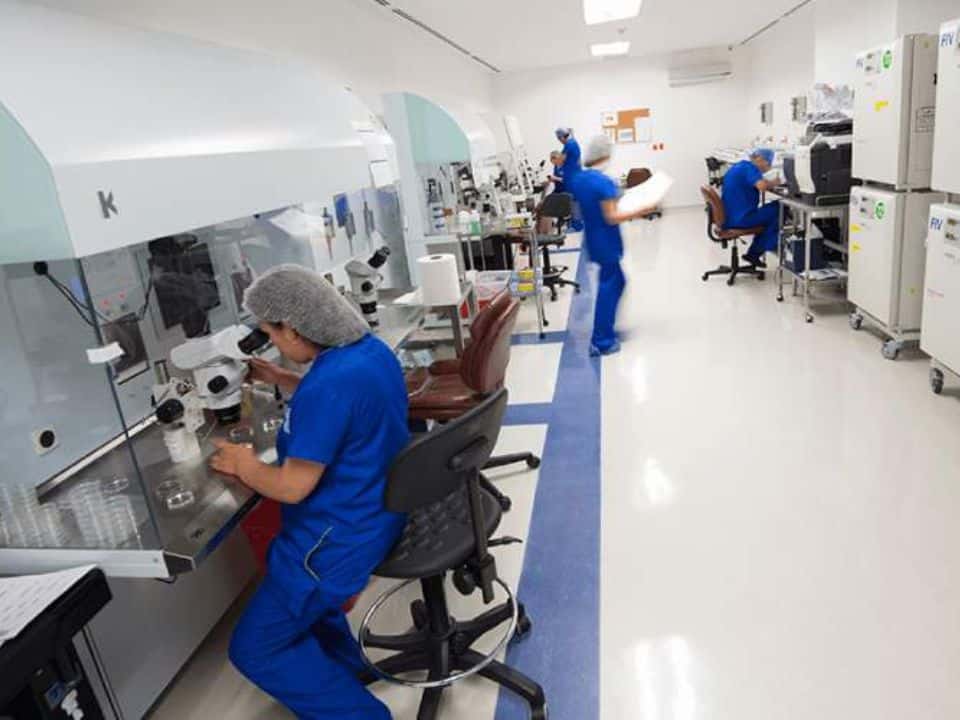
At Ingenes Institute, we have a reproductive health research division dedicated to exploring new complementary alternatives to fertility treatments, thereby increasing the chances of success for each individual.
Our specialists, always at the forefront of assisted reproduction, engage in continuous training and globally recognized scientific research, pioneering techniques to improve oocyte and endometrial quality for those who trust us.
Which collaborations support Conacyt and fertility research at Ingenes Institute?
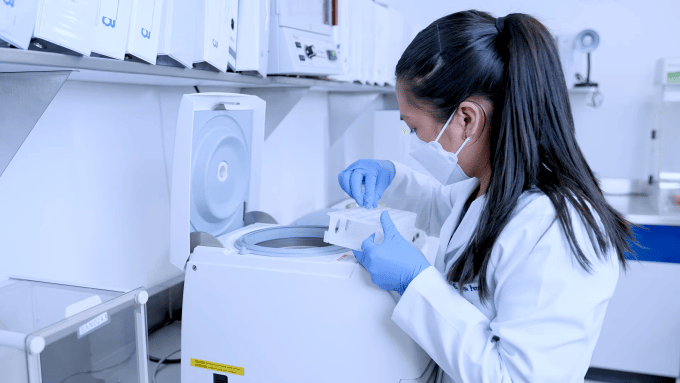
Human Reproduction Biologist in our laboratory
To strengthen the training of our professionals, we establish agreements with research institutions. Our Assisted Reproduction postgraduate programs, endorsed by the University of Sonora, include the Master’s in Gynecological Endocrinology and Infertility.
Our collaborators share knowledge with researchers from:
- Department of Genetics and Molecular Biology and Department of Toxicology at CINVESTAV-IPN
- Genetics Service of the National Rehabilitation Institute
- Department of Health Sciences, Metropolitan Autonomous University-Iztapalapa
- Department of Natural Sciences, Metropolitan Autonomous University-Cuajimalpa
- Department of Chemical-Biological Sciences, University of Sonora
- Naval Medical School, Secretariat of the Navy
- National System of Researchers of Mexico and Conacyt
What research projects does Ingenes conduct to improve fertility?
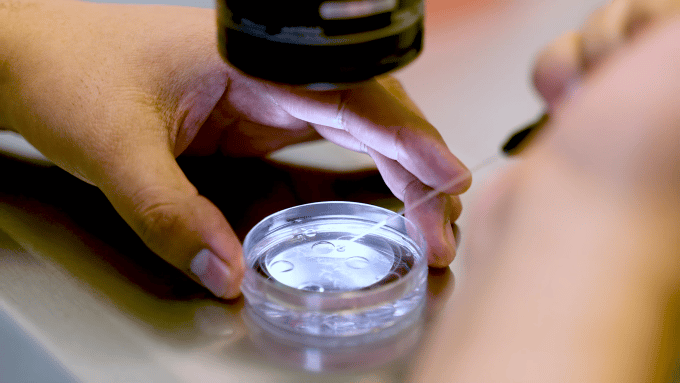
Oocyte fertilization process in the IVF laboratory
Our studies focus on techniques that increase your chances of pregnancy with minimal complications. Key projects include:
- PGT-A: DNA analysis of the embryo to select those with a normal chromosomal load before transfer.
- Ovagen™: uses endogenous growth factors to regenerate ovarian cells in cases of insufficiency or low ovarian reserve.
- Endogen™: employs stem cells to improve endometrial quality and promote implantation.
- Clarix: non-invasive prenatal test to detect major genetic abnormalities (such as Down syndrome) early.
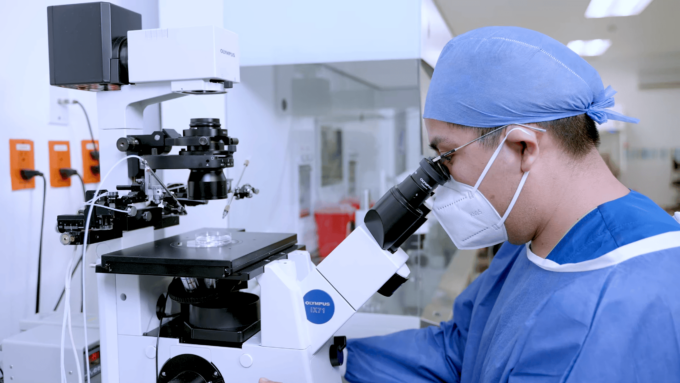
Embryologist in the IVF laboratory
Each technique addresses specific needs so you can achieve your dream of becoming a mother or father as soon as possible. Our researchers train continuously and develop innovations to support you on this journey.
How does Ingenes combine international experience in assisted reproduction?
We offer Assisted Reproduction in Mexico and the USA, integrating the best practices from both countries. This provides personalized care, advanced protocols, and a up to 96% success rate even in complex cases.
We also incorporate strategies from Solutions and Success in the Face of Infertility, offering comprehensive support: medical, emotional, and nutritional to optimize your outcomes.
Been trying unsuccessfully for over 12 months?
At Ingenes, we can help you. Our fertility experts have extensive experience and a up to 96% success rate even in the most challenging scenarios. Avoid self-medication and remember: before any treatment, consult an assisted reproduction specialist.
Tell us your case to assess your fertility and together make your dream of becoming a mother or father come true.
Frequently Asked Questions
1. How does Conacyt funding benefit fertility research at Ingenes?
Conacyt provides scholarships and resources that facilitate collaborations with leading institutions. Thanks to this support, we use state-of-the-art equipment and conduct PGT-M studies, stem cell therapies, and endometrial regeneration, improving clinical outcomes and reinforcing evidence-based medicine.
2. What is the role of PGT-A in assisted reproduction?
PGT-A evaluates the chromosomal status of embryos to select euploid ones (46 chromosomes), reducing the risk of miscarriage and increasing implantation rates, especially in women over 35 or with recurrent failures.
3. Are Ovagen™ and Endogen™ safe and effective?
Both therapies are autologous, using your own growth factors and stem cells. Clinical studies show Endogen™ achieves an endometrial thickening of 1.5–2 mm in 80% of cases and Ovagen™ improves ovarian reserve markers (AMH) by 25% of patients, with minimal risk of adverse reactions.
4. How should I prepare for an IVF cycle at Ingenes?
First, schedule a comprehensive fertility evaluation: hormone tests (FSH, LH, E2), uterine ultrasound, and semen analysis. Maintain a healthy lifestyle: balanced diet, 7–8 hours of sleep, and avoid tobacco and alcohol. Follow your specialist’s supplement recommendations (for example, folic acid 400 µg) and stress-management techniques.
We accompany you every step of the way on your journey to parenthood. If you need support, don’t hesitate to reach out to an assisted fertilization specialist to receive the proper guidance and treatment. We are with you!