

Celebrating the Diversity of American Families on National Family Day
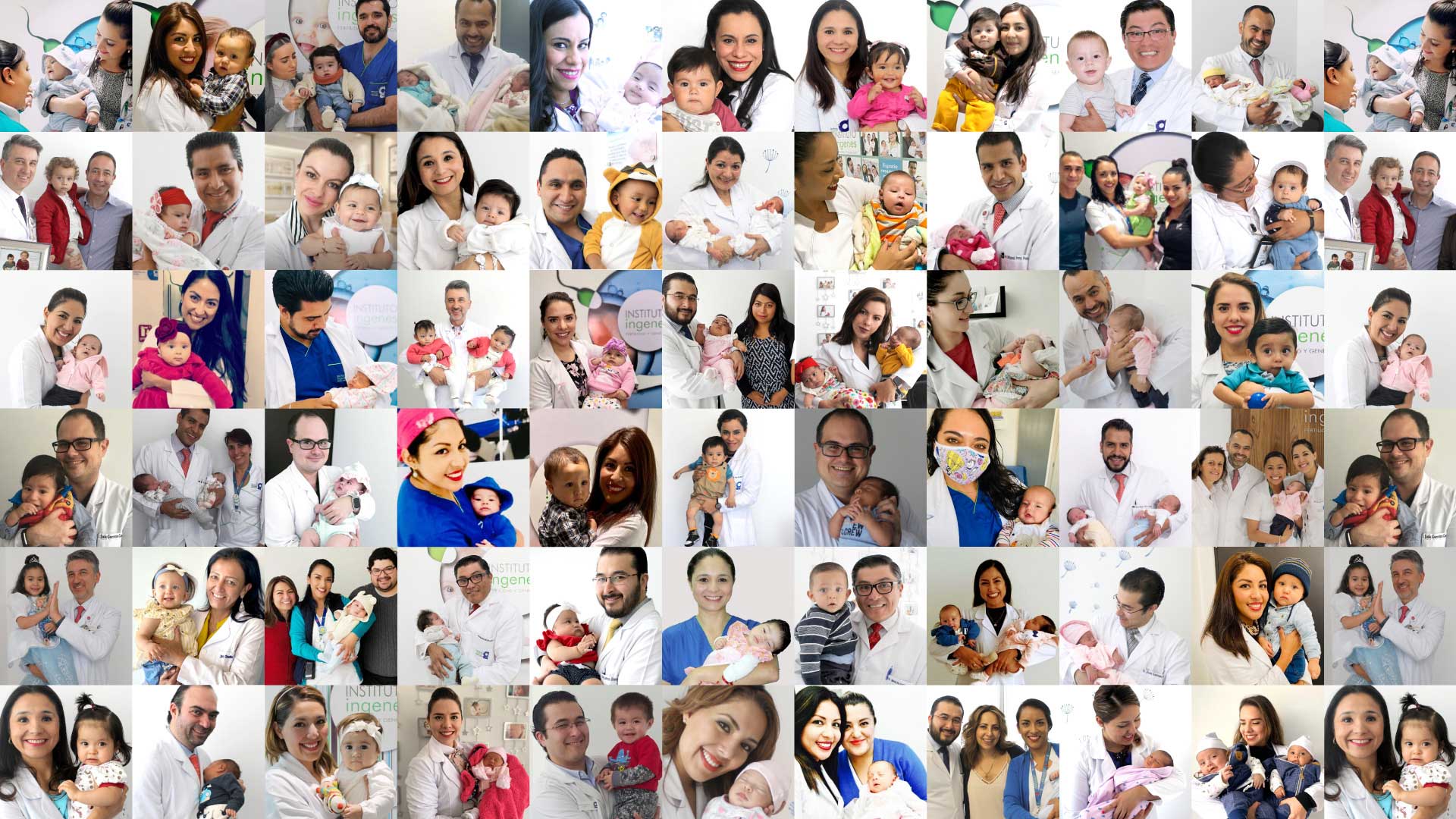
The National Family Day is an opportunity to pause and recognize the richness of every family story in the United States.
Today, families take many forms: from traditional to the most diverse, reflecting the openness and change of our society.
What is National Family Day and why celebrate diversity?
National Family Day is the day to honor every type of family: nuclear, single-parent, same-sex and more. It’s about celebrating inclusion, equality, and the unconditional love that binds every family, regardless of its structure.
How has the American family evolved?
According to Pew Research Center (2022), the nuclear family remains present, but other models have grown:
- Single-parent: rose from 12% in 1968 to 27% in 2014.
- Same-sex: over 1,000,000 same-sex couples living together in 2020 (Statista, 2021).
- Single parents by adoption or assisted reproduction, with IVF and egg donation.

Single-parent families: challenges and strengths
The increase is due to divorces, planned motherhood and assisted reproduction. Challenges include:
- Greater economic and time burden on a single caregiver.
- Need for support networks and attention to mental health.
But these families also demonstrate great resilience and deep love.


Impact of same-sex parenting
With marriage equality and legal recognition, over 1,000,000 same-sex couples have formed families, contributing:
- Parenting based on empathy and conscious communication.
- Greater visibility and inclusion in public policies.


Support on your path to parenthood
At Ingenes we offer IVF, ICSI, egg and sperm donation with personalized protocols. Before self-medicating, consult a specialist in Assisted Reproduction to receive the guidance and follow-up your family deserves.
We take every step with you, with empathy and expertise, because your dream of becoming a parent is unique and valuable.
Celebrate family diversity all year round
Events, resources and awareness campaigns keep family inclusion alive. For more ideas and actions, visit our article Celebrating family pride and diversity in June.
Frequently Asked Questions (FAQ)
What is assisted reproduction and how does it help different families?
Techniques like IVF and ICSI assist couples with infertility, single mothers and same-sex couples, ensuring high-quality embryos. Always consult a medical specialist and avoid self-medication.
What are the emotional challenges of a single-parent family?
The responsibility of a single parent can generate stress and anxiety. Having support networks, help groups and therapy strengthens the emotional health of the whole family.
How to promote inclusion of same-sex families at school?
Equality policies, workshops and diverse materials raise awareness among educational staff. The participation of mothers and fathers in committees and collaboration with LGBTQ+ associations ensure safe environments.
What resources support the mental health of first-time parents?
The American Psychological Association and local groups offer guides and hotlines. A psychologist or family therapist can prevent burnout and strengthen the new dynamic.
Sources Consulted
- Pew Research Center. (2022). Family Structures in America.
- Statista. (2021). Number of same‐sex couples in the United States.
- MedlinePlus. (2023). In Vitro Fertilization.
- American Society for Reproductive Medicine. (2022). Definition of infertility. Fertility and Sterility, 118(6), 1431–1442.
Remember: every family is unique and every path to parenthood deserves professional attention. If you’re ready to take the next step, see a specialist in assisted fertilization and start your journey with the best support.