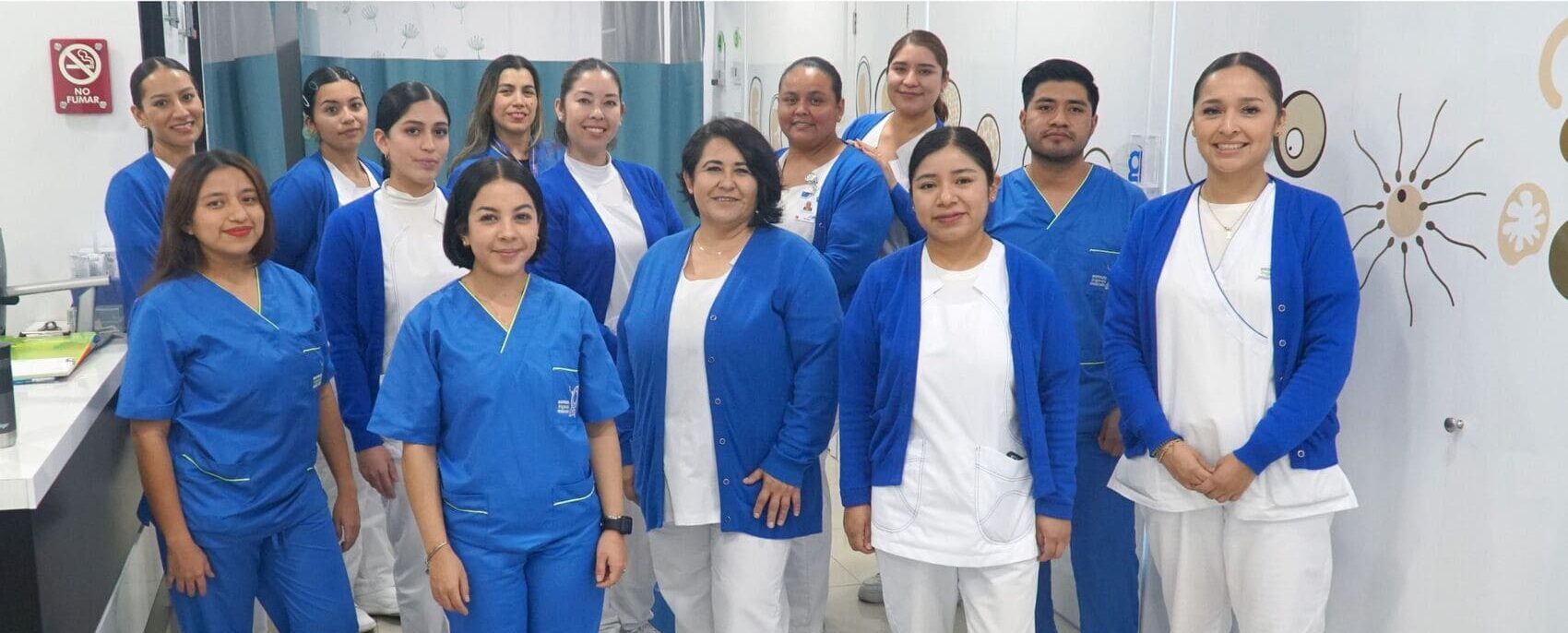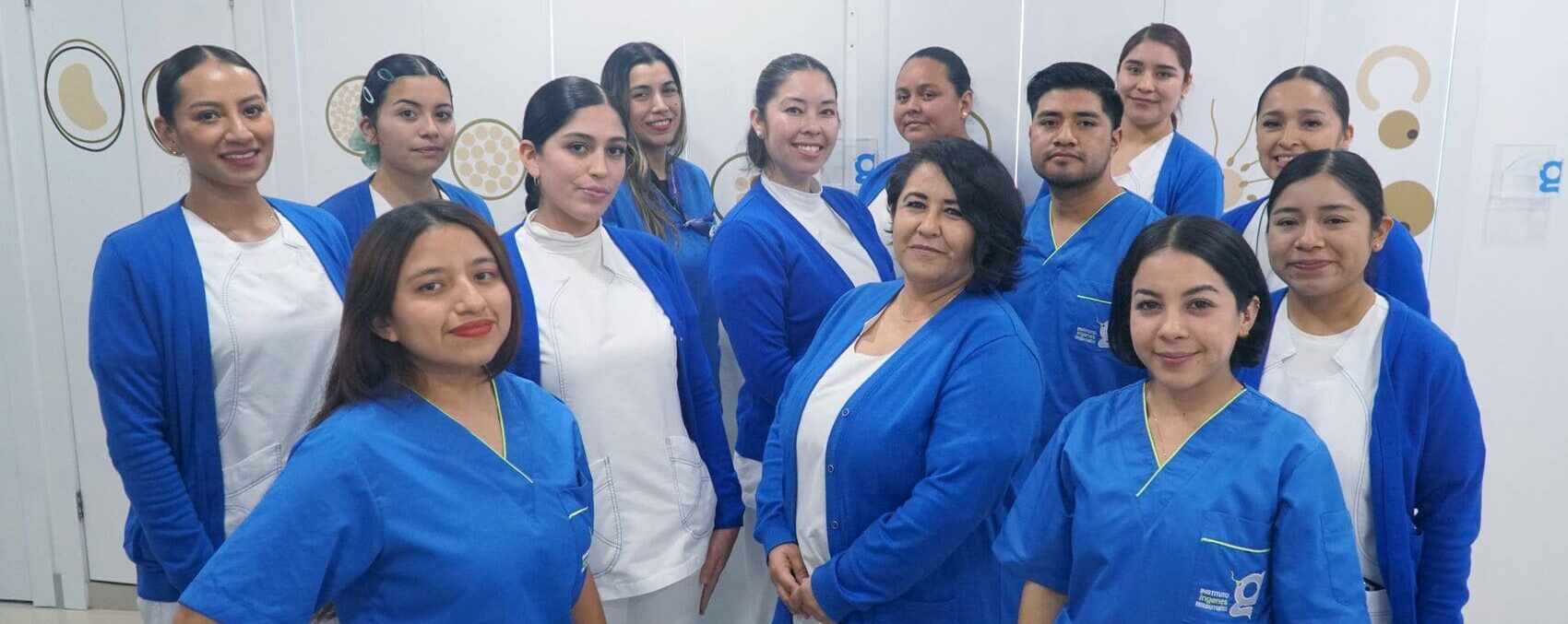

Ingenes Institute, recognized as a member of the McAllen Chamber of Commerce in Texas

HTown Best shares expert reviews and opinions so patients receive satisfying experiences and have their needs met.
What is Ingenes Houston and why does HTown Best recognize it?
Ingenes Houston is a leading assisted reproduction clinic that supports women and men on their journey to parenthood. Recently, the Ingenes Institute was highlighted by HTown Best as a member of the McAllen Chamber of Commerce in Texas. This recognition is based on our use of advanced IVF techniques and personalized care: we maintain success rates above 60% per cycle and provide continuous emotional support.
How does HTown Best evaluate assisted reproduction clinics?
HTown Best is a Houston network that combines local opinions and expert criteria to rate services. Its parameters include:
- Live birth rate per embryo transfer (LBR/ET).
- Patient satisfaction score, obtained via surveys.
- Technological standards: time-lapse incubators, PGT-A genetic screening on day 5 post-fertilization.
- Clinic accreditations and staff certifications.
By combining quantitative data (for example, 12–15 oocytes retrieved per cycle) and qualitative feedback, HTown Best highlights only those clinics with proven results and close care.

Why choose a locally recommended fertility clinic in Houston?
The Houston specialist community offers personalized treatments: from intrauterine insemination (IUI) with 0.5–1 mL of sperm suspension to ICSI with microinjection of a single sperm. A clinic endorsed by residents and experts guarantees:
- State-of-the-art laboratories.
- Multidisciplinary teams: reproductive endocrinologists, embryologists, and psychologists.
- Flexible financing plans to cover medications (300–500 IU of gonadotropins daily).
At Ingenes Houston we collaborate with international partners, such as our team in California, learn more here, to bring the most innovative protocols.
What to expect at the first consultation?
At your first visit we review your medical history, perform a transvaginal pelvic ultrasound (7.5 MHz probe) and a hormonal panel (FSH, LH, AMH in ng/mL). We design a customized IVF or IUI protocol and discuss lifestyle habits. Avoid self-medication and always consult an assisted reproduction specialist if you want to increase your chances of pregnancy.
Frequently Asked Questions (FAQ)
1. How does Ingenes Houston improve success rates?
We use time-lapse incubators and PGT-A to select euploid embryos and maximize implantation. Additionally, we adjust ovarian stimulation based on AMH and AFC. We offer psychological support and support groups: studies show that low cortisol levels favor endometrial receptivity.
2. What are the differences between IUI and IVF?
IUI deposits 0.5–1 mL of selected sperm into the uterus during ovulation. It is less invasive and costs less, with pregnancy rates of 10%–20% per cycle. IVF fertilizes eggs in the lab and transfers one or more embryos, reaching 50%–60% success.
The choice depends on age, ovarian reserve, and sperm quality. In cases of severe male factors or IUI failures, IVF is usually the best option.
3. When should ovarian reserve be evaluated?
It is recommended from age 35 or after 6 months of not conceiving naturally. The test measures AMH in ng/mL and AFC by ultrasound. AMH > 1.2 ng/mL and AFC > 7 follicles indicate good reserve. With AMH < 0.7 ng/mL, we consider egg donation or vitrification.
4. What role does lifestyle play?
A BMI between 18.5 and 24.9, moderate caffeine intake (< 200 mg/day), and not smoking increase the chances. Moderate exercise (30 min daily) regulates hormones and improves receptivity. We recommend a diet rich in omega-3, vitamin D, and 400 µg/day of folic acid. Psychological support reduces anxiety and favors outcomes.
Sources
- American Society for Reproductive Medicine. (2020). Practice Committee guidelines on assisted reproductive technology. Fertility and Sterility. https://doi.org/10.1016/j.fertnstert.2020.03.010
- National Library of Medicine. (2022). Anti-Müllerian Hormone Testing. MedlinePlus. https://medlineplus.gov/lab-tests/anti-mullerian-hormone-test/
- La Marca, A., & Sunkara, S. K. (2014). Individualization of controlled ovarian stimulation in IVF using ovarian reserve markers. Human Reproduction Update, 20(1), 124–140. https://doi.org/10.1093/humupd/dmt039
- Kovalevsky, G., & Crosignani, P. (2017). Impact of lifestyle factors on IVF outcomes. Reproductive BioMedicine Online, 34(5), 567–575. https://doi.org/10.1016/j.rbmo.2017.02.002
We are with you every step of this journey. If you dream of becoming a mom or dad, don’t hesitate to seek specialized assisted reproduction help.